

Leavening agents, yeast, baker's, compressed
Whole food · Baked Products

Photo: Wikipedia
Compressed baker's yeast is a living, moist, beige-colored cake that smells earthy and slightly pungent. It has a soft, crumbly texture that dissolves or activates in liquids. Nutritionally, it's a powerhouse of plant-based protein and fiber with minimal fat.
Calorie split: 27% protein · 59% carbs · 14% fat
↓ Full nutrition💚 Why it's loved
People love it for its unparalleled ability to transform dough, creating the airy, chewy texture and complex, savory flavor in fresh bread. It's the invisible engine behind countless beloved baked goods worldwide.
⚠️ Watch-outs & how to enjoy it better
Some may find its raw, yeasty smell or taste off-putting. It contains gluten (from its growth medium) and is a common allergen for those with yeast sensitivities. To mitigate, ensure it's fully baked and fermented in dough, which neutralizes the live yeast and develops flavor.
Key benefits
- Excellent source of B-complex vitamins, especially thiamine and riboflavin.
- High in complete protein, providing all essential amino acids.
- Rich in dietary fiber, supporting digestive health.
- A good source of minerals like selenium and chromium.
- Contains beta-glucans, which may support immune function.
🍽️ Popular dishes
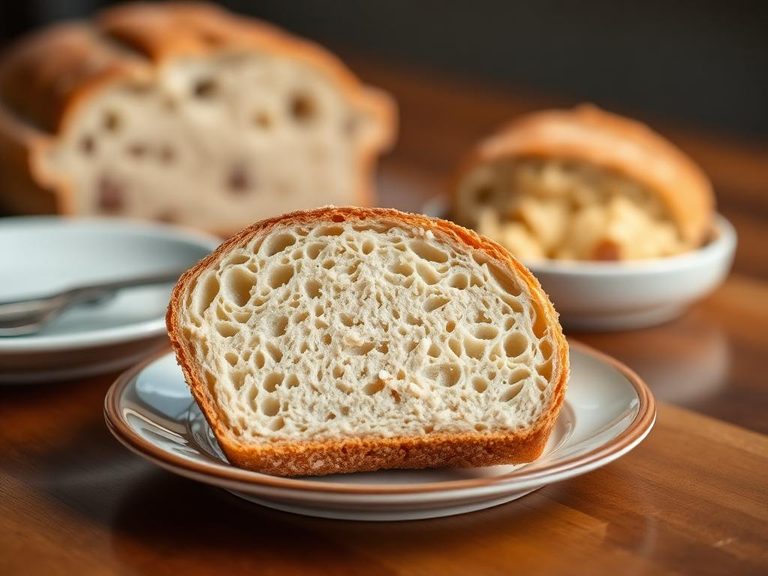
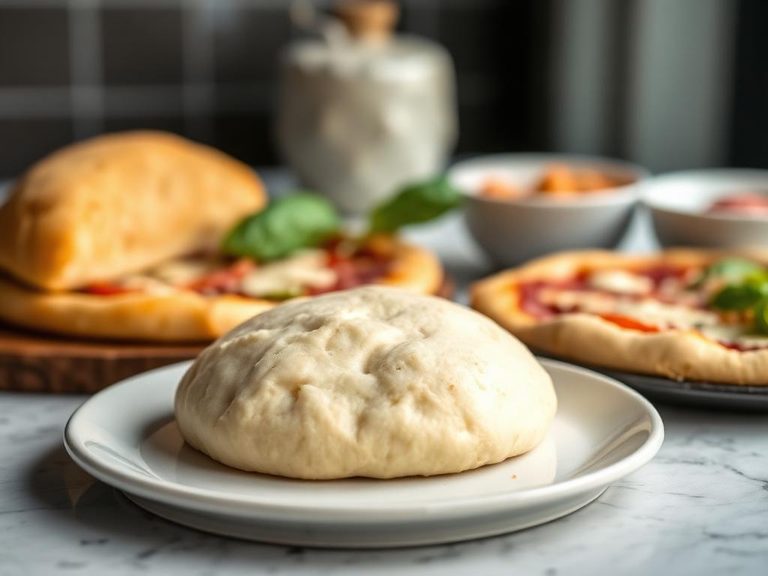
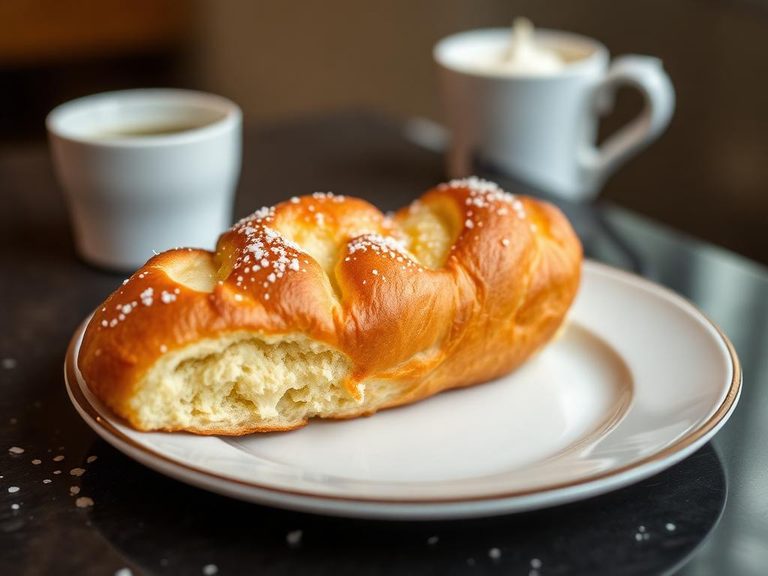
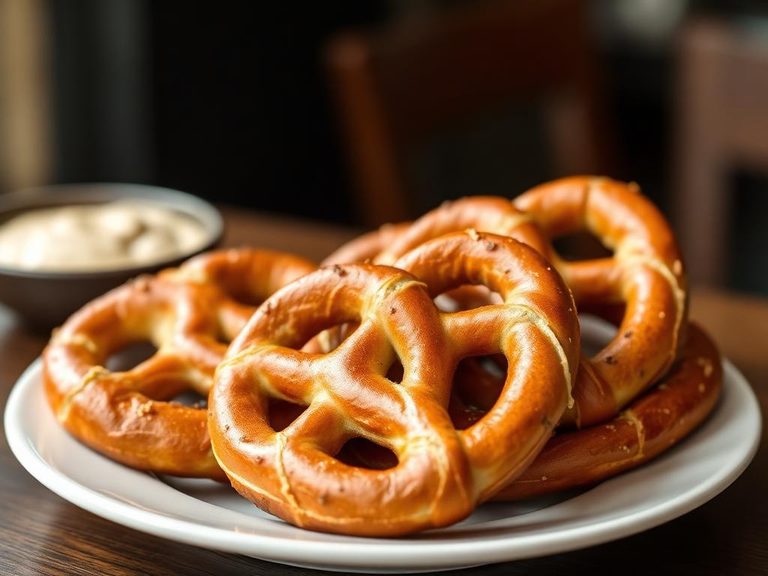
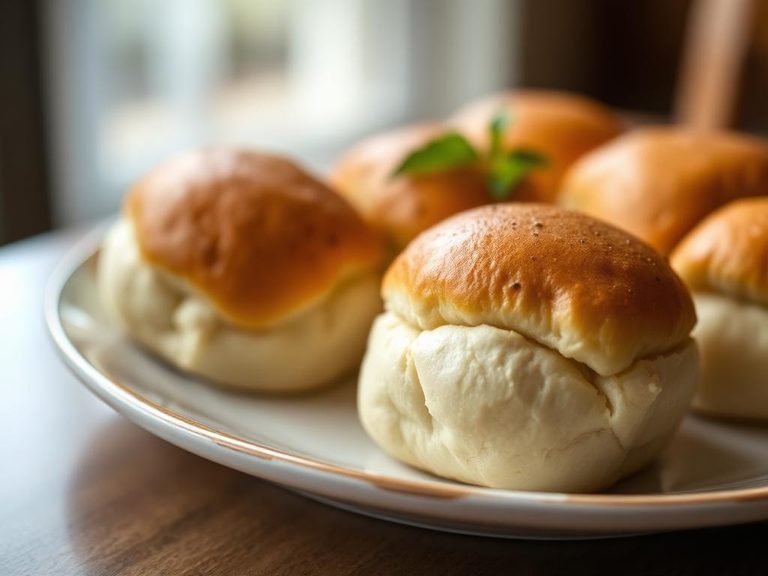
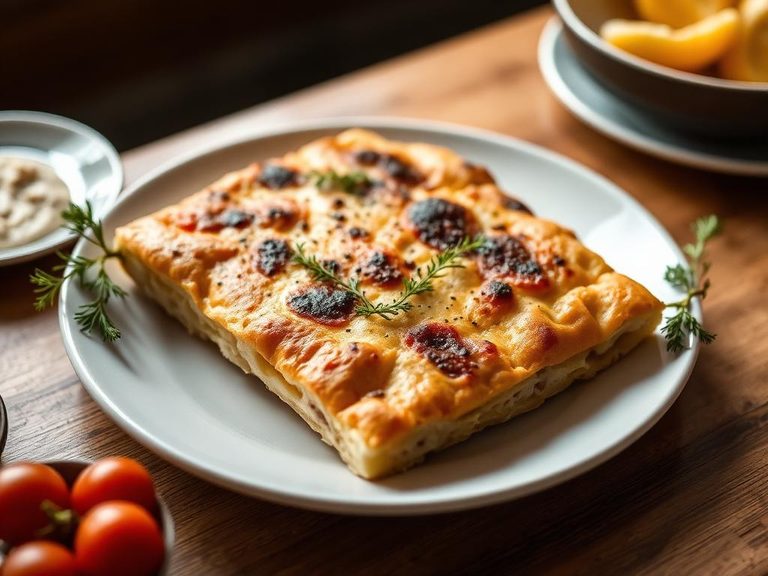
🌍 Where it's eaten
💡 Did you know?
A single gram of compressed yeast contains roughly 20 billion living cells, all working together to produce the carbon dioxide that makes bread rise.
Full nutrition (USDA data · scales with serving)
| Water | 69.0 g |
| Energy | 105 kcal |
| Energy | 439 kj |
| Protein | 8.4 g |
| Total lipid (fat) | 1.9 g |
| Ash | 1.8 g |
| Carbohydrate, by difference | 18.1 g |
| Fiber, total dietary | 8.1 g |
| Total Sugars | 0.00 g |
| Calcium, Ca | 19.0 mg |
| Iron, Fe | 3.3 mg |
| Magnesium, Mg | 40.0 mg |
| Phosphorus, P | 336 mg |
| Potassium, K | 601 mg |
| Sodium, Na | 30.0 mg |
| Zinc, Zn | 10.0 mg |
| Copper, Cu | 0.15 mg |
| Manganese, Mn | 0.20 mg |
| Selenium, Se | 8.1 ug |
| Vitamin C, total ascorbic acid | 0.10 mg |
| Thiamin | 1.9 mg |
| Riboflavin | 1.1 mg |
| Niacin | 12.3 mg |
| Pantothenic acid | 4.9 mg |
| Vitamin B-6 | 0.43 mg |
| Folate, total | 785 ug |
| Folic acid | 0.00 ug |
| Folate, food | 785 ug |
| Folate, DFE | 785 ug |
| Choline, total | 32.0 mg |
| Vitamin B-12 | 0.01 ug |
| Vitamin B-12, added | 0.00 ug |
| Vitamin A, RAE | 0.00 ug |
| Retinol | 0.00 ug |
| Carotene, beta | 0.00 ug |
| Carotene, alpha | 0.00 ug |
| Cryptoxanthin, beta | 0.00 ug |
| Vitamin A, IU | 0.00 iu |
| Lycopene | 0.00 ug |
| Lutein + zeaxanthin | 0.00 ug |
| Vitamin E (alpha-tocopherol) | 0.00 mg |
| Vitamin E, added | 0.00 mg |
| Vitamin D (D2 + D3), International Units | 0.00 iu |
| Vitamin D (D2 + D3) | 0.00 ug |
| Vitamin K (phylloquinone) | 0.00 ug |
| Alcohol, ethyl | 0.00 g |
| Caffeine | 0.00 mg |
| Theobromine | 0.00 mg |
Fat & fatty acid profile (per 100g)
| Fatty acids, total saturated | 0.24 g |
| SFA 4:0 | 0.00 g |
| SFA 6:0 | 0.00 g |
| SFA 8:0 | 0.00 g |
| SFA 10:0 | 0.00 g |
| SFA 12:0 | 0.01 g |
| SFA 14:0 | 0.00 g |
| SFA 16:0 | 0.17 g |
| SFA 18:0 | 0.06 g |
| Fatty acids, total monounsaturated | 1.0 g |
| MUFA 16:1 | 0.56 g |
| MUFA 18:1 | 0.49 g |
| MUFA 20:1 | 0.00 g |
| MUFA 22:1 | 0.00 g |
| Fatty acids, total polyunsaturated | 0.00 g |
| PUFA 18:2 | 0.00 g |
| PUFA 18:3 | 0.00 g |
| PUFA 18:4 | 0.00 g |
| PUFA 20:4 | 0.00 g |
| PUFA 20:5 n-3 (EPA) | 0.00 g |
| PUFA 22:5 n-3 (DPA) | 0.00 g |
| PUFA 22:6 n-3 (DHA) | 0.00 g |
| Cholesterol | 0.00 mg |
Amino acid profile (per 100g)
| Tryptophan | 0.11 g |
| Threonine | 0.43 g |
| Isoleucine | 0.48 g |
| Leucine | 0.67 g |
| Lysine | 0.69 g |
| Methionine | 0.17 g |
| Cystine | 0.11 g |
| Phenylalanine | 0.41 g |
| Tyrosine | 0.34 g |
| Valine | 0.51 g |
| Arginine | 0.46 g |
| Histidine | 0.22 g |
| Alanine | 0.55 g |
| Aspartic acid | 0.85 g |
| Glutamic acid | 1.2 g |
| Glycine | 0.41 g |
| Proline | 0.36 g |
| Serine | 0.41 g |
FAQ
How do I store compressed yeast?
Keep it refrigerated in its original packaging, where it will last for several weeks. For longer storage, you can crumble and freeze it, which can preserve its leavening power for months.
What's the difference between compressed and instant yeast?
Compressed yeast is fresh, moist, and perishable, requiring refrigeration. Instant (or active dry) yeast is dehydrated into granules, has a much longer shelf life, and often doesn't need to be proofed in water first.
Can I substitute one for the other?
Yes, but with adjustments. As a general rule, 1 gram of compressed yeast is equivalent to about 0.4 grams of instant yeast. You'll also need to adjust the liquid in your recipe, as compressed yeast adds moisture.
Nutrient density (calculated · NRF9.3)
Nutrient Rich Foods index: beneficial nutrients (protein, fiber, vitamins, minerals) minus saturated fat, added sugar & sodium, per 100 kcal.
NRF9.3 index — Fulgoni, Keast & Drewnowski, 2009. Computed from USDA nutrients.
Weight-loss friendliness (composite index)
Energy density 1.05 kcal/g · 32% calories from protein · 8.1 g fiber · 0.0 g sugar per 100 g.
Composite of energy density (Rolls et al., 1999), protein & fiber satiety, minus sugar. A calculated heuristic — ranks satiety-per-calorie, not a clinical measure.
Dietary load (calculated from USDA values)
Potential renal acid load. Positive = acid-forming, negative = alkaline-forming.
Sodium-to-potassium ratio: 0.05 (lower is better — aim for ≤ 1)
Sodium:potassium per WHO potassium guidance. Computed from USDA nutrients.