

Fish, surimi
Whole food · Finfish and Shellfish Products

Photo: Wikipedia
Surimi is a processed fish paste, typically from pollock or other whitefish, that is pureed, washed, and shaped to mimic the texture and flavor of more expensive shellfish like crab. It has a firm, slightly bouncy, and smooth texture with a mild, subtly sweet seafood taste. Nutritionally, it's a lean protein powerhouse with minimal fat, making it a low-calorie option for boosting protein intake.
Calorie split: 63% protein · 28% carbs · 8% fat
↓ Full nutrition💚 Why it's loved
People love surimi for its incredible versatility and ability to deliver a satisfying seafood flavor and texture at a fraction of the cost of real crab or lobster. It's a staple in salads, sushi, and hot pots, prized for its mild taste that readily absorbs sauces and seasonings.
⚠️ Watch-outs & how to enjoy it better
Surimi is a highly processed food and often contains added starch, sugar, and sodium, which can contribute to blood sugar spikes or increased sodium intake. It is also a common fish allergen. To counteract this, pair it with non-starchy vegetables and healthy fats (like avocado or olive oil) to slow digestion, rinse it briefly before use to reduce surface sodium, and be mindful of portion sizes.
Key benefits
- Excellent source of lean, low-fat protein
- Very low in calories and total fat
- Provides a budget-friendly seafood alternative
- Source of selenium and phosphorus
- Versatile ingredient for various cuisines
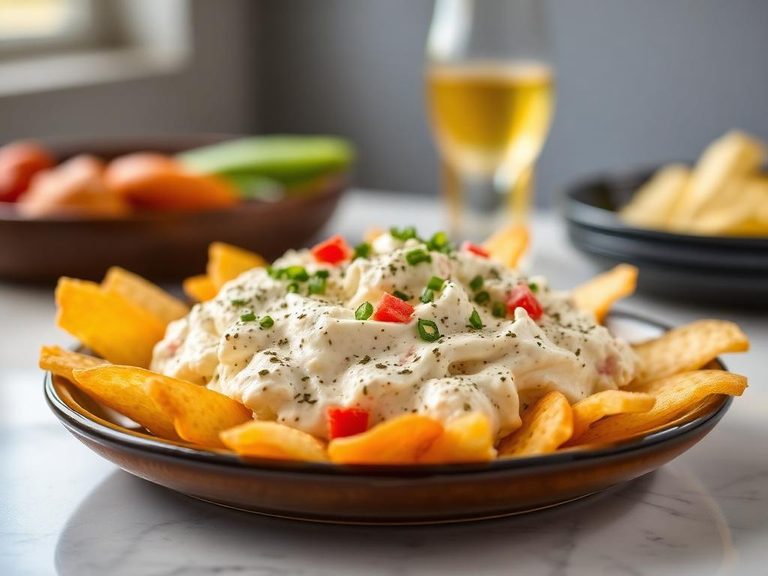
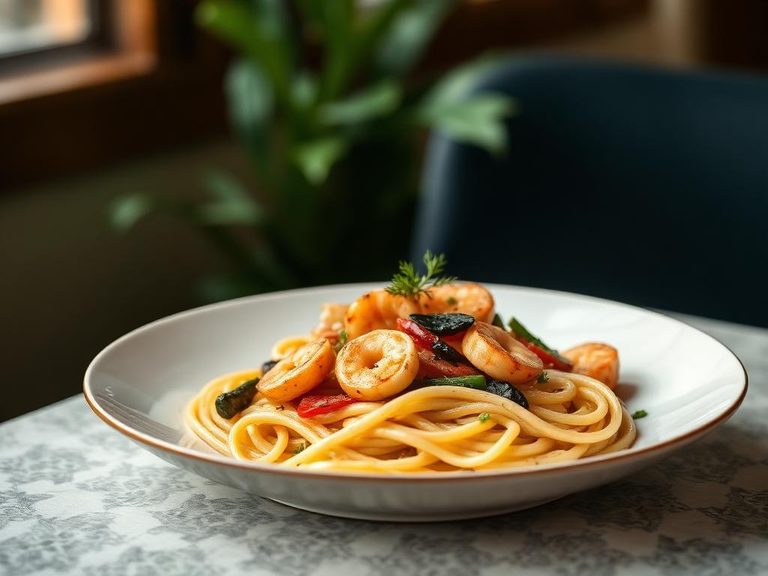
🍽️ Popular dishes
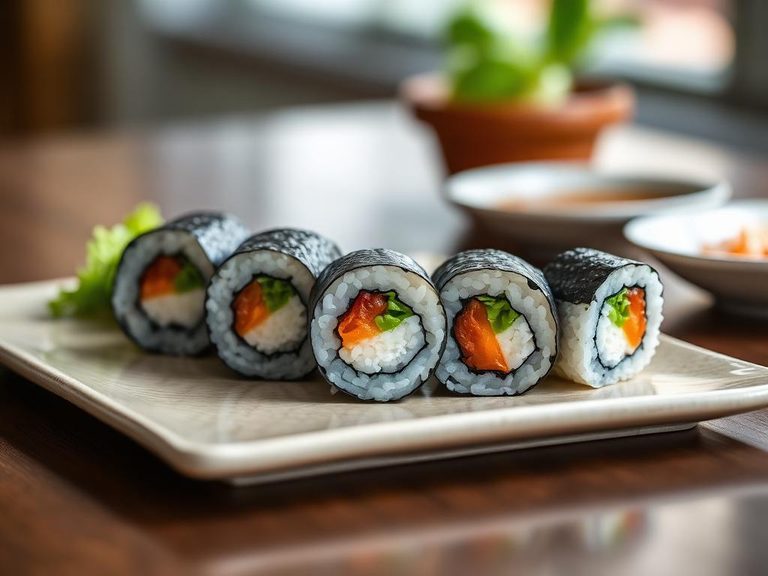
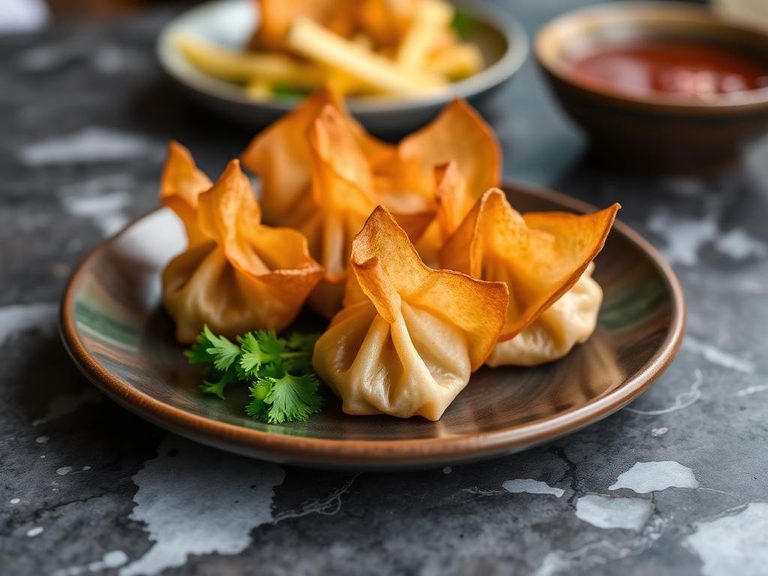
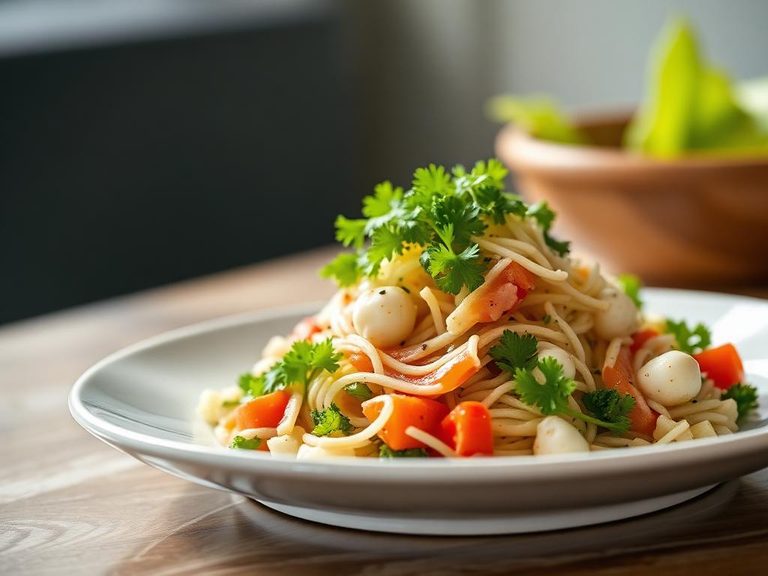
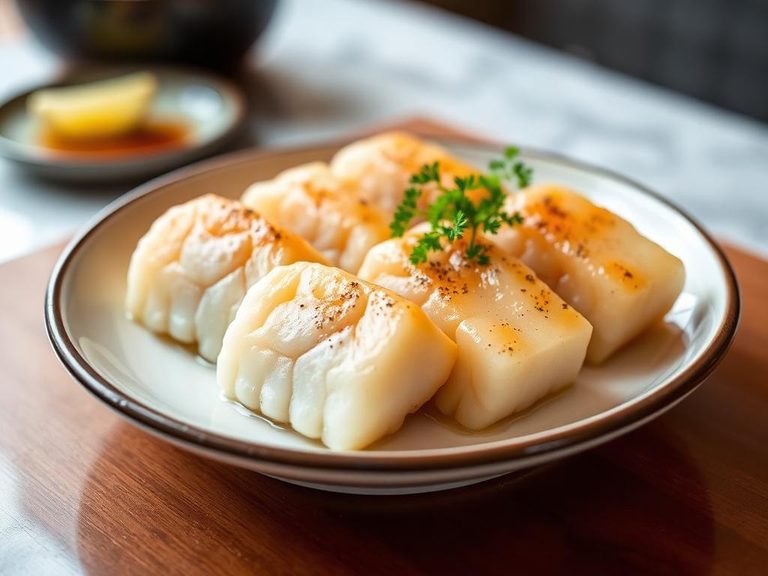
🌍 Where it's eaten
💡 Did you know?
The primary fish used for surimi is Alaskan pollock, and the process of making it was perfected in Japan in the 1960s to create a more stable and affordable version of traditional kamaboko (fish cake).
Full nutrition (USDA data · scales with serving)
| Water | 76.3 g |
| Energy | 99.0 kcal |
| Energy | 414 kj |
| Protein | 15.2 g |
| Total lipid (fat) | 0.90 g |
| Ash | 0.72 g |
| Carbohydrate, by difference | 6.8 g |
| Fiber, total dietary | 0.00 g |
| Total Sugars | 0.00 g |
| Calcium, Ca | 9.0 mg |
| Iron, Fe | 0.26 mg |
| Magnesium, Mg | 43.0 mg |
| Phosphorus, P | 282 mg |
| Potassium, K | 112 mg |
| Sodium, Na | 143 mg |
| Zinc, Zn | 0.33 mg |
| Copper, Cu | 0.03 mg |
| Manganese, Mn | 0.01 mg |
| Selenium, Se | 28.1 ug |
| Vitamin C, total ascorbic acid | 0.00 mg |
| Thiamin | 0.02 mg |
| Riboflavin | 0.02 mg |
| Niacin | 0.22 mg |
| Pantothenic acid | 0.07 mg |
| Vitamin B-6 | 0.03 mg |
| Folate, total | 2.0 ug |
| Folic acid | 0.00 ug |
| Folate, food | 2.0 ug |
| Folate, DFE | 2.0 ug |
| Vitamin B-12 | 1.6 ug |
| Vitamin A, RAE | 20.0 ug |
| Retinol | 20.0 ug |
| Carotene, beta | 0.00 ug |
| Carotene, alpha | 0.00 ug |
| Cryptoxanthin, beta | 0.00 ug |
| Vitamin A, IU | 67.0 iu |
| Lycopene | 0.00 ug |
| Lutein + zeaxanthin | 0.00 ug |
| Vitamin E (alpha-tocopherol) | 0.63 mg |
| Vitamin K (phylloquinone) | 0.10 ug |
| Alcohol, ethyl | 0.00 g |
| Caffeine | 0.00 mg |
| Theobromine | 0.00 mg |
Fat & fatty acid profile (per 100g)
| Fatty acids, total saturated | 0.19 g |
| SFA 4:0 | 0.00 g |
| SFA 6:0 | 0.00 g |
| SFA 8:0 | 0.00 g |
| SFA 10:0 | 0.00 g |
| SFA 12:0 | 0.00 g |
| SFA 14:0 | 0.01 g |
| SFA 16:0 | 0.15 g |
| SFA 18:0 | 0.03 g |
| Fatty acids, total monounsaturated | 0.15 g |
| MUFA 16:1 | 0.02 g |
| MUFA 18:1 | 0.11 g |
| MUFA 20:1 | 0.02 g |
| MUFA 22:1 | 0.01 g |
| Fatty acids, total polyunsaturated | 0.44 g |
| PUFA 18:2 | 0.01 g |
| PUFA 18:3 | 0.01 g |
| PUFA 18:4 | 0.00 g |
| PUFA 20:4 | 0.01 g |
| PUFA 20:5 n-3 (EPA) | 0.16 g |
| PUFA 22:5 n-3 (DPA) | 0.01 g |
| PUFA 22:6 n-3 (DHA) | 0.24 g |
| Cholesterol | 30.0 mg |
Amino acid profile (per 100g)
| Tryptophan | 0.09 g |
| Threonine | 0.73 g |
| Isoleucine | 0.71 g |
| Leucine | 1.2 g |
| Lysine | 1.4 g |
| Methionine | 0.52 g |
| Cystine | 0.16 g |
| Phenylalanine | 0.59 g |
| Tyrosine | 0.61 g |
| Valine | 0.77 g |
| Arginine | 1.0 g |
| Histidine | 0.35 g |
| Alanine | 0.89 g |
| Aspartic acid | 1.5 g |
| Glutamic acid | 2.4 g |
| Glycine | 0.59 g |
| Proline | 0.57 g |
| Serine | 0.66 g |
FAQ
Is surimi the same as real crab meat?
No. Surimi is a processed fish paste made from whitefish (like pollock) that is flavored and shaped to resemble crab meat. It mimics the taste and texture but is a distinct, more affordable product.
Is surimi healthy?
Surimi is a good source of lean protein and is low in fat and calories. However, it is processed and can be high in sodium and contain added starches and sugars. It's best enjoyed as part of a balanced diet.
How should I store surimi?
Keep unopened surimi in the refrigerator. Once opened, wrap it tightly in plastic wrap or place it in an airtight container and consume within 1-2 days. It can also be frozen for longer storage.
Nutrient density (calculated · NRF9.3)
Nutrient Rich Foods index: beneficial nutrients (protein, fiber, vitamins, minerals) minus saturated fat, added sugar & sodium, per 100 kcal.
NRF9.3 index — Fulgoni, Keast & Drewnowski, 2009. Computed from USDA nutrients.
Weight-loss friendliness (composite index)
Energy density 0.99 kcal/g · 61% calories from protein · 0.0 g fiber · 0.0 g sugar per 100 g.
Composite of energy density (Rolls et al., 1999), protein & fiber satiety, minus sugar. A calculated heuristic — ranks satiety-per-calorie, not a clinical measure.
Dietary load (calculated from USDA values)
Potential renal acid load. Positive = acid-forming, negative = alkaline-forming.
Sodium-to-potassium ratio: 1.28 (lower is better — aim for ≤ 1)
Sodium:potassium per WHO potassium guidance. Computed from USDA nutrients.