

Fish Cake
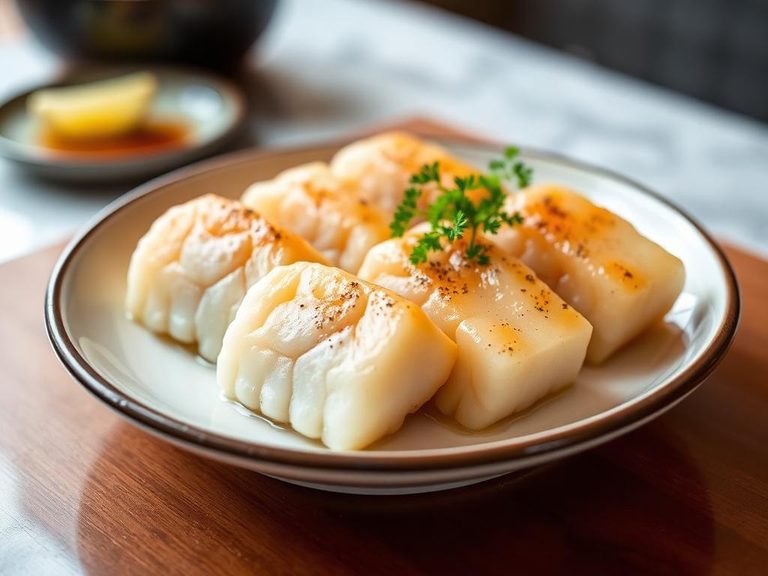
Kamaboko is a traditional Japanese fish cake made from a paste of white fish, such as pollock or cod, which is pureed, seasoned, and steamed. It typically features a smooth, elastic texture and is often presented in distinctive red and white semi-circular slices. This processed seafood product is a staple in Japanese cuisine, frequently used as a garnish in noodle soups, simmered dishes, and festive meals.
🍽️ Nutrition at a glance
Kamaboko is a high-protein, low-fat food that is generally low in carbohydrates, making it a lean source of nutrition. A standard serving provides essential nutrients like protein and vitamin B12, with a rough calorie count of approximately 50-70 calories per 100 grams.
Nutrition breakdown
| Calories | 90 kcal |
| Protein | 12 g |
| Carbs | 5 g |
| Fat | 2.5 g |
| Fiber | 0.5 g |
| Sugar | 2 g |
| Phosphorus | 150 mg |
| Potassium | 120 mg |
| Selenium | 25 µg |
| Niacin (B3) | 1.5 mg |
| Vitamin B12 | 0.8 µg |
| Iron | 0.8 mg |
| Magnesium | 20 mg |
| Zinc | 0.6 mg |
Per 3 slices (100 g) · estimated, varies by recipe
💡 What's interesting
Kamaboko is culturally significant in Japan, where its red and white colors are considered auspicious and are often served during New Year celebrations (Osechi-ryori) to symbolize good fortune. Nutritionally, it is unique for its high protein content combined with a very low fat profile, often serving as a healthy, low-calorie protein option in various dishes.
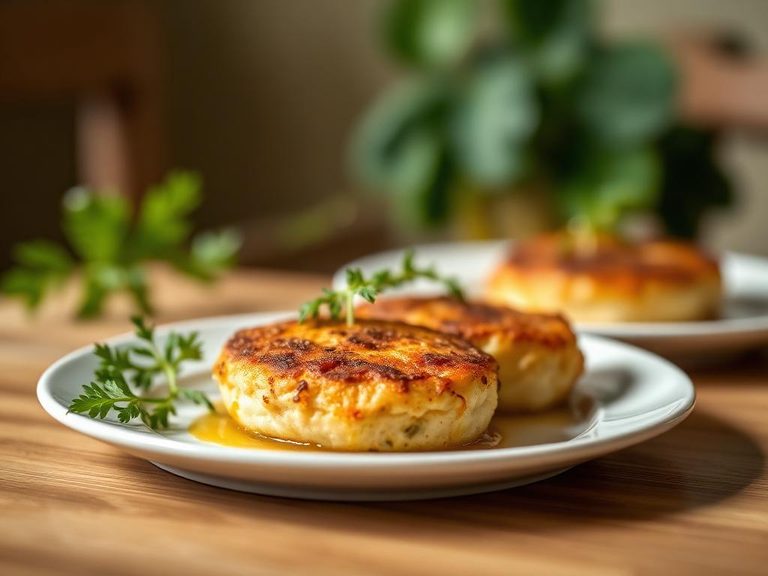
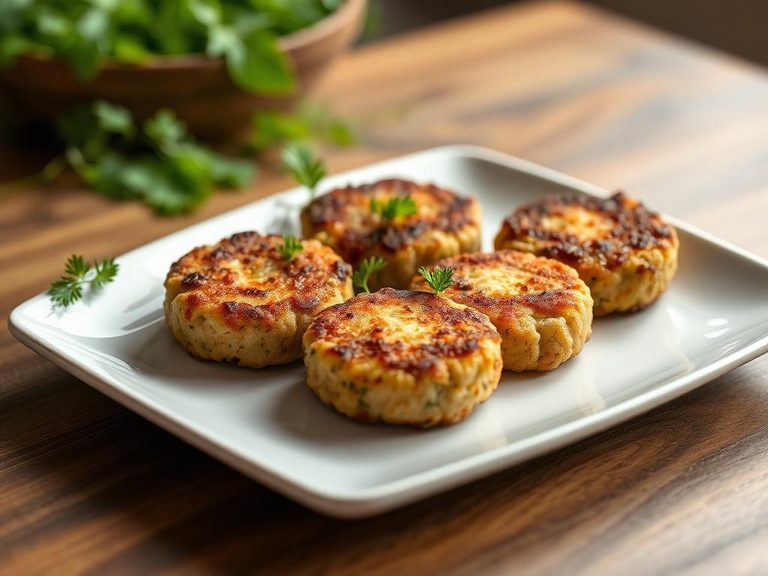
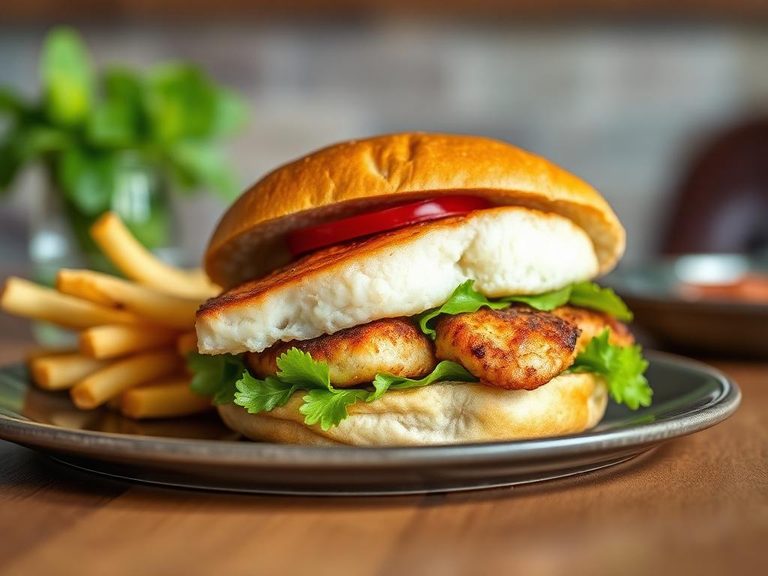
🍽️ Related dishes

AI estimate may be inaccurate · Terms