Fish Cakes or Fish Burgers
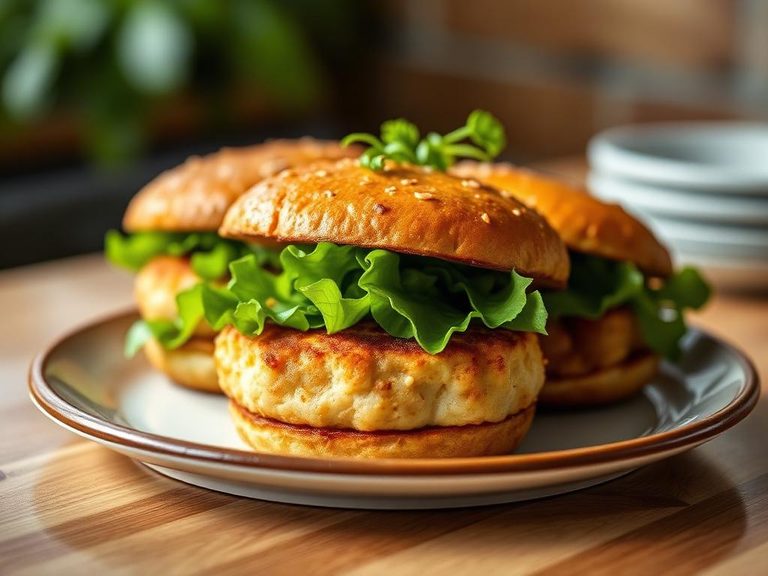
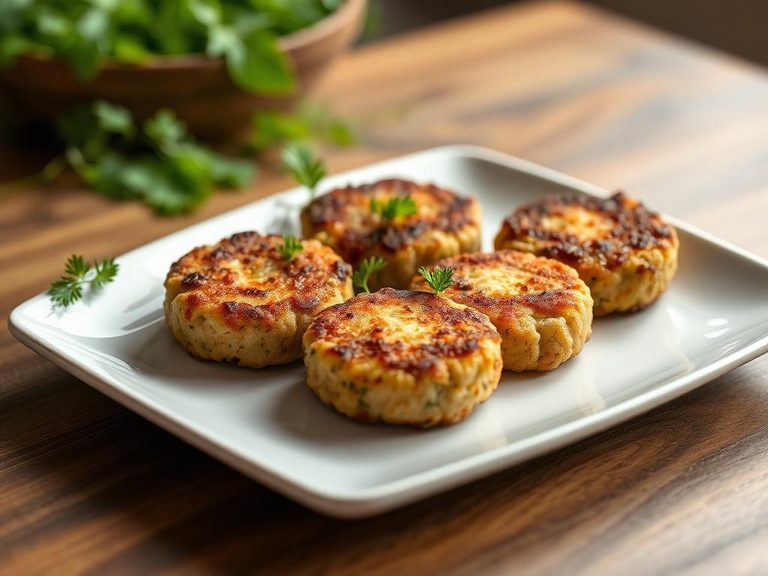
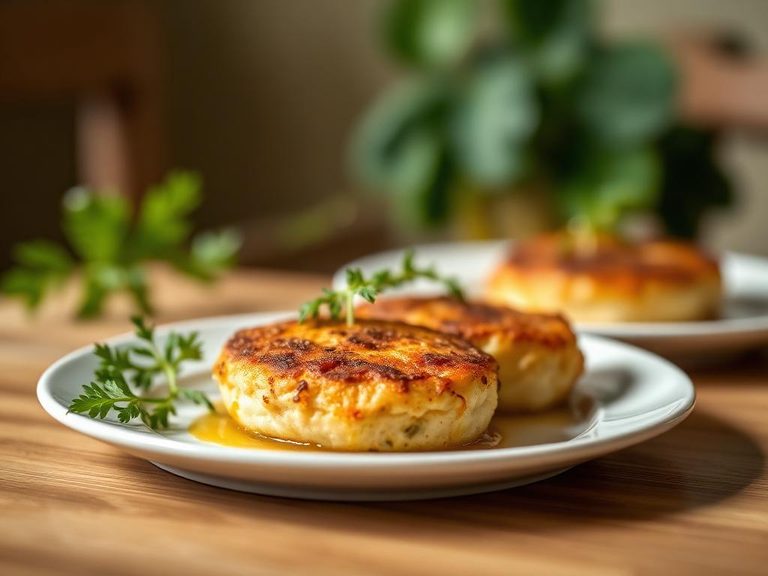
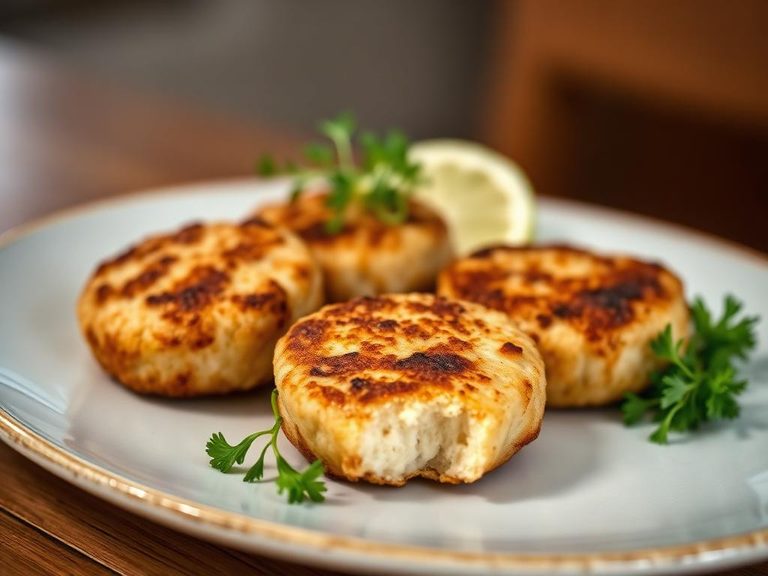
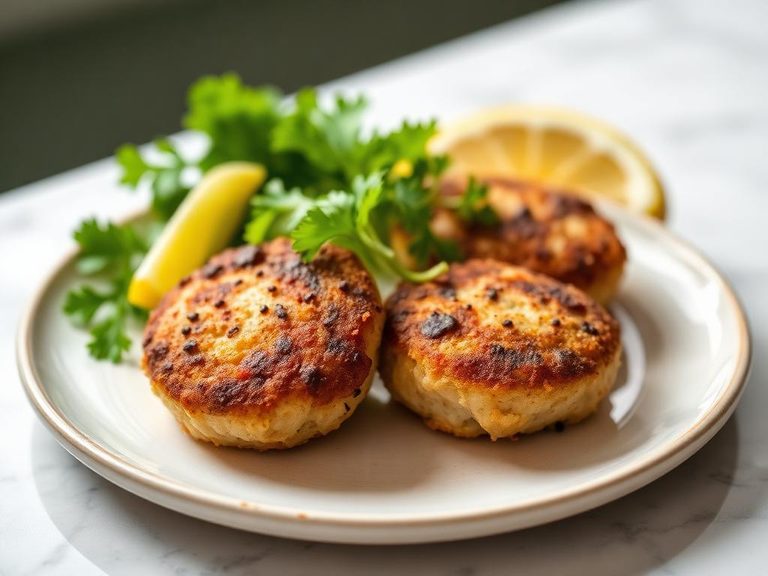
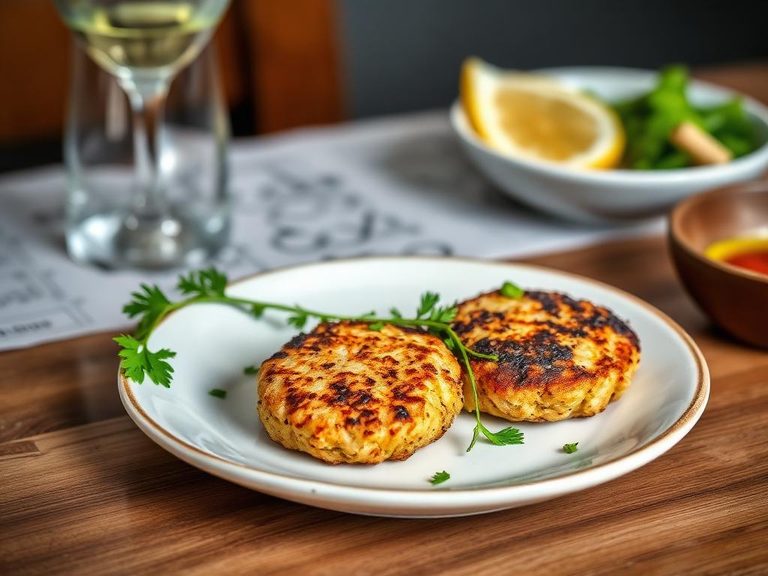
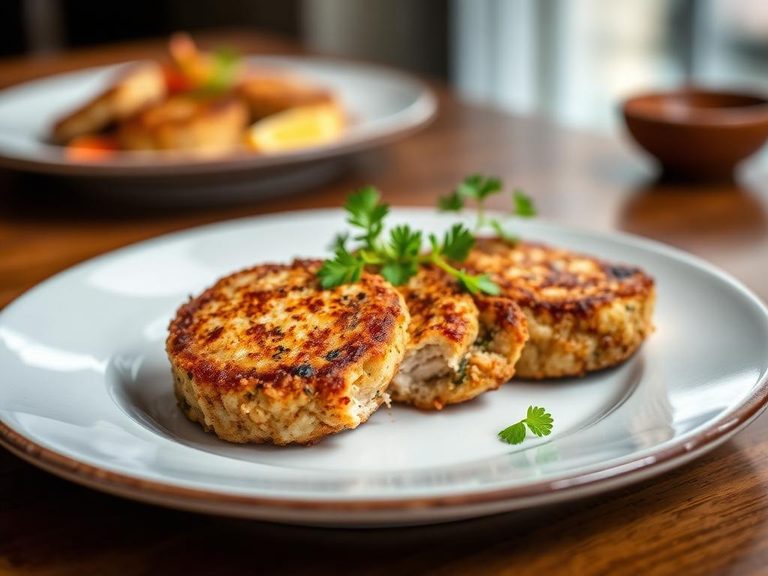
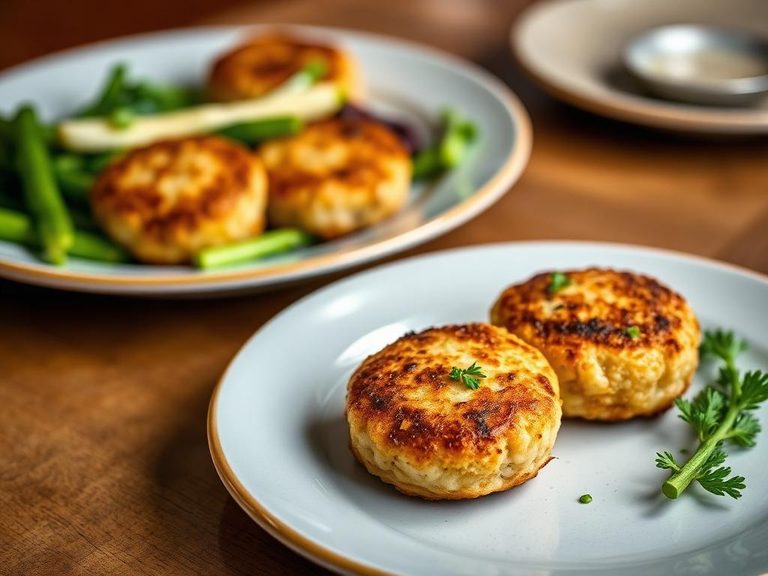
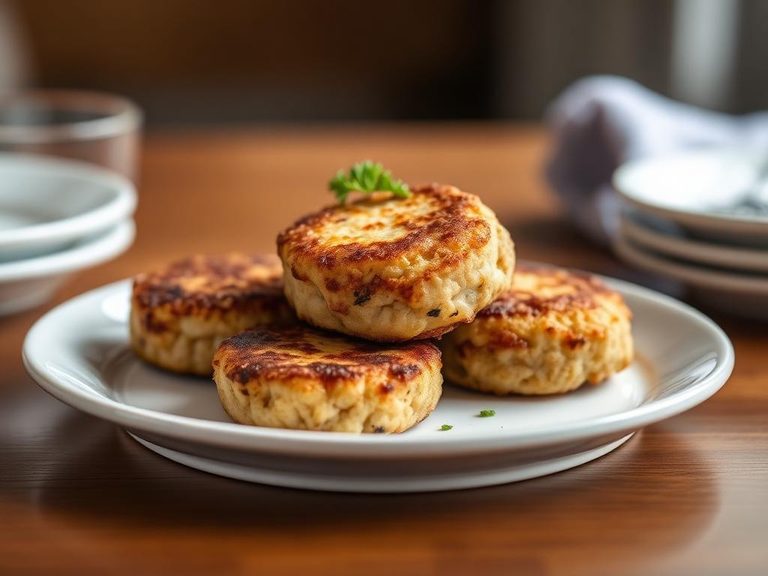
Fish cakes or fish burgers are savory patties made from minced or flaked fish, often mixed with binders like breadcrumbs, eggs, and seasonings, then pan-fried or deep-fried until golden. They are a popular comfort food found in many cuisines worldwide, from British fish cakes to Japanese kamaboko-inspired versions and Scandinavian fiskekaker.
🍽️ Nutrition at a glance
These dishes are typically high in protein from the fish, moderate in fat depending on preparation method, and can be a good source of omega-3 fatty acids if made with oily fish like salmon or mackerel. A standard serving usually ranges from 200 to 350 calories, depending on size and cooking method.
Nutrition breakdown
| Calories | 230 kcal |
| Protein | 15 g |
| Carbs | 18 g |
| Fat | 10 g |
| Fiber | 1 g |
| Sugar | 2 g |
| Sodium | 480 mg |
| Vitamin B12 | 2.5 mcg |
| Phosphorus | 180 mg |
| Selenium | 28 mcg |
| Niacin (B3) | 3.5 mg |
| Vitamin D | 1.5 mcg |
| Iron | 1.2 mg |
| Calcium | 45 mg |
| Potassium | 250 mg |
Per 1 fish cake/burger (113 g) · estimated, varies by recipe
💡 What's interesting
Culturally, fish cakes represent a practical way to use leftover or less expensive fish, making them a staple in coastal communities. Nutritionally, they can be a convenient way to incorporate seafood into diets, especially for those who might not enjoy whole fish textures.