

Fish, haddock, steamed
Common food

Photo: Wikipedia
Steamed haddock is a delicate, lean white fish with a mild, slightly sweet flavor and a flaky, tender texture that practically melts on the tongue. It is exceptionally high in protein while being virtually fat- and carb-free, making it a powerhouse for clean, high-protein eating. The gentle steaming method preserves its natural moisture and subtle marine notes without adding any extra calories.
Calorie split: 94% protein · 0% carbs · 6% fat
↓ Full nutrition💚 Why it's loved
People love steamed haddock for its clean, non-fishy taste and its incredible versatility—it pairs beautifully with everything from lemon and dill to a simple butter sauce. Its mild flavor makes it a favorite for those who are often wary of stronger fish, and it's a staple in traditional comfort dishes across Northern Europe.
⚠️ Watch-outs & how to enjoy it better
The main downside is its potential to be bland or dry if overcooked, which can make it unappealing to some. As a common fish allergen, it should be avoided by those with fish or shellfish sensitivities. To counteract dryness, steam it for a shorter time (just until it flakes easily) and serve with a flavorful sauce, like a lemon-butter or herb vinaigrette, to add moisture and taste without significant calories.
Key benefits
- Extremely high in lean protein for muscle maintenance and satiety.
- Virtually fat-free and carbohydrate-free, ideal for low-calorie diets.
- Rich in B vitamins, particularly B12, which supports nerve function.
- Good source of selenium, an antioxidant mineral that supports immune health.
- Steaming preserves nutrients better than frying or boiling.
🍽️ Popular dishes
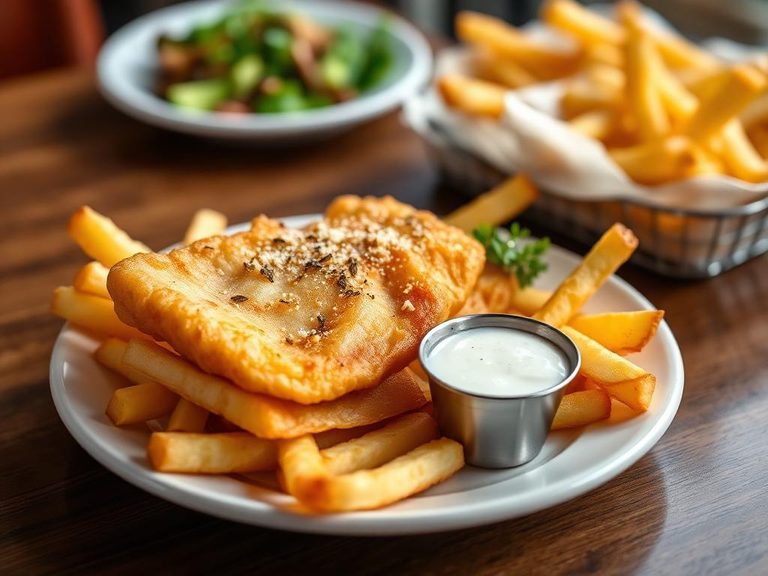 Fish and chips (traditionally battered and fried, but steamed is a lighter alternative)
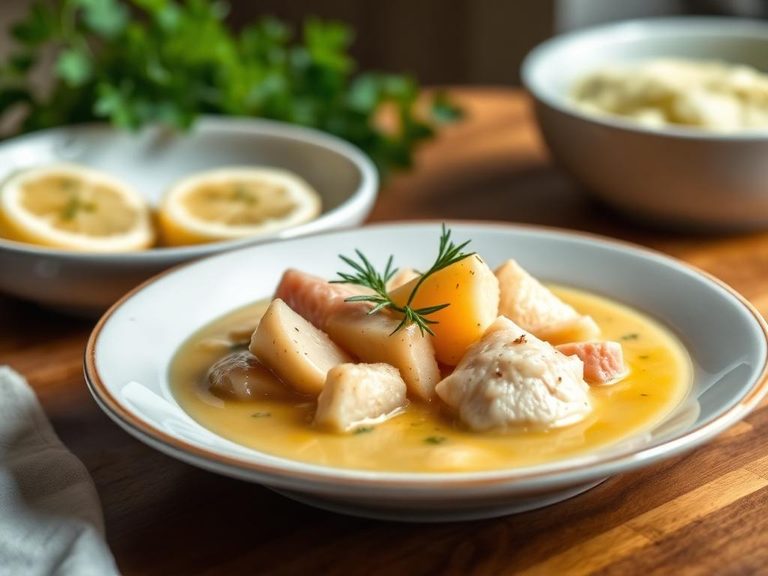 Cullen skink (a Scottish soup with smoked haddock, potatoes, and onions)
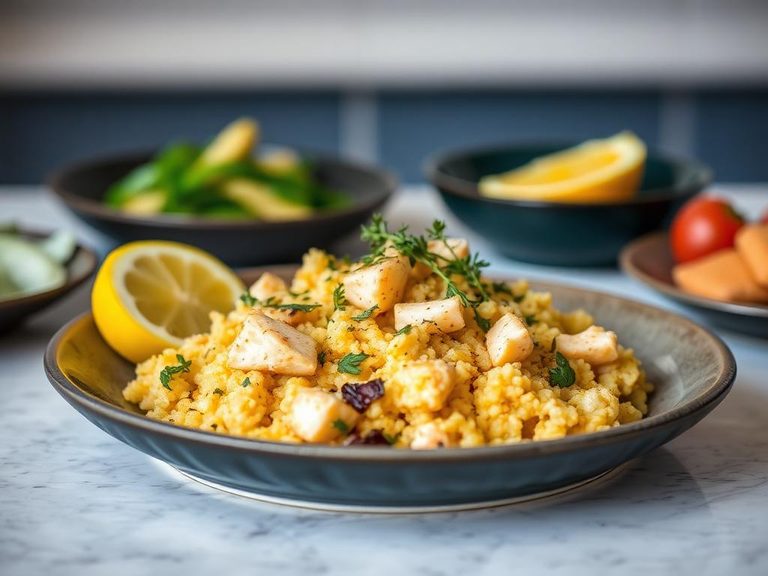 Haddock kedgeree (a British-Indian dish with rice, eggs, and spices)
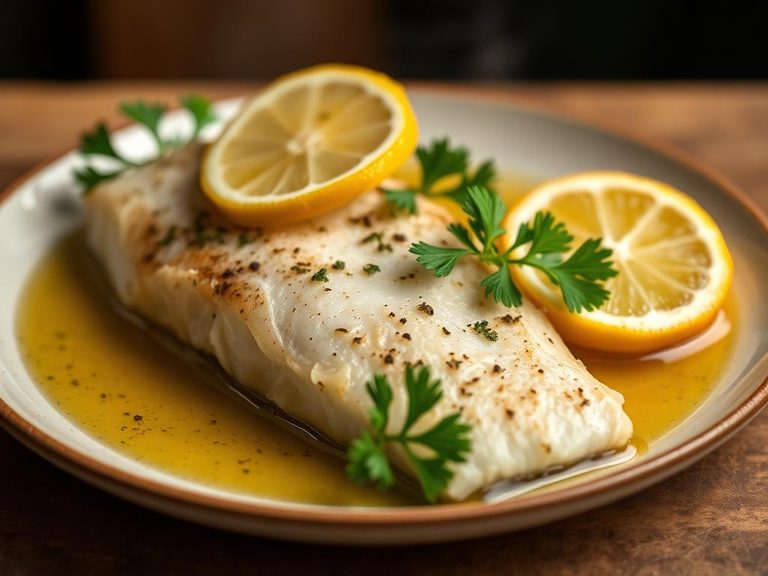 Steamed haddock with lemon and parsley
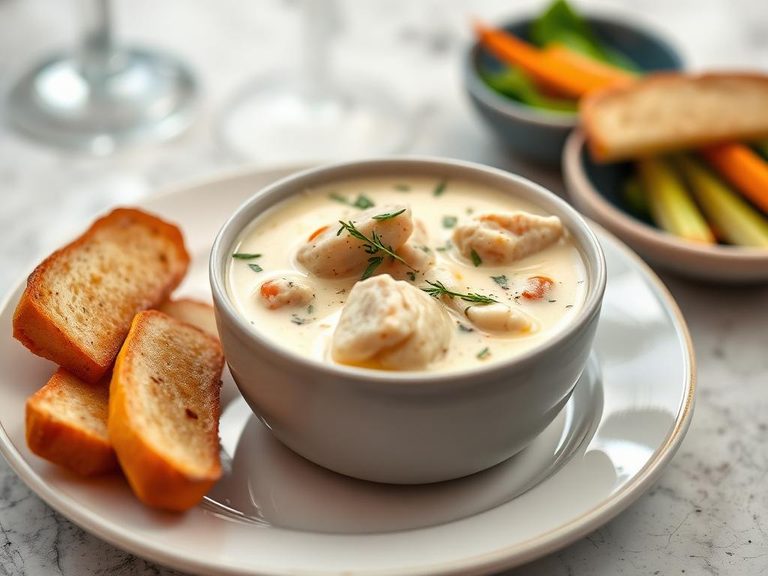 Haddock chowder (a creamy New England-style soup)
 Bacalhau à Brás (a Portuguese dish with shredded salt cod, eggs, and potatoes)
🌍 Where it's eaten
💡 Did you know?
Haddock is one of the few fish that can be legally sold as 'cod' in some markets, and its distinctive black line along the side is said to be a thumbprint left by St. Peter.
Full nutrition (USDA data · scales with serving)
| Water | 78.8 g |
| Energy | 87.0 kcal |
| Protein | 20.6 g |
| Total lipid (fat) | 0.57 g |
| Carbohydrate, by difference | 0.00 g |
| Fiber, total dietary | 0.00 g |
| Total Sugars | 0.00 g |
| Calcium, Ca | 14.0 mg |
| Iron, Fe | 0.22 mg |
| Magnesium, Mg | 27.0 mg |
| Phosphorus, P | 287 mg |
| Potassium, K | 361 mg |
| Sodium, Na | 184 mg |
| Zinc, Zn | 0.40 mg |
| Copper, Cu | 0.03 mg |
| Selenium, Se | 32.7 ug |
| Vitamin C, total ascorbic acid | 0.00 mg |
| Thiamin | 0.02 mg |
| Riboflavin | 0.07 mg |
| Niacin | 4.2 mg |
| Vitamin B-6 | 0.32 mg |
| Folate, total | 14.0 ug |
| Folic acid | 0.00 ug |
| Folate, food | 14.0 ug |
| Folate, DFE | 14.0 ug |
| Choline, total | 82.1 mg |
| Vitamin B-12 | 2.1 ug |
| Vitamin B-12, added | 0.00 ug |
| Vitamin A, RAE | 18.0 ug |
| Retinol | 18.0 ug |
| Carotene, beta | 0.00 ug |
| Carotene, alpha | 0.00 ug |
| Cryptoxanthin, beta | 0.00 ug |
| Lycopene | 0.00 ug |
| Lutein + zeaxanthin | 0.00 ug |
| Vitamin E (alpha-tocopherol) | 0.57 mg |
| Vitamin E, added | 0.00 mg |
| Vitamin D (D2 + D3) | 0.60 ug |
| Vitamin K (phylloquinone) | 0.10 ug |
| Alcohol, ethyl | 0.00 g |
| Caffeine | 0.00 mg |
| Theobromine | 0.00 mg |
Fat & fatty acid profile (per 100g)
| Fatty acids, total saturated | 0.12 g |
| SFA 4:0 | 0.00 g |
| SFA 6:0 | 0.00 g |
| SFA 8:0 | 0.00 g |
| SFA 10:0 | 0.00 g |
| SFA 12:0 | 0.00 g |
| SFA 14:0 | 0.01 g |
| SFA 16:0 | 0.08 g |
| SFA 18:0 | 0.03 g |
| Fatty acids, total monounsaturated | 0.07 g |
| MUFA 16:1 | 0.01 g |
| MUFA 18:1 | 0.05 g |
| MUFA 20:1 | 0.01 g |
| MUFA 22:1 | 0.00 g |
| Fatty acids, total polyunsaturated | 0.21 g |
| PUFA 18:2 | 0.02 g |
| PUFA 18:3 | 0.00 g |
| PUFA 18:4 | 0.00 g |
| PUFA 20:4 | 0.01 g |
| PUFA 20:5 n-3 (EPA) | 0.05 g |
| PUFA 22:5 n-3 (DPA) | 0.01 g |
| PUFA 22:6 n-3 (DHA) | 0.11 g |
| Cholesterol | 68.0 mg |
Amino acid profile (per 100g)
Estimated from Fish, fish sticks, frozen, prepared — USDA does not publish this profile for Fish.
| Tryptophan | 0.12 g |
| Threonine | 0.37 g |
| Isoleucine | 0.43 g |
| Leucine | 0.85 g |
| Lysine | 0.80 g |
| Methionine | 0.30 g |
| Phenylalanine | 0.47 g |
| Tyrosine | 0.29 g |
| Valine | 0.50 g |
| Arginine | 0.59 g |
| Histidine | 0.23 g |
| Alanine | 0.55 g |
| Aspartic acid | 0.82 g |
| Glutamic acid | 2.3 g |
| Glycine | 0.47 g |
| Proline | 0.78 g |
| Serine | 0.49 g |
| Hydroxyproline | 0.00 g |
FAQ
How do I know when steamed haddock is done?
The fish is done when it is opaque and flakes easily with a fork, typically after 8-10 minutes of steaming depending on thickness. It should reach an internal temperature of 145°F (63°C).
Can I use frozen haddock for steaming?
Yes, but it's best to thaw it first for even cooking. Pat it dry before steaming to prevent excess moisture from making the texture mushy.
Is steamed haddock suitable for a low-sodium diet?
Yes, plain steamed haddock is naturally very low in sodium. However, be cautious with added sauces or seasonings that may contain salt.
Nutrient density (calculated · NRF9.3)
Nutrient Rich Foods index: beneficial nutrients (protein, fiber, vitamins, minerals) minus saturated fat, added sugar & sodium, per 100 kcal.
NRF9.3 index — Fulgoni, Keast & Drewnowski, 2009. Computed from USDA nutrients.
Weight-loss friendliness (composite index)
Energy density 0.87 kcal/g · 95% calories from protein · 0.0 g fiber · 0.0 g sugar per 100 g.
Composite of energy density (Rolls et al., 1999), protein & fiber satiety, minus sugar. A calculated heuristic — ranks satiety-per-calorie, not a clinical measure.
Dietary load (calculated from USDA values)
Potential renal acid load. Positive = acid-forming, negative = alkaline-forming.
Sodium-to-potassium ratio: 0.51 (lower is better — aim for ≤ 1)
Sodium:potassium per WHO potassium guidance. Computed from USDA nutrients.