

Fish, haddock, NFS
Common food

Photo: Wikipedia
Haddock, a lean white fish from the cold North Atlantic, offers a delicate, slightly sweet flavor with a firm, flaky texture that holds up beautifully to various cooking methods. Nutritionally, it's a standout for its high-quality protein content, providing a substantial 14.31g per 100g, making it an excellent choice for muscle maintenance and satiety.
Calorie split: 26% protein · 22% carbs · 52% fat
↓ Full nutrition💚 Why it's loved
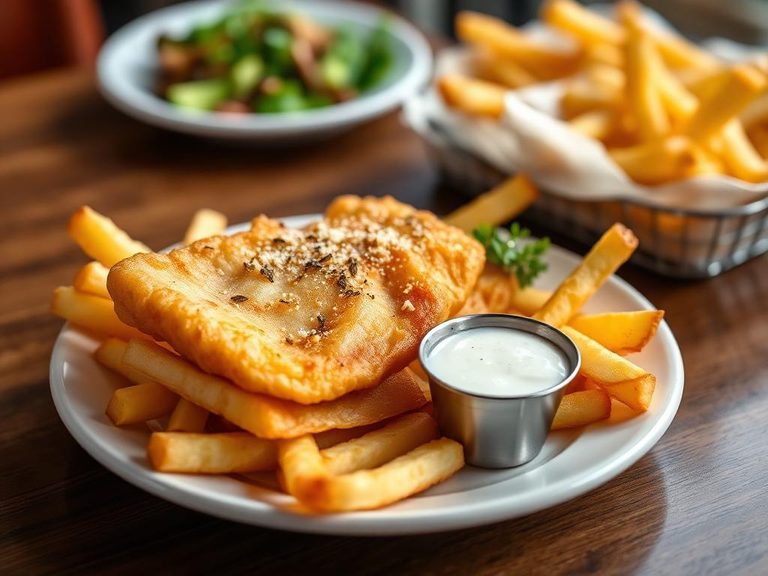
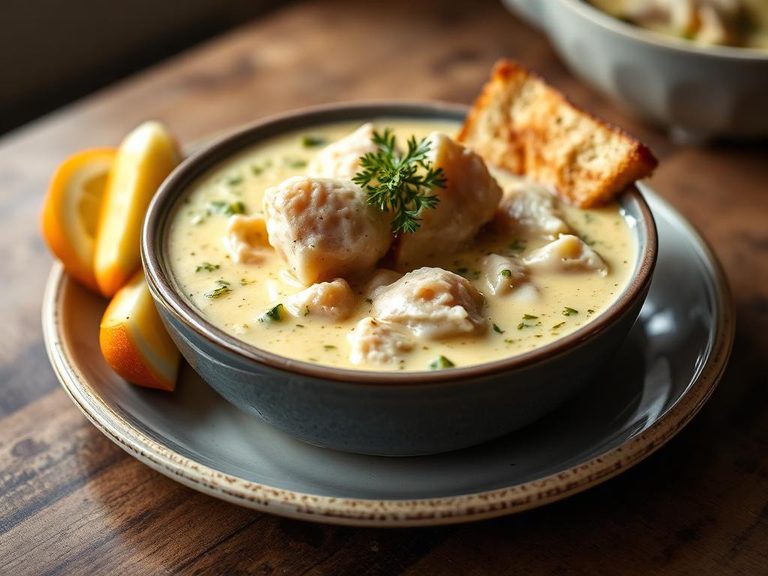
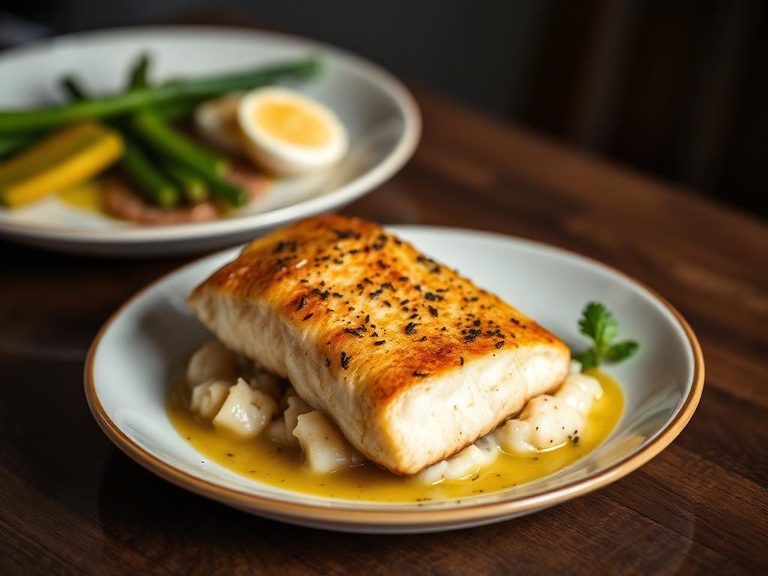
People adore haddock for its mild, non-fishy taste and satisfying, meaty texture, making it a versatile canvas for everything from simple pan-searing to hearty chowders. Its cultural staple status in British and New England cuisine, especially in classic fish and chips, cements its beloved, comforting appeal.
⚠️ Watch-outs & how to enjoy it better
While nutritious, haddock can be a common allergen for those sensitive to fish proteins. To mitigate this, ensure it's fully cooked to destroy potential parasites, and pair it with vitamin C-rich sides like lemon or tomatoes to enhance iron absorption. For those monitoring sodium, be mindful of preparation methods like smoking or brining.
Key benefits
- Excellent source of lean, complete protein
- Rich in essential minerals like selenium and phosphorus
- Low in carbohydrates and sugars
- Provides healthy omega-3 fatty acids
- Supports heart and brain health
🍽️ Popular dishes
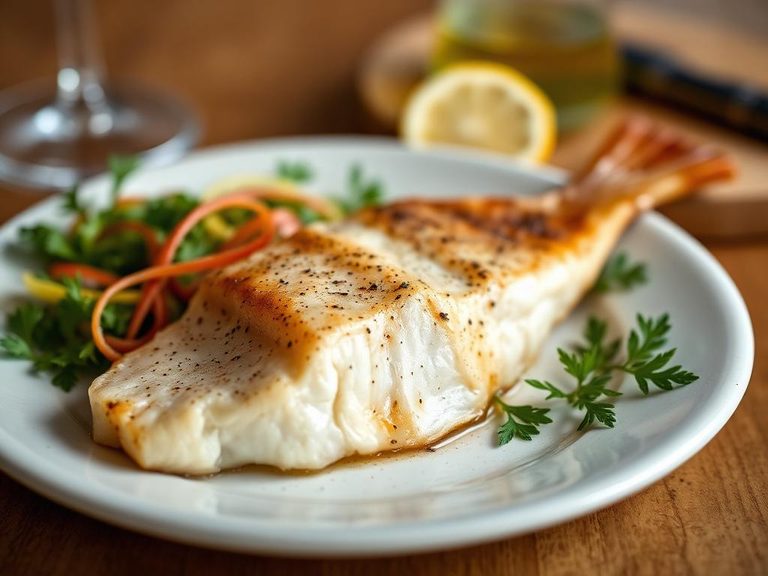
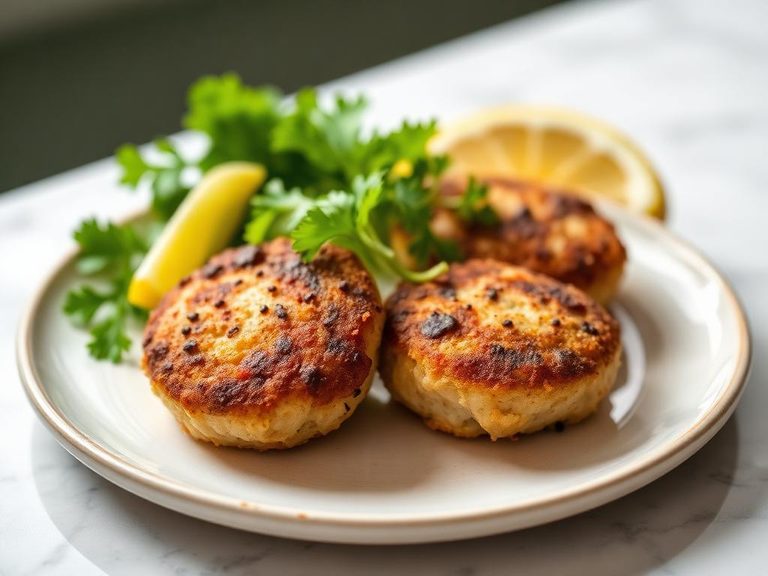
🌍 Where it's eaten
💡 Did you know?
Haddock is the traditional fish used in the classic British dish 'Finnan Haddie,' a smoked haddock chowder that originated in the fishing village of Findon (Finnan), Scotland.
Full nutrition (USDA data · scales with serving)
| Water | 60.5 g |
| Energy | 217 kcal |
| Protein | 14.3 g |
| Total lipid (fat) | 12.5 g |
| Carbohydrate, by difference | 11.7 g |
| Fiber, total dietary | 0.50 g |
| Total Sugars | 0.20 g |
| Calcium, Ca | 23.0 mg |
| Iron, Fe | 1.0 mg |
| Magnesium, Mg | 21.0 mg |
| Phosphorus, P | 196 mg |
| Potassium, K | 242 mg |
| Sodium, Na | 395 mg |
| Zinc, Zn | 0.39 mg |
| Copper, Cu | 0.04 mg |
| Selenium, Se | 22.8 ug |
| Vitamin C, total ascorbic acid | 0.00 mg |
| Thiamin | 0.16 mg |
| Riboflavin | 0.11 mg |
| Niacin | 3.6 mg |
| Vitamin B-6 | 0.20 mg |
| Folate, total | 32.0 ug |
| Folic acid | 20.0 ug |
| Folate, food | 13.0 ug |
| Folate, DFE | 46.0 ug |
| Choline, total | 56.3 mg |
| Vitamin B-12 | 1.3 ug |
| Vitamin B-12, added | 0.00 ug |
| Vitamin A, RAE | 14.0 ug |
| Retinol | 14.0 ug |
| Carotene, beta | 0.00 ug |
| Carotene, alpha | 0.00 ug |
| Cryptoxanthin, beta | 0.00 ug |
| Lycopene | 0.00 ug |
| Lutein + zeaxanthin | 10.0 ug |
| Vitamin E (alpha-tocopherol) | 2.6 mg |
| Vitamin E, added | 0.00 mg |
| Vitamin D (D2 + D3) | 0.40 ug |
| Vitamin K (phylloquinone) | 12.0 ug |
| Alcohol, ethyl | 0.00 g |
| Caffeine | 0.00 mg |
| Theobromine | 0.00 mg |
Fat & fatty acid profile (per 100g)
| Fatty acids, total saturated | 1.7 g |
| SFA 4:0 | 0.00 g |
| SFA 6:0 | 0.00 g |
| SFA 8:0 | 0.00 g |
| SFA 10:0 | 0.00 g |
| SFA 12:0 | 0.00 g |
| SFA 14:0 | 0.01 g |
| SFA 16:0 | 1.2 g |
| SFA 18:0 | 0.38 g |
| Fatty acids, total monounsaturated | 5.1 g |
| MUFA 16:1 | 0.05 g |
| MUFA 18:1 | 4.9 g |
| MUFA 20:1 | 0.08 g |
| MUFA 22:1 | 0.00 g |
| Fatty acids, total polyunsaturated | 4.7 g |
| PUFA 18:2 | 4.1 g |
| PUFA 18:3 | 0.52 g |
| PUFA 18:4 | 0.00 g |
| PUFA 20:4 | 0.01 g |
| PUFA 20:5 n-3 (EPA) | 0.03 g |
| PUFA 22:5 n-3 (DPA) | 0.00 g |
| PUFA 22:6 n-3 (DHA) | 0.07 g |
| Cholesterol | 47.0 mg |
Amino acid profile (per 100g)
Estimated from Fish, fish sticks, frozen, prepared — USDA does not publish this profile for Fish.
| Tryptophan | 0.12 g |
| Threonine | 0.37 g |
| Isoleucine | 0.43 g |
| Leucine | 0.85 g |
| Lysine | 0.80 g |
| Methionine | 0.30 g |
| Phenylalanine | 0.47 g |
| Tyrosine | 0.29 g |
| Valine | 0.50 g |
| Arginine | 0.59 g |
| Histidine | 0.23 g |
| Alanine | 0.55 g |
| Aspartic acid | 0.82 g |
| Glutamic acid | 2.3 g |
| Glycine | 0.47 g |
| Proline | 0.78 g |
| Serine | 0.49 g |
| Hydroxyproline | 0.00 g |
FAQ
How does haddock compare to cod?
Haddock is generally smaller, has a slightly sweeter flavor, and a firmer, less flaky texture than cod. It's often preferred for dishes where the fish needs to hold its shape well.
Is smoked haddock healthy?
Smoked haddock retains its high protein and nutrient content but is significantly higher in sodium due to the curing process. It's best enjoyed in moderation, especially by those watching their salt intake.
What's the best way to cook fresh haddock?
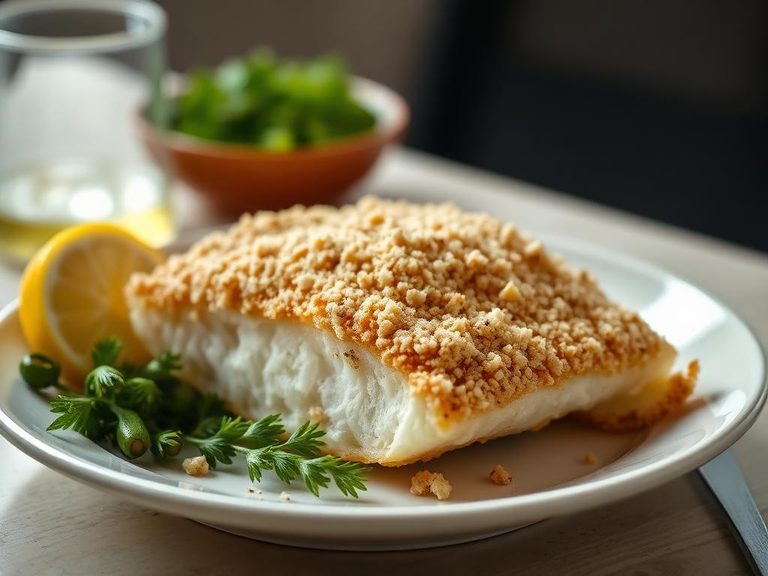
Haddock's mild flavor shines with gentle cooking. Baking, poaching, or pan-searing with a light coating of breadcrumbs or herbs are excellent methods to preserve its delicate taste and texture.
Nutrient density (calculated · NRF9.3)
Nutrient Rich Foods index: beneficial nutrients (protein, fiber, vitamins, minerals) minus saturated fat, added sugar & sodium, per 100 kcal.
NRF9.3 index — Fulgoni, Keast & Drewnowski, 2009. Computed from USDA nutrients.
Weight-loss friendliness (composite index)
Energy density 2.17 kcal/g · 26% calories from protein · 0.5 g fiber · 0.2 g sugar per 100 g.
Composite of energy density (Rolls et al., 1999), protein & fiber satiety, minus sugar. A calculated heuristic — ranks satiety-per-calorie, not a clinical measure.
Dietary load (calculated from USDA values)
Potential renal acid load. Positive = acid-forming, negative = alkaline-forming.
Sodium-to-potassium ratio: 1.63 (lower is better — aim for ≤ 1)
Sodium:potassium per WHO potassium guidance. Computed from USDA nutrients.