

Fish, haddock, baked or broiled
Common food

Photo: Wikipedia
Haddock, when baked or broiled, transforms into a flaky, mild-flavored white fish with a delicate, slightly sweet taste. This lean preparation method highlights its clean, oceanic flavor without adding heavy fats, resulting in a tender yet firm texture. It's a powerhouse of protein, offering over 20 grams per 100-gram serving with virtually no carbohydrates, making it an ideal choice for low-carb and high-protein diets.
Calorie split: 64% protein · 0% carbs · 36% fat
↓ Full nutrition💚 Why it's loved
People love baked or broiled haddock for its mild, non-fishy flavor that serves as a versatile canvas for herbs, spices, and sauces. Its quick cooking time and satisfying, flaky texture make it a weeknight staple and a comfort food in many coastal cultures, especially in New England and the UK.
⚠️ Watch-outs & how to enjoy it better
Some may find its mild flavor too subtle or bland if not seasoned well, and it can become dry if overcooked. As a common fish allergen, it should be avoided by those with fish allergies. To counteract dryness, avoid overcooking, baste with a little olive oil or lemon butter, and serve with a moistening sauce like tartar or a simple pan sauce.
Key benefits
- Excellent source of high-quality, lean protein (20.26g per 100g)
- Extremely low in carbohydrates and sugar (virtually zero)
- Very low in calories (126 kcal per 100g)
- Provides essential nutrients like selenium, vitamin B12, and phosphorus
- Naturally gluten-free and suitable for various dietary restrictions
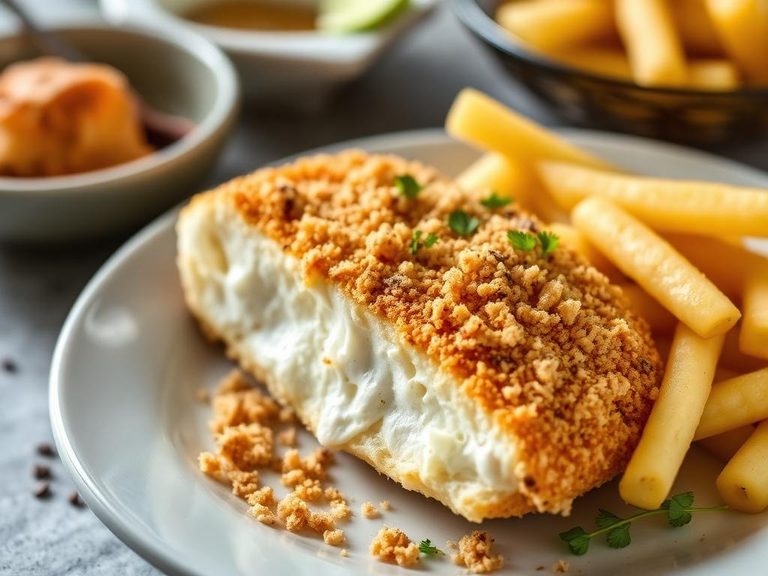
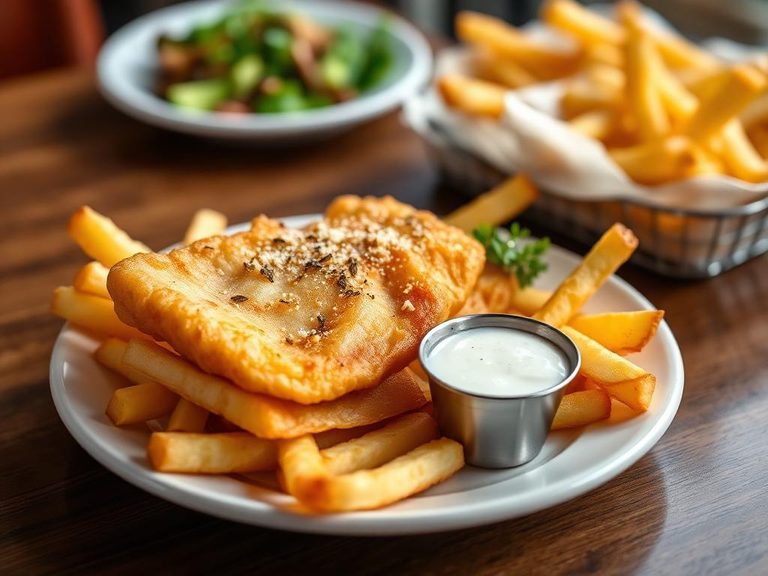
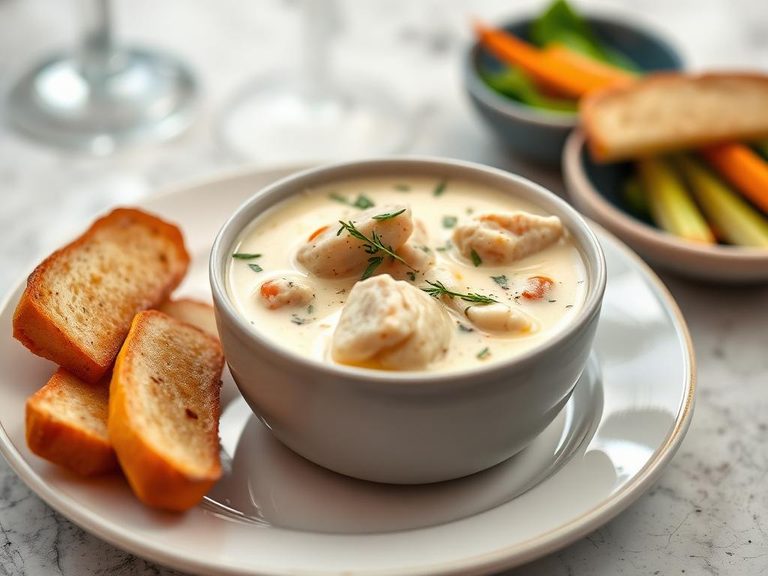
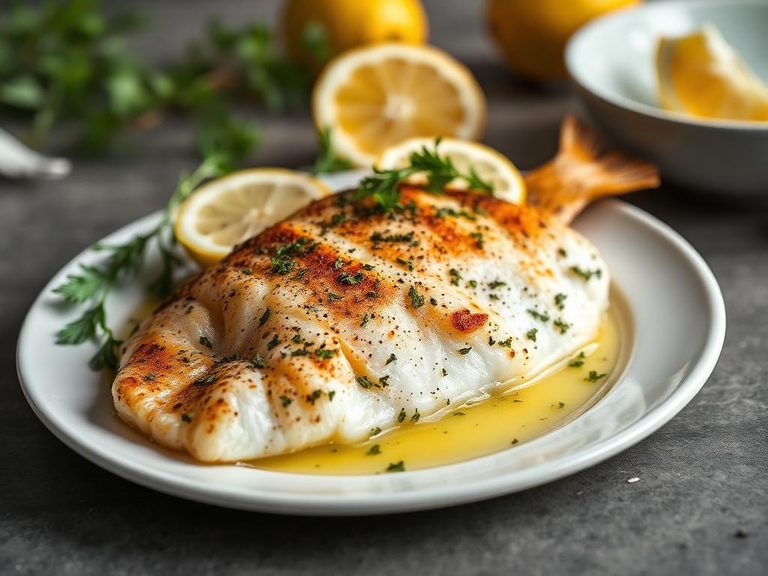
🍽️ Popular dishes
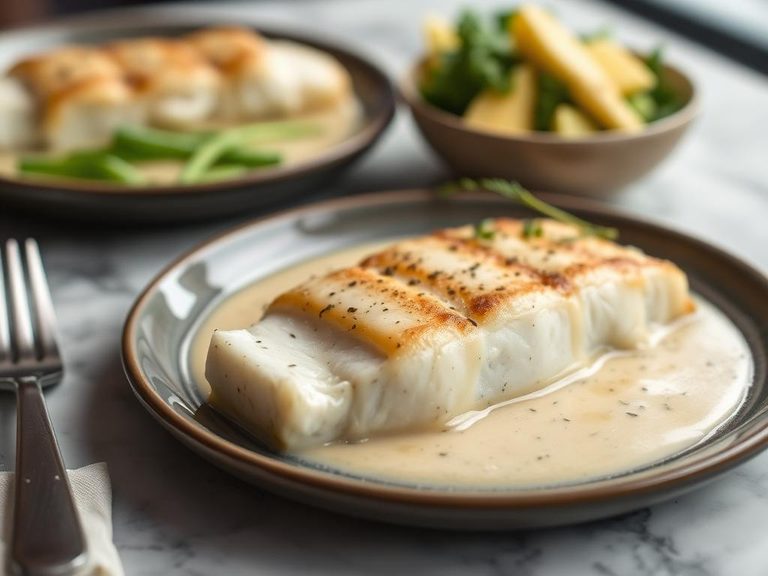
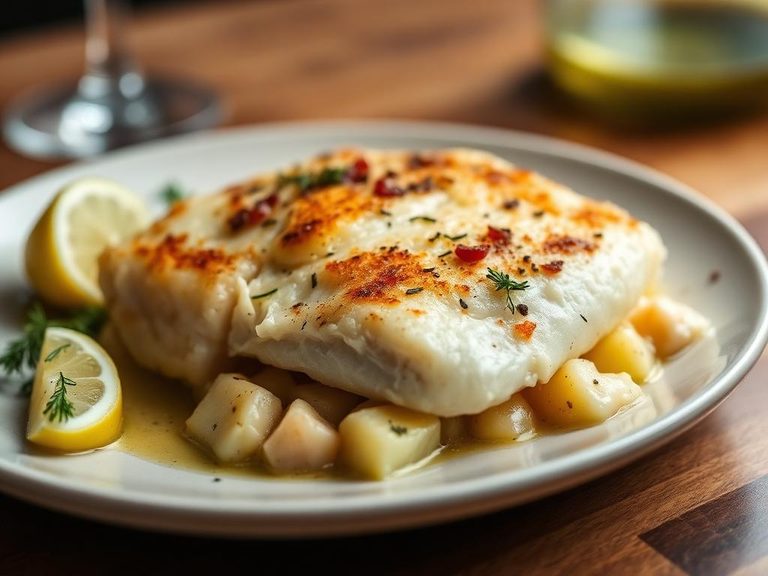
🌍 Where it's eaten
💡 Did you know?
Haddock is a close relative of the cod and is often called the 'poor man's cod,' but many chefs argue its sweeter, more delicate flavor makes it the superior choice for dishes like fish pie.
Full nutrition (USDA data · scales with serving)
| Water | 74.3 g |
| Energy | 126 kcal |
| Protein | 20.3 g |
| Total lipid (fat) | 5.1 g |
| Carbohydrate, by difference | 0.01 g |
| Fiber, total dietary | 0.00 g |
| Total Sugars | 0.01 g |
| Calcium, Ca | 14.0 mg |
| Iron, Fe | 0.22 mg |
| Magnesium, Mg | 26.0 mg |
| Phosphorus, P | 282 mg |
| Potassium, K | 356 mg |
| Sodium, Na | 300 mg |
| Zinc, Zn | 0.40 mg |
| Copper, Cu | 0.03 mg |
| Selenium, Se | 32.2 ug |
| Vitamin C, total ascorbic acid | 0.00 mg |
| Thiamin | 0.02 mg |
| Riboflavin | 0.07 mg |
| Niacin | 4.2 mg |
| Vitamin B-6 | 0.34 mg |
| Folate, total | 13.0 ug |
| Folic acid | 0.00 ug |
| Folate, food | 13.0 ug |
| Folate, DFE | 13.0 ug |
| Choline, total | 81.1 mg |
| Vitamin B-12 | 2.0 ug |
| Vitamin B-12, added | 0.00 ug |
| Vitamin A, RAE | 38.0 ug |
| Retinol | 37.0 ug |
| Carotene, beta | 9.0 ug |
| Carotene, alpha | 0.00 ug |
| Cryptoxanthin, beta | 0.00 ug |
| Lycopene | 0.00 ug |
| Lutein + zeaxanthin | 0.00 ug |
| Vitamin E (alpha-tocopherol) | 1.2 mg |
| Vitamin E, added | 0.00 mg |
| Vitamin D (D2 + D3) | 0.70 ug |
| Vitamin K (phylloquinone) | 3.9 ug |
| Alcohol, ethyl | 0.00 g |
| Caffeine | 0.00 mg |
| Theobromine | 0.00 mg |
Fat & fatty acid profile (per 100g)
| Fatty acids, total saturated | 1.3 g |
| SFA 4:0 | 0.03 g |
| SFA 6:0 | 0.02 g |
| SFA 8:0 | 0.01 g |
| SFA 10:0 | 0.03 g |
| SFA 12:0 | 0.04 g |
| SFA 14:0 | 0.12 g |
| SFA 16:0 | 0.73 g |
| SFA 18:0 | 0.27 g |
| Fatty acids, total monounsaturated | 1.7 g |
| MUFA 16:1 | 0.03 g |
| MUFA 18:1 | 1.6 g |
| MUFA 20:1 | 0.03 g |
| MUFA 22:1 | 0.00 g |
| Fatty acids, total polyunsaturated | 1.5 g |
| PUFA 18:2 | 1.2 g |
| PUFA 18:3 | 0.15 g |
| PUFA 18:4 | 0.00 g |
| PUFA 20:4 | 0.01 g |
| PUFA 20:5 n-3 (EPA) | 0.05 g |
| PUFA 22:5 n-3 (DPA) | 0.01 g |
| PUFA 22:6 n-3 (DHA) | 0.11 g |
| Cholesterol | 71.0 mg |
Amino acid profile (per 100g)
Estimated from Fish, fish sticks, frozen, prepared — USDA does not publish this profile for Fish.
| Tryptophan | 0.12 g |
| Threonine | 0.37 g |
| Isoleucine | 0.43 g |
| Leucine | 0.85 g |
| Lysine | 0.80 g |
| Methionine | 0.30 g |
| Phenylalanine | 0.47 g |
| Tyrosine | 0.29 g |
| Valine | 0.50 g |
| Arginine | 0.59 g |
| Histidine | 0.23 g |
| Alanine | 0.55 g |
| Aspartic acid | 0.82 g |
| Glutamic acid | 2.3 g |
| Glycine | 0.47 g |
| Proline | 0.78 g |
| Serine | 0.49 g |
| Hydroxyproline | 0.00 g |
FAQ
What is the difference between baked and broiled haddock?
Baking cooks the fish with surrounding, even heat in an oven, while broiling uses direct, intense top-down heat from a broiler element, creating a quicker cook and a more browned, slightly crispy top.
How do I know when baked haddock is done?
It's done when the flesh is opaque and flakes easily with a fork, and the internal temperature reaches 145°F (63°C). The fish should be just cooked through, not rubbery.
Is haddock a healthy fish to eat regularly?
Yes, it's a very healthy choice due to its high protein, low fat, and low calorie content. It's also a good source of omega-3 fatty acids, though less so than oily fish like salmon.
Can I substitute haddock for cod in recipes?
Yes, haddock is an excellent substitute for cod in most recipes, as they have similar textures and mild flavors. Haddock tends to be slightly sweeter and more delicate.
Nutrient density (calculated · NRF9.3)
Nutrient Rich Foods index: beneficial nutrients (protein, fiber, vitamins, minerals) minus saturated fat, added sugar & sodium, per 100 kcal.
NRF9.3 index — Fulgoni, Keast & Drewnowski, 2009. Computed from USDA nutrients.
Weight-loss friendliness (composite index)
Energy density 1.26 kcal/g · 64% calories from protein · 0.0 g fiber · 0.0 g sugar per 100 g.
Composite of energy density (Rolls et al., 1999), protein & fiber satiety, minus sugar. A calculated heuristic — ranks satiety-per-calorie, not a clinical measure.
Dietary load (calculated from USDA values)
Potential renal acid load. Positive = acid-forming, negative = alkaline-forming.
Sodium-to-potassium ratio: 0.84 (lower is better — aim for ≤ 1)
Sodium:potassium per WHO potassium guidance. Computed from USDA nutrients.