

Fat, turkey
Whole food · Fats and Oils

Photo: Wikipedia
Turkey fat is the pure, rendered adipose tissue from a turkey, often collected from the cavity or skin during cooking. It has a rich, savory, poultry flavor and a smooth, slightly waxy texture when solid, melting into a golden, aromatic liquid when heated. Nutritionally, it is almost exclusively fat, providing a dense source of calories and fat-soluble vitamins like vitamin K.
Calorie split: 0% protein · 0% carbs · 100% fat
↓ Full nutrition💚 Why it's loved
People love it for its deep, savory poultry flavor that enhances gravies, stuffing, and roasted vegetables. It's a prized cooking medium for adding richness and authentic turkey taste to holiday meals.
⚠️ Watch-outs & how to enjoy it better
As a pure fat, it is extremely calorie-dense and high in saturated fat, which should be consumed in moderation, especially by those monitoring heart health or calorie intake. To counteract this, use it sparingly as a flavoring agent rather than a primary cooking fat, and balance meals with lean proteins and fibrous vegetables.
Key benefits
- High in monounsaturated fats, similar to olive oil
- Contains vitamin K, important for blood clotting
- Provides a rich, savory flavor base for cooking
- Can be a source of energy in high-fat diets
🍽️ Popular dishes
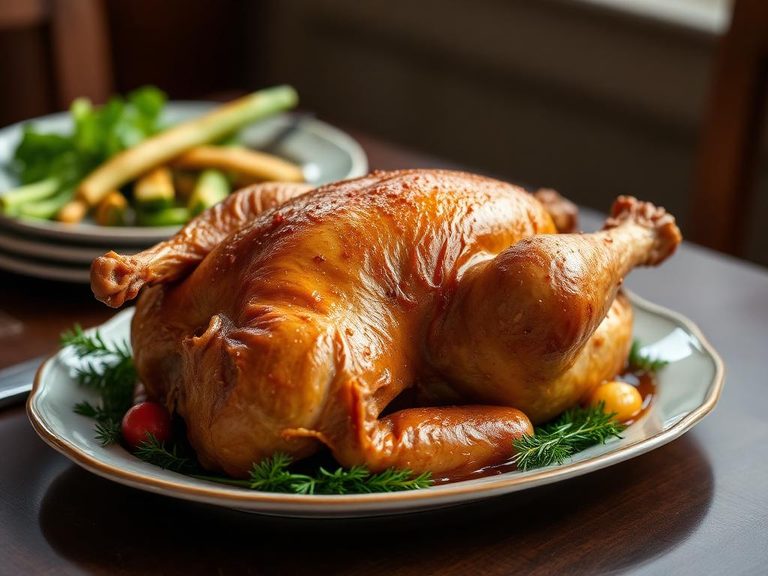
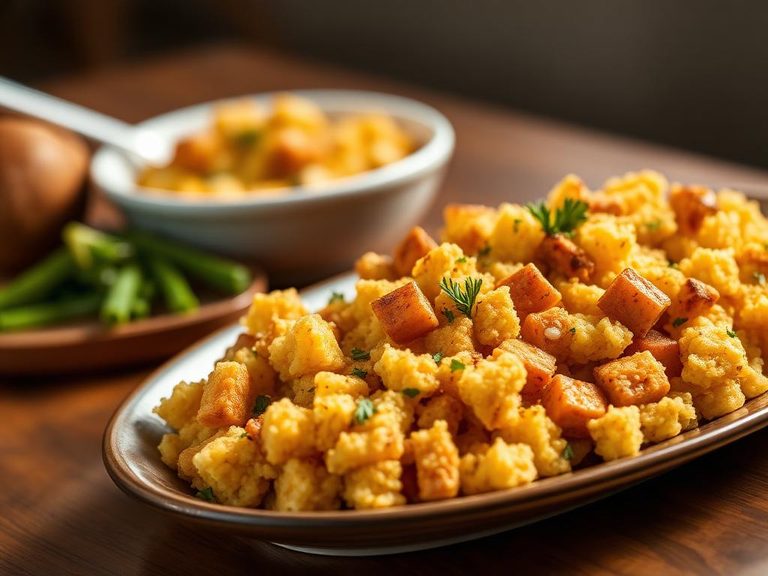
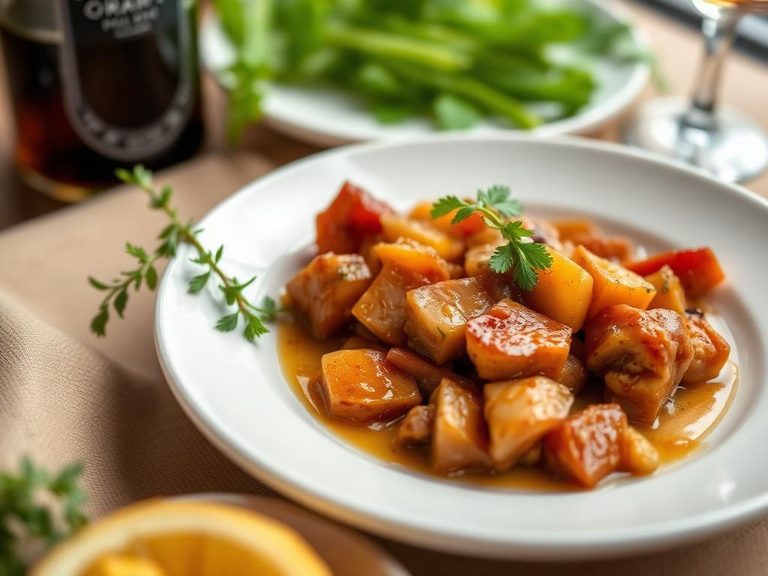
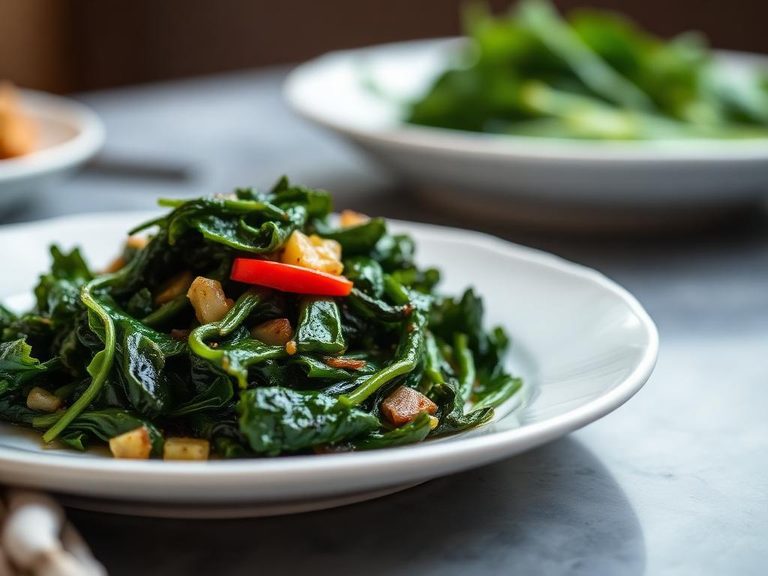
🌍 Where it's eaten
💡 Did you know?
Rendered turkey fat has a higher smoke point than butter, making it excellent for high-heat roasting and pan-frying without burning.
Full nutrition (USDA data · scales with serving)
| Water | 0.20 g |
| Energy | 900 kcal |
| Energy | 3767 kj |
| Protein | 0.00 g |
| Total lipid (fat) | 99.8 g |
| Ash | 0.00 g |
| Carbohydrate, by difference | 0.00 g |
| Fiber, total dietary | 0.00 g |
| Total Sugars | 0.00 g |
| Calcium, Ca | 0.00 mg |
| Iron, Fe | 0.00 mg |
| Magnesium, Mg | 0.00 mg |
| Phosphorus, P | 0.00 mg |
| Potassium, K | 0.00 mg |
| Sodium, Na | 0.00 mg |
| Zinc, Zn | 0.00 mg |
| Copper, Cu | 0.00 mg |
| Selenium, Se | 0.20 ug |
| Vitamin C, total ascorbic acid | 0.00 mg |
| Thiamin | 0.00 mg |
| Riboflavin | 0.00 mg |
| Niacin | 0.00 mg |
| Pantothenic acid | 0.00 mg |
| Vitamin B-6 | 0.00 mg |
| Folate, total | 0.00 ug |
| Folic acid | 0.00 ug |
| Folate, food | 0.00 ug |
| Folate, DFE | 0.00 ug |
| Choline, total | 122 mg |
| Vitamin B-12 | 0.00 ug |
| Vitamin B-12, added | 0.00 ug |
| Vitamin A, RAE | 0.00 ug |
| Retinol | 0.00 ug |
| Carotene, beta | 0.00 ug |
| Carotene, alpha | 0.00 ug |
| Cryptoxanthin, beta | 0.00 ug |
| Vitamin A, IU | 0.00 iu |
| Lycopene | 0.00 ug |
| Lutein + zeaxanthin | 0.00 ug |
| Vitamin E (alpha-tocopherol) | 2.9 mg |
| Vitamin E, added | 0.00 mg |
| Vitamin D (D2 + D3), International Units | 191 iu |
| Vitamin D (D2 + D3) | 4.8 ug |
| Vitamin D3 (cholecalciferol) | 4.8 ug |
| Vitamin K (phylloquinone) | 0.00 ug |
| Alcohol, ethyl | 0.00 g |
| Caffeine | 0.00 mg |
| Theobromine | 0.00 mg |
Fat & fatty acid profile (per 100g)
| Fatty acids, total saturated | 29.4 g |
| SFA 4:0 | 0.00 g |
| SFA 6:0 | 0.00 g |
| SFA 8:0 | 0.00 g |
| SFA 10:0 | 0.00 g |
| SFA 12:0 | 0.00 g |
| SFA 14:0 | 0.90 g |
| SFA 16:0 | 20.6 g |
| SFA 18:0 | 6.2 g |
| Fatty acids, total monounsaturated | 42.9 g |
| MUFA 16:1 | 6.0 g |
| MUFA 18:1 | 35.9 g |
| MUFA 20:1 | 0.00 g |
| MUFA 22:1 | 0.00 g |
| Fatty acids, total polyunsaturated | 23.1 g |
| PUFA 18:2 | 21.2 g |
| PUFA 18:3 | 1.4 g |
| PUFA 18:4 | 0.00 g |
| PUFA 20:4 | 0.30 g |
| PUFA 20:5 n-3 (EPA) | 0.00 g |
| PUFA 22:5 n-3 (DPA) | 0.00 g |
| PUFA 22:6 n-3 (DHA) | 0.00 g |
| Cholesterol | 102 mg |
| Phytosterols | 0.00 mg |
Amino acid profile (per 100g)
| Tryptophan | 0.00 g |
| Threonine | 0.00 g |
| Isoleucine | 0.00 g |
| Leucine | 0.00 g |
| Lysine | 0.00 g |
| Methionine | 0.00 g |
| Cystine | 0.00 g |
| Phenylalanine | 0.00 g |
| Tyrosine | 0.00 g |
| Valine | 0.00 g |
| Arginine | 0.00 g |
| Histidine | 0.00 g |
| Alanine | 0.00 g |
| Aspartic acid | 0.00 g |
| Glutamic acid | 0.00 g |
| Glycine | 0.00 g |
| Proline | 0.00 g |
| Serine | 0.00 g |
FAQ
Is turkey fat healthier than chicken fat?
Both are poultry fats with similar profiles, but turkey fat can be slightly higher in monounsaturated fats. The health impact depends more on overall diet and portion control than a minor difference between the two.
How do I render turkey fat at home?
Collect skin and fatty trimmings, chop finely, and cook slowly in a pot over low heat until the fat liquefies and the solids turn golden. Strain through a fine mesh or cheesecloth into a jar for storage.
Can I use turkey fat for baking?
Yes, it can be used in savory baking like biscuits or pie crusts for a rich flavor. For sweet baking, its poultry taste may be too pronounced compared to neutral oils or butter.
Nutrient density (calculated · NRF9.3)
Nutrient Rich Foods index: beneficial nutrients (protein, fiber, vitamins, minerals) minus saturated fat, added sugar & sodium, per 100 kcal.
NRF9.3 index — Fulgoni, Keast & Drewnowski, 2009. Computed from USDA nutrients.
Weight-loss friendliness (composite index)
Energy density 9.00 kcal/g · 0% calories from protein · 0.0 g fiber · 0.0 g sugar per 100 g.
Composite of energy density (Rolls et al., 1999), protein & fiber satiety, minus sugar. A calculated heuristic — ranks satiety-per-calorie, not a clinical measure.
Dietary load (calculated from USDA values)
Potential renal acid load. Positive = acid-forming, negative = alkaline-forming.
Sodium:potassium per WHO potassium guidance. Computed from USDA nutrients.