

Fat free ice cream, no sugar added, flavors other than chocolate
Whole food · Dairy and Egg Products

Photo: Wikipedia
This is a light, airy frozen dessert that uses sugar alcohols or polydextrose to mimic sweetness without the fat or added sugar of traditional ice cream. Its texture is often slightly icier or more 'foamy' than premium dairy, with a clean, sweet finish that avoids heavy creaminess. Nutritionally, it is a low-calorie, high-fiber option that provides a satisfying dessert experience with minimal fat.
Calorie split: 13% protein · 87% carbs · 0% fat
↓ Full nutrition💚 Why it's loved
People love it as a guilt-free indulgence, offering the creamy, sweet experience of ice cream without the fat or sugar load. It's a versatile treat that can be enjoyed straight from the tub, blended into smoothies, or used as a base for lighter desserts.
⚠️ Watch-outs & how to enjoy it better
The texture can be less creamy and more icy or 'gummy' than full-fat ice cream, which some find disappointing. The sugar alcohols used can cause digestive discomfort (bloating, gas) in some individuals, and it may not satisfy intense sugar cravings as effectively as regular ice cream. To counteract this, pair it with a source of protein or healthy fat (like nuts or a dollop of Greek yogurt) to improve satiety and texture, and start with a small portion to assess tolerance.
Key benefits
- Very low in calories (133 kcal per 100g)
- Completely fat-free (0g fat)
- High in fiber (7.4g per 100g)
- Good source of protein (4.41g per 100g)
- No added sugars, suitable for low-sugar diets
🍽️ Popular dishes
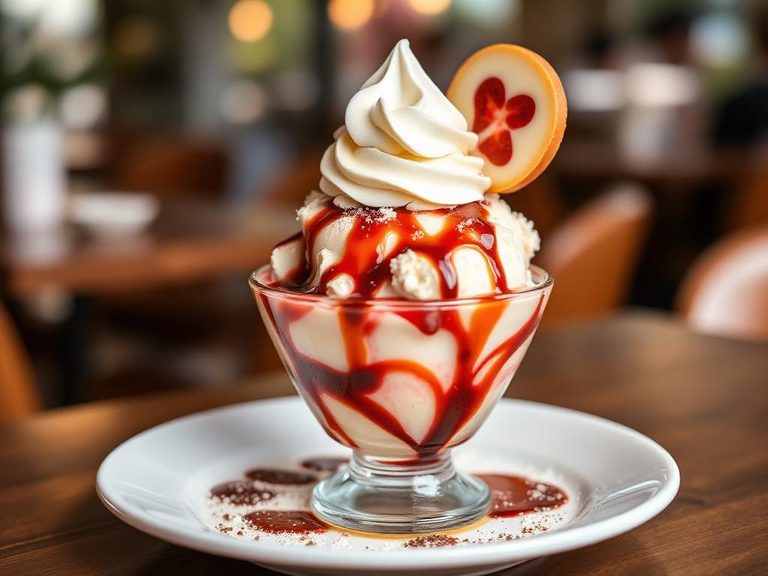
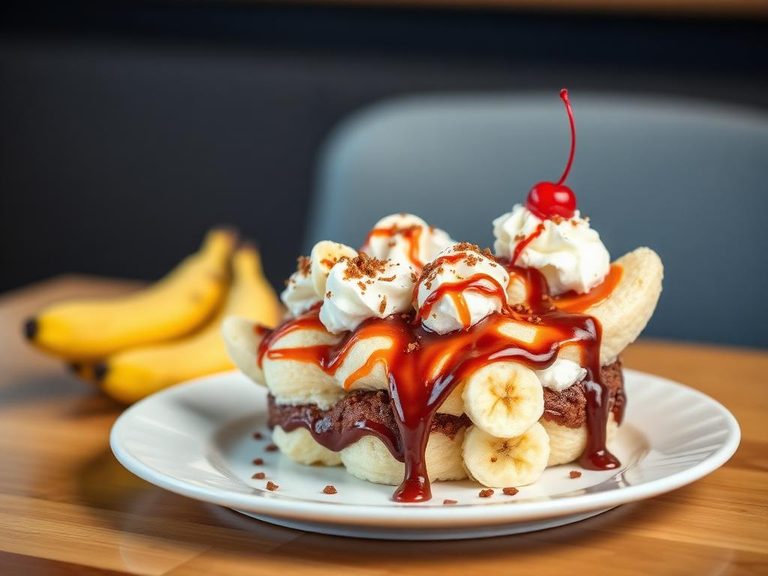

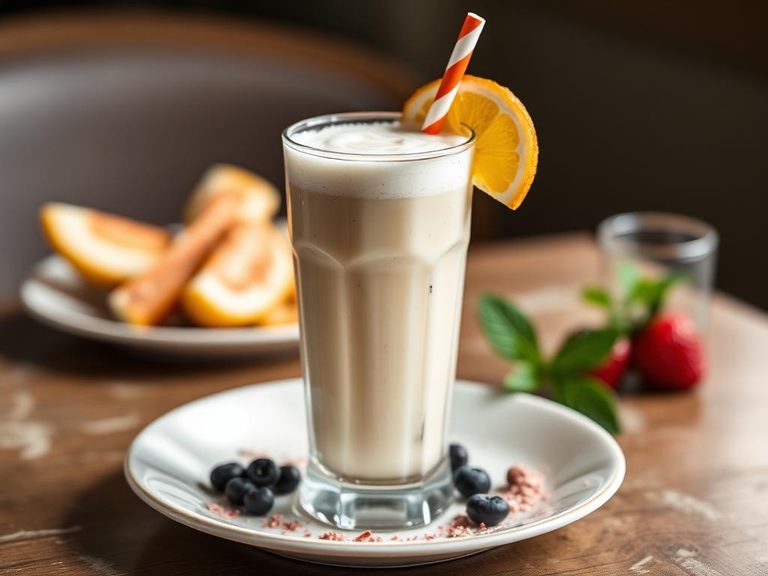
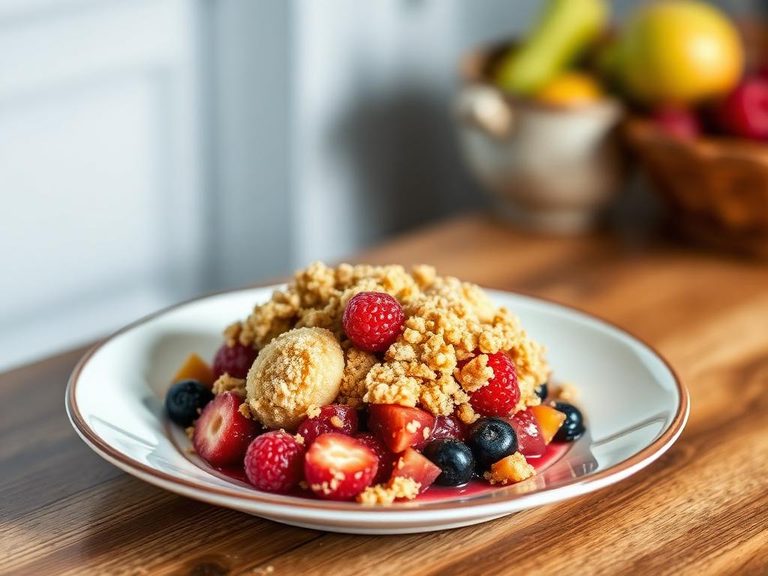
🌍 Where it's eaten
💡 Did you know?
The first 'diet' or low-fat ice cream was developed in the 1960s, but the modern no-sugar-added, fat-free versions became popular in the 1990s with the rise of low-carb and diabetic-friendly diets.
Full nutrition (USDA data · scales with serving)
| Water | 65.5 g |
| Energy | 133 kcal |
| Energy | 557 kj |
| Protein | 4.4 g |
| Total lipid (fat) | 0.00 g |
| Ash | 1.2 g |
| Carbohydrate, by difference | 28.9 g |
| Fiber, total dietary | 7.4 g |
| Total Sugars | 8.8 g |
| Calcium, Ca | 147 mg |
| Iron, Fe | 0.00 mg |
| Magnesium, Mg | 9.0 mg |
| Phosphorus, P | 75.0 mg |
| Potassium, K | 196 mg |
| Sodium, Na | 110 mg |
| Zinc, Zn | 0.31 mg |
| Copper, Cu | 0.03 mg |
| Selenium, Se | 1.9 ug |
| Vitamin C, total ascorbic acid | 0.00 mg |
| Thiamin | 0.03 mg |
| Riboflavin | 0.12 mg |
| Niacin | 0.07 mg |
| Vitamin B-6 | 0.03 mg |
| Folate, total | 4.0 ug |
| Folic acid | 0.00 ug |
| Folate, food | 4.0 ug |
| Folate, DFE | 4.0 ug |
| Choline, total | 23.0 mg |
| Vitamin B-12 | 0.52 ug |
| Vitamin B-12, added | 0.00 ug |
| Vitamin A, RAE | 133 ug |
| Retinol | 132 ug |
| Carotene, beta | 12.0 ug |
| Carotene, alpha | 0.00 ug |
| Cryptoxanthin, beta | 0.00 ug |
| Vitamin A, IU | 461 iu |
| Lycopene | 0.00 ug |
| Lutein + zeaxanthin | 0.00 ug |
| Vitamin E (alpha-tocopherol) | 0.00 mg |
| Vitamin E, added | 0.00 mg |
| Vitamin D (D2 + D3), International Units | 0.00 iu |
| Vitamin D (D2 + D3) | 0.00 ug |
| Vitamin K (phylloquinone) | 0.00 ug |
| Alcohol, ethyl | 0.00 g |
| Caffeine | 0.00 mg |
| Theobromine | 0.00 mg |
Fat & fatty acid profile (per 100g)
| Fatty acids, total saturated | 0.00 g |
| SFA 4:0 | 0.00 g |
| SFA 6:0 | 0.00 g |
| SFA 8:0 | 0.00 g |
| SFA 10:0 | 0.00 g |
| SFA 12:0 | 0.00 g |
| SFA 14:0 | 0.00 g |
| SFA 16:0 | 0.00 g |
| SFA 18:0 | 0.00 g |
| Fatty acids, total monounsaturated | 0.00 g |
| MUFA 16:1 | 0.00 g |
| MUFA 18:1 | 0.00 g |
| MUFA 20:1 | 0.00 g |
| MUFA 22:1 | 0.00 g |
| Fatty acids, total polyunsaturated | 0.00 g |
| PUFA 18:2 | 0.00 g |
| PUFA 18:3 | 0.00 g |
| PUFA 18:4 | 0.00 g |
| PUFA 20:4 | 0.00 g |
| PUFA 20:5 n-3 (EPA) | 0.00 g |
| PUFA 22:5 n-3 (DPA) | 0.00 g |
| PUFA 22:6 n-3 (DHA) | 0.00 g |
| Cholesterol | 0.00 mg |
Amino acid profile (per 100g)
Estimated from Egg substitute, liquid or frozen, fat free — USDA does not publish this profile for Fat free ice cream.
| Tryptophan | 0.16 g |
| Threonine | 0.48 g |
| Isoleucine | 0.66 g |
| Leucine | 0.97 g |
| Lysine | 0.71 g |
| Methionine | 0.39 g |
| Cystine | 0.23 g |
| Phenylalanine | 0.65 g |
| Tyrosine | 0.46 g |
| Valine | 0.79 g |
| Arginine | 0.58 g |
| Histidine | 0.26 g |
| Alanine | 0.62 g |
| Aspartic acid | 0.93 g |
| Glutamic acid | 1.7 g |
| Glycine | 0.36 g |
| Proline | 0.56 g |
| Serine | 0.75 g |
FAQ
Is fat-free ice cream actually healthy?
It's lower in calories and fat than traditional ice cream, but it's still a processed dessert. Its healthiness depends on your overall diet and the specific ingredients (like sugar alcohols) used.
Why does it taste different from regular ice cream?
The absence of fat changes the texture and mouthfeel, making it lighter and sometimes icier. The use of sugar substitutes also alters the sweetness profile.
Can I eat this on a keto diet?
It depends on the specific product. While it's fat-free and low in sugar, the carbohydrate count (28.86g per 100g) might be too high for strict keto, which prioritizes fat and limits carbs.
What are the best flavors to try?
Vanilla, strawberry, and mint chocolate chip are popular because they don't rely on heavy chocolate or caramel flavors that might be less satisfying without fat.
Nutrient density (calculated · NRF9.3)
Nutrient Rich Foods index: beneficial nutrients (protein, fiber, vitamins, minerals) minus saturated fat, added sugar & sodium, per 100 kcal.
NRF9.3 index — Fulgoni, Keast & Drewnowski, 2009. Computed from USDA nutrients.
Weight-loss friendliness (composite index)
Energy density 1.33 kcal/g · 13% calories from protein · 7.4 g fiber · 8.8 g sugar per 100 g.
Composite of energy density (Rolls et al., 1999), protein & fiber satiety, minus sugar. A calculated heuristic — ranks satiety-per-calorie, not a clinical measure.
Dietary load (calculated from USDA values)
Potential renal acid load. Positive = acid-forming, negative = alkaline-forming.
Sodium-to-potassium ratio: 0.56 (lower is better — aim for ≤ 1)
Sodium:potassium per WHO potassium guidance. Computed from USDA nutrients.