

Emu, inside drums, cooked, broiled
Whole food · Poultry Products

Photo: Wikipedia
Emu inside drums refer to the lean, dark meat from the bird's large thigh and leg muscles. When broiled, it develops a rich, slightly gamey flavor reminiscent of lean beef or venison, with a firm, dense texture. Nutritionally, it is a powerhouse, delivering an impressive 32.38 grams of protein per 100g with virtually no fat or carbohydrates.
Calorie split: 88% protein · 0% carbs · 12% fat
↓ Full nutrition💚 Why it's loved
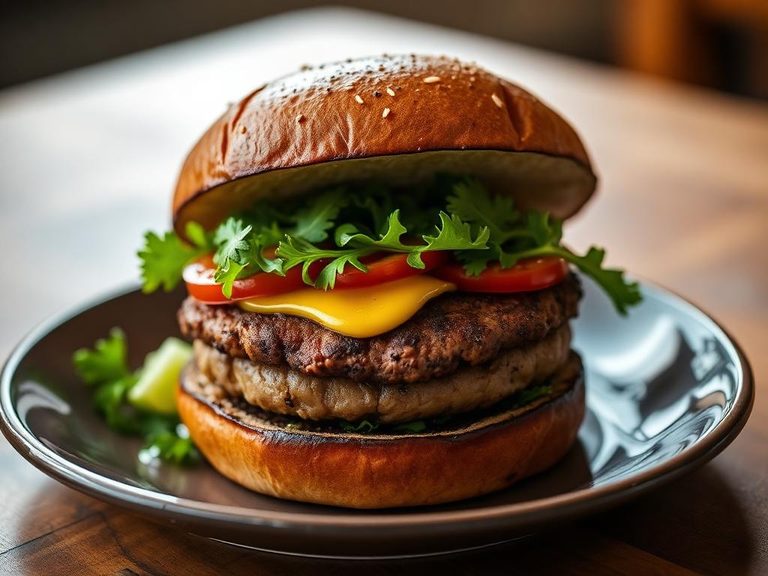
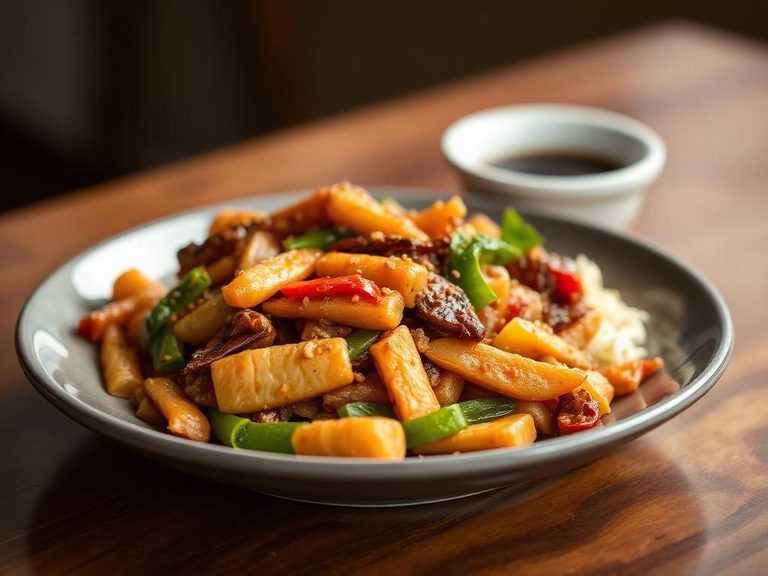
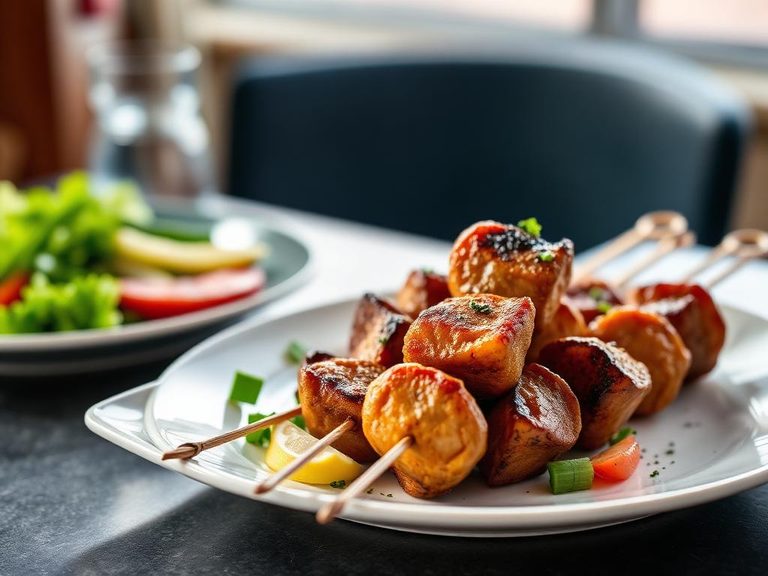
People love emu for its robust, beef-like flavor that satisfies red meat cravings without the associated fat. Its versatility allows it to be grilled, stir-fried, or used in burgers, and it holds a special place in Australian bush tucker cuisine.
⚠️ Watch-outs & how to enjoy it better
The lean, dense nature of emu meat can become tough and dry if overcooked, which may be off-putting to those accustomed to fattier cuts. To counteract this, it should be cooked quickly to medium-rare or medium, and marinated or basted to retain moisture.
Key benefits
- Exceptionally high in protein for muscle maintenance and satiety
- Very low in fat and carbohydrates, making it ideal for lean diets
- Rich in iron and zinc, supporting immune function and energy levels
- Naturally free from cholesterol-raising saturated fats
- A sustainable, low-impact red meat alternative
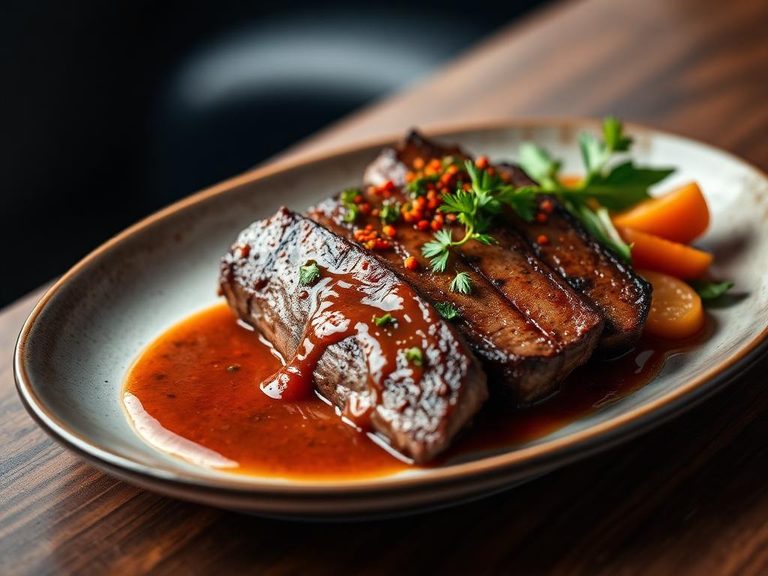
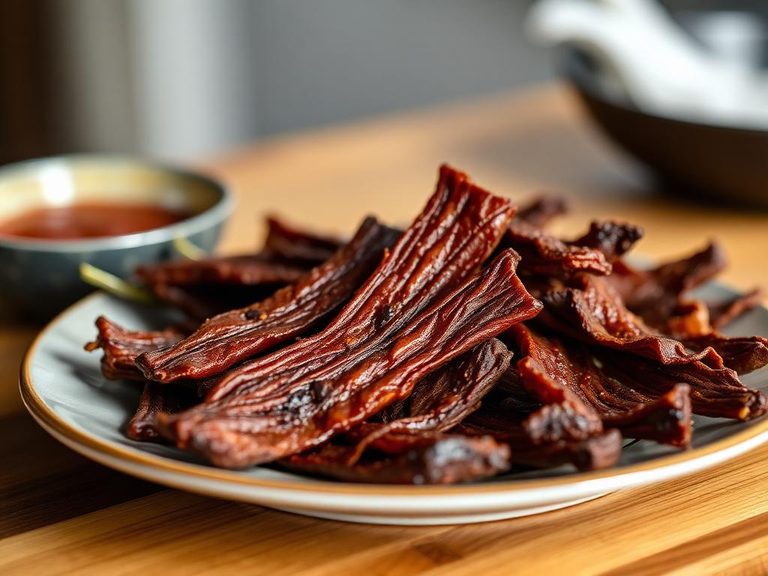
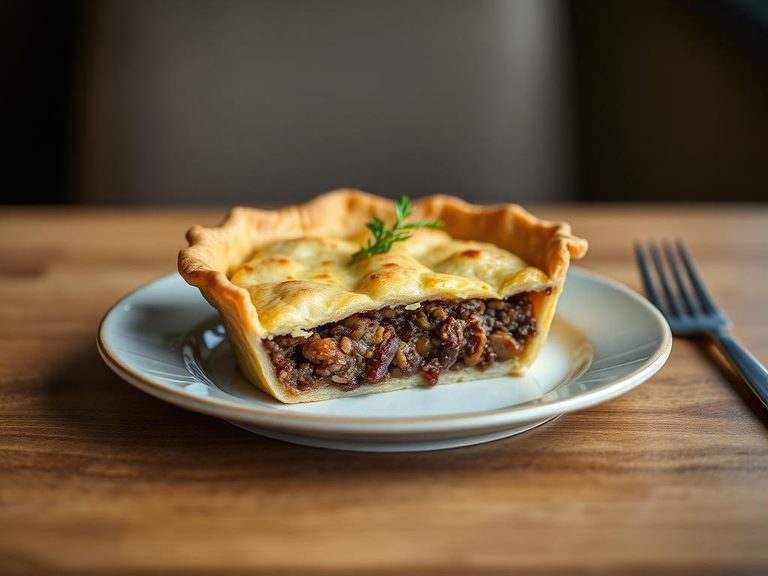
🍽️ Popular dishes
🌍 Where it's eaten
💡 Did you know?
Emu meat is so lean that it is often compared to skinless chicken breast in fat content, yet it has the rich, dark color and flavor profile of beef.
Full nutrition (USDA data · scales with serving)
| Water | 64.3 g |
| Energy | 156 kcal |
| Energy | 654 kj |
| Protein | 32.4 g |
| Total lipid (fat) | 2.0 g |
| Ash | 1.3 g |
| Carbohydrate, by difference | 0.00 g |
| Fiber, total dietary | 0.00 g |
| Total Sugars | 0.00 g |
| Calcium, Ca | 6.0 mg |
| Iron, Fe | 7.3 mg |
| Magnesium, Mg | 33.0 mg |
| Phosphorus, P | 307 mg |
| Potassium, K | 312 mg |
| Sodium, Na | 118 mg |
| Zinc, Zn | 5.1 mg |
| Copper, Cu | 0.27 mg |
| Manganese, Mn | 0.03 mg |
| Selenium, Se | 49.6 ug |
| Vitamin C, total ascorbic acid | 0.00 mg |
| Thiamin | 0.41 mg |
| Riboflavin | 0.62 mg |
| Niacin | 10.2 mg |
| Pantothenic acid | 3.5 mg |
| Vitamin B-6 | 0.95 mg |
| Folate, total | 10.0 ug |
| Folic acid | 0.00 ug |
| Folate, food | 10.0 ug |
| Folate, DFE | 10.0 ug |
| Vitamin B-12 | 2.4 ug |
| Vitamin A, RAE | 3.0 ug |
| Retinol | 3.0 ug |
| Carotene, beta | 0.00 ug |
| Carotene, alpha | 0.00 ug |
| Cryptoxanthin, beta | 0.00 ug |
| Vitamin A, IU | 10.0 iu |
| Lycopene | 0.00 ug |
| Lutein + zeaxanthin | 0.00 ug |
| Vitamin E (alpha-tocopherol) | 0.25 mg |
| Alcohol, ethyl | 0.00 g |
| Caffeine | 0.00 mg |
| Theobromine | 0.00 mg |
Fat & fatty acid profile (per 100g)
| Fatty acids, total saturated | 0.65 g |
| SFA 14:0 | 0.01 g |
| SFA 15:0 | 0.01 g |
| SFA 16:0 | 0.45 g |
| SFA 17:0 | 0.01 g |
| SFA 18:0 | 0.17 g |
| SFA 20:0 | 0.01 g |
| SFA 22:0 | 0.00 g |
| SFA 24:0 | 0.01 g |
| Fatty acids, total monounsaturated | 0.86 g |
| MUFA 14:1 | 0.00 g |
| MUFA 16:1 | 0.09 g |
| MUFA 17:1 | 0.00 g |
| MUFA 18:1 | 0.74 g |
| MUFA 20:1 | 0.02 g |
| MUFA 22:1 | 0.00 g |
| Fatty acids, total polyunsaturated | 0.41 g |
| PUFA 18:2 | 0.34 g |
| PUFA 18:3 | 0.03 g |
| PUFA 20:2 n-6 c,c | 0.00 g |
| PUFA 20:4 | 0.03 g |
| PUFA 20:5 n-3 (EPA) | 0.00 g |
| PUFA 22:6 n-3 (DHA) | 0.01 g |
| Cholesterol | 91.0 mg |
Amino acid profile (per 100g)
| Tryptophan | 0.21 g |
| Threonine | 0.93 g |
| Isoleucine | 1.1 g |
| Leucine | 1.8 g |
| Lysine | 1.9 g |
| Methionine | 0.61 g |
| Cystine | 0.23 g |
| Phenylalanine | 0.92 g |
| Tyrosine | 0.69 g |
| Valine | 1.1 g |
| Arginine | 1.5 g |
| Histidine | 0.71 g |
| Alanine | 1.3 g |
| Aspartic acid | 2.8 g |
| Glutamic acid | 3.2 g |
| Glycine | 1.0 g |
| Proline | 1.3 g |
| Serine | 0.77 g |
| Hydroxyproline | 0.21 g |
FAQ
What does emu meat taste like?
Emu meat has a rich, slightly gamey flavor similar to lean beef or venison, with a firm, dense texture when cooked.
Is emu meat healthy?
Yes, it is extremely healthy, being very high in protein (32.38g per 100g) and very low in fat (2.01g) and carbohydrates, making it ideal for low-fat, high-protein diets.
How should I cook emu to avoid toughness?
Because it is so lean, emu should be cooked quickly to medium-rare or medium. Marinating, basting, or using moist-heat methods like stewing can help retain juiciness.
Nutrient density (calculated · NRF9.3)
Nutrient Rich Foods index: beneficial nutrients (protein, fiber, vitamins, minerals) minus saturated fat, added sugar & sodium, per 100 kcal.
NRF9.3 index — Fulgoni, Keast & Drewnowski, 2009. Computed from USDA nutrients.
Weight-loss friendliness (composite index)
Energy density 1.56 kcal/g · 83% calories from protein · 0.0 g fiber · 0.0 g sugar per 100 g.
Composite of energy density (Rolls et al., 1999), protein & fiber satiety, minus sugar. A calculated heuristic — ranks satiety-per-calorie, not a clinical measure.
Dietary load (calculated from USDA values)
Potential renal acid load. Positive = acid-forming, negative = alkaline-forming.
Sodium-to-potassium ratio: 0.38 (lower is better — aim for ≤ 1)
Sodium:potassium per WHO potassium guidance. Computed from USDA nutrients.