

Emu, inside drum, raw
Whole food · Poultry Products

Photo: Wikipedia
Emu inside drum is a lean, deep-red cut from the upper leg of the flightless bird, prized for its rich, beef-like flavor and firm, fine-grained texture. Nutritionally, it's a protein powerhouse with virtually no fat or carbohydrates, making it one of the most nutrient-dense red meats available. Its dark hue comes from high myoglobin content, similar to game meats like venison.
Calorie split: 87% protein · 0% carbs · 13% fat
↓ Full nutrition💚 Why it's loved
Cooks and health-conscious eaters love it for its clean, robust flavor that absorbs marinades beautifully and its versatility in both rustic stews and elegant steaks. In Australia, it's a celebrated bush tucker ingredient, connecting diners to Indigenous culinary heritage.
⚠️ Watch-outs & how to enjoy it better
Its extreme leanness means it can dry out quickly if overcooked, requiring careful temperature control or moist cooking methods. Some may find its gamey aroma unfamiliar, and as a novel protein, it's less accessible and more expensive than conventional meats. Those with a history of gout should moderate intake due to its purine content.
Key benefits
- Exceptionally high in protein for muscle maintenance and satiety.
- Very low in fat, especially saturated fat, compared to beef or lamb.
- Rich in iron and zinc, supporting immune function and energy levels.
- Naturally free of carbohydrates and sugars, ideal for low-carb diets.
- Contains conjugated linoleic acid (CLA), a fatty acid studied for metabolic health.
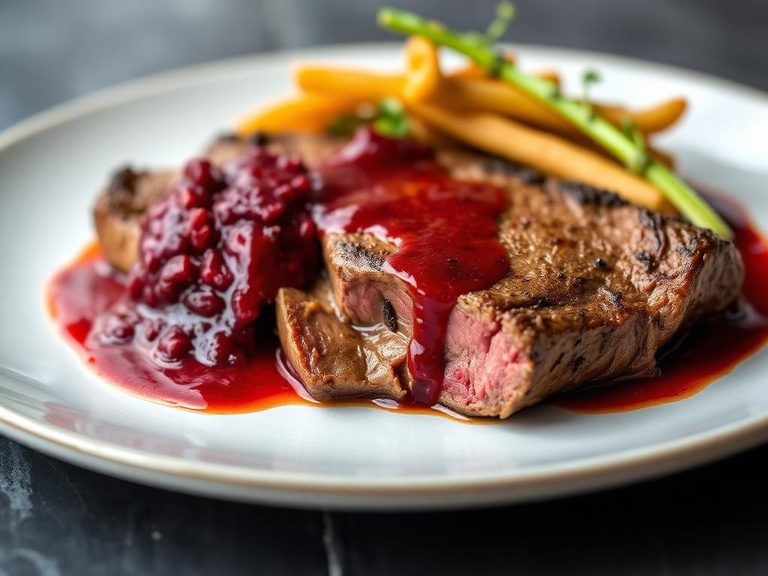
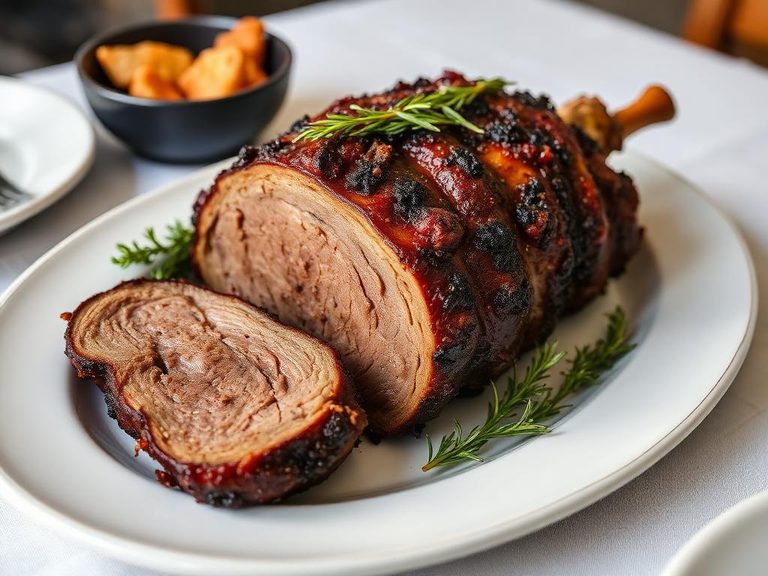
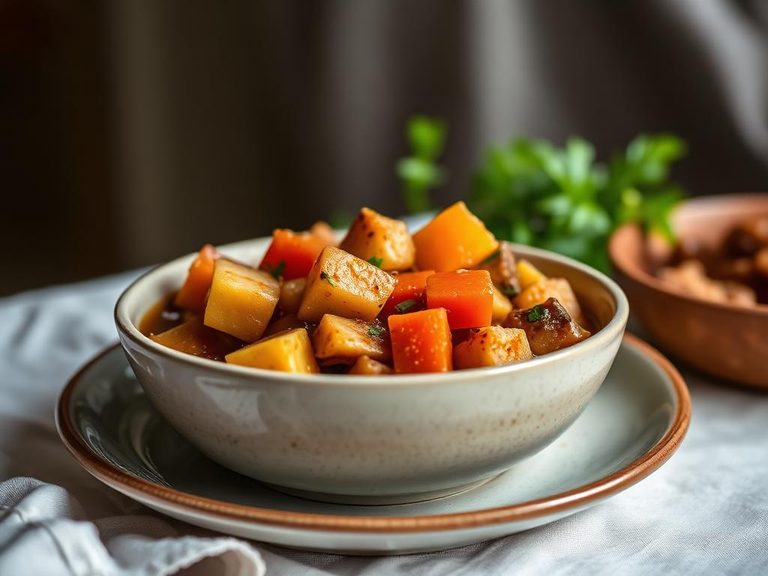
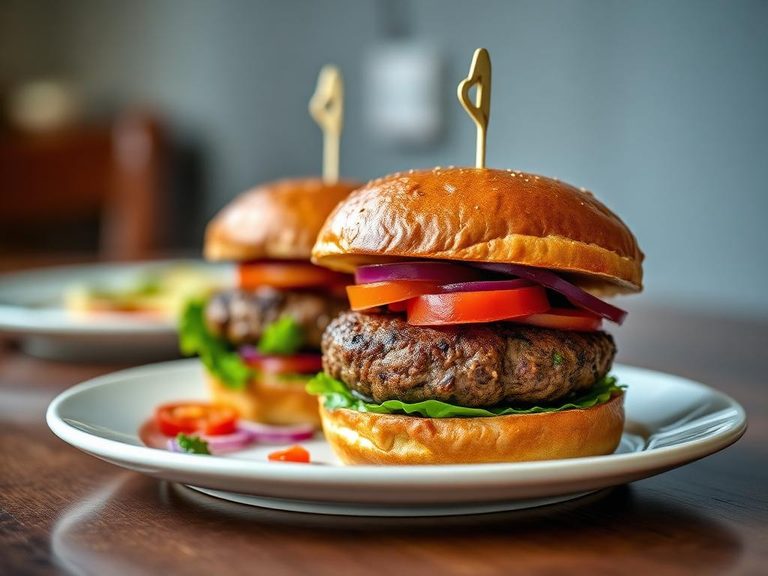
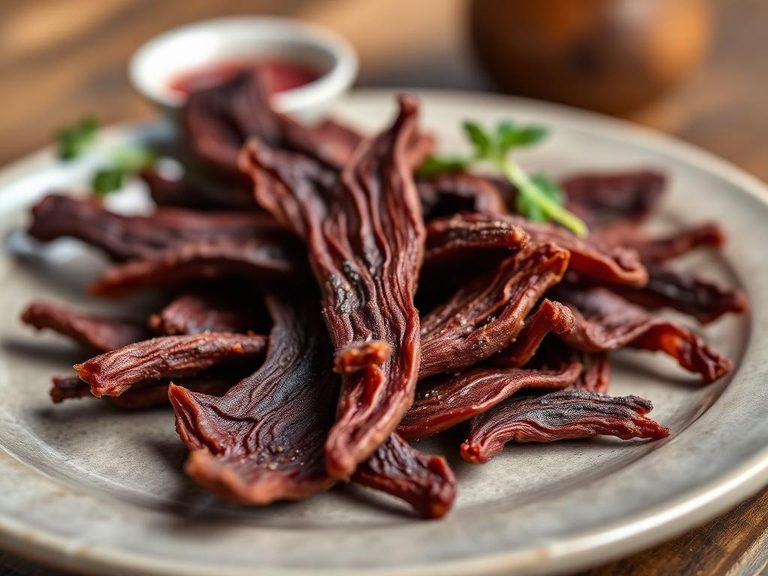
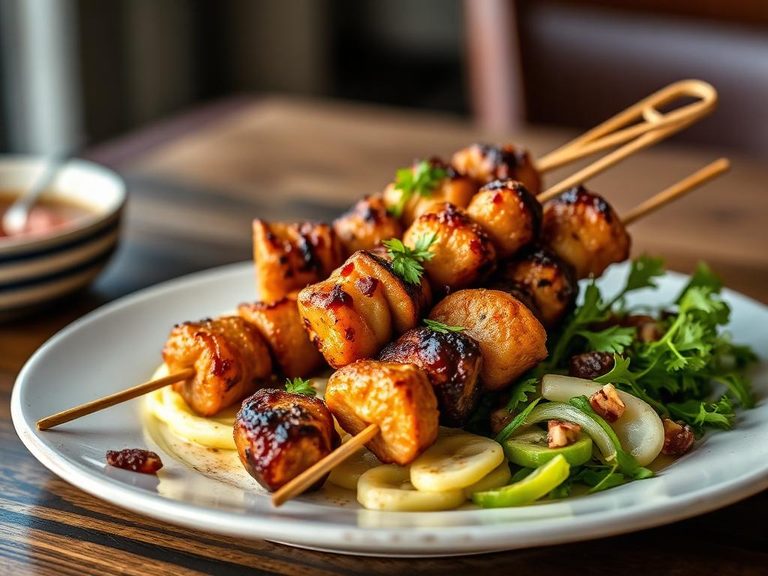
🍽️ Popular dishes
🌍 Where it's eaten
💡 Did you know?
Emu meat is so lean that the Australian Defence Force has historically used it in combat rations for soldiers, valuing its high protein-to-weight ratio and long shelf life when dried.
Full nutrition (USDA data · scales with serving)
| Water | 74.7 g |
| Energy | 108 kcal |
| Energy | 453 kj |
| Protein | 22.2 g |
| Total lipid (fat) | 1.5 g |
| Ash | 1.1 g |
| Carbohydrate, by difference | 0.00 g |
| Fiber, total dietary | 0.00 g |
| Total Sugars | 0.00 g |
| Calcium, Ca | 4.0 mg |
| Iron, Fe | 5.2 mg |
| Magnesium, Mg | 26.0 mg |
| Phosphorus, P | 229 mg |
| Potassium, K | 318 mg |
| Sodium, Na | 102 mg |
| Zinc, Zn | 4.3 mg |
| Copper, Cu | 0.20 mg |
| Manganese, Mn | 0.03 mg |
| Selenium, Se | 31.4 ug |
| Vitamin C, total ascorbic acid | 0.00 mg |
| Thiamin | 0.42 mg |
| Riboflavin | 0.45 mg |
| Niacin | 7.3 mg |
| Pantothenic acid | 2.7 mg |
| Vitamin B-6 | 0.63 mg |
| Folate, total | 12.0 ug |
| Folic acid | 0.00 ug |
| Folate, food | 12.0 ug |
| Folate, DFE | 12.0 ug |
| Vitamin B-12 | 2.3 ug |
| Vitamin A, RAE | 5.0 ug |
| Retinol | 5.0 ug |
| Carotene, beta | 0.00 ug |
| Carotene, alpha | 0.00 ug |
| Cryptoxanthin, beta | 0.00 ug |
| Vitamin A, IU | 17.0 iu |
| Lycopene | 0.00 ug |
| Lutein + zeaxanthin | 0.00 ug |
| Vitamin E (alpha-tocopherol) | 0.22 mg |
| Alcohol, ethyl | 0.00 g |
| Caffeine | 0.00 mg |
| Theobromine | 0.00 mg |
Fat & fatty acid profile (per 100g)
| Fatty acids, total saturated | 0.39 g |
| SFA 14:0 | 0.01 g |
| SFA 15:0 | 0.00 g |
| SFA 16:0 | 0.28 g |
| SFA 17:0 | 0.00 g |
| SFA 18:0 | 0.10 g |
| SFA 20:0 | 0.00 g |
| SFA 22:0 | 0.00 g |
| SFA 24:0 | 0.00 g |
| Fatty acids, total monounsaturated | 0.53 g |
| MUFA 14:1 | 0.00 g |
| MUFA 16:1 | 0.06 g |
| MUFA 17:1 | 0.00 g |
| MUFA 18:1 | 0.47 g |
| MUFA 20:1 | 0.01 g |
| MUFA 22:1 | 0.00 g |
| Fatty acids, total polyunsaturated | 0.26 g |
| PUFA 18:2 | 0.21 g |
| PUFA 18:3 | 0.02 g |
| PUFA 20:2 n-6 c,c | 0.00 g |
| PUFA 20:4 | 0.01 g |
| PUFA 20:5 n-3 (EPA) | 0.00 g |
| PUFA 22:6 n-3 (DHA) | 0.01 g |
| Cholesterol | 67.0 mg |
Amino acid profile (per 100g)
| Tryptophan | 0.15 g |
| Threonine | 0.64 g |
| Isoleucine | 0.72 g |
| Leucine | 1.2 g |
| Lysine | 1.3 g |
| Methionine | 0.42 g |
| Cystine | 0.16 g |
| Phenylalanine | 0.63 g |
| Tyrosine | 0.47 g |
| Valine | 0.74 g |
| Arginine | 1.0 g |
| Histidine | 0.49 g |
| Alanine | 0.86 g |
| Aspartic acid | 1.9 g |
| Glutamic acid | 2.2 g |
| Glycine | 0.70 g |
| Proline | 0.90 g |
| Serine | 0.53 g |
| Hydroxyproline | 0.14 g |
FAQ
How does emu meat taste compared to beef?
It has a very similar taste to lean beef but is slightly richer and more mineral-forward, with a subtle gamey note reminiscent of venison. The texture is finer and denser.
What's the best way to cook emu inside drum to prevent it from becoming tough?
The key is quick, high-heat cooking (grilling, searing) to medium-rare, or slow, moist cooking (braising, stewing) to break down connective tissue. Always use a meat thermometer—aim for 130-135°F (54-57°C) for steaks.
Is emu meat considered sustainable?
Yes, emus are farmed extensively in Australia with a low environmental footprint. They require less land, water, and feed than cattle, and their grazing habits can help manage vegetation.
Nutrient density (calculated · NRF9.3)
Nutrient Rich Foods index: beneficial nutrients (protein, fiber, vitamins, minerals) minus saturated fat, added sugar & sodium, per 100 kcal.
NRF9.3 index — Fulgoni, Keast & Drewnowski, 2009. Computed from USDA nutrients.
Weight-loss friendliness (composite index)
Energy density 1.08 kcal/g · 82% calories from protein · 0.0 g fiber · 0.0 g sugar per 100 g.
Composite of energy density (Rolls et al., 1999), protein & fiber satiety, minus sugar. A calculated heuristic — ranks satiety-per-calorie, not a clinical measure.
Dietary load (calculated from USDA values)
Potential renal acid load. Positive = acid-forming, negative = alkaline-forming.
Sodium-to-potassium ratio: 0.32 (lower is better — aim for ≤ 1)
Sodium:potassium per WHO potassium guidance. Computed from USDA nutrients.