

Cracker, meal
Whole food · Baked Products

Photo: Wikipedia
A thin, crisp, and savory baked wafer made primarily from whole-grain flour, offering a satisfying crunch with a mild, toasty flavor. Its light, airy texture makes it a perfect vehicle for toppings. Nutritionally, it's a high-carbohydrate, low-fat food, providing quick energy with a modest amount of protein and fiber.
Calorie split: 10% protein · 86% carbs · 4% fat
↓ Full nutrition💚 Why it's loved
People love it for its satisfying, audible crunch and its blank-canvas nature, which pairs perfectly with everything from cheese and hummus to peanut butter. It's a staple in lunchboxes and snack plates, offering a simple, comforting, and portable bite.
⚠️ Watch-outs & how to enjoy it better
Its high-carb, low-protein/fat profile can lead to rapid blood-sugar spikes if eaten alone, potentially causing a subsequent energy crash. To counteract this, always pair it with a protein or healthy fat like cheese, nut butter, or avocado to slow digestion and promote satiety. Some commercial varieties can also be high in sodium.
Key benefits
- Provides quick, accessible energy from complex carbohydrates.
- Low in fat, making it a light snack option.
- Contains some dietary fiber from whole-grain ingredients.
- Versatile base for both sweet and savory toppings.
- Often low in sugar, depending on the specific variety.
🍽️ Popular dishes
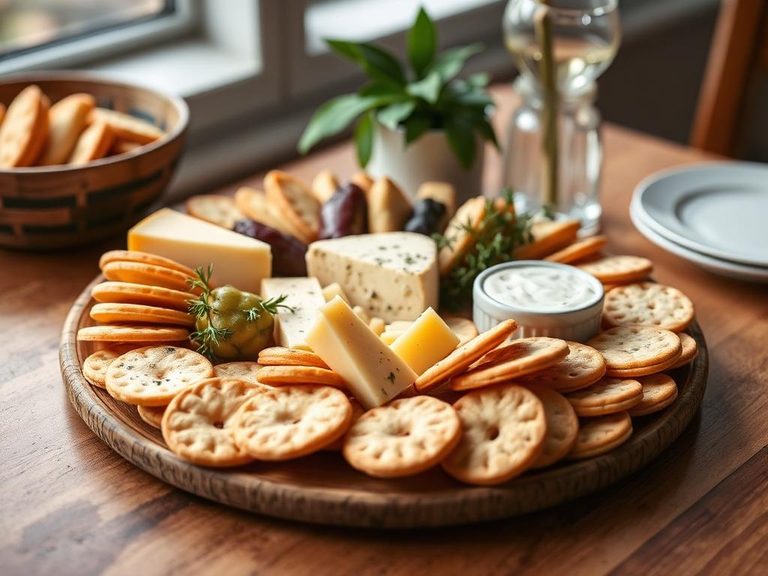
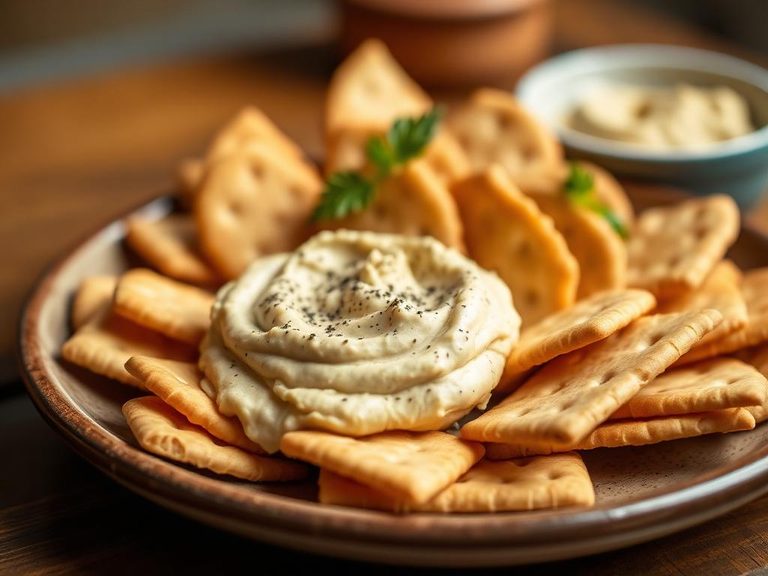
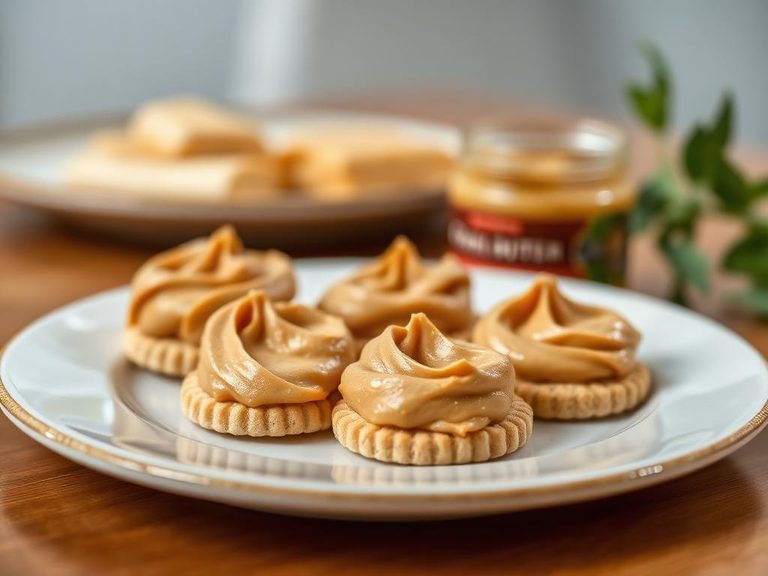
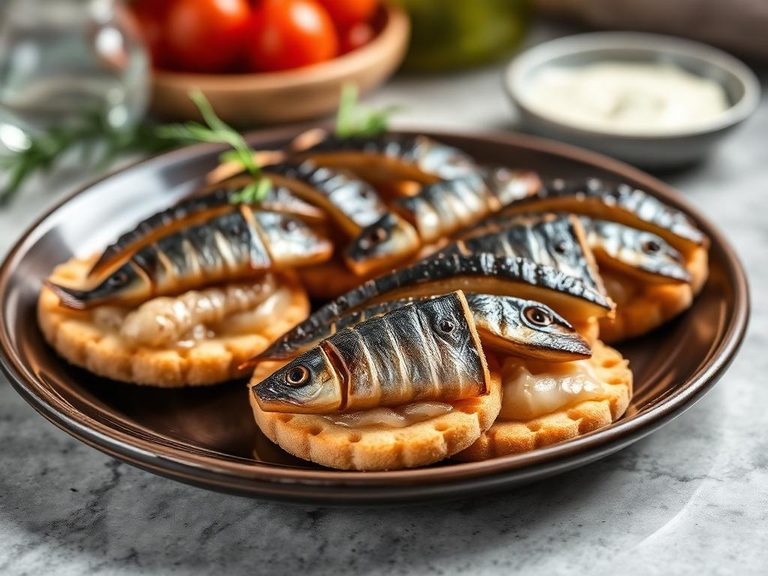
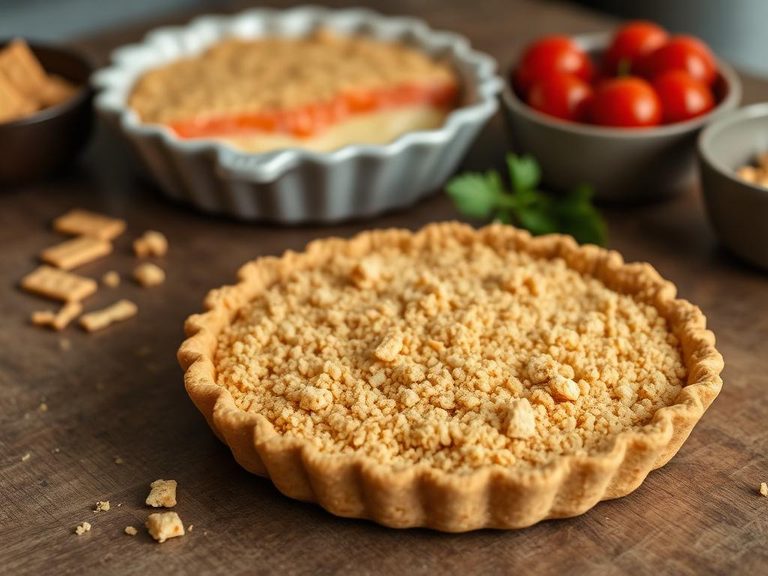
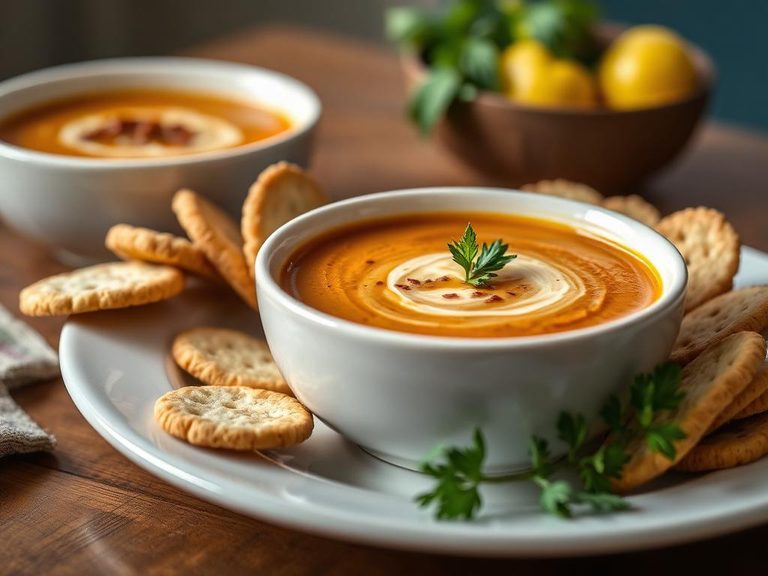
🌍 Where it's eaten
💡 Did you know?
The word 'cracker' may have originated from the sound the bread makes when it's baked, or from the practice of 'cracking' bread into soup.
Full nutrition (USDA data · scales with serving)
| Water | 7.6 g |
| Energy | 383 kcal |
| Energy | 1603 kj |
| Protein | 9.3 g |
| Total lipid (fat) | 1.7 g |
| Ash | 0.60 g |
| Carbohydrate, by difference | 80.9 g |
| Fiber, total dietary | 2.6 g |
| Total Sugars | 0.33 g |
| Calcium, Ca | 23.0 mg |
| Iron, Fe | 4.6 mg |
| Magnesium, Mg | 24.0 mg |
| Phosphorus, P | 104 mg |
| Potassium, K | 115 mg |
| Sodium, Na | 16.0 mg |
| Zinc, Zn | 0.69 mg |
| Copper, Cu | 0.23 mg |
| Manganese, Mn | 0.94 mg |
| Selenium, Se | 42.3 ug |
| Vitamin C, total ascorbic acid | 0.00 mg |
| Thiamin | 0.70 mg |
| Riboflavin | 0.47 mg |
| Niacin | 5.7 mg |
| Pantothenic acid | 0.47 mg |
| Vitamin B-6 | 0.04 mg |
| Folate, total | 136 ug |
| Folic acid | 114 ug |
| Folate, food | 22.0 ug |
| Folate, DFE | 216 ug |
| Choline, total | 19.6 mg |
| Vitamin B-12 | 0.00 ug |
| Vitamin B-12, added | 0.00 ug |
| Vitamin A, RAE | 0.00 ug |
| Retinol | 0.00 ug |
| Carotene, beta | 0.00 ug |
| Carotene, alpha | 0.00 ug |
| Cryptoxanthin, beta | 0.00 ug |
| Vitamin A, IU | 0.00 iu |
| Lycopene | 0.00 ug |
| Lutein + zeaxanthin | 76.0 ug |
| Vitamin E (alpha-tocopherol) | 0.43 mg |
| Vitamin E, added | 0.00 mg |
| Vitamin D (D2 + D3), International Units | 0.00 iu |
| Vitamin D (D2 + D3) | 0.00 ug |
| Vitamin K (phylloquinone) | 0.30 ug |
| Alcohol, ethyl | 0.00 g |
| Caffeine | 0.00 mg |
| Theobromine | 0.00 mg |
Fat & fatty acid profile (per 100g)
| Fatty acids, total saturated | 0.27 g |
| SFA 4:0 | 0.00 g |
| SFA 6:0 | 0.00 g |
| SFA 8:0 | 0.00 g |
| SFA 10:0 | 0.00 g |
| SFA 12:0 | 0.00 g |
| SFA 14:0 | 0.00 g |
| SFA 16:0 | 0.26 g |
| SFA 18:0 | 0.01 g |
| Fatty acids, total monounsaturated | 0.15 g |
| MUFA 16:1 | 0.00 g |
| MUFA 18:1 | 0.15 g |
| MUFA 20:1 | 0.00 g |
| MUFA 22:1 | 0.00 g |
| Fatty acids, total polyunsaturated | 0.72 g |
| PUFA 18:2 | 0.68 g |
| PUFA 18:3 | 0.04 g |
| PUFA 18:4 | 0.00 g |
| PUFA 20:4 | 0.00 g |
| PUFA 20:5 n-3 (EPA) | 0.00 g |
| PUFA 22:5 n-3 (DPA) | 0.00 g |
| PUFA 22:6 n-3 (DHA) | 0.00 g |
| Cholesterol | 0.00 mg |
Amino acid profile (per 100g)
| Tryptophan | 0.11 g |
| Threonine | 0.25 g |
| Isoleucine | 0.34 g |
| Leucine | 0.64 g |
| Lysine | 0.18 g |
| Methionine | 0.16 g |
| Cystine | 0.21 g |
| Phenylalanine | 0.46 g |
| Tyrosine | 0.25 g |
| Valine | 0.39 g |
| Arginine | 0.32 g |
| Histidine | 0.20 g |
| Alanine | 0.28 g |
| Aspartic acid | 0.37 g |
| Glutamic acid | 3.2 g |
| Glycine | 0.32 g |
| Proline | 1.1 g |
| Serine | 0.45 g |
FAQ
Are meal crackers healthier than regular saltines?
Generally, yes. Meal crackers are often made with whole-grain flour, which provides more fiber, vitamins, and minerals compared to the refined white flour typically used in plain saltines, offering more sustained energy.
Can I eat these on a low-carb diet?
Traditional meal crackers are high in carbohydrates (over 80g per 100g) and are not suitable for low-carb or ketogenic diets. Look for specialized low-carb or seed-based cracker alternatives.
How should I store them to keep them crisp?
Store them in a cool, dry place in an airtight container or resealable bag. If they absorb moisture and soften, you can re-crisp them by baking in a low-temperature oven (around 300°F/150°C) for a few minutes.
Nutrient density (calculated · NRF9.3)
Nutrient Rich Foods index: beneficial nutrients (protein, fiber, vitamins, minerals) minus saturated fat, added sugar & sodium, per 100 kcal.
NRF9.3 index — Fulgoni, Keast & Drewnowski, 2009. Computed from USDA nutrients.
Weight-loss friendliness (composite index)
Energy density 3.83 kcal/g · 10% calories from protein · 2.6 g fiber · 0.3 g sugar per 100 g.
Composite of energy density (Rolls et al., 1999), protein & fiber satiety, minus sugar. A calculated heuristic — ranks satiety-per-calorie, not a clinical measure.
Dietary load (calculated from USDA values)
Potential renal acid load. Positive = acid-forming, negative = alkaline-forming.
Sodium-to-potassium ratio: 0.14 (lower is better — aim for ≤ 1)
Sodium:potassium per WHO potassium guidance. Computed from USDA nutrients.