

Corn flour, yellow, degermed, unenriched
Whole food · Cereal Grains and Pasta
This is a fine, bright-yellow powder made by removing the germ and bran from dried yellow corn kernels. It has a mild, subtly sweet corn flavor and a soft, starchy texture that creates a tender crumb in baked goods. Nutritionally, it's a concentrated source of quick-energy carbohydrates, providing about 83 grams per 100g serving.
Calorie split: 6% protein · 90% carbs · 3% fat
↓ Full nutrition💚 Why it's loved
People love it for its mild, comforting corn sweetness and its ability to create tender, non-gritty textures in everything from cakes to tortillas. It's a foundational, affordable ingredient in countless global cuisines.
⚠️ Watch-outs & how to enjoy it better
As a high-carb, low-fiber flour (germ and bran removed), it can cause rapid blood sugar spikes if consumed alone in large amounts. To counteract this, pair it with protein (like eggs in cornbread) or healthy fats (like oil in tortillas), and consider using it blended with whole-grain flours for added fiber.
Key benefits
- Excellent source of quick-release energy from complex carbohydrates.
- Naturally gluten-free, making it a staple for gluten-restricted diets.
- Provides a modest amount of plant-based protein.
- Low in fat and contains no cholesterol.
- A versatile base for both sweet and savory cooking.
🍽️ Popular dishes
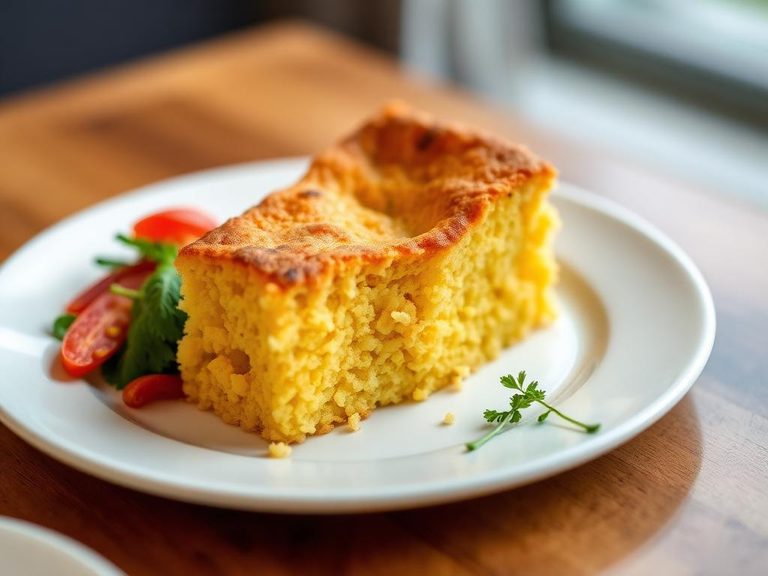
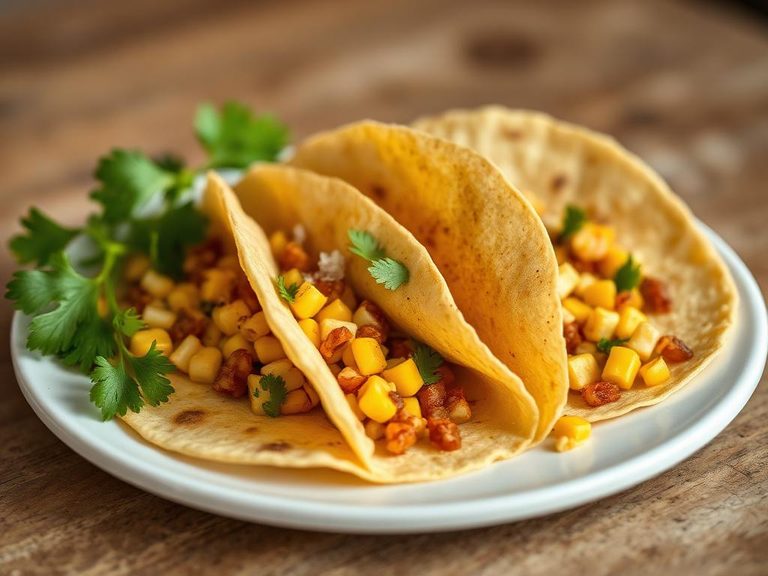
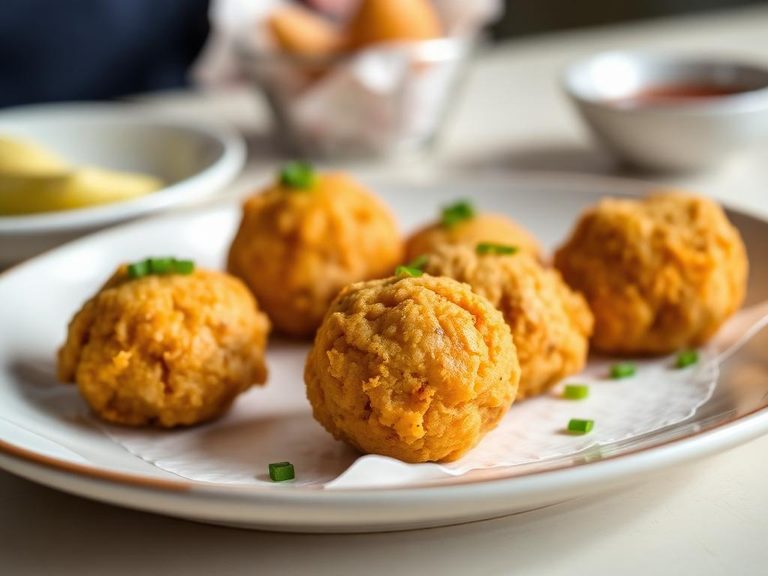
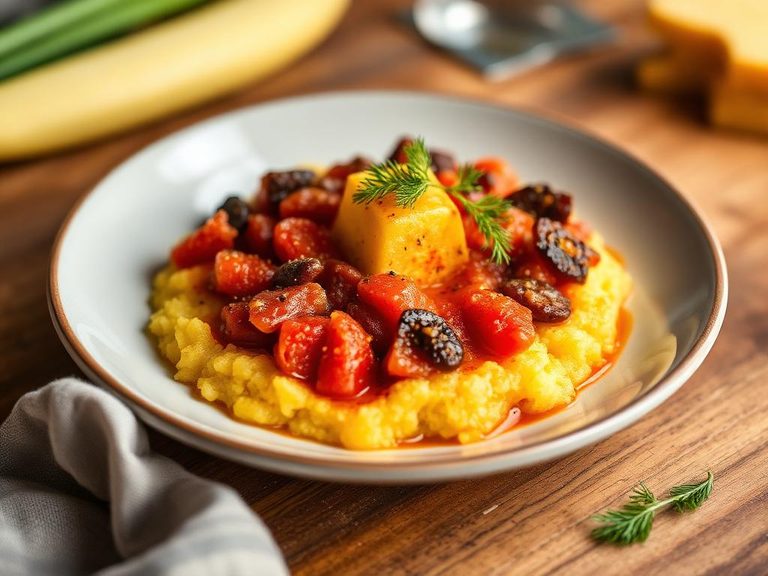
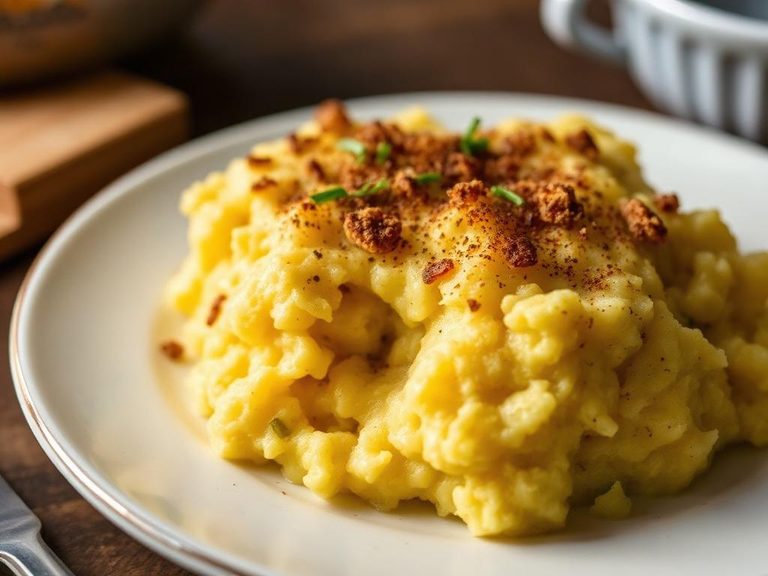
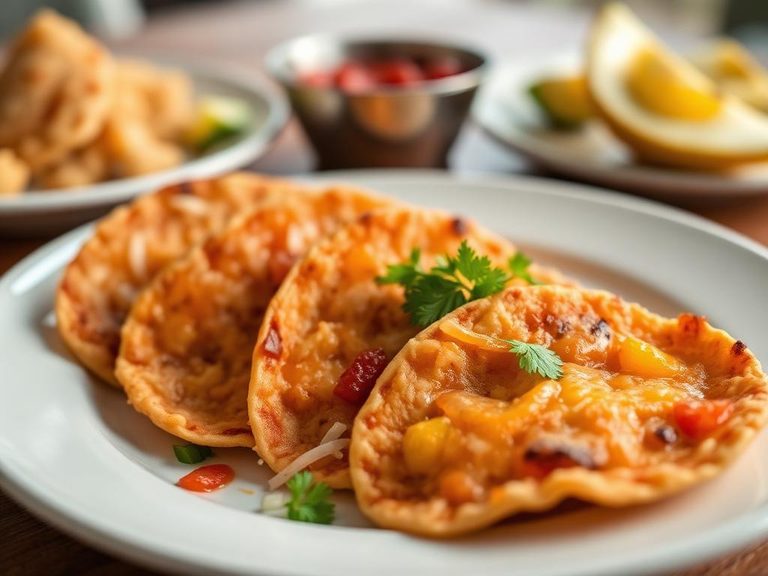
🌍 Where it's eaten
💡 Did you know?
The process of 'nixtamalization,' where corn is cooked with an alkaline solution like lime water, dramatically increases the bioavailability of its niacin (vitamin B3) and is a cornerstone of Mesoamerican cuisine.
Full nutrition (USDA data · scales with serving)
| Water | 9.8 g |
| Energy | 375 kcal |
| Energy | 1569 kj |
| Protein | 5.6 g |
| Total lipid (fat) | 1.4 g |
| Ash | 0.46 g |
| Carbohydrate, by difference | 82.8 g |
| Fiber, total dietary | 1.9 g |
| Total Sugars | 0.64 g |
| Calcium, Ca | 2.0 mg |
| Iron, Fe | 0.91 mg |
| Magnesium, Mg | 18.0 mg |
| Phosphorus, P | 60.0 mg |
| Potassium, K | 90.0 mg |
| Sodium, Na | 1.0 mg |
| Zinc, Zn | 0.37 mg |
| Copper, Cu | 0.14 mg |
| Manganese, Mn | 0.06 mg |
| Selenium, Se | 8.0 ug |
| Vitamin C, total ascorbic acid | 0.00 mg |
| Thiamin | 0.07 mg |
| Riboflavin | 0.06 mg |
| Niacin | 2.7 mg |
| Pantothenic acid | 0.05 mg |
| Vitamin B-6 | 0.10 mg |
| Folate, total | 48.0 ug |
| Folic acid | 0.00 ug |
| Folate, food | 48.0 ug |
| Folate, DFE | 48.0 ug |
| Vitamin B-12 | 0.00 ug |
| Vitamin B-12, added | 0.00 ug |
| Vitamin A, RAE | 11.0 ug |
| Retinol | 0.00 ug |
| Carotene, beta | 97.0 ug |
| Carotene, alpha | 63.0 ug |
| Cryptoxanthin, beta | 0.00 ug |
| Vitamin A, IU | 214 iu |
| Lycopene | 0.00 ug |
| Lutein + zeaxanthin | 1355 ug |
| Vitamin E (alpha-tocopherol) | 0.15 mg |
| Vitamin E, added | 0.00 mg |
| Vitamin D (D2 + D3), International Units | 0.00 iu |
| Vitamin D (D2 + D3) | 0.00 ug |
| Vitamin K (phylloquinone) | 0.30 ug |
| Alcohol, ethyl | 0.00 g |
| Caffeine | 0.00 mg |
| Theobromine | 0.00 mg |
Fat & fatty acid profile (per 100g)
| Fatty acids, total saturated | 0.17 g |
| SFA 4:0 | 0.00 g |
| SFA 6:0 | 0.00 g |
| SFA 8:0 | 0.00 g |
| SFA 10:0 | 0.00 g |
| SFA 12:0 | 0.00 g |
| SFA 14:0 | 0.00 g |
| SFA 16:0 | 0.14 g |
| SFA 18:0 | 0.03 g |
| Fatty acids, total monounsaturated | 0.27 g |
| MUFA 16:1 | 0.00 g |
| MUFA 18:1 | 0.27 g |
| MUFA 20:1 | 0.00 g |
| MUFA 22:1 | 0.00 g |
| Fatty acids, total polyunsaturated | 0.69 g |
| PUFA 18:2 | 0.67 g |
| PUFA 18:3 | 0.02 g |
| PUFA 18:4 | 0.00 g |
| PUFA 20:4 | 0.00 g |
| PUFA 20:5 n-3 (EPA) | 0.00 g |
| PUFA 22:5 n-3 (DPA) | 0.00 g |
| PUFA 22:6 n-3 (DHA) | 0.00 g |
| Cholesterol | 0.00 mg |
Amino acid profile (per 100g)
Estimated from Pasta, gluten-free, corn flour and quinoa flour, cooked, ANCIENT HARVEST — USDA does not publish this profile for Corn flour.
| Tryptophan | 0.02 g |
| Threonine | 0.10 g |
| Isoleucine | 0.09 g |
| Leucine | 0.35 g |
| Lysine | 0.16 g |
| Methionine | 0.06 g |
| Cystine | 0.07 g |
| Phenylalanine | 0.15 g |
| Tyrosine | 0.12 g |
| Valine | 0.11 g |
| Arginine | 0.18 g |
| Histidine | 0.09 g |
| Alanine | 0.21 g |
| Aspartic acid | 0.19 g |
| Glutamic acid | 0.46 g |
| Glycine | 0.12 g |
| Proline | 0.29 g |
| Serine | 0.15 g |
| Hydroxyproline | 0.00 g |
FAQ
What's the difference between corn flour and cornmeal?
The main difference is grind size. Corn flour is ground very fine, like wheat flour, for batters and smooth textures. Cornmeal is ground coarser, for a gritty texture in dishes like polenta or cornbread.
Can I use this for gluten-free baking?
Yes, it's a key gluten-free flour, but it lacks the elasticity of gluten. It's often blended with other GF flours (like rice or tapioca) and a binder like xanthan gum for best results in breads and cakes.
What does 'degermed' mean?
It means the germ—the oily, nutrient-rich part of the corn kernel—has been removed. This gives the flour a longer shelf life but reduces its vitamin and mineral content compared to whole-grain corn flour.
Nutrient density (calculated · NRF9.3)
Nutrient Rich Foods index: beneficial nutrients (protein, fiber, vitamins, minerals) minus saturated fat, added sugar & sodium, per 100 kcal.
NRF9.3 index — Fulgoni, Keast & Drewnowski, 2009. Computed from USDA nutrients.
Weight-loss friendliness (composite index)
Energy density 3.75 kcal/g · 6% calories from protein · 1.9 g fiber · 0.6 g sugar per 100 g.
Composite of energy density (Rolls et al., 1999), protein & fiber satiety, minus sugar. A calculated heuristic — ranks satiety-per-calorie, not a clinical measure.
Dietary load (calculated from USDA values)
Potential renal acid load. Positive = acid-forming, negative = alkaline-forming.
Sodium-to-potassium ratio: 0.01 (lower is better — aim for ≤ 1)
Sodium:potassium per WHO potassium guidance. Computed from USDA nutrients.