

Corn, dried (Navajo)
Whole food · American Indian/Alaska Native Foods

Photo: Wikipedia
Navajo dried corn, often called 'blue corn' or 'dried hominy,' is a traditional staple with a deep, nutty, earthy flavor and a firm, chewy texture when rehydrated. It's a nutritional powerhouse, packed with complex carbohydrates for sustained energy and a notable protein content for a grain. Its vibrant blue-purple hue signals a rich store of antioxidants.
Calorie split: 10% protein · 78% carbs · 12% fat
↓ Full nutrition💚 Why it's loved
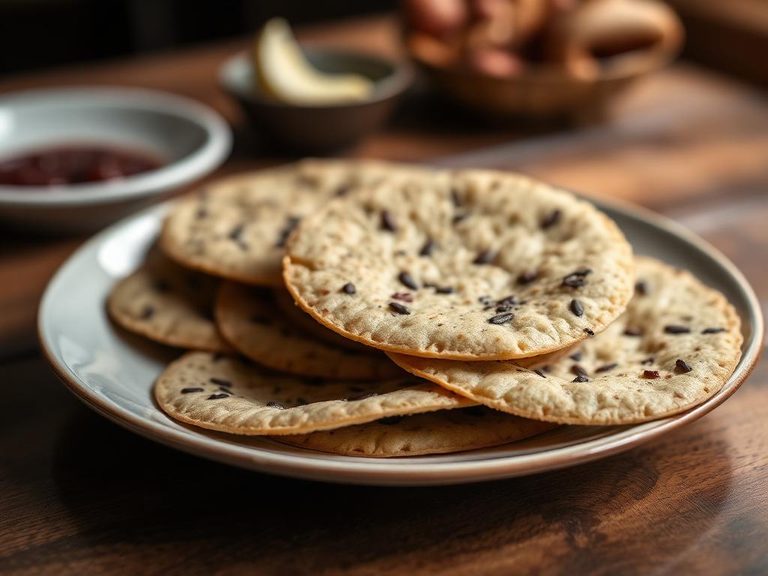
It's cherished for its robust, corn-forward flavor that forms the soul of traditional dishes like blue corn mush and piki bread. Its cultural significance and unique color make it a beloved ingredient in Southwestern and Native American cuisine.
⚠️ Watch-outs & how to enjoy it better
As a high-carb, low-fiber dried food, it can cause rapid blood-sugar spikes if eaten alone in large portions. To counteract this, pair it with a source of protein (like beans or meat) or healthy fat (like avocado or nuts) to slow digestion and stabilize glucose response.
Key benefits
- Excellent source of complex carbohydrates for energy.
- Good plant-based protein source.
- Contains antioxidants from its blue-purple pigment.
- Naturally gluten-free whole grain.
- Long shelf life when dried.
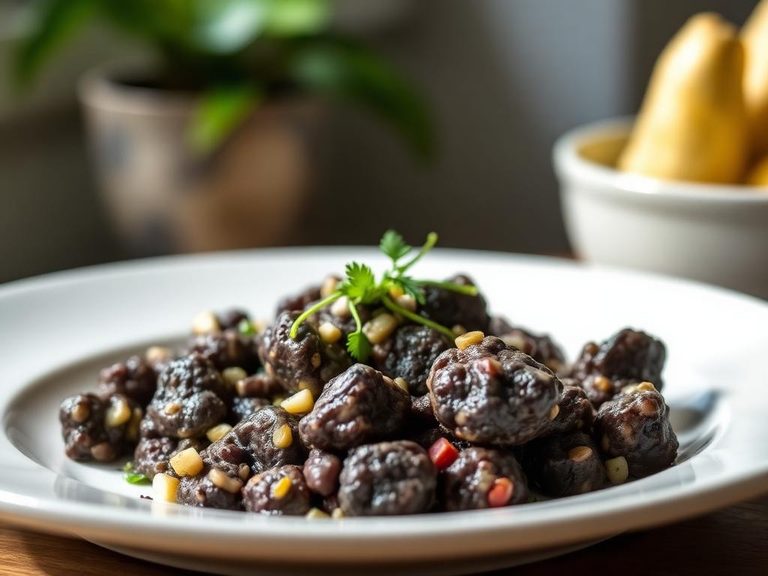
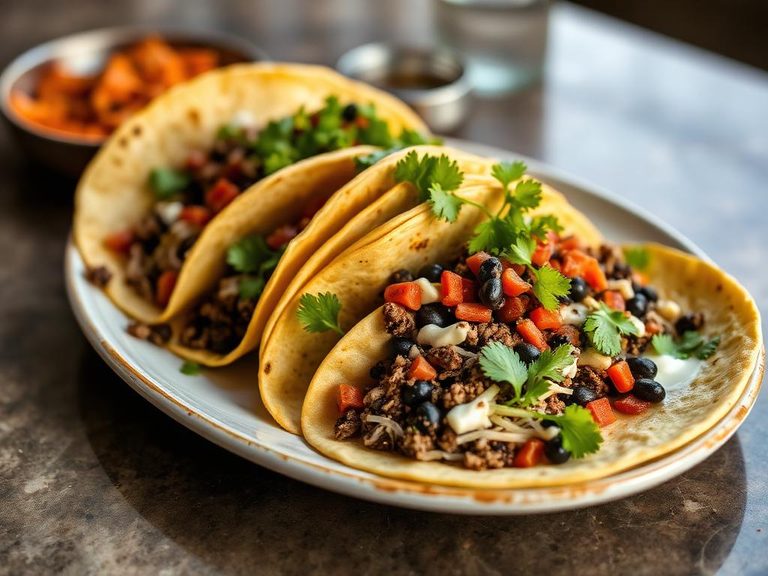
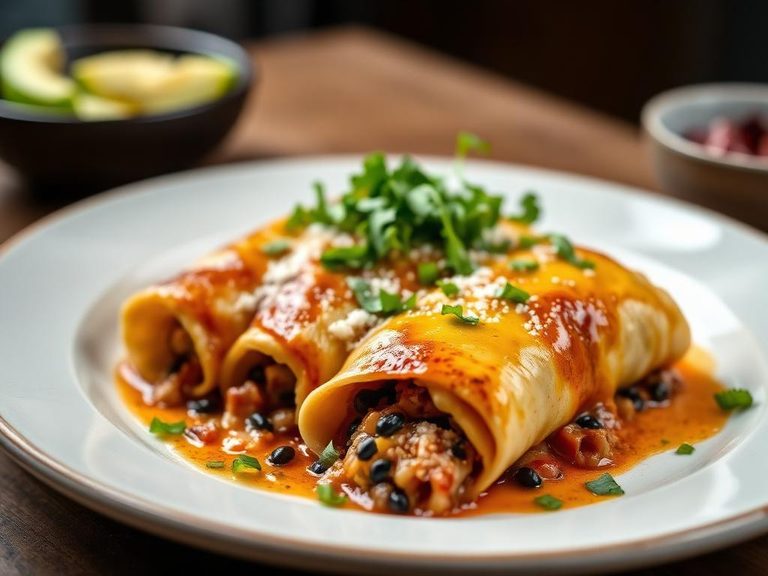
🍽️ Popular dishes
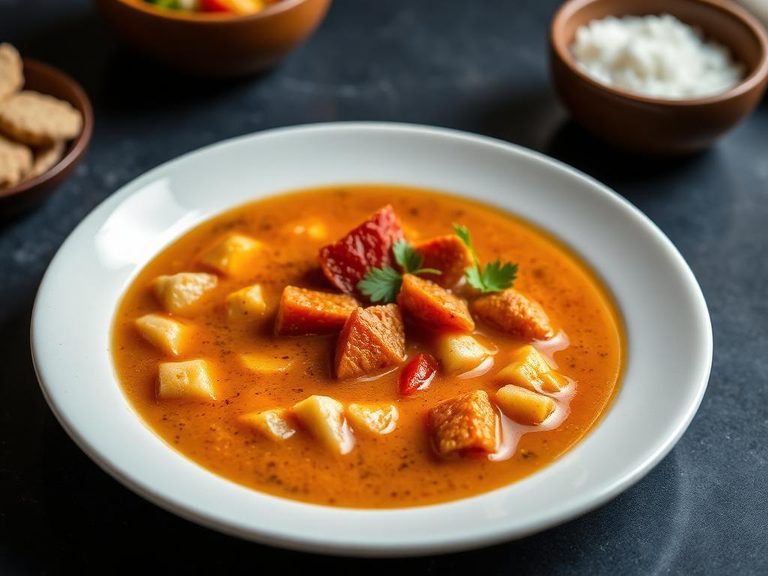
🌍 Where it's eaten
💡 Did you know?
The blue color comes from anthocyanins, the same antioxidants found in blueberries, and was selectively bred by Indigenous farmers for centuries.
Full nutrition (USDA data · scales with serving)
| Water | 8.1 g |
| Energy | 386 kcal |
| Energy | 1616 kj |
| Protein | 9.9 g |
| Total lipid (fat) | 5.2 g |
| Ash | 1.9 g |
| Carbohydrate, by difference | 74.9 g |
| Total Sugars | 5.4 g |
| Sucrose | 3.4 g |
| Glucose | 1.0 g |
| Fructose | 0.99 g |
| Lactose | 0.00 g |
| Maltose | 0.00 g |
| Galactose | 0.00 g |
| Starch | 48.2 g |
| Calcium, Ca | 15.0 mg |
| Iron, Fe | 1.9 mg |
| Magnesium, Mg | 124 mg |
| Phosphorus, P | 337 mg |
| Potassium, K | 511 mg |
| Sodium, Na | 13.0 mg |
| Zinc, Zn | 3.0 mg |
| Copper, Cu | 0.20 mg |
| Manganese, Mn | 0.85 mg |
| Vitamin C, total ascorbic acid | 0.00 mg |
| Thiamin | 0.20 mg |
| Riboflavin | 0.07 mg |
| Niacin | 3.3 mg |
| Pantothenic acid | 0.38 mg |
| Vitamin B-6 | 0.37 mg |
| Folate, total | 77.0 ug |
| Folate, food | 77.0 ug |
| Vitamin E (alpha-tocopherol) | 0.00 mg |
| Tocopherol, beta | 0.00 mg |
| Tocopherol, gamma | 0.00 mg |
| Tocopherol, delta | 0.00 mg |
| Tocotrienol, alpha | 0.00 mg |
| Tocotrienol, beta | 0.00 mg |
| Tocotrienol, gamma | 0.00 mg |
| Tocotrienol, delta | 0.00 mg |
| Vitamin K (phylloquinone) | 0.90 ug |
| Vitamin K (Dihydrophylloquinone) | 0.00 ug |
Fat & fatty acid profile (per 100g)
| Fatty acids, total saturated | 0.82 g |
| SFA 8:0 | 0.00 g |
| SFA 10:0 | 0.00 g |
| SFA 12:0 | 0.00 g |
| SFA 14:0 | 0.00 g |
| SFA 15:0 | 0.00 g |
| SFA 16:0 | 0.66 g |
| SFA 17:0 | 0.01 g |
| SFA 18:0 | 0.12 g |
| SFA 20:0 | 0.03 g |
| SFA 22:0 | 0.01 g |
| Fatty acids, total monounsaturated | 1.5 g |
| MUFA 14:1 | 0.00 g |
| MUFA 15:1 | 0.00 g |
| MUFA 16:1 | 0.01 g |
| MUFA 17:1 | 0.00 g |
| MUFA 18:1 | 1.5 g |
| MUFA 20:1 | 0.02 g |
| Fatty acids, total polyunsaturated | 1.9 g |
| PUFA 18:2 | 1.8 g |
| PUFA 18:3 | 0.07 g |
| PUFA 18:3 n-3 c,c,c (ALA) | 0.07 g |
| PUFA 18:3 n-6 c,c,c | 0.00 g |
| PUFA 20:2 n-6 c,c | 0.00 g |
| PUFA 20:3 | 0.00 g |
| PUFA 20:4 | 0.00 g |
Amino acid profile (per 100g)
Estimated from Corn, dried, yellow (Northern Plains Indians) — USDA does not publish this profile for Corn.
| Tryptophan | 0.09 g |
| Threonine | 0.43 g |
| Isoleucine | 0.48 g |
| Leucine | 1.5 g |
| Lysine | 0.50 g |
| Methionine | 0.29 g |
| Cystine | 0.20 g |
| Phenylalanine | 0.64 g |
| Tyrosine | 0.47 g |
| Valine | 0.66 g |
| Arginine | 0.58 g |
| Histidine | 0.31 g |
| Alanine | 1.2 g |
| Aspartic acid | 1.0 g |
| Glutamic acid | 2.4 g |
| Glycine | 0.54 g |
| Proline | 1.0 g |
| Serine | 0.73 g |
FAQ
How is Navajo dried corn different from regular dried corn?
It's a specific variety (often blue or purple) traditionally cultivated by the Navajo people, prized for its distinct nutty flavor, color, and cultural uses in dishes like piki bread.
Do I need to soak or cook it before eating?
Yes, it's typically ground into meal or flour, or rehydrated by soaking and then cooking into a porridge, mush, or dough for breads and tortillas.
Is it the same as hominy?
They are related. Hominy is corn treated with an alkali (nixtamalization), while Navajo dried corn is often used whole or ground without that specific process, though some preparations may use it.
Nutrient density (calculated · NRF9.3)
Nutrient Rich Foods index: beneficial nutrients (protein, fiber, vitamins, minerals) minus saturated fat, added sugar & sodium, per 100 kcal.
NRF9.3 index — Fulgoni, Keast & Drewnowski, 2009. Computed from USDA nutrients.
Weight-loss friendliness (composite index)
Energy density 3.86 kcal/g · 10% calories from protein · 0.0 g fiber · 5.4 g sugar per 100 g.
Composite of energy density (Rolls et al., 1999), protein & fiber satiety, minus sugar. A calculated heuristic — ranks satiety-per-calorie, not a clinical measure.
Dietary load (calculated from USDA values)
Potential renal acid load. Positive = acid-forming, negative = alkaline-forming.
Sodium-to-potassium ratio: 0.03 (lower is better — aim for ≤ 1)
Sodium:potassium per WHO potassium guidance. Computed from USDA nutrients.