

Coffee, Latte
Common food
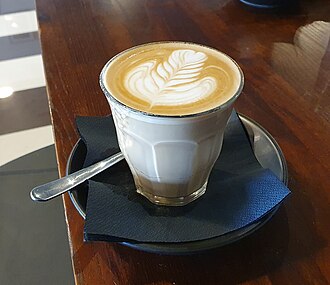
Photo: Wikipedia
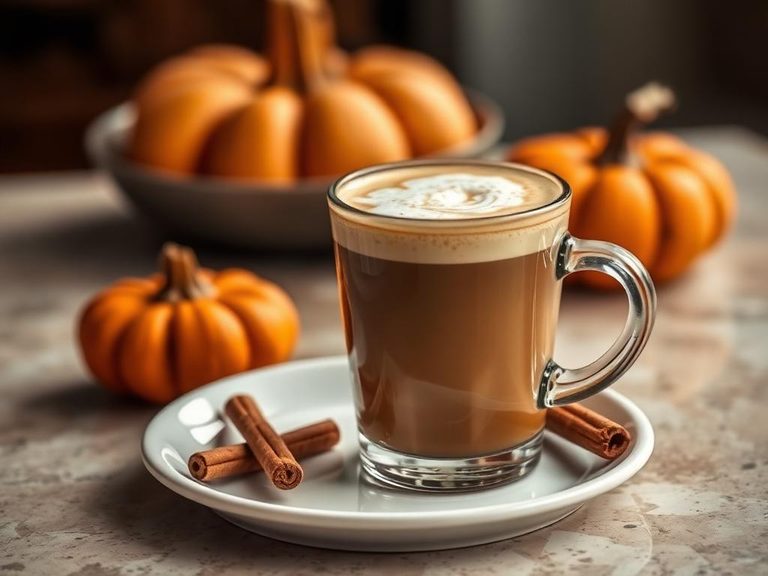
A latte is a harmonious blend of one or two shots of espresso with steamed milk and a thin layer of microfoam. It offers a smooth, creamy texture that mellows the espresso's robust bitterness into a comforting, milk-forward sip. Nutritionally, it's a moderate source of protein and calcium from the milk, with a modest calorie count for a satisfying beverage.
Calorie split: 26% protein · 40% carbs · 34% fat
↓ Full nutrition💚 Why it's loved
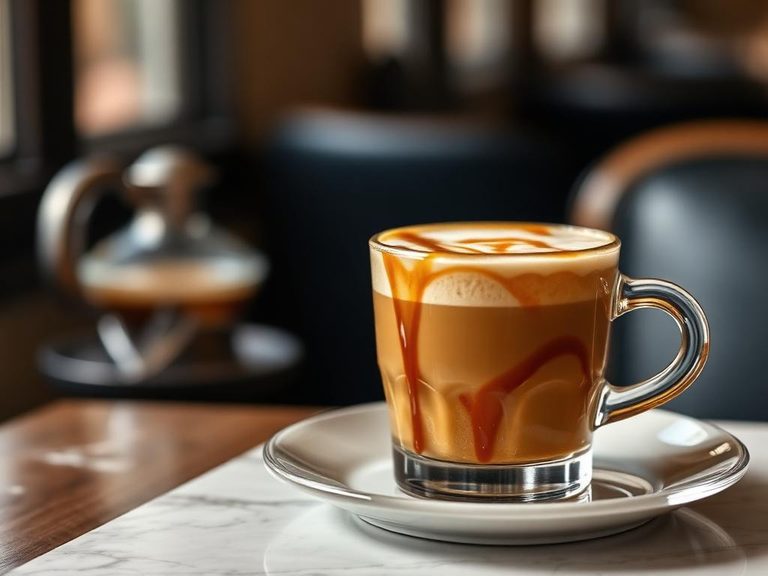
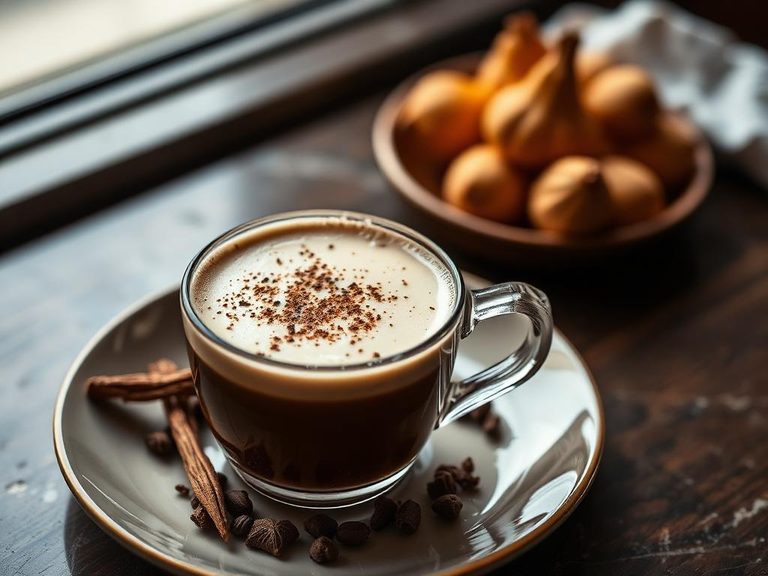
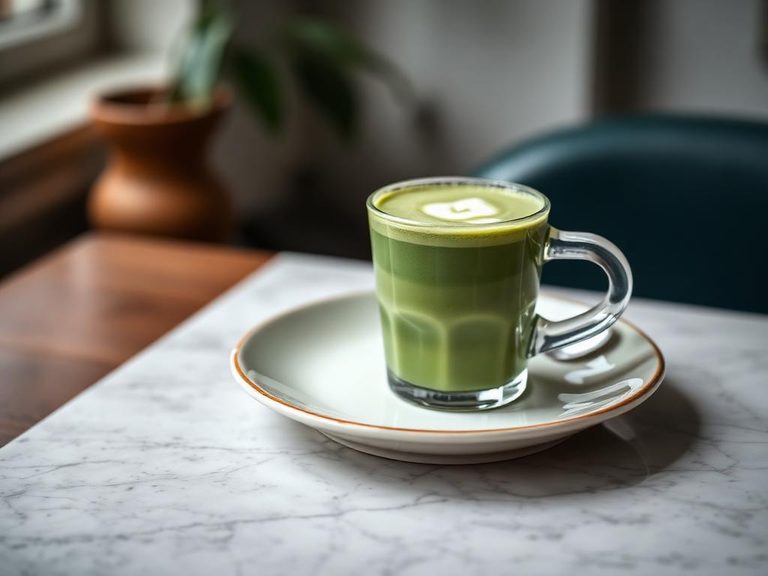
People adore lattes for their perfect balance of rich coffee flavor and creamy, comforting texture, making them a cozy daily ritual. The drink's versatility allows for endless customization with syrups, spices, and alternative milks to suit any taste.
⚠️ Watch-outs & how to enjoy it better
The added milk can contribute to lactose intolerance symptoms or be a concern for those monitoring saturated fat intake. The sugar content, especially in flavored versions, can cause blood sugar spikes. To counteract this, opt for sugar-free syrups, choose low-fat or plant-based milks, and enjoy it alongside a source of protein or fiber to slow sugar absorption.
Key benefits
- Provides calcium and protein from milk
- Contains antioxidants from coffee beans
- Can enhance alertness and focus from caffeine
- Offers a comforting, ritualistic routine
- Versatile base for flavor customization
🍽️ Popular dishes


🌍 Where it's eaten
💡 Did you know?
The term 'latte' is derived from the Italian 'caffè latte,' which literally translates to 'milk coffee,' highlighting its simple, milk-centric composition.
Full nutrition (USDA data · scales with serving)
| Water | 90.6 g |
| Energy | 43.0 kcal |
| Protein | 2.8 g |
| Total lipid (fat) | 1.6 g |
| Carbohydrate, by difference | 4.3 g |
| Fiber, total dietary | 0.00 g |
| Total Sugars | 4.1 g |
| Calcium, Ca | 105 mg |
| Iron, Fe | 0.02 mg |
| Magnesium, Mg | 23.0 mg |
| Phosphorus, P | 87.0 mg |
| Potassium, K | 152 mg |
| Sodium, Na | 35.0 mg |
| Zinc, Zn | 0.37 mg |
| Copper, Cu | 0.01 mg |
| Selenium, Se | 1.5 ug |
| Vitamin C, total ascorbic acid | 0.20 mg |
| Thiamin | 0.04 mg |
| Riboflavin | 0.14 mg |
| Niacin | 0.97 mg |
| Vitamin B-6 | 0.05 mg |
| Folate, total | 2.0 ug |
| Folic acid | 0.00 ug |
| Folate, food | 2.0 ug |
| Folate, DFE | 2.0 ug |
| Choline, total | 14.1 mg |
| Vitamin B-12 | 0.37 ug |
| Vitamin B-12, added | 0.00 ug |
| Vitamin A, RAE | 69.0 ug |
| Retinol | 69.0 ug |
| Carotene, beta | 2.0 ug |
| Carotene, alpha | 0.00 ug |
| Cryptoxanthin, beta | 0.00 ug |
| Lycopene | 0.00 ug |
| Lutein + zeaxanthin | 0.00 ug |
| Vitamin E (alpha-tocopherol) | 0.03 mg |
| Vitamin E, added | 0.00 mg |
| Vitamin D (D2 + D3) | 0.90 ug |
| Vitamin K (phylloquinone) | 0.20 ug |
| Alcohol, ethyl | 0.00 g |
| Caffeine | 36.0 mg |
| Theobromine | 0.00 mg |
Fat & fatty acid profile (per 100g)
| Fatty acids, total saturated | 0.94 g |
| SFA 4:0 | 0.03 g |
| SFA 6:0 | 0.03 g |
| SFA 8:0 | 0.02 g |
| SFA 10:0 | 0.04 g |
| SFA 12:0 | 0.05 g |
| SFA 14:0 | 0.15 g |
| SFA 16:0 | 0.43 g |
| SFA 18:0 | 0.15 g |
| Fatty acids, total monounsaturated | 0.33 g |
| MUFA 16:1 | 0.02 g |
| MUFA 18:1 | 0.34 g |
| MUFA 20:1 | 0.00 g |
| MUFA 22:1 | 0.00 g |
| Fatty acids, total polyunsaturated | 0.06 g |
| PUFA 18:2 | 0.07 g |
| PUFA 18:3 | 0.01 g |
| PUFA 18:4 | 0.00 g |
| PUFA 20:4 | 0.00 g |
| PUFA 20:5 n-3 (EPA) | 0.00 g |
| PUFA 22:5 n-3 (DPA) | 0.00 g |
| PUFA 22:6 n-3 (DHA) | 0.00 g |
| Cholesterol | 7.0 mg |
Amino acid profile (per 100g)
Estimated from Cream, fluid, light (coffee cream or table cream) — USDA does not publish this profile for Coffee.
| Tryptophan | 0.07 g |
| Threonine | 0.13 g |
| Isoleucine | 0.15 g |
| Leucine | 0.24 g |
| Lysine | 0.13 g |
| Methionine | 0.07 g |
| Cystine | 0.01 g |
| Phenylalanine | 0.14 g |
| Tyrosine | 0.14 g |
| Valine | 0.18 g |
| Arginine | 0.07 g |
| Histidine | 0.07 g |
| Alanine | 0.09 g |
| Aspartic acid | 0.22 g |
| Glutamic acid | 0.59 g |
| Glycine | 0.07 g |
| Proline | 0.31 g |
| Serine | 0.10 g |
FAQ
How is a latte different from a cappuccino?
A latte has more steamed milk and a thin layer of foam, making it creamier and larger in volume. A cappuccino has equal parts espresso, steamed milk, and a thick, airy foam, resulting in a stronger coffee taste and lighter texture.
Can I make a latte without an espresso machine?
Yes, you can use strong brewed coffee (like French press or AeroPress) as a substitute for espresso. For the milk, you can heat and froth it using a whisk, a handheld milk frother, or by shaking heated milk in a sealed jar.
What's the best milk alternative for a latte?
Oat milk is widely considered the best alternative due to its natural creaminess and ability to foam well, closely mimicking dairy. Soy milk is another good option for its protein content and frothing ability, while almond milk offers a lighter, nuttier flavor.
Nutrient density (calculated · NRF9.3)
Nutrient Rich Foods index: beneficial nutrients (protein, fiber, vitamins, minerals) minus saturated fat, added sugar & sodium, per 100 kcal.
NRF9.3 index — Fulgoni, Keast & Drewnowski, 2009. Computed from USDA nutrients.
Weight-loss friendliness (composite index)
Energy density 0.43 kcal/g · 26% calories from protein · 0.0 g fiber · 4.1 g sugar per 100 g.
Composite of energy density (Rolls et al., 1999), protein & fiber satiety, minus sugar. A calculated heuristic — ranks satiety-per-calorie, not a clinical measure.
Dietary load (calculated from USDA values)
Potential renal acid load. Positive = acid-forming, negative = alkaline-forming.
Sodium-to-potassium ratio: 0.23 (lower is better — aim for ≤ 1)
Sodium:potassium per WHO potassium guidance. Computed from USDA nutrients.