

Cheese, Mozzarella, reduced sodium
Common food

Photo: Wikipedia
Reduced-sodium mozzarella is a semi-soft, fresh Italian cheese prized for its milky, mild flavor and signature stretchy, elastic texture. It offers a robust protein punch of 27.5g per 100g with a moderate 17.1g of fat, making it a satisfying, low-carb staple. The reduced sodium content makes it a heart-healthier alternative to traditional mozzarella without sacrificing the classic melt.
Calorie split: 40% protein · 4% carbs · 56% fat
↓ Full nutrition💚 Why it's loved
People adore it for its unparalleled meltability and the satisfying 'cheese pull' that elevates any dish from ordinary to indulgent. Its mild, creamy flavor acts as a perfect canvas, pairing beautifully with everything from spicy peppers to sweet tomatoes.
⚠️ Watch-outs & how to enjoy it better
While lower in sodium, it remains a dairy product and a common allergen, so those with lactose intolerance or milk allergies should be cautious. To counteract potential digestive discomfort, pair it with high-fiber vegetables or choose a lactose-free version, and always practice portion control to manage saturated fat intake.
Key benefits
- High-quality protein source for muscle repair
- Lower sodium content supports cardiovascular health
- Rich in calcium for bone and teeth maintenance
- Low in carbohydrates, ideal for keto and low-carb diets
- Contains phosphorus and B vitamins
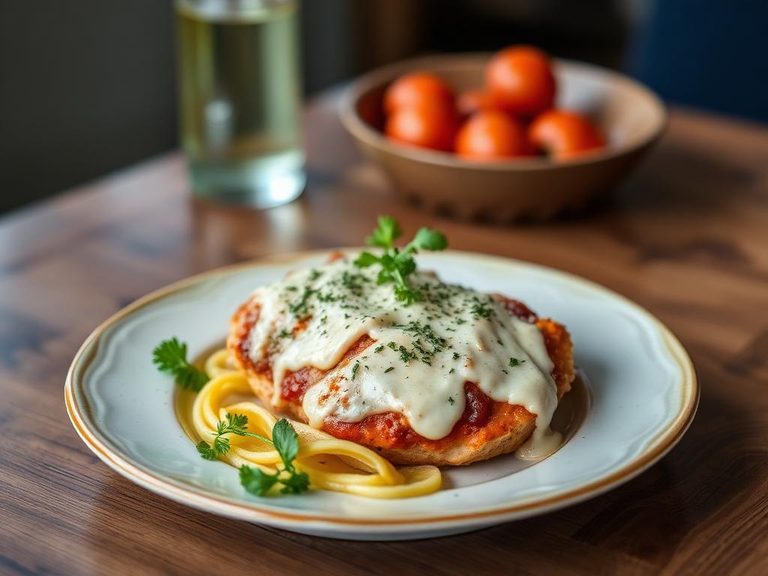
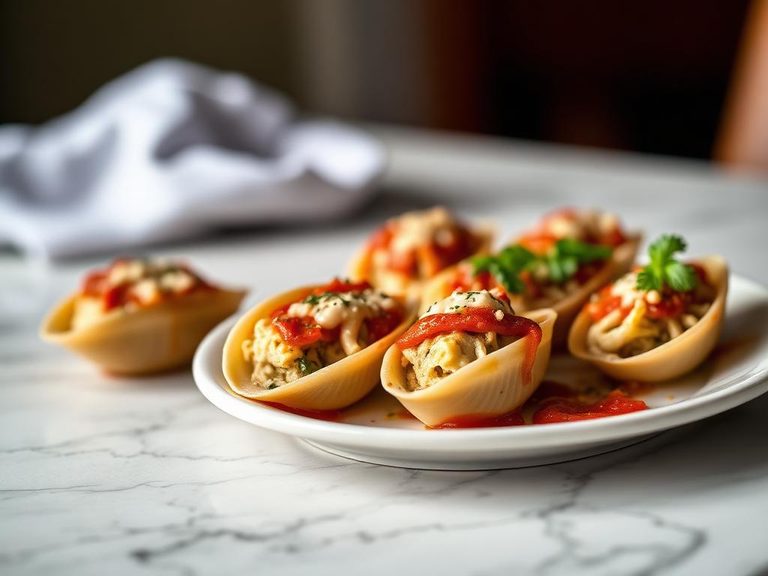
🍽️ Popular dishes
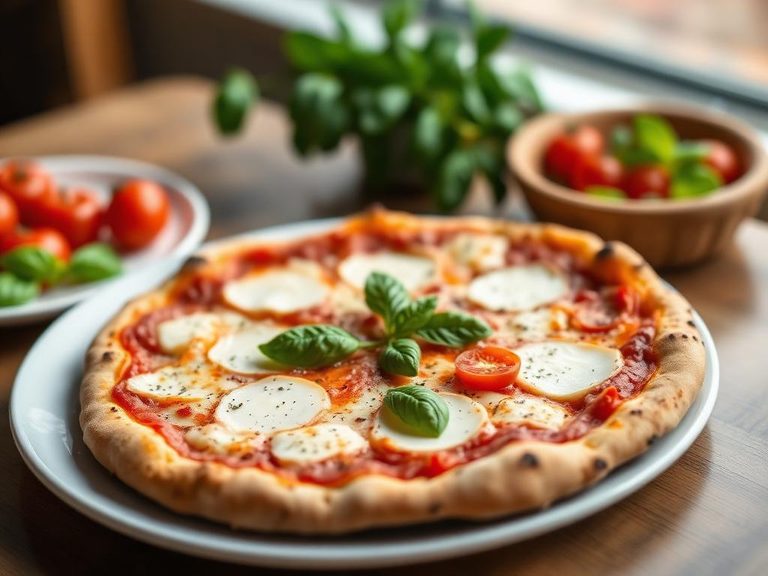
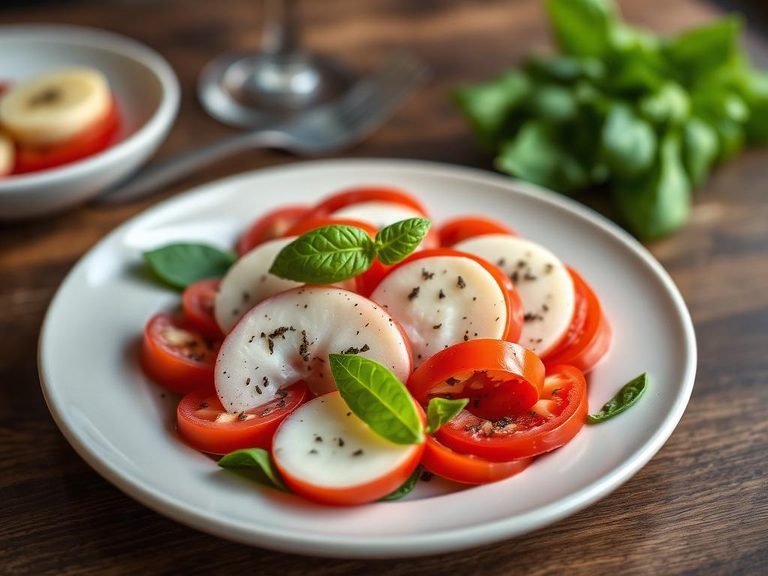
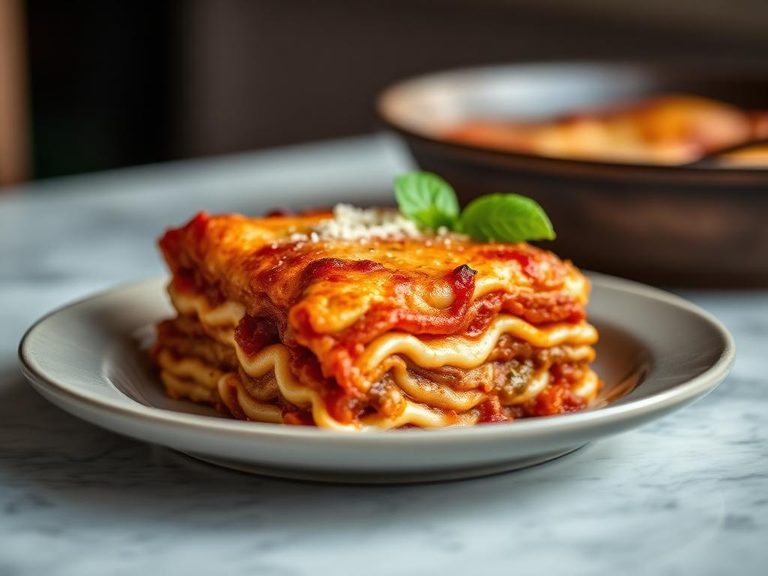
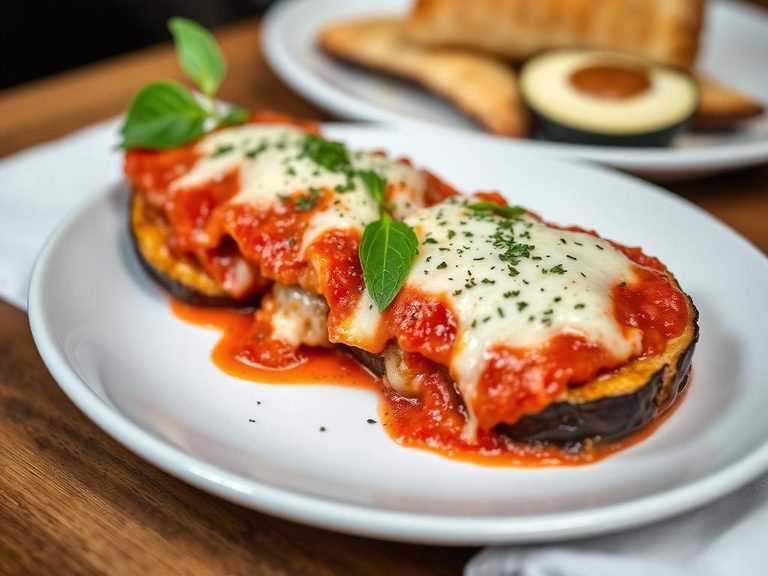
🌍 Where it's eaten
💡 Did you know?
Traditional mozzarella di bufala is made from the milk of water buffalo, which have a higher fat content than cow's milk, giving the cheese its exceptionally rich and creamy texture.
Full nutrition (USDA data · scales with serving)
| Water | 49.9 g |
| Energy | 280 kcal |
| Protein | 27.5 g |
| Total lipid (fat) | 17.1 g |
| Carbohydrate, by difference | 3.1 g |
| Fiber, total dietary | 0.00 g |
| Total Sugars | 1.2 g |
| Calcium, Ca | 731 mg |
| Iron, Fe | 0.25 mg |
| Magnesium, Mg | 26.0 mg |
| Phosphorus, P | 524 mg |
| Potassium, K | 95.0 mg |
| Sodium, Na | 16.0 mg |
| Zinc, Zn | 3.1 mg |
| Copper, Cu | 0.03 mg |
| Selenium, Se | 15.7 ug |
| Vitamin C, total ascorbic acid | 0.00 mg |
| Thiamin | 0.02 mg |
| Riboflavin | 0.34 mg |
| Niacin | 0.12 mg |
| Vitamin B-6 | 0.08 mg |
| Folate, total | 9.0 ug |
| Folic acid | 0.00 ug |
| Folate, food | 9.0 ug |
| Folate, DFE | 9.0 ug |
| Choline, total | 18.4 mg |
| Vitamin B-12 | 0.92 ug |
| Vitamin B-12, added | 0.00 ug |
| Vitamin A, RAE | 137 ug |
| Retinol | 133 ug |
| Carotene, beta | 44.0 ug |
| Carotene, alpha | 0.00 ug |
| Cryptoxanthin, beta | 0.00 ug |
| Lycopene | 0.00 ug |
| Lutein + zeaxanthin | 0.00 ug |
| Vitamin E (alpha-tocopherol) | 0.15 mg |
| Vitamin E, added | 0.00 mg |
| Vitamin D (D2 + D3) | 0.30 ug |
| Vitamin K (phylloquinone) | 1.8 ug |
| Alcohol, ethyl | 0.00 g |
| Caffeine | 0.00 mg |
| Theobromine | 0.00 mg |
Fat & fatty acid profile (per 100g)
| Fatty acids, total saturated | 10.9 g |
| SFA 4:0 | 0.56 g |
| SFA 6:0 | 0.11 g |
| SFA 8:0 | 0.12 g |
| SFA 10:0 | 0.27 g |
| SFA 12:0 | 0.18 g |
| SFA 14:0 | 1.7 g |
| SFA 16:0 | 5.2 g |
| SFA 18:0 | 2.1 g |
| Fatty acids, total monounsaturated | 4.8 g |
| MUFA 16:1 | 0.47 g |
| MUFA 18:1 | 4.2 g |
| MUFA 20:1 | 0.00 g |
| MUFA 22:1 | 0.00 g |
| Fatty acids, total polyunsaturated | 0.51 g |
| PUFA 18:2 | 0.36 g |
| PUFA 18:3 | 0.15 g |
| PUFA 18:4 | 0.00 g |
| PUFA 20:4 | 0.00 g |
| PUFA 20:5 n-3 (EPA) | 0.00 g |
| PUFA 22:5 n-3 (DPA) | 0.00 g |
| PUFA 22:6 n-3 (DHA) | 0.00 g |
| Cholesterol | 54.0 mg |
Amino acid profile (per 100g)
Estimated from Crackers, cheese, sandwich-type with cheese filling — USDA does not publish this profile for Cheese.
| Tryptophan | 0.11 g |
| Threonine | 0.33 g |
| Isoleucine | 0.36 g |
| Leucine | 0.64 g |
| Lysine | 0.39 g |
| Methionine | 0.15 g |
| Cystine | 0.15 g |
| Phenylalanine | 0.35 g |
| Tyrosine | 0.25 g |
| Valine | 0.38 g |
| Arginine | 0.29 g |
| Histidine | 0.17 g |
| Alanine | 0.30 g |
| Aspartic acid | 0.52 g |
| Glutamic acid | 2.2 g |
| Glycine | 0.24 g |
| Proline | 0.77 g |
| Serine | 0.40 g |
FAQ
What is the difference between fresh and low-moisture mozzarella?
Fresh mozzarella is soft, moist, and typically sold in brine, while low-moisture mozzarella is firmer, drier, and better for melting and shredding on pizza.
How does reduced sodium affect the taste and texture?
The flavor is slightly milder and less salty, and the texture may be a touch softer, but it still provides the classic stretch and melt.
Is reduced-sodium mozzarella suitable for a keto diet?
Yes, with only 3.1g of carbs per 100g, it is an excellent choice for a ketogenic or low-carb lifestyle.
Can I freeze reduced-sodium mozzarella?
Yes, but the texture may become crumbly and watery upon thawing, so it's best used in cooked dishes rather than fresh salads.
Nutrient density (calculated · NRF9.3)
Nutrient Rich Foods index: beneficial nutrients (protein, fiber, vitamins, minerals) minus saturated fat, added sugar & sodium, per 100 kcal.
NRF9.3 index — Fulgoni, Keast & Drewnowski, 2009. Computed from USDA nutrients.
Weight-loss friendliness (composite index)
Energy density 2.80 kcal/g · 39% calories from protein · 0.0 g fiber · 1.2 g sugar per 100 g.
Composite of energy density (Rolls et al., 1999), protein & fiber satiety, minus sugar. A calculated heuristic — ranks satiety-per-calorie, not a clinical measure.
Dietary load (calculated from USDA values)
Potential renal acid load. Positive = acid-forming, negative = alkaline-forming.
Sodium-to-potassium ratio: 0.17 (lower is better — aim for ≤ 1)
Sodium:potassium per WHO potassium guidance. Computed from USDA nutrients.