

Cheese, Mozzarella, nonfat or fat free
Common food
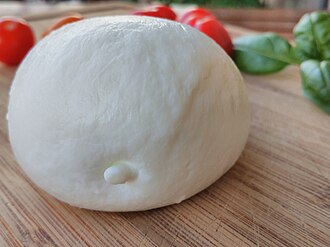
Photo: Wikipedia
Nonfat mozzarella is a fresh, semi-soft Italian cheese prized for its mild, milky flavor and signature stretch when melted. It's a nutritional powerhouse, delivering a remarkable 31.7 grams of protein per 100 grams with virtually no fat. This makes it a lean, high-protein staple for everything from salads to baked dishes.
Calorie split: 90% protein · 10% carbs · 0% fat
↓ Full nutrition💚 Why it's loved
People adore it for its mild, crowd-pleasing flavor and unparalleled melting quality, which creates that iconic, satisfying cheese pull. Its versatility allows it to be the star of a simple Caprese salad or the essential topping on a classic pizza.
⚠️ Watch-outs & how to enjoy it better
The primary downside is its high sodium content, which can contribute to water retention and is a concern for those monitoring blood pressure. As a dairy product, it's a common allergen for those with milk protein sensitivities. To counteract sodium, pair it with potassium-rich foods like tomatoes or leafy greens, and practice portion control by using it as a flavorful accent rather than the main event.
Key benefits
- Exceptionally high in protein for muscle maintenance and satiety.
- Virtually fat-free, reducing overall calorie density.
- Good source of calcium for bone health.
- Contains probiotics from its fermentation process.
- Low in lactose compared to many other cheeses.
🍽️ Popular dishes
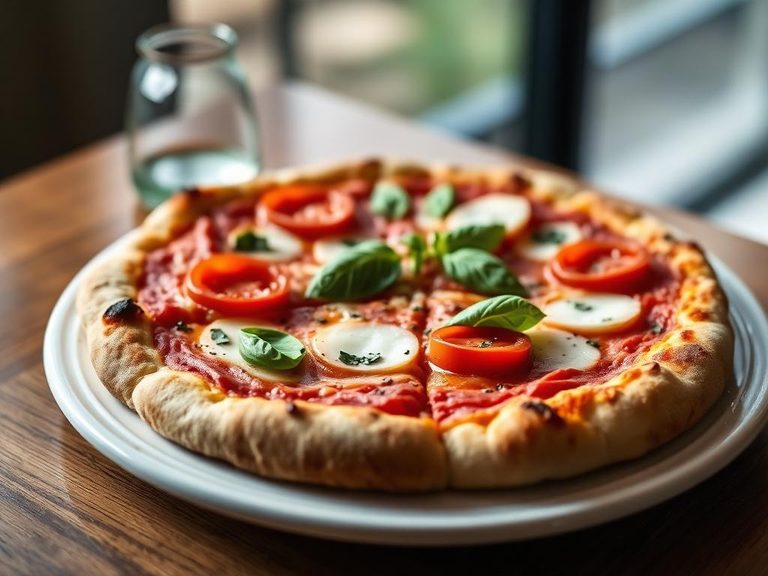
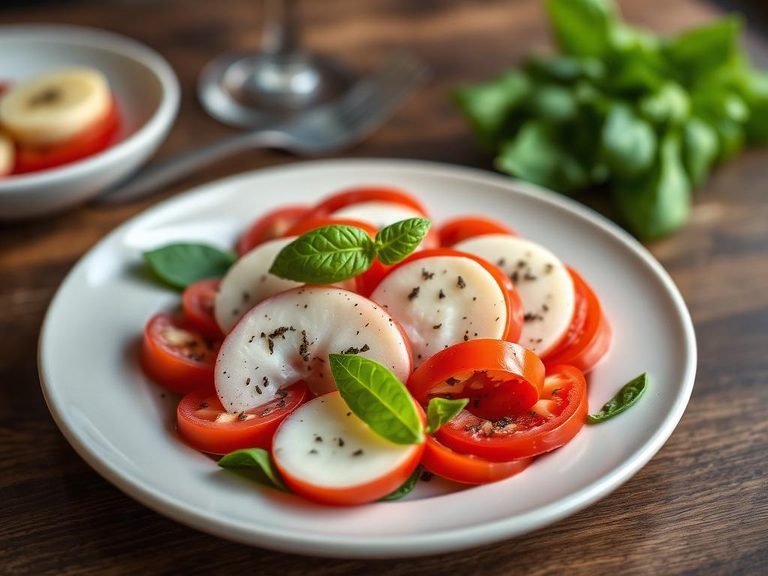
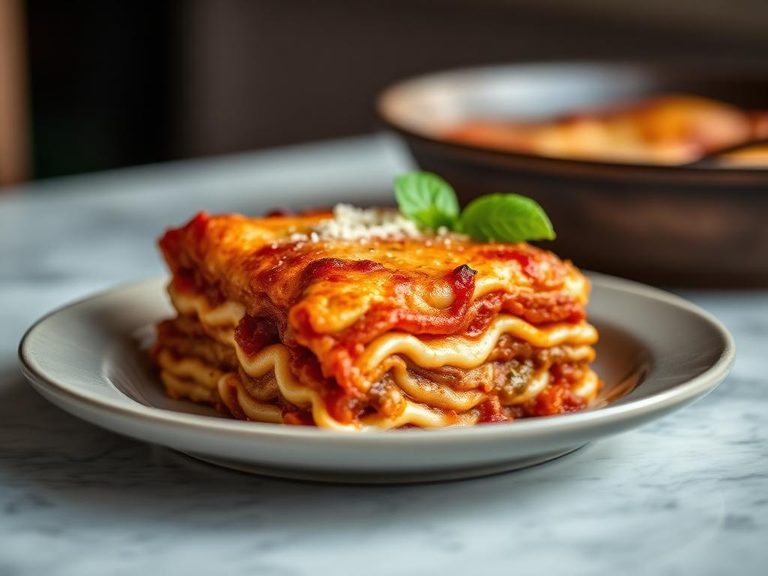
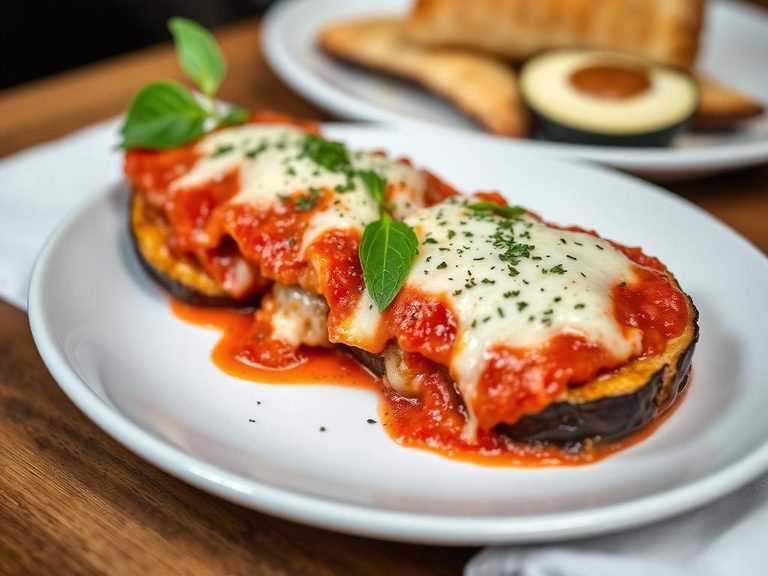
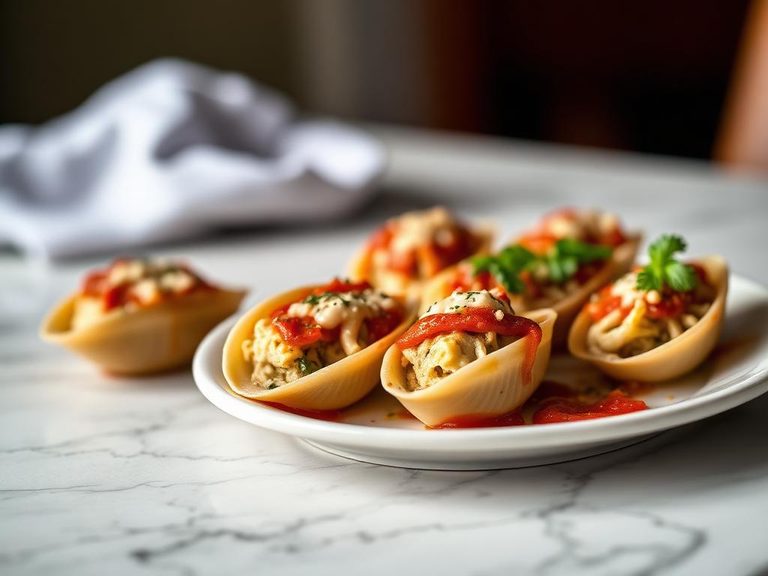
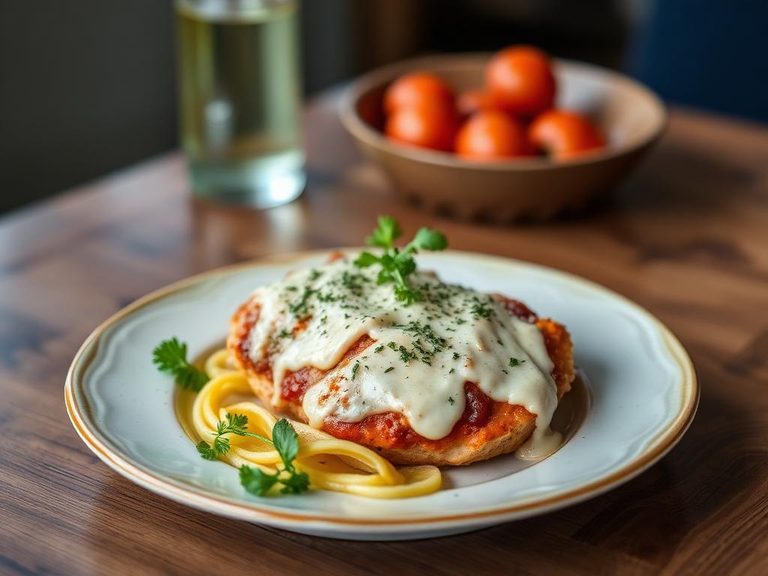
🌍 Where it's eaten
💡 Did you know?
Traditional mozzarella is made from the milk of water buffalo (mozzarella di bufala), and the fresh curds are stretched and kneaded in hot water—a process called 'pasta filata'—which gives it its unique, fibrous texture.
Full nutrition (USDA data · scales with serving)
| Water | 60.2 g |
| Energy | 141 kcal |
| Protein | 31.7 g |
| Total lipid (fat) | 0.00 g |
| Carbohydrate, by difference | 3.5 g |
| Fiber, total dietary | 1.8 g |
| Total Sugars | 1.5 g |
| Calcium, Ca | 961 mg |
| Iron, Fe | 0.31 mg |
| Magnesium, Mg | 33.0 mg |
| Phosphorus, P | 656 mg |
| Potassium, K | 106 mg |
| Sodium, Na | 743 mg |
| Zinc, Zn | 3.9 mg |
| Copper, Cu | 0.03 mg |
| Selenium, Se | 18.9 ug |
| Vitamin C, total ascorbic acid | 0.00 mg |
| Thiamin | 0.02 mg |
| Riboflavin | 0.30 mg |
| Niacin | 0.12 mg |
| Vitamin B-6 | 0.08 mg |
| Folate, total | 10.0 ug |
| Folic acid | 0.00 ug |
| Folate, food | 10.0 ug |
| Folate, DFE | 10.0 ug |
| Choline, total | 15.4 mg |
| Vitamin B-12 | 0.92 ug |
| Vitamin B-12, added | 0.00 ug |
| Vitamin A, RAE | 127 ug |
| Retinol | 124 ug |
| Carotene, beta | 41.0 ug |
| Carotene, alpha | 0.00 ug |
| Cryptoxanthin, beta | 0.00 ug |
| Lycopene | 0.00 ug |
| Lutein + zeaxanthin | 0.00 ug |
| Vitamin E (alpha-tocopherol) | 0.14 mg |
| Vitamin E, added | 0.00 mg |
| Vitamin D (D2 + D3) | 0.00 ug |
| Vitamin K (phylloquinone) | 1.6 ug |
| Alcohol, ethyl | 0.00 g |
| Caffeine | 0.00 mg |
| Theobromine | 0.00 mg |
Fat & fatty acid profile (per 100g)
| Fatty acids, total saturated | 0.00 g |
| SFA 4:0 | 0.00 g |
| SFA 6:0 | 0.00 g |
| SFA 8:0 | 0.00 g |
| SFA 10:0 | 0.00 g |
| SFA 12:0 | 0.00 g |
| SFA 14:0 | 0.00 g |
| SFA 16:0 | 0.00 g |
| SFA 18:0 | 0.00 g |
| Fatty acids, total monounsaturated | 0.00 g |
| MUFA 16:1 | 0.00 g |
| MUFA 18:1 | 0.00 g |
| MUFA 20:1 | 0.00 g |
| MUFA 22:1 | 0.00 g |
| Fatty acids, total polyunsaturated | 0.00 g |
| PUFA 18:2 | 0.00 g |
| PUFA 18:3 | 0.00 g |
| PUFA 18:4 | 0.00 g |
| PUFA 20:4 | 0.00 g |
| PUFA 20:5 n-3 (EPA) | 0.00 g |
| PUFA 22:5 n-3 (DPA) | 0.00 g |
| PUFA 22:6 n-3 (DHA) | 0.00 g |
| Cholesterol | 18.0 mg |
Amino acid profile (per 100g)
Estimated from Crackers, cheese, sandwich-type with cheese filling — USDA does not publish this profile for Cheese.
| Tryptophan | 0.11 g |
| Threonine | 0.33 g |
| Isoleucine | 0.36 g |
| Leucine | 0.64 g |
| Lysine | 0.39 g |
| Methionine | 0.15 g |
| Cystine | 0.15 g |
| Phenylalanine | 0.35 g |
| Tyrosine | 0.25 g |
| Valine | 0.38 g |
| Arginine | 0.29 g |
| Histidine | 0.17 g |
| Alanine | 0.30 g |
| Aspartic acid | 0.52 g |
| Glutamic acid | 2.2 g |
| Glycine | 0.24 g |
| Proline | 0.77 g |
| Serine | 0.40 g |
FAQ
Is nonfat mozzarella as good for melting as regular?
It melts well and provides stretch, but it has less of the rich, oily mouthfeel of full-fat mozzarella. It can brown faster and may release more moisture, so it's best used in dishes where other ingredients provide some fat or liquid balance.
Why does it have so much protein?
The cheesemaking process concentrates the milk proteins (casein and whey). Removing the fat further increases the proportion of protein by weight, making it one of the most protein-dense cheese options available.
Can I use it in a cold salad?
Absolutely. Its mild flavor and soft texture make it ideal for cold applications like Caprese or pasta salads. Just be aware that it has a higher water content, so patting it dry can prevent salads from becoming watery.
Nutrient density (calculated · NRF9.3)
Nutrient Rich Foods index: beneficial nutrients (protein, fiber, vitamins, minerals) minus saturated fat, added sugar & sodium, per 100 kcal.
NRF9.3 index — Fulgoni, Keast & Drewnowski, 2009. Computed from USDA nutrients.
Weight-loss friendliness (composite index)
Energy density 1.41 kcal/g · 90% calories from protein · 1.8 g fiber · 1.5 g sugar per 100 g.
Composite of energy density (Rolls et al., 1999), protein & fiber satiety, minus sugar. A calculated heuristic — ranks satiety-per-calorie, not a clinical measure.
Dietary load (calculated from USDA values)
Potential renal acid load. Positive = acid-forming, negative = alkaline-forming.
Sodium-to-potassium ratio: 7.01 (lower is better — aim for ≤ 1)
Sodium:potassium per WHO potassium guidance. Computed from USDA nutrients.