

Cheese, cottage, lowfat, 1% milkfat, lactose reduced
Whole food · Dairy and Egg Products

Photo: Wikipedia
This is a light, creamy curd cheese with a mild, slightly tangy flavor and a soft, moist texture. It's a protein powerhouse, packing over 12 grams per 100g while keeping fat and calories low. The lactose-reduced version makes this high-protein staple more digestible for many.
Calorie split: 69% protein · 18% carbs · 13% fat
↓ Full nutrition💚 Why it's loved
People love its versatility as a blank canvas—it can be sweet with fruit or savory with herbs. It's a beloved, protein-packed breakfast or snack that feels indulgent yet wholesome.
⚠️ Watch-outs & how to enjoy it better
Its mild flavor can be perceived as bland or chalky by some. To counteract this, mix it with bold ingredients like fresh berries, a drizzle of honey, or savory spices like everything bagel seasoning. Those watching sodium should check labels, as some brands add salt.
Key benefits
- Excellent source of lean protein for muscle maintenance.
- Very low in fat, supporting calorie-conscious diets.
- Lactose-reduced formula aids digestion for sensitive individuals.
- Provides calcium and phosphorus for bone health.
- High in casein protein, which digests slowly and promotes fullness.
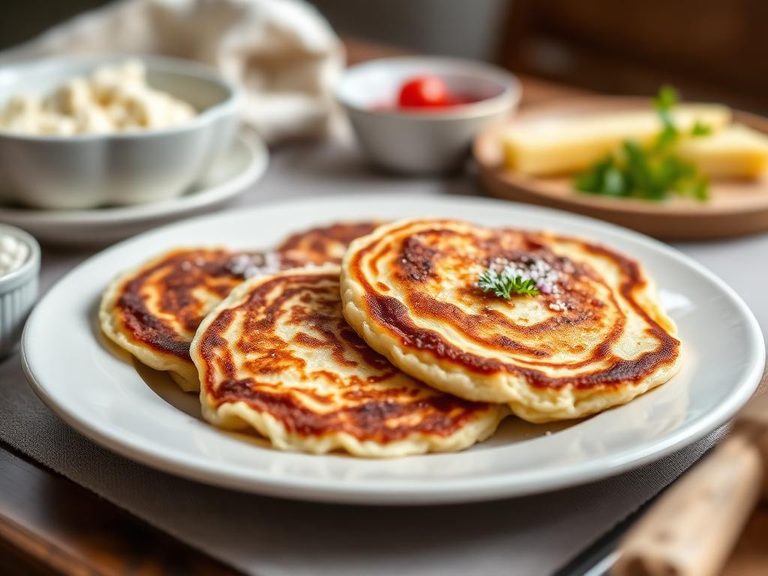
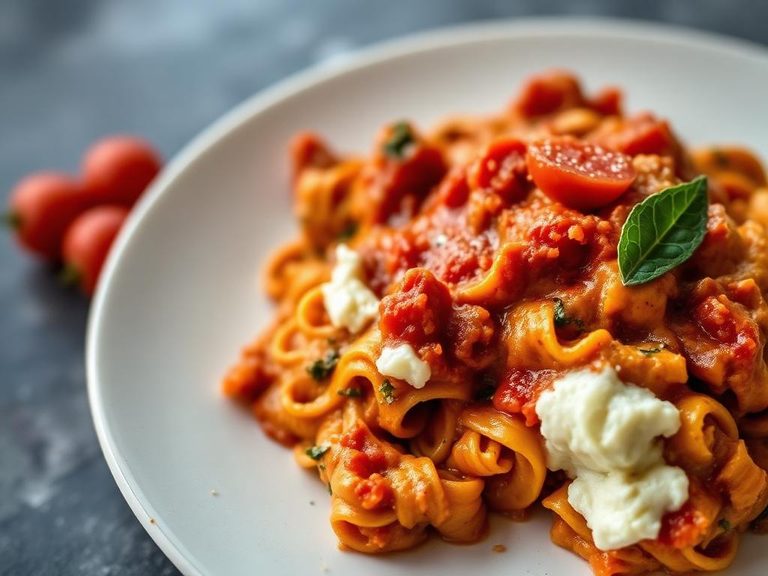
🍽️ Popular dishes
🌍 Where it's eaten
💡 Did you know?
Cottage cheese gets its name from its simple, small-curd production process, which was historically made in cottages from leftover milk.
Full nutrition (USDA data · scales with serving)
| Water | 82.5 g |
| Energy | 74.0 kcal |
| Energy | 310 kj |
| Protein | 12.4 g |
| Total lipid (fat) | 1.0 g |
| Ash | 0.90 g |
| Carbohydrate, by difference | 3.2 g |
| Fiber, total dietary | 0.60 g |
| Total Sugars | 2.6 g |
| Calcium, Ca | 53.0 mg |
| Iron, Fe | 0.14 mg |
| Magnesium, Mg | 5.0 mg |
| Phosphorus, P | 134 mg |
| Potassium, K | 86.0 mg |
| Sodium, Na | 220 mg |
| Zinc, Zn | 0.38 mg |
| Copper, Cu | 0.03 mg |
| Selenium, Se | 9.0 ug |
| Vitamin C, total ascorbic acid | 0.00 mg |
| Thiamin | 0.02 mg |
| Riboflavin | 0.16 mg |
| Niacin | 0.13 mg |
| Vitamin B-6 | 0.07 mg |
| Folate, total | 12.0 ug |
| Folic acid | 0.00 ug |
| Folate, food | 12.0 ug |
| Folate, DFE | 12.0 ug |
| Choline, total | 17.5 mg |
| Vitamin B-12 | 0.63 ug |
| Vitamin B-12, added | 0.00 ug |
| Vitamin A, RAE | 11.0 ug |
| Retinol | 11.0 ug |
| Carotene, beta | 3.0 ug |
| Carotene, alpha | 0.00 ug |
| Cryptoxanthin, beta | 0.00 ug |
| Vitamin A, IU | 40.0 iu |
| Lycopene | 0.00 ug |
| Lutein + zeaxanthin | 0.00 ug |
| Vitamin E (alpha-tocopherol) | 0.01 mg |
| Vitamin E, added | 0.00 mg |
| Vitamin D (D2 + D3), International Units | 0.00 iu |
| Vitamin D (D2 + D3) | 0.00 ug |
| Vitamin K (phylloquinone) | 0.10 ug |
| Alcohol, ethyl | 0.00 g |
| Caffeine | 0.00 mg |
| Theobromine | 0.00 mg |
Fat & fatty acid profile (per 100g)
| Fatty acids, total saturated | 0.64 g |
| SFA 4:0 | 0.03 g |
| SFA 6:0 | 0.01 g |
| SFA 8:0 | 0.01 g |
| SFA 10:0 | 0.02 g |
| SFA 12:0 | 0.02 g |
| SFA 14:0 | 0.11 g |
| SFA 16:0 | 0.31 g |
| SFA 18:0 | 0.12 g |
| Fatty acids, total monounsaturated | 0.29 g |
| MUFA 16:1 | 0.04 g |
| MUFA 18:1 | 0.24 g |
| MUFA 20:1 | 0.00 g |
| MUFA 22:1 | 0.00 g |
| Fatty acids, total polyunsaturated | 0.03 g |
| PUFA 18:2 | 0.02 g |
| PUFA 18:3 | 0.01 g |
| PUFA 18:4 | 0.00 g |
| PUFA 20:4 | 0.00 g |
| PUFA 20:5 n-3 (EPA) | 0.00 g |
| PUFA 22:5 n-3 (DPA) | 0.00 g |
| PUFA 22:6 n-3 (DHA) | 0.00 g |
| Cholesterol | 4.0 mg |
Amino acid profile (per 100g)
Estimated from Cheese, cottage, with vegetables — USDA does not publish this profile for Cheese.
| Tryptophan | 0.13 g |
| Threonine | 0.53 g |
| Isoleucine | 0.70 g |
| Leucine | 1.2 g |
| Lysine | 0.97 g |
| Methionine | 0.36 g |
| Cystine | 0.11 g |
| Phenylalanine | 0.65 g |
| Tyrosine | 0.64 g |
| Valine | 0.74 g |
| Arginine | 0.55 g |
| Histidine | 0.40 g |
| Alanine | 0.62 g |
| Aspartic acid | 0.82 g |
| Glutamic acid | 2.6 g |
| Glycine | 0.27 g |
| Proline | 1.4 g |
| Serine | 0.67 g |
FAQ
What's the difference between low-fat and non-fat cottage cheese?
Low-fat (like 1% milkfat) has a creamier texture and richer mouthfeel due to the small amount of fat. Non-fat versions are often drier and can have a slightly sharper tang.
Is it good for building muscle?
Yes, it's excellent. It's rich in casein protein, which is absorbed slowly, making it ideal for sustained muscle protein synthesis, especially before bed.
Why is it 'lactose reduced'?
The lactase enzyme is added during production to break down most of the lactose (milk sugar), making it easier to digest for those with lactose intolerance.
Nutrient density (calculated · NRF9.3)
Nutrient Rich Foods index: beneficial nutrients (protein, fiber, vitamins, minerals) minus saturated fat, added sugar & sodium, per 100 kcal.
NRF9.3 index — Fulgoni, Keast & Drewnowski, 2009. Computed from USDA nutrients.
Weight-loss friendliness (composite index)
Energy density 0.74 kcal/g · 67% calories from protein · 0.6 g fiber · 2.6 g sugar per 100 g.
Composite of energy density (Rolls et al., 1999), protein & fiber satiety, minus sugar. A calculated heuristic — ranks satiety-per-calorie, not a clinical measure.
Dietary load (calculated from USDA values)
Potential renal acid load. Positive = acid-forming, negative = alkaline-forming.
Sodium-to-potassium ratio: 2.56 (lower is better — aim for ≤ 1)
Sodium:potassium per WHO potassium guidance. Computed from USDA nutrients.