

Cheese, american cheddar, imitation
Whole food · Dairy and Egg Products

Photo: Wikipedia
This is a smooth, meltable processed cheese product designed for consistent performance, not a natural aged cheddar. It has a mild, salty, and distinctly tangy flavor with a soft, pliable texture that resists separating when heated. Nutritionally, it's a significant source of protein and fat, with a notable amount of added sugar for a savory item.
Calorie split: 28% protein · 19% carbs · 53% fat
↓ Full nutrition💚 Why it's loved
People love its reliable meltability and mild, salty tang that enhances rather than dominates a dish. It's a nostalgic, convenient staple for quick sandwiches and classic American comfort food.
⚠️ Watch-outs & how to enjoy it better
It often contains significant sodium and added sugars, which can contribute to blood pressure and blood sugar spikes. Those monitoring sodium or sugar intake should check labels and use sparingly, perhaps by pairing it with fiber-rich vegetables or whole-grain bread to slow absorption.
Key benefits
- Excellent source of protein (16.7g per 100g)
- Provides a good amount of calcium and phosphorus
- Melts smoothly and consistently without oiling off
- Long shelf life and convenient pre-sliced format
- Lower in lactose than many natural cheeses
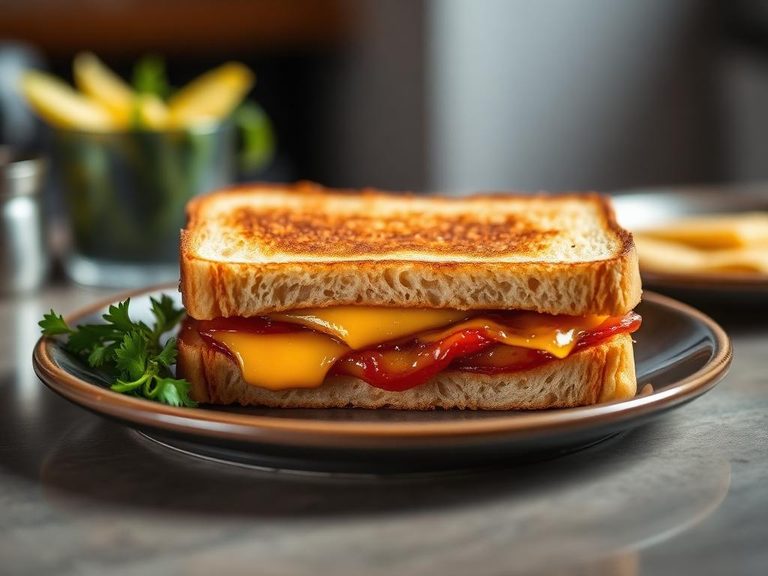
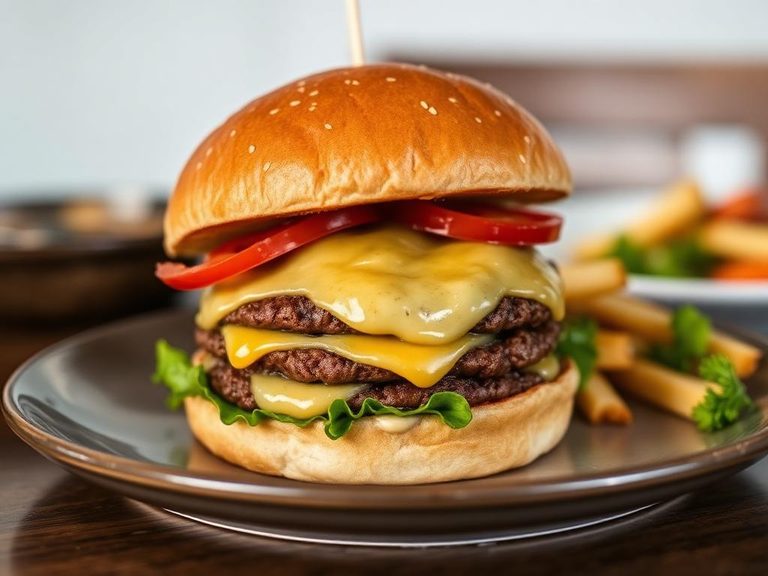
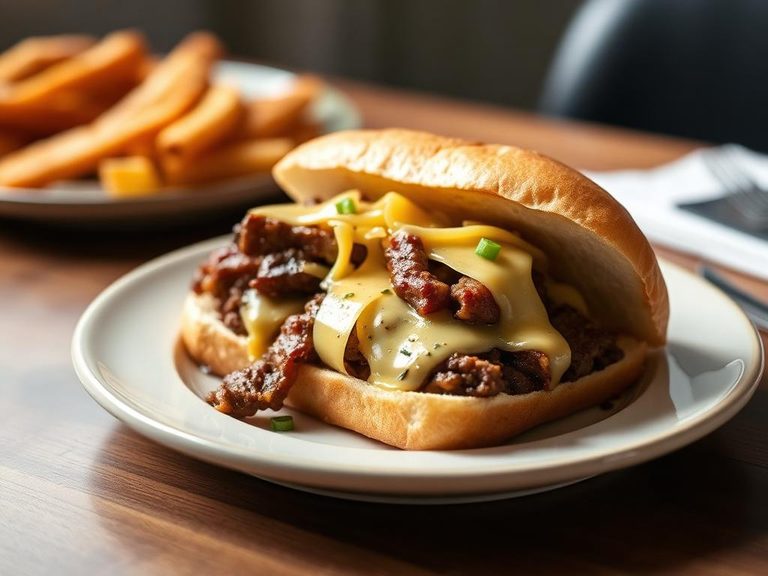
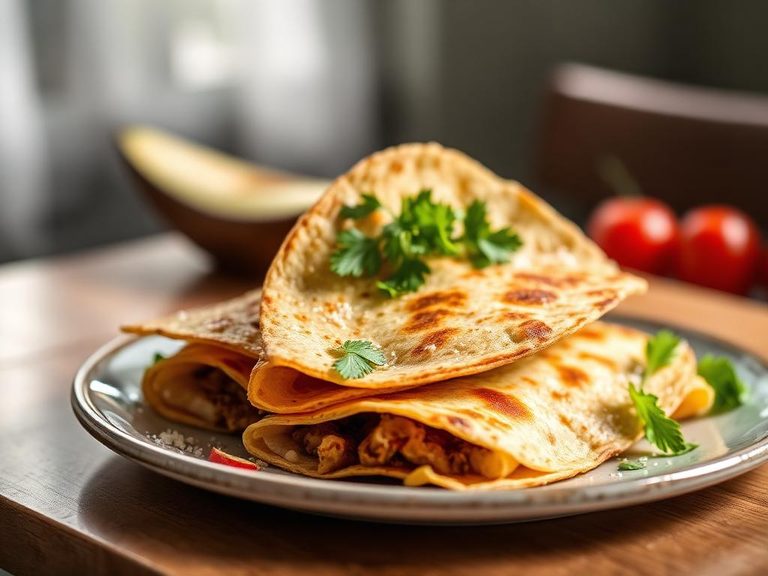
🍽️ Popular dishes
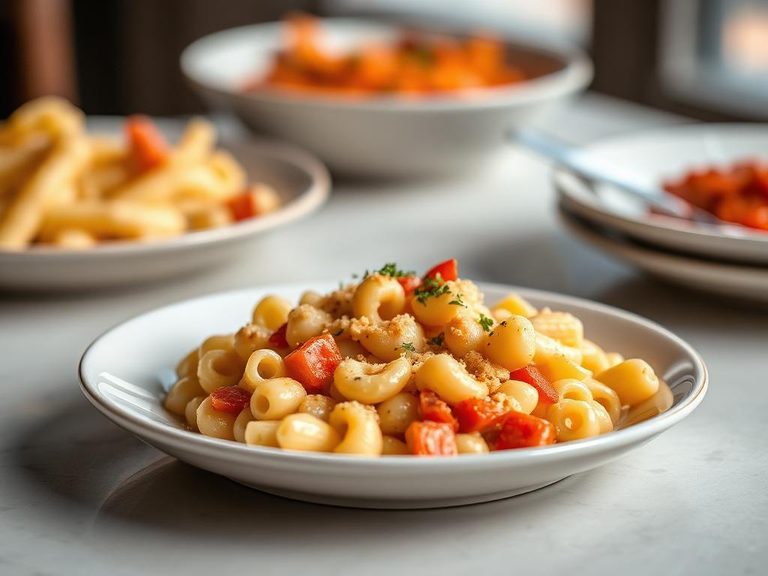
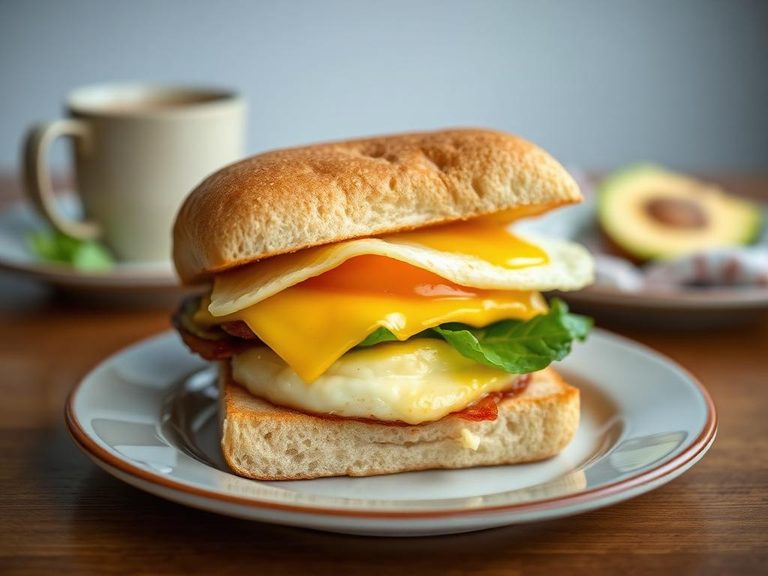
🌍 Where it's eaten
💡 Did you know?
American cheese was invented in the 1910s by James L. Kraft, who patented a process for making 'processed cheese food' that could be shipped long distances without spoiling.
Full nutrition (USDA data · scales with serving)
| Water | 53.1 g |
| Energy | 239 kcal |
| Energy | 1000 kj |
| Protein | 16.7 g |
| Total lipid (fat) | 14.0 g |
| Ash | 4.6 g |
| Carbohydrate, by difference | 11.6 g |
| Fiber, total dietary | 0.00 g |
| Total Sugars | 7.7 g |
| Calcium, Ca | 562 mg |
| Iron, Fe | 0.33 mg |
| Magnesium, Mg | 29.0 mg |
| Phosphorus, P | 712 mg |
| Potassium, K | 242 mg |
| Sodium, Na | 1345 mg |
| Zinc, Zn | 2.6 mg |
| Copper, Cu | 0.03 mg |
| Selenium, Se | 15.2 ug |
| Vitamin C, total ascorbic acid | 0.00 mg |
| Thiamin | 0.05 mg |
| Riboflavin | 0.43 mg |
| Niacin | 0.13 mg |
| Vitamin B-6 | 0.12 mg |
| Folate, total | 7.0 ug |
| Folic acid | 0.00 ug |
| Folate, food | 7.0 ug |
| Folate, DFE | 7.0 ug |
| Choline, total | 0.00 mg |
| Vitamin B-12 | 0.40 ug |
| Vitamin B-12, added | 0.00 ug |
| Vitamin A, RAE | 114 ug |
| Retinol | 111 ug |
| Carotene, beta | 37.0 ug |
| Carotene, alpha | 0.00 ug |
| Cryptoxanthin, beta | 0.00 ug |
| Vitamin A, IU | 430 iu |
| Lycopene | 0.00 ug |
| Lutein + zeaxanthin | 0.00 ug |
| Vitamin E (alpha-tocopherol) | 0.27 mg |
| Vitamin E, added | 0.00 mg |
| Vitamin D (D2 + D3), International Units | 0.00 iu |
| Vitamin D (D2 + D3) | 0.00 ug |
| Vitamin K (phylloquinone) | 2.7 ug |
| Alcohol, ethyl | 0.00 g |
| Caffeine | 0.00 mg |
| Theobromine | 0.00 mg |
Fat & fatty acid profile (per 100g)
| Fatty acids, total saturated | 8.8 g |
| SFA 4:0 | 0.46 g |
| SFA 6:0 | 0.27 g |
| SFA 8:0 | 0.20 g |
| SFA 10:0 | 0.34 g |
| SFA 12:0 | 0.41 g |
| SFA 14:0 | 1.4 g |
| SFA 16:0 | 3.9 g |
| SFA 18:0 | 1.6 g |
| Fatty acids, total monounsaturated | 4.1 g |
| MUFA 16:1 | 0.37 g |
| MUFA 18:1 | 3.4 g |
| MUFA 20:1 | 0.00 g |
| MUFA 22:1 | 0.00 g |
| Fatty acids, total polyunsaturated | 0.41 g |
| PUFA 18:2 | 0.26 g |
| PUFA 18:3 | 0.14 g |
| PUFA 18:4 | 0.00 g |
| PUFA 20:4 | 0.00 g |
| PUFA 20:5 n-3 (EPA) | 0.00 g |
| PUFA 22:5 n-3 (DPA) | 0.00 g |
| PUFA 22:6 n-3 (DHA) | 0.00 g |
| Cholesterol | 36.0 mg |
Amino acid profile (per 100g)
Estimated from Cheese, cottage, with vegetables — USDA does not publish this profile for Cheese.
| Tryptophan | 0.13 g |
| Threonine | 0.53 g |
| Isoleucine | 0.70 g |
| Leucine | 1.2 g |
| Lysine | 0.97 g |
| Methionine | 0.36 g |
| Cystine | 0.11 g |
| Phenylalanine | 0.65 g |
| Tyrosine | 0.64 g |
| Valine | 0.74 g |
| Arginine | 0.55 g |
| Histidine | 0.40 g |
| Alanine | 0.62 g |
| Aspartic acid | 0.82 g |
| Glutamic acid | 2.6 g |
| Glycine | 0.27 g |
| Proline | 1.4 g |
| Serine | 0.67 g |
FAQ
Is imitation American cheddar real cheese?
It's a 'pasteurized process cheese product.' It starts with real cheese but is blended with emulsifiers, oils, and other ingredients to create a uniform, meltable product with a longer shelf life.
Why does it melt so perfectly?
Emulsifying salts like sodium citrate are added. These bind to the calcium in the cheese proteins, preventing them from clumping together when heated, which results in a smooth, creamy melt.
How does it differ from natural cheddar?
Natural cheddar is aged, develops a sharper flavor and crumblier texture, and may separate when melted. Imitation American is engineered for consistency, mild flavor, and perfect meltability every time.
Nutrient density (calculated · NRF9.3)
Nutrient Rich Foods index: beneficial nutrients (protein, fiber, vitamins, minerals) minus saturated fat, added sugar & sodium, per 100 kcal.
NRF9.3 index — Fulgoni, Keast & Drewnowski, 2009. Computed from USDA nutrients.
Weight-loss friendliness (composite index)
Energy density 2.39 kcal/g · 28% calories from protein · 0.0 g fiber · 7.7 g sugar per 100 g.
Composite of energy density (Rolls et al., 1999), protein & fiber satiety, minus sugar. A calculated heuristic — ranks satiety-per-calorie, not a clinical measure.
Dietary load (calculated from USDA values)
Potential renal acid load. Positive = acid-forming, negative = alkaline-forming.
Sodium-to-potassium ratio: 5.56 (lower is better — aim for ≤ 1)
Sodium:potassium per WHO potassium guidance. Computed from USDA nutrients.