

Carrots, canned, reduced sodium, cooked, no added fat
Common food

Photo: Wikipedia
These are tender, sweet carrot slices preserved in a light brine, offering a convenient, ready-to-use version of the root vegetable. They have a soft, yielding texture and a mellow, concentrated sweetness from the cooking and canning process. Nutritionally, they are a low-calorie, high-fiber source of beta-carotene, which the body converts to vitamin A.
Calorie split: 9% protein · 86% carbs · 5% fat
↓ Full nutrition💚 Why it's loved
People love their dependable sweetness and soft texture, which makes them a quick, comforting addition to stews, salads, and side dishes. They are a nostalgic pantry staple that brings a pop of color and mild flavor to meals without any prep work.
⚠️ Watch-outs & how to enjoy it better
The canning process can result in a softer, less crisp texture than fresh carrots, which some find less appealing. They also contain added sodium, even in reduced-sodium versions, which is a consideration for those monitoring salt intake. To mitigate this, rinse them well before use and pair them with a source of protein or healthy fat (like nuts or olive oil) to help balance blood sugar response from the natural sugars.
Key benefits
- Excellent source of beta-carotene (vitamin A precursor)
- High in dietary fiber for digestive health
- Very low in fat and calories
- Convenient, shelf-stable, and ready to eat
- Reduced sodium content compared to standard canned versions
🍽️ Popular dishes
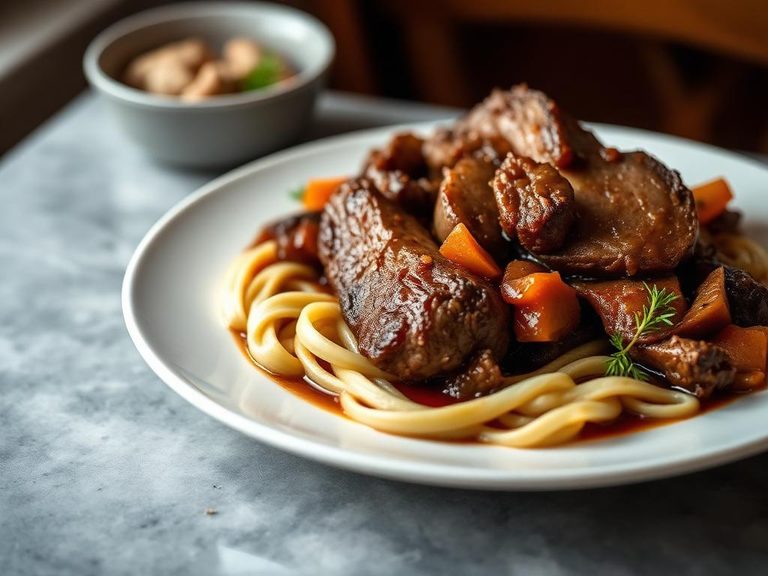



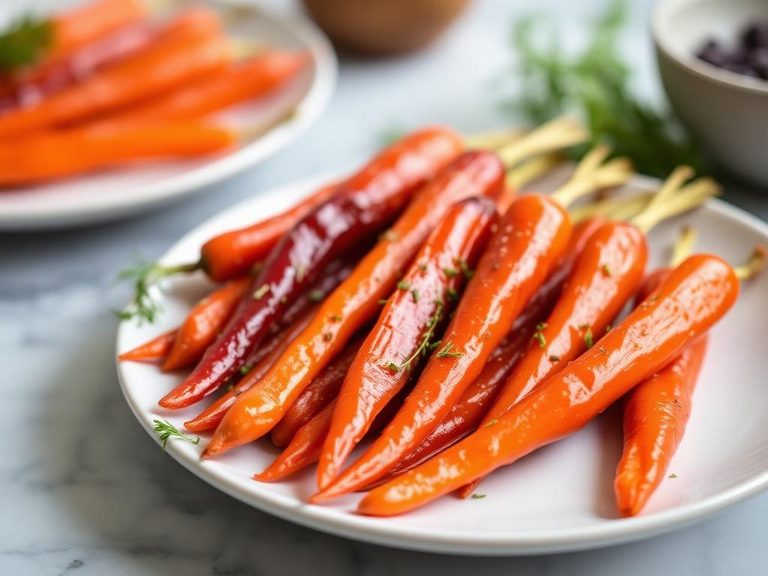
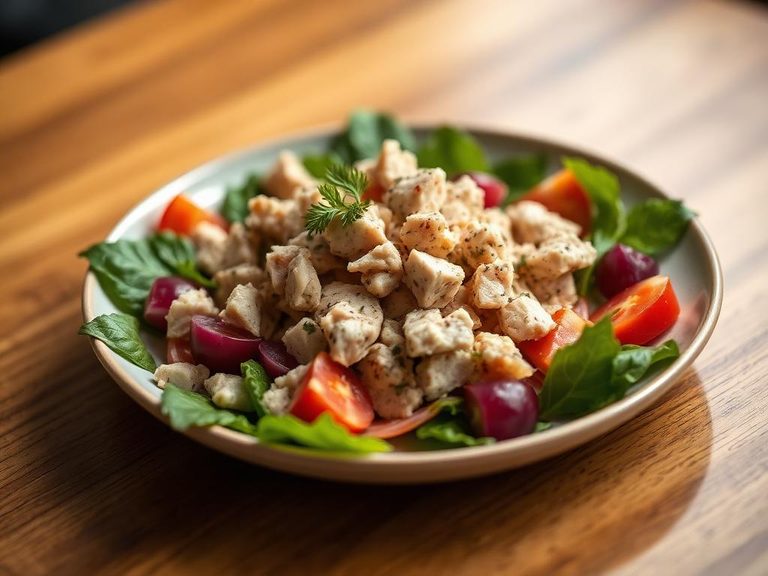
🌍 Where it's eaten
💡 Did you know?
The beta-carotene in carrots is actually better absorbed by your body after they are cooked and a little fat is added, making canned carrots a surprisingly efficient source of this nutrient.
Full nutrition (USDA data · scales with serving)
| Water | 93.0 g |
| Energy | 23.0 kcal |
| Protein | 0.59 g |
| Total lipid (fat) | 0.14 g |
| Carbohydrate, by difference | 5.4 g |
| Fiber, total dietary | 1.8 g |
| Total Sugars | 2.5 g |
| Calcium, Ca | 31.0 mg |
| Iron, Fe | 0.52 mg |
| Magnesium, Mg | 9.0 mg |
| Phosphorus, P | 20.0 mg |
| Potassium, K | 158 mg |
| Sodium, Na | 34.0 mg |
| Zinc, Zn | 0.29 mg |
| Copper, Cu | 0.10 mg |
| Selenium, Se | 0.40 ug |
| Vitamin C, total ascorbic acid | 1.8 mg |
| Thiamin | 0.02 mg |
| Riboflavin | 0.03 mg |
| Niacin | 0.42 mg |
| Vitamin B-6 | 0.11 mg |
| Folate, total | 8.0 ug |
| Folic acid | 0.00 ug |
| Folate, food | 8.0 ug |
| Folate, DFE | 8.0 ug |
| Choline, total | 6.3 mg |
| Vitamin B-12 | 0.00 ug |
| Vitamin B-12, added | 0.00 ug |
| Vitamin A, RAE | 558 ug |
| Retinol | 0.00 ug |
| Carotene, beta | 5331 ug |
| Carotene, alpha | 2743 ug |
| Cryptoxanthin, beta | 0.00 ug |
| Lycopene | 0.00 ug |
| Lutein + zeaxanthin | 0.00 ug |
| Vitamin E (alpha-tocopherol) | 0.73 mg |
| Vitamin E, added | 0.00 mg |
| Vitamin D (D2 + D3) | 0.00 ug |
| Vitamin K (phylloquinone) | 9.8 ug |
| Alcohol, ethyl | 0.00 g |
| Caffeine | 0.00 mg |
| Theobromine | 0.00 mg |
Fat & fatty acid profile (per 100g)
| Fatty acids, total saturated | 0.02 g |
| SFA 4:0 | 0.00 g |
| SFA 6:0 | 0.00 g |
| SFA 8:0 | 0.00 g |
| SFA 10:0 | 0.00 g |
| SFA 12:0 | 0.00 g |
| SFA 14:0 | 0.00 g |
| SFA 16:0 | 0.02 g |
| SFA 18:0 | 0.00 g |
| Fatty acids, total monounsaturated | 0.01 g |
| MUFA 16:1 | 0.00 g |
| MUFA 18:1 | 0.01 g |
| MUFA 20:1 | 0.00 g |
| MUFA 22:1 | 0.00 g |
| Fatty acids, total polyunsaturated | 0.07 g |
| PUFA 18:2 | 0.06 g |
| PUFA 18:3 | 0.01 g |
| PUFA 18:4 | 0.00 g |
| PUFA 20:4 | 0.00 g |
| PUFA 20:5 n-3 (EPA) | 0.00 g |
| PUFA 22:5 n-3 (DPA) | 0.00 g |
| PUFA 22:6 n-3 (DHA) | 0.00 g |
| Cholesterol | 0.00 mg |
Amino acid profile (per 100g)
Estimated from Carrots, canned, no salt added, drained solids — USDA does not publish this profile for Carrots.
| Tryptophan | 0.01 g |
| Threonine | 0.02 g |
| Isoleucine | 0.03 g |
| Leucine | 0.03 g |
| Lysine | 0.03 g |
| Methionine | 0.00 g |
| Cystine | 0.01 g |
| Phenylalanine | 0.02 g |
| Tyrosine | 0.01 g |
| Valine | 0.03 g |
| Arginine | 0.03 g |
| Histidine | 0.01 g |
| Alanine | 0.04 g |
| Aspartic acid | 0.08 g |
| Glutamic acid | 0.12 g |
| Glycine | 0.02 g |
| Proline | 0.02 g |
| Serine | 0.02 g |
FAQ
Are canned carrots as nutritious as fresh?
Yes, they can be. The canning process preserves most nutrients, and the cooking can even increase the availability of some antioxidants like beta-carotene. They are a perfectly valid and nutritious option.
Do I need to cook them before eating?
No, they are fully cooked during the canning process and are safe to eat straight from the can. You can use them cold in salads or heat them as desired for hot dishes.
How can I use the liquid they're canned in?
The canning liquid (light brine) can be used as a low-sodium vegetable broth in soups, stews, or for cooking grains to add a subtle sweetness and nutrients.
Nutrient density (calculated · NRF9.3)
Nutrient Rich Foods index: beneficial nutrients (protein, fiber, vitamins, minerals) minus saturated fat, added sugar & sodium, per 100 kcal.
NRF9.3 index — Fulgoni, Keast & Drewnowski, 2009. Computed from USDA nutrients.
Weight-loss friendliness (composite index)
Energy density 0.23 kcal/g · 10% calories from protein · 1.8 g fiber · 2.5 g sugar per 100 g.
Composite of energy density (Rolls et al., 1999), protein & fiber satiety, minus sugar. A calculated heuristic — ranks satiety-per-calorie, not a clinical measure.
Dietary load (calculated from USDA values)
Potential renal acid load. Positive = acid-forming, negative = alkaline-forming.
Sodium-to-potassium ratio: 0.22 (lower is better — aim for ≤ 1)
Sodium:potassium per WHO potassium guidance. Computed from USDA nutrients.