

Carob flour
Whole food · Legumes and Legume Products

Photo: Wikipedia
Carob flour is a finely ground powder made from the dried, roasted pods of the carob tree, offering a naturally sweet, chocolate-like flavor with earthy, toasted notes and a dry, slightly gritty texture. Unlike cocoa, it contains no caffeine or theobromine and is remarkably low in fat. Its standout nutritional feature is its exceptionally high fiber content, particularly soluble fiber, which makes it a filling, gut-friendly ingredient.
Calorie split: 5% protein · 94% carbs · 2% fat
↓ Full nutrition💚 Why it's loved
People love carob flour for its comforting, malty sweetness that mimics chocolate without the bitterness, making it a nostalgic treat for many. Its versatility allows it to be used in everything from baking to hot beverages, often as a safe, delicious alternative for those avoiding cocoa.
⚠️ Watch-outs & how to enjoy it better
Its high natural sugar content (49g per 100g) can contribute to blood-sugar spikes if consumed in large, unbalanced portions. To counteract this, always pair carob-based foods with a source of protein or healthy fat (like nuts, yogurt, or eggs) and practice portion control. Its distinct flavor is also polarizing; some find it overly sweet or earthy compared to chocolate.
Key benefits
- Naturally caffeine-free and stimulant-free
- Extremely high in dietary fiber (nearly 40g per 100g)
- Good source of plant-based calcium and antioxidants
- Naturally sweet, reducing need for added sugars
- Gluten-free and low in fat
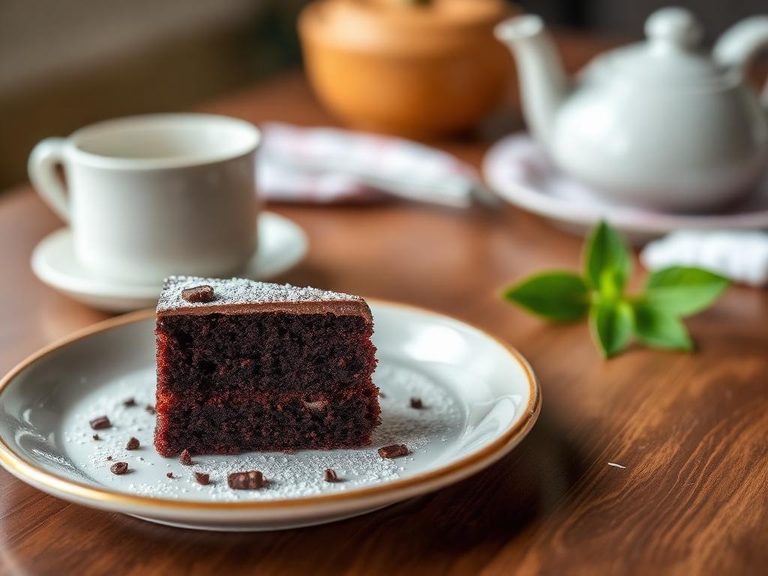
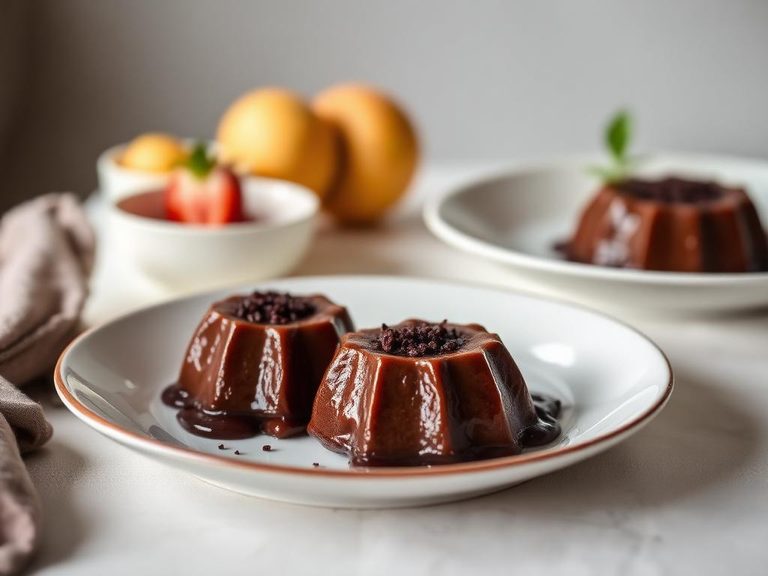
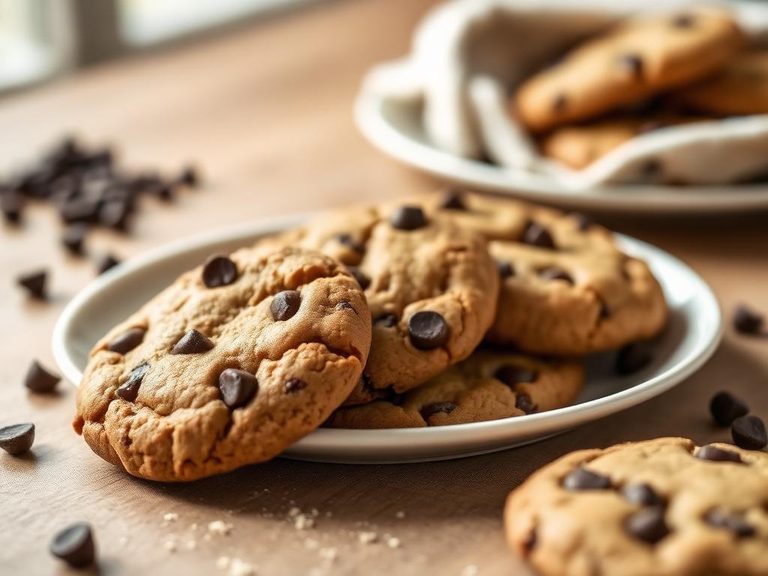
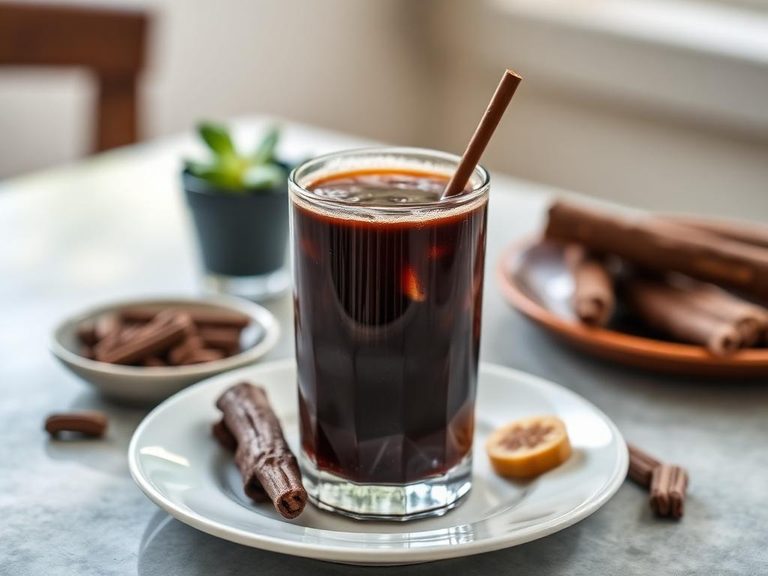
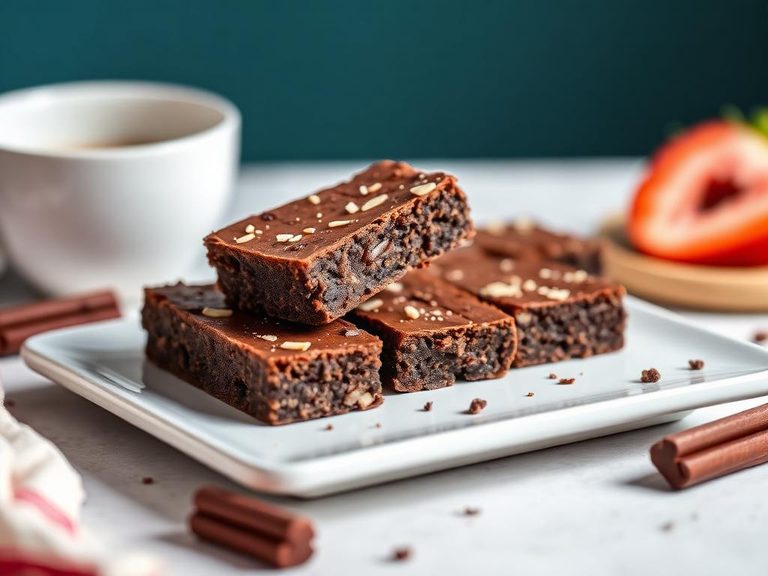
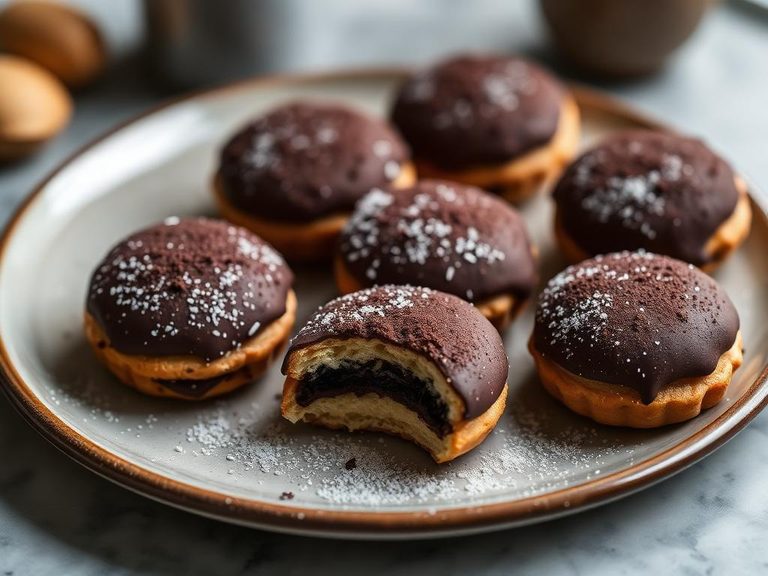
🍽️ Popular dishes
🌍 Where it's eaten
💡 Did you know?
Before cocoa became globally popular, carob pods were historically used as a sweetener and chocolate substitute, and the term 'carat' for gemstone weight is derived from the carob seed, which was used as a standard of measure.
Full nutrition (USDA data · scales with serving)
| Water | 3.6 g |
| Energy | 222 kcal |
| Energy | 929 kj |
| Protein | 4.6 g |
| Total lipid (fat) | 0.65 g |
| Ash | 2.3 g |
| Carbohydrate, by difference | 88.9 g |
| Fiber, total dietary | 39.8 g |
| Total Sugars | 49.1 g |
| Calcium, Ca | 348 mg |
| Iron, Fe | 2.9 mg |
| Magnesium, Mg | 54.0 mg |
| Phosphorus, P | 79.0 mg |
| Potassium, K | 827 mg |
| Sodium, Na | 35.0 mg |
| Zinc, Zn | 0.92 mg |
| Copper, Cu | 0.57 mg |
| Manganese, Mn | 0.51 mg |
| Selenium, Se | 5.3 ug |
| Vitamin C, total ascorbic acid | 0.20 mg |
| Thiamin | 0.05 mg |
| Riboflavin | 0.46 mg |
| Niacin | 1.9 mg |
| Pantothenic acid | 0.05 mg |
| Vitamin B-6 | 0.37 mg |
| Folate, total | 29.0 ug |
| Folic acid | 0.00 ug |
| Folate, food | 29.0 ug |
| Folate, DFE | 29.0 ug |
| Choline, total | 11.9 mg |
| Vitamin B-12 | 0.00 ug |
| Vitamin B-12, added | 0.00 ug |
| Vitamin A, RAE | 1.0 ug |
| Retinol | 0.00 ug |
| Carotene, beta | 8.0 ug |
| Carotene, alpha | 0.00 ug |
| Cryptoxanthin, beta | 0.00 ug |
| Vitamin A, IU | 14.0 iu |
| Lycopene | 0.00 ug |
| Lutein + zeaxanthin | 0.00 ug |
| Vitamin E (alpha-tocopherol) | 0.63 mg |
| Vitamin E, added | 0.00 mg |
| Vitamin D (D2 + D3), International Units | 0.00 iu |
| Vitamin D (D2 + D3) | 0.00 ug |
| Vitamin K (phylloquinone) | 0.00 ug |
| Alcohol, ethyl | 0.00 g |
| Caffeine | 0.00 mg |
| Theobromine | 0.00 mg |
Fat & fatty acid profile (per 100g)
| Fatty acids, total saturated | 0.09 g |
| SFA 4:0 | 0.00 g |
| SFA 6:0 | 0.00 g |
| SFA 8:0 | 0.00 g |
| SFA 10:0 | 0.00 g |
| SFA 12:0 | 0.00 g |
| SFA 14:0 | 0.00 g |
| SFA 16:0 | 0.07 g |
| SFA 18:0 | 0.01 g |
| Fatty acids, total monounsaturated | 0.20 g |
| MUFA 16:1 | 0.00 g |
| MUFA 18:1 | 0.19 g |
| MUFA 20:1 | 0.00 g |
| MUFA 22:1 | 0.00 g |
| Fatty acids, total polyunsaturated | 0.22 g |
| PUFA 18:2 | 0.21 g |
| PUFA 18:3 | 0.00 g |
| PUFA 18:4 | 0.00 g |
| PUFA 20:4 | 0.00 g |
| PUFA 20:5 n-3 (EPA) | 0.00 g |
| PUFA 22:5 n-3 (DPA) | 0.00 g |
| PUFA 22:6 n-3 (DHA) | 0.00 g |
| Fatty acids, total trans | 0.00 g |
| Cholesterol | 0.00 mg |
Amino acid profile (per 100g)
| Tryptophan | 0.05 g |
| Threonine | 0.27 g |
| Isoleucine | 0.21 g |
| Leucine | 0.44 g |
| Lysine | 0.20 g |
| Methionine | 0.08 g |
| Cystine | 0.03 g |
| Phenylalanine | 0.15 g |
| Tyrosine | 0.12 g |
| Valine | 0.45 g |
| Arginine | 0.13 g |
| Histidine | 0.12 g |
| Alanine | 0.58 g |
| Aspartic acid | 0.50 g |
| Glutamic acid | 0.36 g |
| Glycine | 0.27 g |
| Proline | 0.35 g |
| Serine | 0.30 g |
FAQ
Is carob flour the same as carob powder?
Generally, yes. Both terms usually refer to the same product: finely ground, roasted carob pods. Sometimes 'carob powder' might be used for the raw, unroasted version, while 'carob flour' implies roasting for deeper flavor.
Can I substitute carob flour 1:1 for cocoa powder in recipes?
You can, but expect changes. Carob is naturally sweeter and less bitter, so you may want to reduce sugar in the recipe. It also lacks cocoa's fat, so the texture may be drier; adding a bit more liquid or fat can help.
Why is carob flour considered good for digestion?
Its exceptionally high fiber content, particularly soluble fiber, acts as a prebiotic to feed beneficial gut bacteria and can help promote regular bowel movements.
Nutrient density (calculated · NRF9.3)
Nutrient Rich Foods index: beneficial nutrients (protein, fiber, vitamins, minerals) minus saturated fat, added sugar & sodium, per 100 kcal.
NRF9.3 index — Fulgoni, Keast & Drewnowski, 2009. Computed from USDA nutrients.
Weight-loss friendliness (composite index)
Energy density 2.22 kcal/g · 8% calories from protein · 39.8 g fiber · 49.1 g sugar per 100 g.
Composite of energy density (Rolls et al., 1999), protein & fiber satiety, minus sugar. A calculated heuristic — ranks satiety-per-calorie, not a clinical measure.
Dietary load (calculated from USDA values)
Potential renal acid load. Positive = acid-forming, negative = alkaline-forming.
Sodium-to-potassium ratio: 0.04 (lower is better — aim for ≤ 1)
Sodium:potassium per WHO potassium guidance. Computed from USDA nutrients.