

Carob pudding
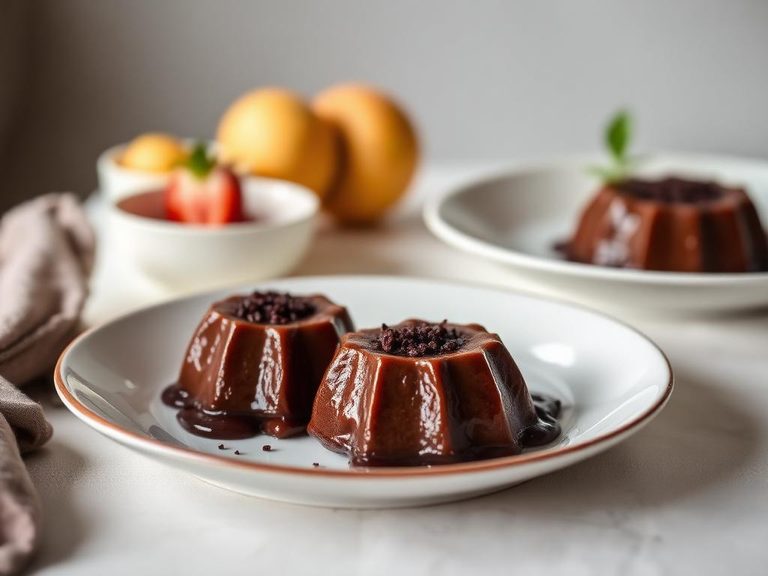
Carob pudding is a creamy, sweet dessert made from carob powder, which is derived from the pods of the carob tree. It is typically thickened with cornstarch or flour and sweetened with sugar or honey, often flavored with vanilla. This dish has roots in Mediterranean and Middle Eastern cuisines, where carob has been used for centuries as a natural, caffeine-free alternative to chocolate.
🍽️ Nutrition at a glance
Carob pudding is generally high in carbohydrates due to its natural sugars and thickeners, with moderate fiber content from the carob itself. A typical serving provides a good source of calcium and potassium, and contains roughly 200-300 calories.
Nutrition breakdown
| Calories | 250 kcal |
| Protein | 3 g |
| Carbs | 50 g |
| Fat | 5 g |
| Fiber | 6 g |
| Sugar | 30 g |
| Sodium | 150 mg |
| Calcium | 120 mg |
| Potassium | 350 mg |
| Iron | 2 mg |
| Magnesium | 40 mg |
| Phosphorus | 80 mg |
| Vitamin B6 | 0.1 mg |
| Manganese | 0.3 mg |
| Copper | 0.2 mg |
Per 1 cup (240 g) · estimated, varies by recipe
💡 What's interesting
Culturally, carob pudding is a traditional treat in many regions, valued for its rich, chocolate-like flavor without the caffeine or theobromine found in cocoa. Nutritionally, carob is naturally sweet and high in fiber, making it a popular choice for those seeking a healthier, plant-based dessert option.
🍽️ Related dishes




AI estimate may be inaccurate · Terms