Carob-covered nuts or fruits
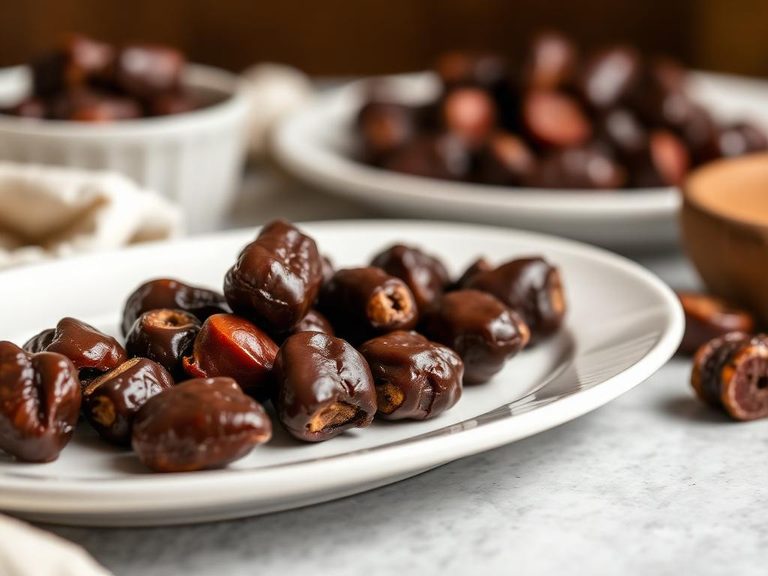
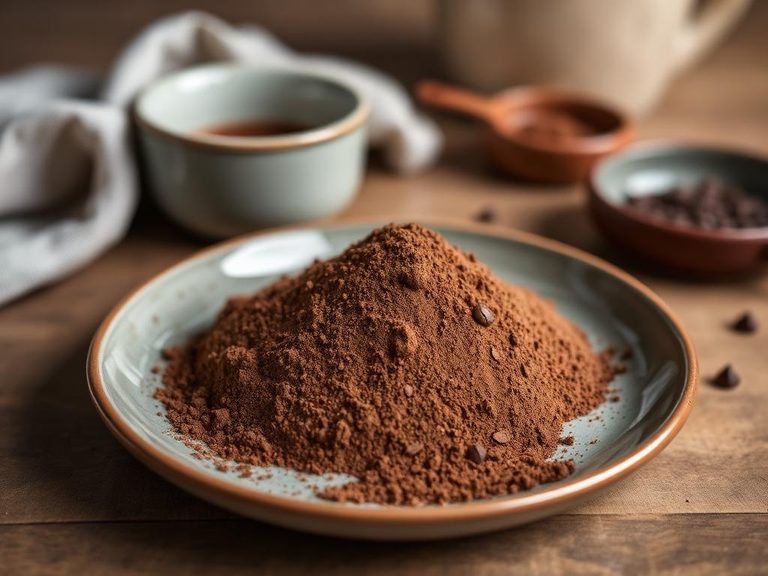
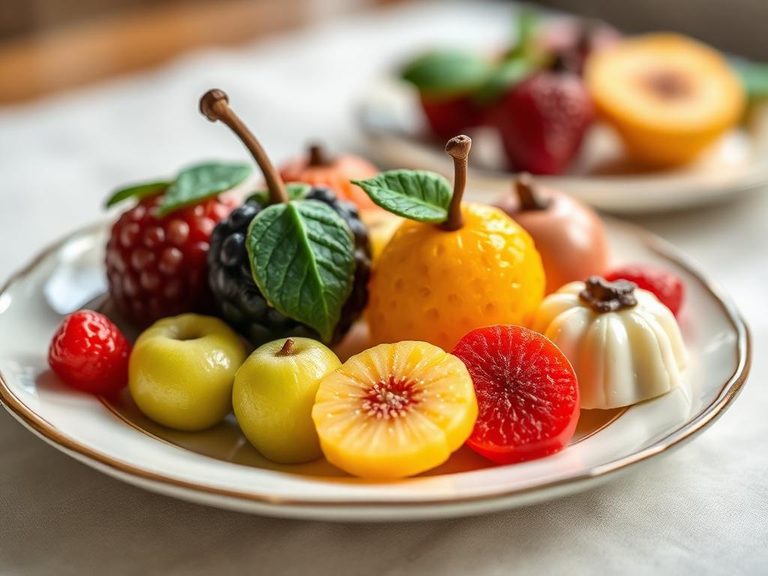
Carob-covered nuts or fruits are a sweet snack made by coating nuts like almonds or dried fruits like apricots with a layer of carob, a chocolate alternative derived from the pods of the carob tree. This treat is popular in Mediterranean and Middle Eastern cuisines, where carob has been used for centuries as a natural, caffeine-free sweetener.
🍽️ Nutrition at a glance
This snack is energy-dense, primarily providing healthy fats from the nuts and natural sugars from the carob and fruit, with a moderate amount of plant-based protein. A typical serving offers a good source of fiber and essential minerals like potassium and magnesium, with a calorie range of approximately 150-200 kcal.
Nutrition breakdown
| Calories | 180 kcal |
| Protein | 4 g |
| Carbs | 20 g |
| Fat | 10 g |
| Fiber | 5 g |
| Sugar | 12 g |
| Sodium | 10 mg |
| Potassium | 200 mg |
| Magnesium | 40 mg |
| Iron | 1.5 mg |
| Phosphorus | 80 mg |
| Zinc | 1 mg |
| Manganese | 0.5 mg |
| Copper | 0.3 mg |
| Vitamin B6 | 0.1 mg |
Per 1/4 cup (40 g) · estimated, varies by recipe
💡 What's interesting
Carob is naturally caffeine-free and contains no theobromine, making it a popular stimulant-free alternative to chocolate, especially for those with sensitivities. Nutritionally, carob is high in fiber and antioxidants, and it has been traditionally used in some cultures as a digestive aid.