Carob-dusted pastries
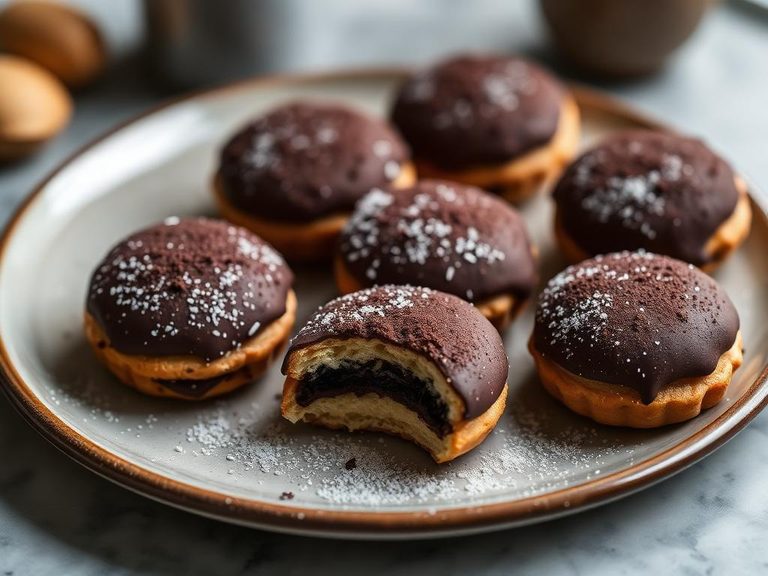
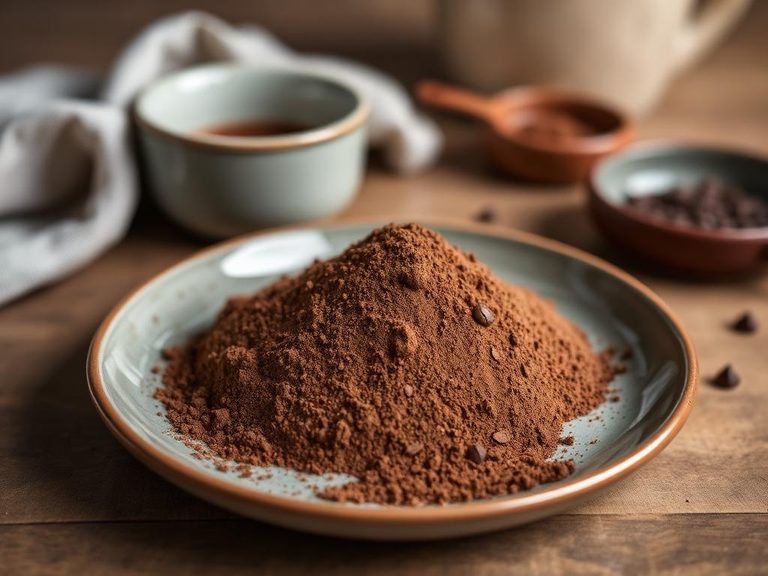
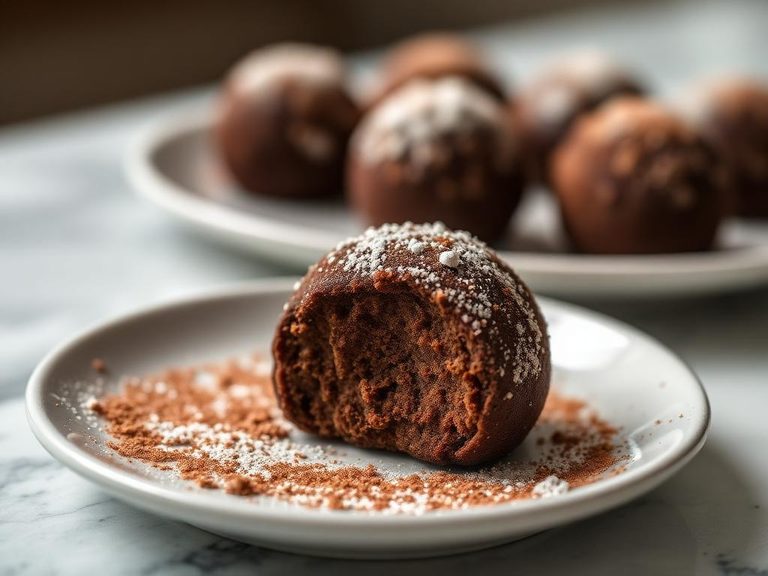
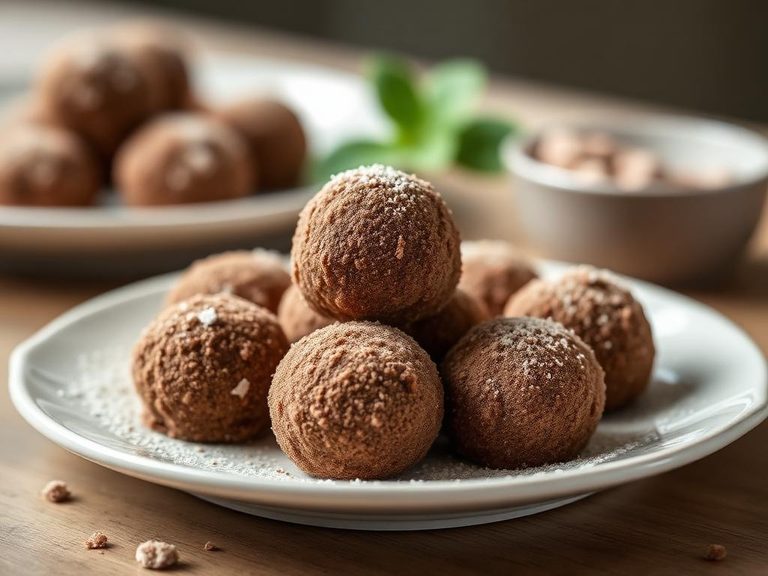
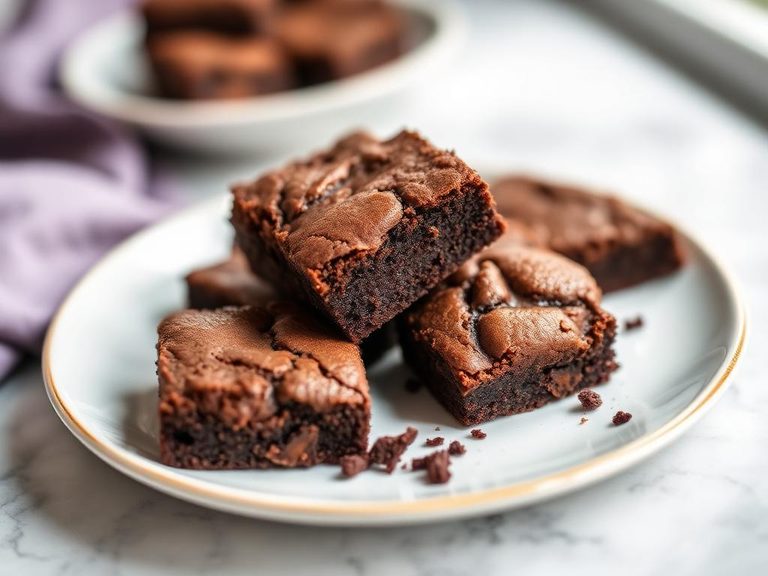
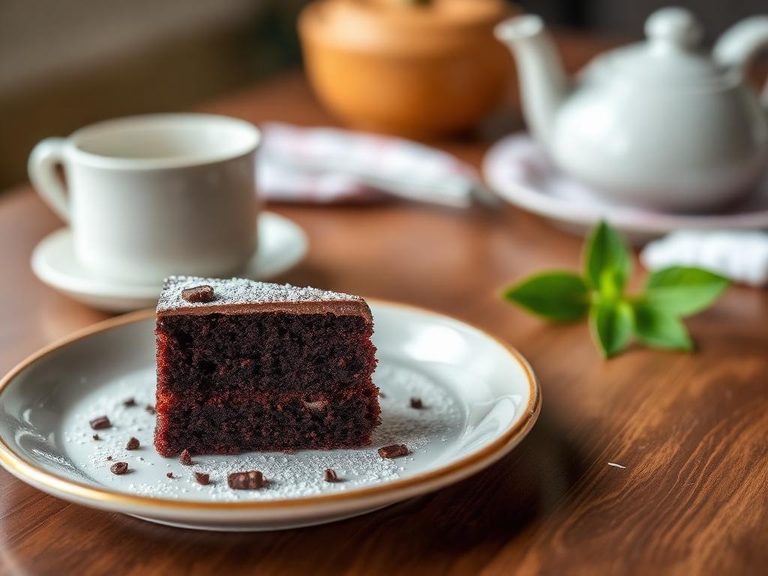
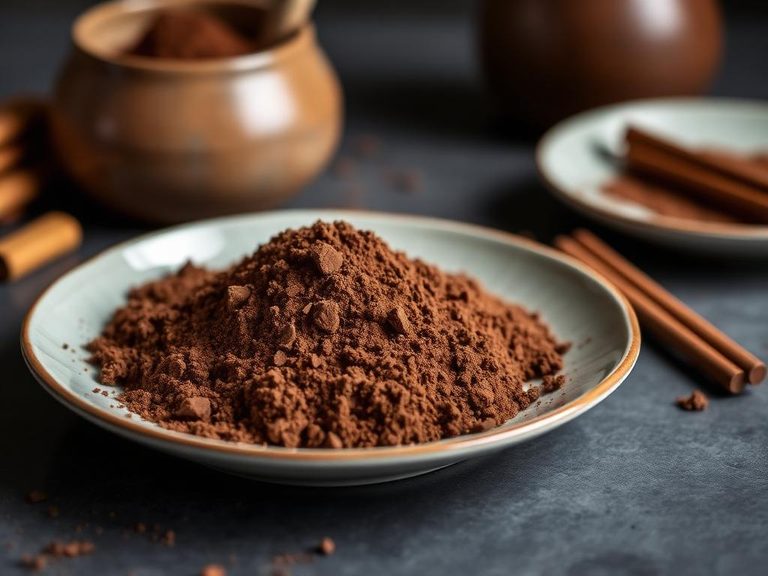
Carob-dusted pastries are a sweet, baked treat where flaky or crumbly dough is generously coated in fine carob powder. They typically feature a buttery, shortbread-like base made from flour, sugar, and butter, with the carob providing a distinct, chocolate-like flavor without the caffeine. This style of pastry is a beloved staple in Mediterranean and Middle Eastern bakeries, often enjoyed with coffee or tea.
🍽️ Nutrition at a glance
These pastries are energy-dense, being high in carbohydrates from flour and sugar, and fat from butter or oil. They provide some dietary fiber and minerals like potassium and magnesium from the carob powder, with a typical serving containing roughly 250-300 calories.
Nutrition breakdown
| Calories | 280 kcal |
| Protein | 3 g |
| Carbs | 35 g |
| Fat | 15 g |
| Fiber | 3 g |
| Sugar | 18 g |
| Sodium | 120 mg |
| Potassium | 180 mg |
| Magnesium | 25 mg |
| Iron | 1.5 mg |
| Calcium | 40 mg |
| Phosphorus | 50 mg |
| Zinc | 0.5 mg |
| Copper | 0.1 mg |
| Manganese | 0.3 mg |
Per 2 pastries (80 g) · estimated, varies by recipe
💡 What's interesting
Carob powder is a naturally sweet, caffeine-free alternative to cocoa derived from the pods of the carob tree, making these pastries a popular choice for those avoiding stimulants. Culturally, they represent a simple, comforting treat where the earthy, slightly fruity notes of carob are celebrated as a primary flavor.