

Cake, yellow, commercially prepared, with vanilla frosting
Whole food · Baked Products
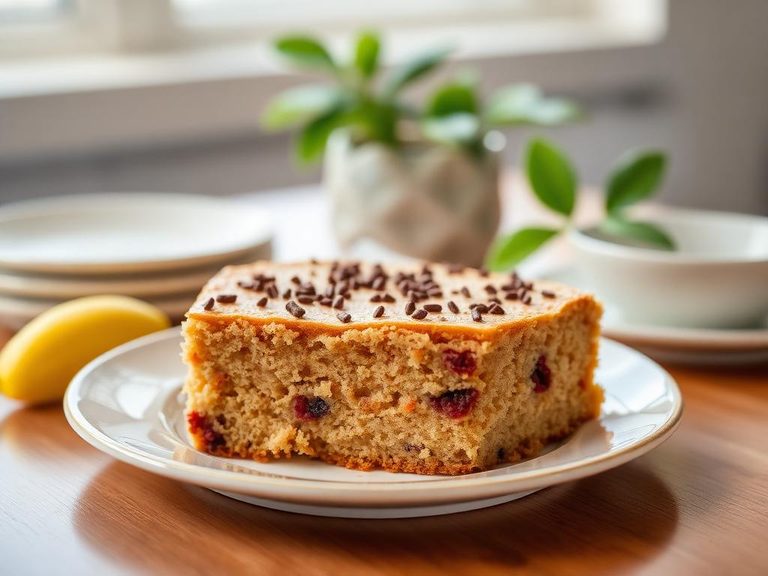
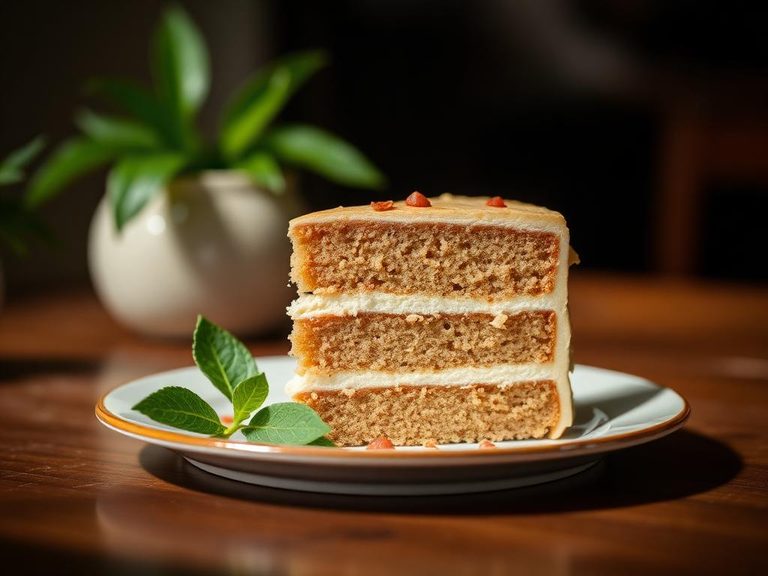
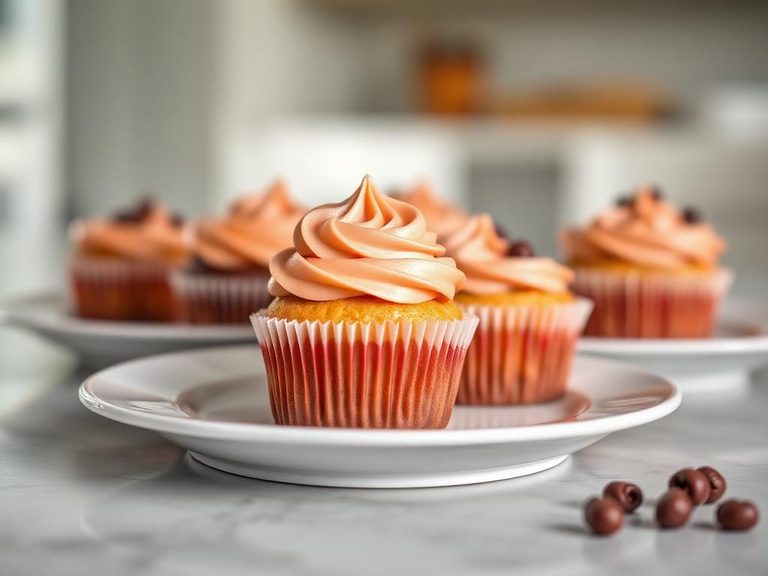
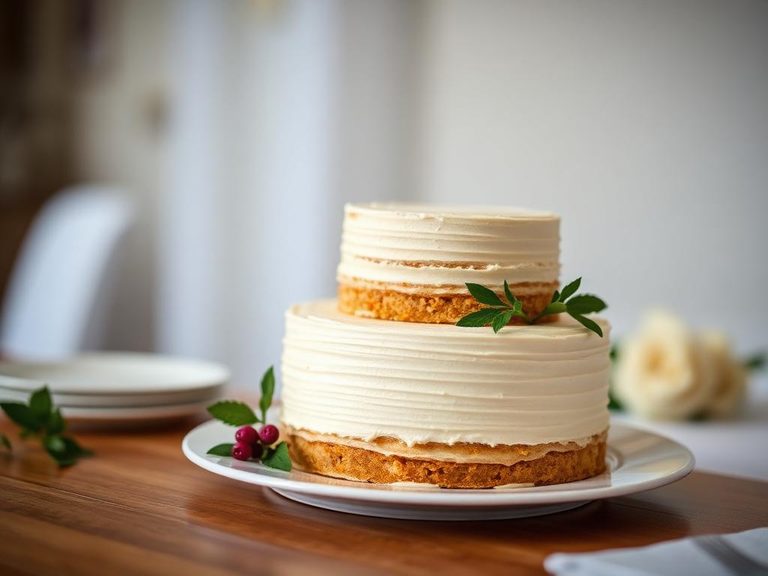
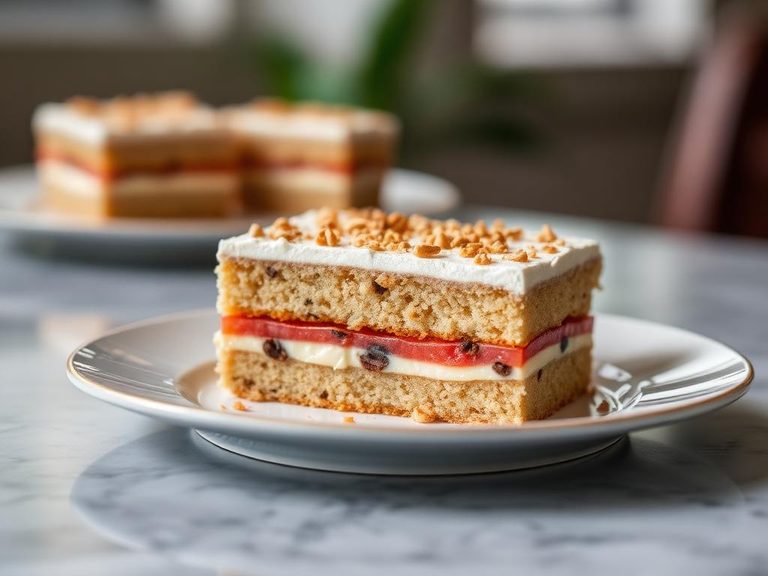
This is the classic, celebratory sheet cake or layer cake, with a tender, buttery yellow crumb and a thick, sweet layer of vanilla buttercream frosting. Its texture is soft and moist, offering a comforting, sugary bite with a rich, creamy finish from the frosting. Nutritionally, it's a dense source of energy, primarily from refined carbohydrates and added sugars, with minimal protein or fiber.
Calorie split: 3% protein · 56% carbs · 41% fat
↓ Full nutrition💚 Why it's loved
People love it for its nostalgic, comforting sweetness and the perfect pairing of soft cake with creamy frosting. It's a versatile staple for birthdays, office parties, and holidays, deeply embedded in Western celebratory culture.
⚠️ Watch-outs & how to enjoy it better
The high sugar and refined carb content can lead to rapid blood sugar spikes and subsequent crashes, and the calorie density makes portion control important for those managing weight. To counteract this, pair a small slice with a source of protein (like Greek yogurt) or healthy fat (like nuts) to slow sugar absorption, and consider it an occasional treat rather than a daily snack.
Key benefits
- Provides quick energy from carbohydrates
- Contains small amounts of essential minerals like iron from enriched flour
- Can serve as a morale booster or centerpiece for celebrations
- Offers a convenient, ready-to-eat dessert option
🍽️ Popular dishes

🌍 Where it's eaten
💡 Did you know?
The yellow color in this cake often comes from egg yolks and sometimes annatto or tartrazine food coloring, not butter alone, which is why white cake recipes specifically use only egg whites.
Full nutrition (USDA data · scales with serving)
| Water | 22.1 g |
| Energy | 391 kcal |
| Energy | 1636 kj |
| Protein | 3.0 g |
| Total lipid (fat) | 17.9 g |
| Ash | 0.81 g |
| Carbohydrate, by difference | 56.2 g |
| Fiber, total dietary | 0.30 g |
| Total Sugars | 41.8 g |
| Calcium, Ca | 62.0 mg |
| Iron, Fe | 1.1 mg |
| Magnesium, Mg | 6.0 mg |
| Phosphorus, P | 143 mg |
| Potassium, K | 53.0 mg |
| Sodium, Na | 269 mg |
| Zinc, Zn | 0.25 mg |
| Copper, Cu | 0.03 mg |
| Manganese, Mn | 0.10 mg |
| Selenium, Se | 5.5 ug |
| Vitamin C, total ascorbic acid | 0.00 mg |
| Thiamin | 0.10 mg |
| Riboflavin | 0.07 mg |
| Niacin | 0.50 mg |
| Pantothenic acid | 0.35 mg |
| Vitamin B-6 | 0.04 mg |
| Folate, total | 27.0 ug |
| Folic acid | 18.0 ug |
| Folate, food | 9.0 ug |
| Folate, DFE | 40.0 ug |
| Choline, total | 61.0 mg |
| Vitamin B-12 | 0.15 ug |
| Vitamin B-12, added | 0.00 ug |
| Vitamin A, RAE | 32.0 ug |
| Retinol | 32.0 ug |
| Carotene, beta | 0.00 ug |
| Carotene, alpha | 0.00 ug |
| Cryptoxanthin, beta | 2.0 ug |
| Vitamin A, IU | 108 iu |
| Lycopene | 0.00 ug |
| Lutein + zeaxanthin | 104 ug |
| Vitamin E (alpha-tocopherol) | 1.2 mg |
| Vitamin E, added | 0.00 mg |
| Vitamin D (D2 + D3), International Units | 16.0 iu |
| Vitamin D (D2 + D3) | 0.40 ug |
| Vitamin K (phylloquinone) | 6.9 ug |
| Alcohol, ethyl | 0.00 g |
| Caffeine | 0.00 mg |
| Theobromine | 0.00 mg |
Fat & fatty acid profile (per 100g)
| Fatty acids, total saturated | 2.9 g |
| SFA 4:0 | 0.00 g |
| SFA 6:0 | 0.00 g |
| SFA 8:0 | 0.00 g |
| SFA 10:0 | 0.00 g |
| SFA 12:0 | 0.00 g |
| SFA 13:0 | 0.00 g |
| SFA 14:0 | 0.02 g |
| SFA 16:0 | 2.0 g |
| SFA 18:0 | 0.93 g |
| Fatty acids, total monounsaturated | 7.6 g |
| MUFA 16:1 | 0.11 g |
| MUFA 18:1 | 7.4 g |
| MUFA 20:1 | 0.01 g |
| MUFA 22:1 | 0.00 g |
| Fatty acids, total polyunsaturated | 6.4 g |
| PUFA 18:2 | 5.9 g |
| PUFA 18:3 | 0.43 g |
| PUFA 18:4 | 0.00 g |
| PUFA 20:4 | 0.02 g |
| PUFA 20:5 n-3 (EPA) | 0.00 g |
| PUFA 22:5 n-3 (DPA) | 0.00 g |
| PUFA 22:6 n-3 (DHA) | 0.01 g |
| Cholesterol | 75.0 mg |
Amino acid profile (per 100g)
| Tryptophan | 0.05 g |
| Threonine | 0.14 g |
| Isoleucine | 0.18 g |
| Leucine | 0.29 g |
| Lysine | 0.22 g |
| Methionine | 0.09 g |
| Cystine | 0.07 g |
| Phenylalanine | 0.17 g |
| Tyrosine | 0.14 g |
| Valine | 0.20 g |
| Arginine | 0.16 g |
| Histidine | 0.08 g |
| Alanine | 0.15 g |
| Aspartic acid | 0.26 g |
| Glutamic acid | 0.75 g |
| Glycine | 0.11 g |
| Proline | 0.27 g |
| Serine | 0.22 g |
| Hydroxyproline | 0.00 g |
FAQ
What makes the cake yellow?
The yellow hue traditionally comes from the use of whole eggs (specifically the yolks) and sometimes butter. Commercial versions may also use food colorings like annatto or yellow #5 to ensure a consistent, vibrant color.
How does it differ from white cake?
The primary difference is the use of eggs. Yellow cake uses whole eggs, giving it a richer flavor, denser crumb, and yellow color. White cake uses only egg whites, resulting in a lighter color, milder flavor, and often a fluffier texture.
Is the frosting always vanilla buttercream?
While vanilla buttercream is the classic pairing, commercially prepared yellow cake can come with various frostings, including cream cheese frosting, chocolate frosting, or a simple glaze. The nutritional profile will vary significantly depending on the frosting type.
Nutrient density (calculated · NRF9.3)
Nutrient Rich Foods index: beneficial nutrients (protein, fiber, vitamins, minerals) minus saturated fat, added sugar & sodium, per 100 kcal.
NRF9.3 index — Fulgoni, Keast & Drewnowski, 2009. Computed from USDA nutrients.
Weight-loss friendliness (composite index)
Energy density 3.91 kcal/g · 3% calories from protein · 0.3 g fiber · 41.8 g sugar per 100 g.
Composite of energy density (Rolls et al., 1999), protein & fiber satiety, minus sugar. A calculated heuristic — ranks satiety-per-calorie, not a clinical measure.
Dietary load (calculated from USDA values)
Potential renal acid load. Positive = acid-forming, negative = alkaline-forming.
Sodium-to-potassium ratio: 5.08 (lower is better — aim for ≤ 1)
Sodium:potassium per WHO potassium guidance. Computed from USDA nutrients.