

Cabbage, green, raw
Common food
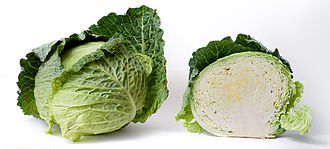
Photo: Wikipedia
Green cabbage is a dense, leafy cruciferous vegetable with a crisp, watery crunch and a mildly peppery, sweet flavor when raw. At just 31 calories per 100g, it is a low-energy-density food that provides a notable 2.5g of fiber, making it a volume-rich addition to meals without significant caloric impact.
Calorie split: 12% protein · 81% carbs · 7% fat
↓ Full nutrition💚 Why it's loved
People love green cabbage for its remarkable versatility and satisfying crunch, which holds up beautifully in everything from raw slaws to long-braised stews. It is a staple in global cuisines, offering a mild, slightly sweet canvas that absorbs dressings, spices, and savory flavors exceptionally well.
⚠️ Watch-outs & how to enjoy it better
Raw cabbage can cause significant gas or bloating in some individuals due to its high fiber and raffinose content. To counteract this, start with smaller portions, chew thoroughly, or lightly steam the cabbage to break down some of the complex fibers before eating.
Key benefits
- Low calorie density (31 kcal/100g) for weight management
- Good source of dietary fiber (2.5g/100g) for digestive health
- Rich in Vitamin K and Vitamin C (typical for raw cabbage)
- Contains glucosinolates, which are studied for their antioxidant properties
- Provides essential minerals like potassium and manganese
🍽️ Popular dishes
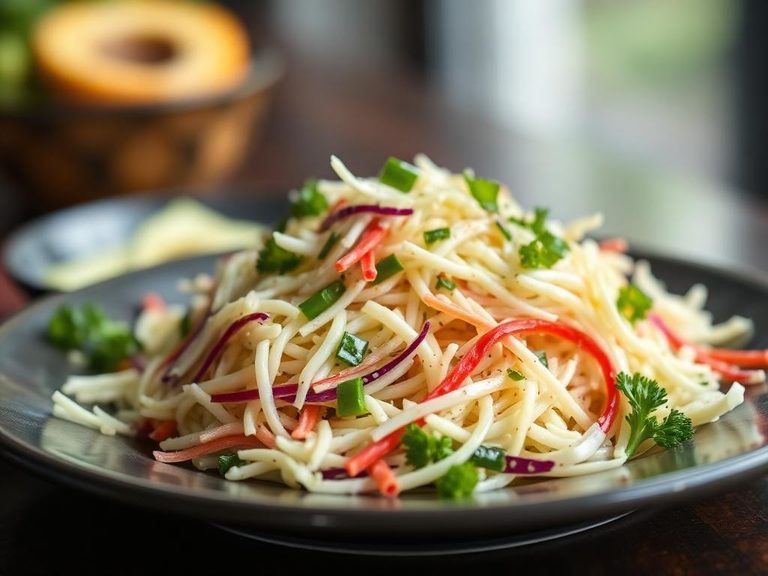
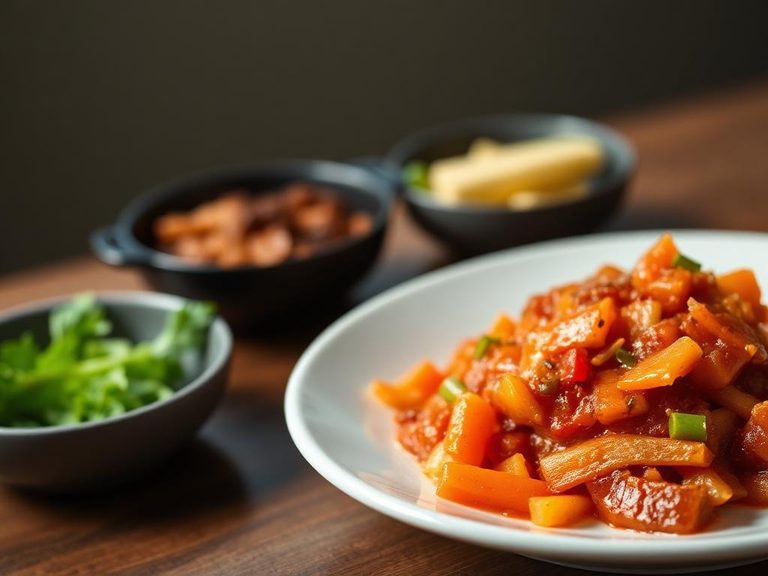
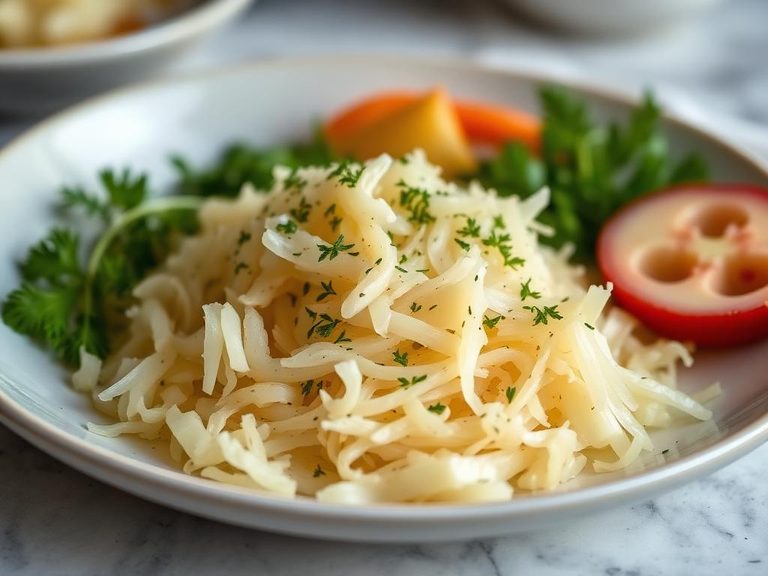
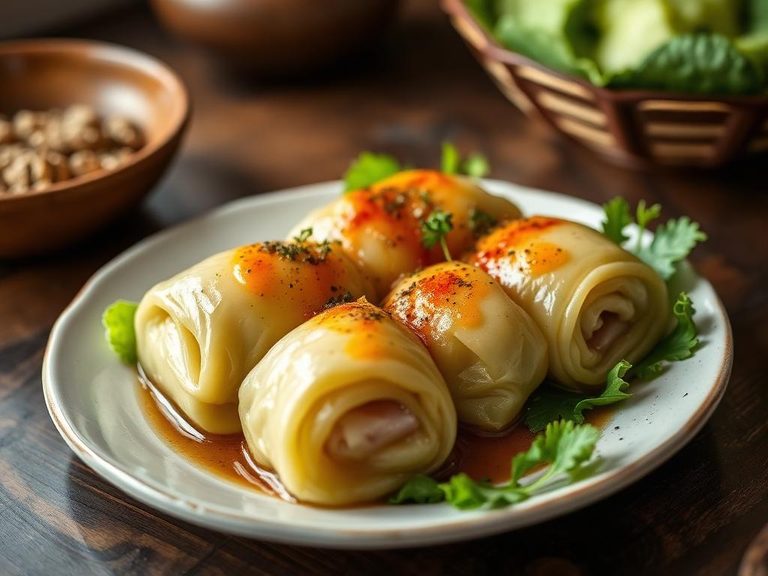
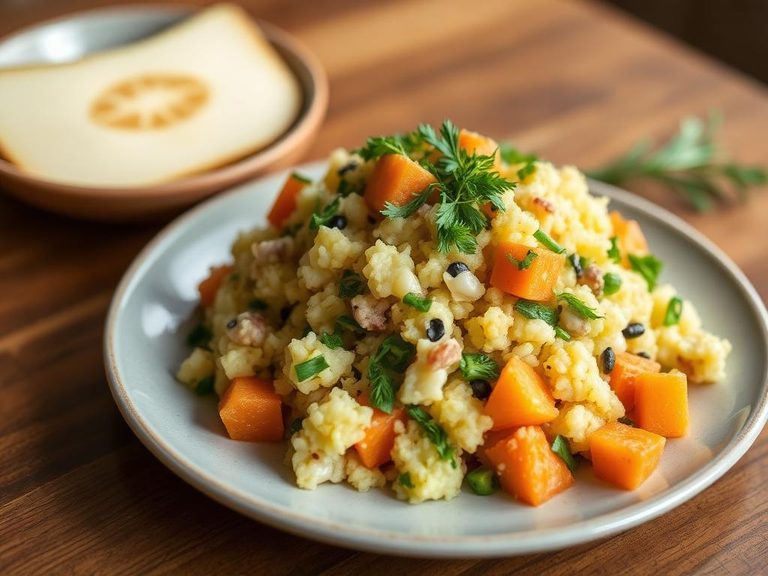
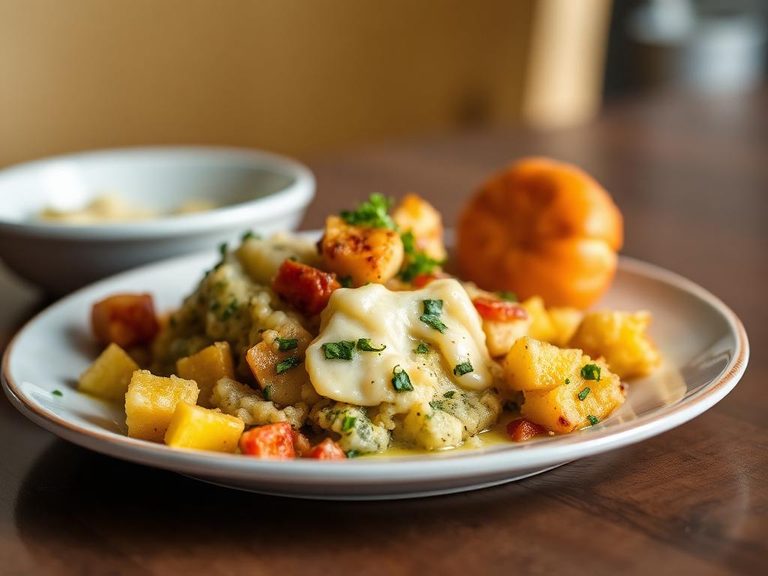
🌍 Where it's eaten
💡 Did you know?
The world's largest cabbage ever grown weighed over 138 pounds (62.7 kg), harvested in 2019 in Alaska.
Full nutrition (USDA data · scales with serving)
| Water | 91.9 g |
| Energy | 31.0 kcal |
| Protein | 0.96 g |
| Total lipid (fat) | 0.23 g |
| Carbohydrate, by difference | 6.4 g |
| Fiber, total dietary | 2.5 g |
| Total Sugars | 3.2 g |
| Calcium, Ca | 42.0 mg |
| Iron, Fe | 0.07 mg |
| Magnesium, Mg | 14.0 mg |
| Phosphorus, P | 27.0 mg |
| Potassium, K | 207 mg |
| Sodium, Na | 16.0 mg |
| Zinc, Zn | 0.21 mg |
| Copper, Cu | 0.00 mg |
| Selenium, Se | 0.30 ug |
| Vitamin C, total ascorbic acid | 40.3 mg |
| Thiamin | 0.06 mg |
| Riboflavin | 0.04 mg |
| Niacin | 0.23 mg |
| Vitamin B-6 | 0.14 mg |
| Folate, total | 43.0 ug |
| Folic acid | 0.00 ug |
| Folate, food | 43.0 ug |
| Folate, DFE | 43.0 ug |
| Choline, total | 10.7 mg |
| Vitamin B-12 | 0.00 ug |
| Vitamin B-12, added | 0.00 ug |
| Vitamin A, RAE | 5.0 ug |
| Retinol | 0.00 ug |
| Carotene, beta | 42.0 ug |
| Carotene, alpha | 33.0 ug |
| Cryptoxanthin, beta | 0.00 ug |
| Lycopene | 0.00 ug |
| Lutein + zeaxanthin | 30.0 ug |
| Vitamin E (alpha-tocopherol) | 0.15 mg |
| Vitamin E, added | 0.00 mg |
| Vitamin D (D2 + D3) | 0.00 ug |
| Vitamin K (phylloquinone) | 59.4 ug |
| Alcohol, ethyl | 0.00 g |
| Caffeine | 0.00 mg |
| Theobromine | 0.00 mg |
Fat & fatty acid profile (per 100g)
| Fatty acids, total saturated | 0.03 g |
| SFA 4:0 | 0.00 g |
| SFA 6:0 | 0.00 g |
| SFA 8:0 | 0.00 g |
| SFA 10:0 | 0.00 g |
| SFA 12:0 | 0.00 g |
| SFA 14:0 | 0.00 g |
| SFA 16:0 | 0.03 g |
| SFA 18:0 | 0.00 g |
| Fatty acids, total monounsaturated | 0.02 g |
| MUFA 16:1 | 0.00 g |
| MUFA 18:1 | 0.02 g |
| MUFA 20:1 | 0.00 g |
| MUFA 22:1 | 0.00 g |
| Fatty acids, total polyunsaturated | 0.02 g |
| PUFA 18:2 | 0.02 g |
| PUFA 18:3 | 0.00 g |
| PUFA 18:4 | 0.00 g |
| PUFA 20:4 | 0.00 g |
| PUFA 20:5 n-3 (EPA) | 0.00 g |
| PUFA 22:5 n-3 (DPA) | 0.00 g |
| PUFA 22:6 n-3 (DHA) | 0.00 g |
| Cholesterol | 0.00 mg |
Amino acid profile (per 100g)
Estimated from Cabbage, red, cooked, boiled, drained, with salt — USDA does not publish this profile for Cabbage.
| Tryptophan | 0.01 g |
| Threonine | 0.04 g |
| Isoleucine | 0.04 g |
| Leucine | 0.05 g |
| Lysine | 0.05 g |
| Methionine | 0.01 g |
| Cystine | 0.01 g |
| Phenylalanine | 0.04 g |
| Tyrosine | 0.02 g |
| Valine | 0.05 g |
| Arginine | 0.09 g |
| Histidine | 0.03 g |
| Alanine | 0.05 g |
| Aspartic acid | 0.14 g |
| Glutamic acid | 0.35 g |
| Glycine | 0.04 g |
| Proline | 0.06 g |
| Serine | 0.06 g |
FAQ
Is raw cabbage healthy?
Yes, raw cabbage is very healthy. It is low in calories, high in fiber, and rich in vitamins like Vitamin K and Vitamin C, as well as antioxidants.
Does cabbage cause gas?
Cabbage can cause gas and bloating due to its high fiber and raffinose content. Cooking it thoroughly or starting with small portions can help reduce these effects.
How do I store cabbage?
Store whole cabbage in the refrigerator's crisper drawer, wrapped in plastic. It can last for several weeks. Once cut, wrap the remaining cabbage tightly and use it within a few days.
Nutrient density (calculated · NRF9.3)
Nutrient Rich Foods index: beneficial nutrients (protein, fiber, vitamins, minerals) minus saturated fat, added sugar & sodium, per 100 kcal.
NRF9.3 index — Fulgoni, Keast & Drewnowski, 2009. Computed from USDA nutrients.
Weight-loss friendliness (composite index)
Energy density 0.31 kcal/g · 12% calories from protein · 2.5 g fiber · 3.2 g sugar per 100 g.
Composite of energy density (Rolls et al., 1999), protein & fiber satiety, minus sugar. A calculated heuristic — ranks satiety-per-calorie, not a clinical measure.
Dietary load (calculated from USDA values)
Potential renal acid load. Positive = acid-forming, negative = alkaline-forming.
Sodium-to-potassium ratio: 0.08 (lower is better — aim for ≤ 1)
Sodium:potassium per WHO potassium guidance. Computed from USDA nutrients.