

Cabbage, green, cooked, no added fat
Common food
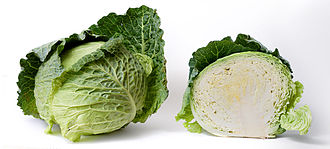
Photo: Wikipedia
Cooked green cabbage transforms from a crisp, peppery vegetable into a tender, subtly sweet, and mildly earthy delight. Its soft, almost silky texture makes it a comforting side dish, while its low calorie count (just 32 kcal per 100g) makes it a nutritional powerhouse for volume eating. It’s a humble staple that delivers impressive fiber and a surprising amount of natural sweetness without any added fat.
Calorie split: 12% protein · 81% carbs · 7% fat
↓ Full nutrition💚 Why it's loved
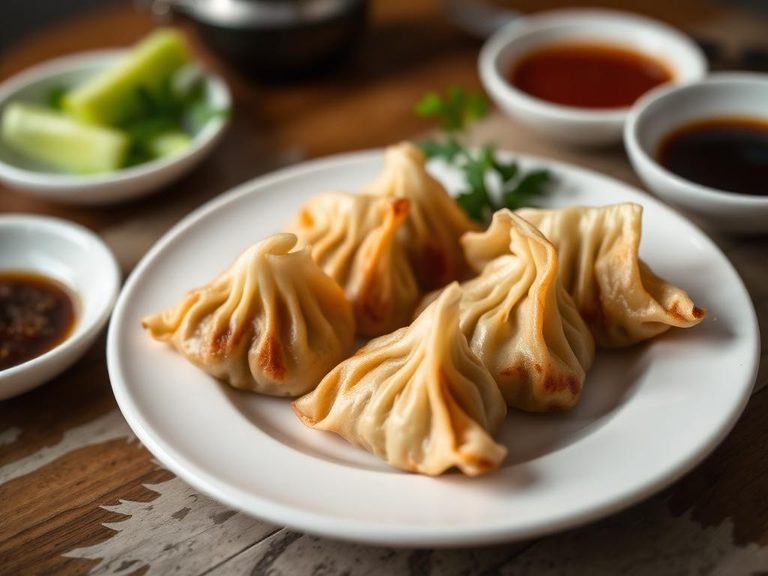
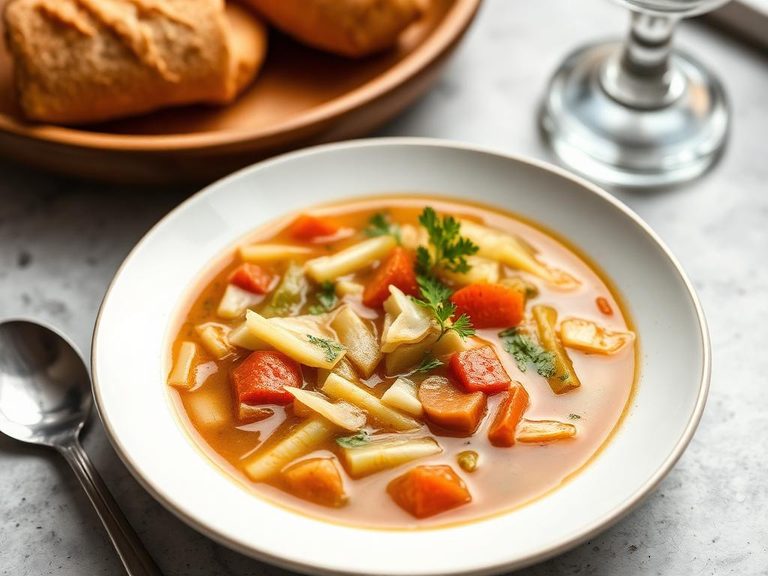
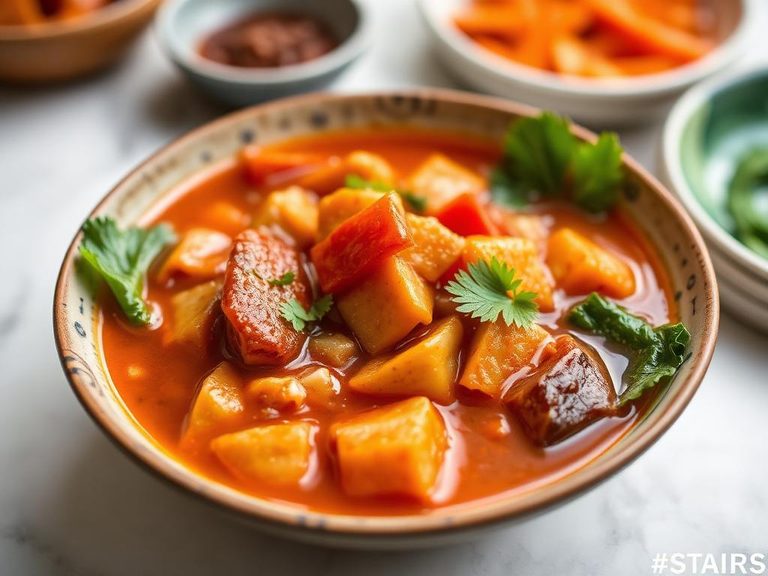
People love cooked cabbage for its incredible versatility and its ability to absorb flavors like a sponge, making it a perfect canvas for spices, broths, and sauces. It’s a cornerstone of comfort food across cultures, from the tangy sourness of Polish bigos to the savory depth of Korean kimchi stews, offering a satisfying, hearty bite that feels both nourishing and nostalgic.
⚠️ Watch-outs & how to enjoy it better
Some find its sulfurous, cabbagey aroma off-putting, especially when overcooked, and it can cause gas or bloating in sensitive individuals due to its high fiber and raffinose content. To counteract this, cook it with digestive aids like caraway seeds or ginger, and introduce it gradually into your diet to allow your gut to adjust. For those watching blood sugar, its 3.32g of sugar is minimal, but pairing it with a protein or healthy fat can further stabilize energy levels.
Key benefits
- Extremely low in calories, supporting weight management goals
- Rich in dietary fiber (2.6g per 100g) to promote digestive health
- Good source of Vitamin C and Vitamin K for immune and bone support
- Contains antioxidants like sulforaphane linked to cellular health
- Naturally low in fat and cholesterol-free
🍽️ Popular dishes
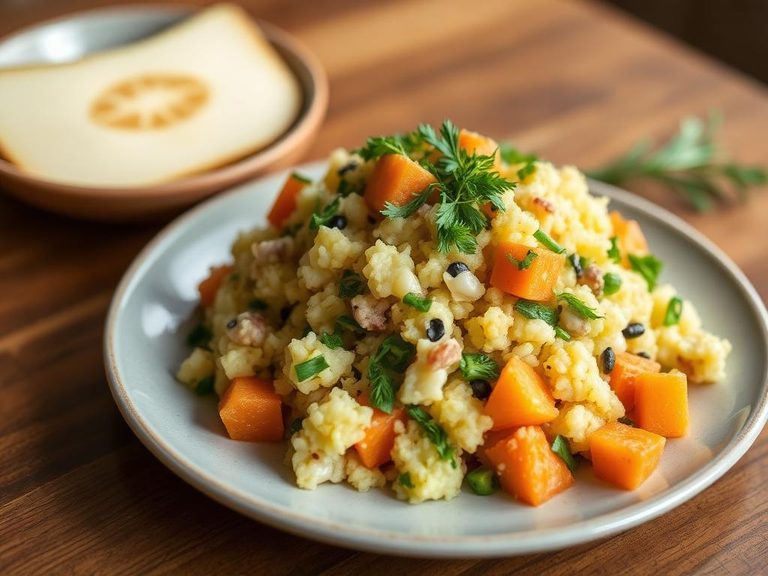
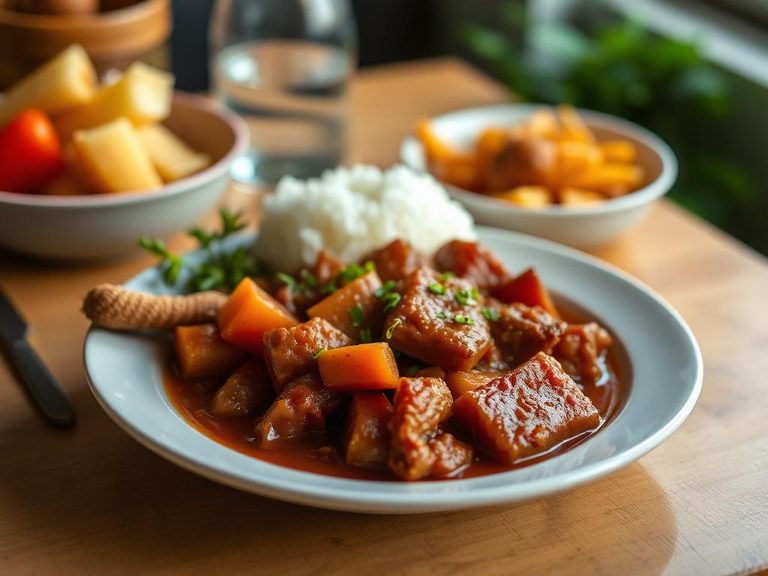
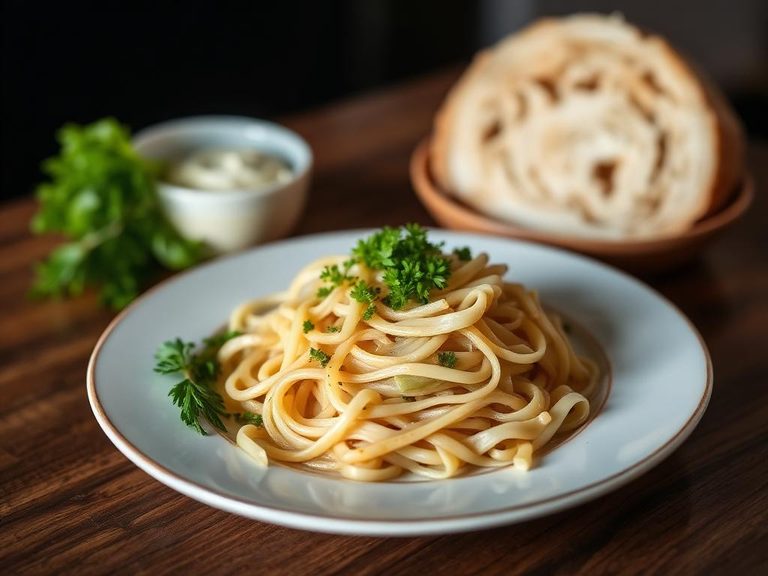
🌍 Where it's eaten
💡 Did you know?
Cabbage is a member of the Brassica family, which means it's closely related to broccoli, cauliflower, and Brussels sprouts—all of which are essentially different cultivars of the same species, Brassica oleracea.
Full nutrition (USDA data · scales with serving)
| Water | 91.3 g |
| Energy | 32.0 kcal |
| Protein | 1.0 g |
| Total lipid (fat) | 0.24 g |
| Carbohydrate, by difference | 6.6 g |
| Fiber, total dietary | 2.6 g |
| Total Sugars | 3.3 g |
| Calcium, Ca | 44.0 mg |
| Iron, Fe | 0.07 mg |
| Magnesium, Mg | 15.0 mg |
| Phosphorus, P | 28.0 mg |
| Potassium, K | 215 mg |
| Sodium, Na | 137 mg |
| Zinc, Zn | 0.22 mg |
| Copper, Cu | 0.00 mg |
| Selenium, Se | 0.30 ug |
| Vitamin C, total ascorbic acid | 35.6 mg |
| Thiamin | 0.06 mg |
| Riboflavin | 0.04 mg |
| Niacin | 0.23 mg |
| Vitamin B-6 | 0.13 mg |
| Folate, total | 38.0 ug |
| Folic acid | 0.00 ug |
| Folate, food | 38.0 ug |
| Folate, DFE | 38.0 ug |
| Choline, total | 11.1 mg |
| Vitamin B-12 | 0.00 ug |
| Vitamin B-12, added | 0.00 ug |
| Vitamin A, RAE | 5.0 ug |
| Retinol | 0.00 ug |
| Carotene, beta | 41.0 ug |
| Carotene, alpha | 33.0 ug |
| Cryptoxanthin, beta | 0.00 ug |
| Lycopene | 0.00 ug |
| Lutein + zeaxanthin | 30.0 ug |
| Vitamin E (alpha-tocopherol) | 0.16 mg |
| Vitamin E, added | 0.00 mg |
| Vitamin D (D2 + D3) | 0.00 ug |
| Vitamin K (phylloquinone) | 61.7 ug |
| Alcohol, ethyl | 0.00 g |
| Caffeine | 0.00 mg |
| Theobromine | 0.00 mg |
Fat & fatty acid profile (per 100g)
| Fatty acids, total saturated | 0.04 g |
| SFA 4:0 | 0.00 g |
| SFA 6:0 | 0.00 g |
| SFA 8:0 | 0.00 g |
| SFA 10:0 | 0.00 g |
| SFA 12:0 | 0.00 g |
| SFA 14:0 | 0.00 g |
| SFA 16:0 | 0.04 g |
| SFA 18:0 | 0.00 g |
| Fatty acids, total monounsaturated | 0.02 g |
| MUFA 16:1 | 0.00 g |
| MUFA 18:1 | 0.02 g |
| MUFA 20:1 | 0.00 g |
| MUFA 22:1 | 0.00 g |
| Fatty acids, total polyunsaturated | 0.02 g |
| PUFA 18:2 | 0.02 g |
| PUFA 18:3 | 0.00 g |
| PUFA 18:4 | 0.00 g |
| PUFA 20:4 | 0.00 g |
| PUFA 20:5 n-3 (EPA) | 0.00 g |
| PUFA 22:5 n-3 (DPA) | 0.00 g |
| PUFA 22:6 n-3 (DHA) | 0.00 g |
| Cholesterol | 0.00 mg |
Amino acid profile (per 100g)
Estimated from Cabbage, red, cooked, boiled, drained, with salt — USDA does not publish this profile for Cabbage.
| Tryptophan | 0.01 g |
| Threonine | 0.04 g |
| Isoleucine | 0.04 g |
| Leucine | 0.05 g |
| Lysine | 0.05 g |
| Methionine | 0.01 g |
| Cystine | 0.01 g |
| Phenylalanine | 0.04 g |
| Tyrosine | 0.02 g |
| Valine | 0.05 g |
| Arginine | 0.09 g |
| Histidine | 0.03 g |
| Alanine | 0.05 g |
| Aspartic acid | 0.14 g |
| Glutamic acid | 0.35 g |
| Glycine | 0.04 g |
| Proline | 0.06 g |
| Serine | 0.06 g |
FAQ
Does cooking cabbage reduce its nutritional value?
Cooking cabbage, especially boiling, can reduce water-soluble vitamins like Vitamin C and some B vitamins, but it also makes other nutrients like beta-carotene and certain antioxidants more bioavailable. Steaming or stir-frying are better methods to retain more nutrients.
Is cooked cabbage good for people with diabetes?
Yes, cooked cabbage is a low-glycemic, high-fiber food that can help stabilize blood sugar levels. Its 6.63g of carbs per 100g is modest, and the fiber helps slow digestion, making it a smart choice for blood sugar management.
How can I reduce the strong smell when cooking cabbage?
To minimize the sulfurous odor, cook cabbage in a covered pot with a small amount of water, and avoid overcooking. Adding a bay leaf, a splash of vinegar, or a pinch of caraway seeds can also help neutralize the smell and enhance flavor.
Nutrient density (calculated · NRF9.3)
Nutrient Rich Foods index: beneficial nutrients (protein, fiber, vitamins, minerals) minus saturated fat, added sugar & sodium, per 100 kcal.
NRF9.3 index — Fulgoni, Keast & Drewnowski, 2009. Computed from USDA nutrients.
Weight-loss friendliness (composite index)
Energy density 0.32 kcal/g · 13% calories from protein · 2.6 g fiber · 3.3 g sugar per 100 g.
Composite of energy density (Rolls et al., 1999), protein & fiber satiety, minus sugar. A calculated heuristic — ranks satiety-per-calorie, not a clinical measure.
Dietary load (calculated from USDA values)
Potential renal acid load. Positive = acid-forming, negative = alkaline-forming.
Sodium-to-potassium ratio: 0.64 (lower is better — aim for ≤ 1)
Sodium:potassium per WHO potassium guidance. Computed from USDA nutrients.