

Cabbage, green, cooked with oil
Common food

Photo: Wikipedia
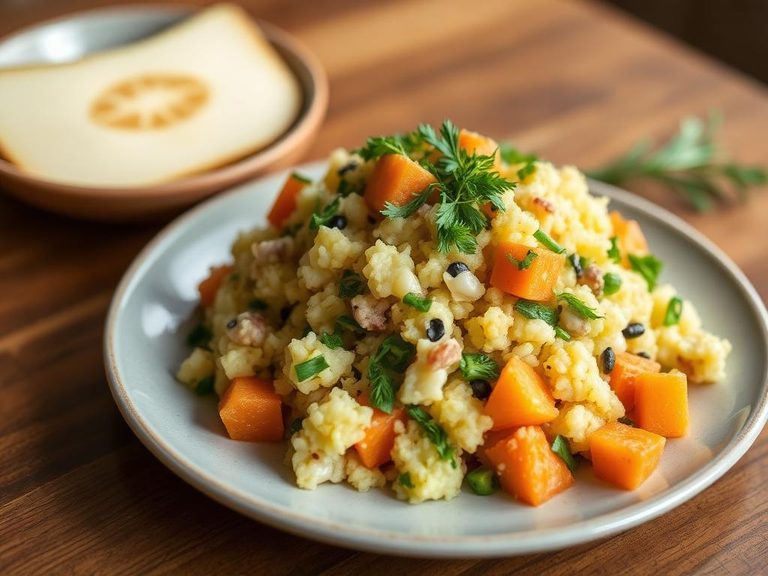
This is green cabbage, sliced and sautéed until tender-crisp in oil, resulting in a sweet, mild flavor with a satisfying, slightly chewy texture. The cooking process softens its raw edge, making it a comforting and versatile side. Nutritionally, it's a low-calorie, fiber-rich vegetable that provides a modest amount of energy from healthy fats.
Calorie split: 7% protein · 44% carbs · 50% fat
↓ Full nutrition💚 Why it's loved
People love it for its simple, sweet, and savory flavor that acts as a perfect canvas for other ingredients like garlic, onions, or bacon. It's a beloved, quick-to-prepare staple in home kitchens worldwide, offering a comforting, familiar taste.
⚠️ Watch-outs & how to enjoy it better
Overcooking can lead to a sulfurous smell and a mushy texture, which some find unappealing. For those sensitive to FODMAPs (fermentable carbohydrates), cabbage can cause digestive discomfort like bloating; pairing it with digestive aids like ginger or cooking it thoroughly can help reduce these compounds.
Key benefits
- Low in calories, supporting weight management goals
- Good source of dietary fiber for digestive health
- Contains vitamin C, an antioxidant that supports immune function
- Provides vitamin K, important for bone health and blood clotting
- Rich in glucosinolates, compounds studied for their potential health benefits
🍽️ Popular dishes
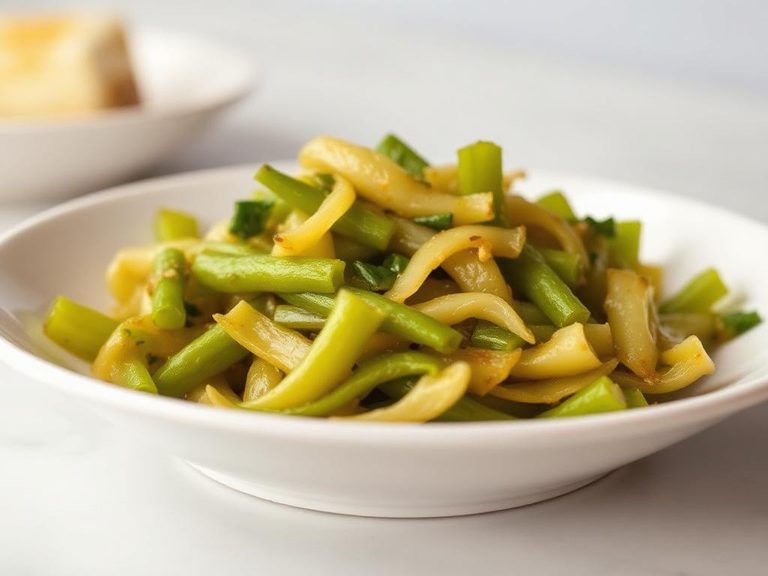
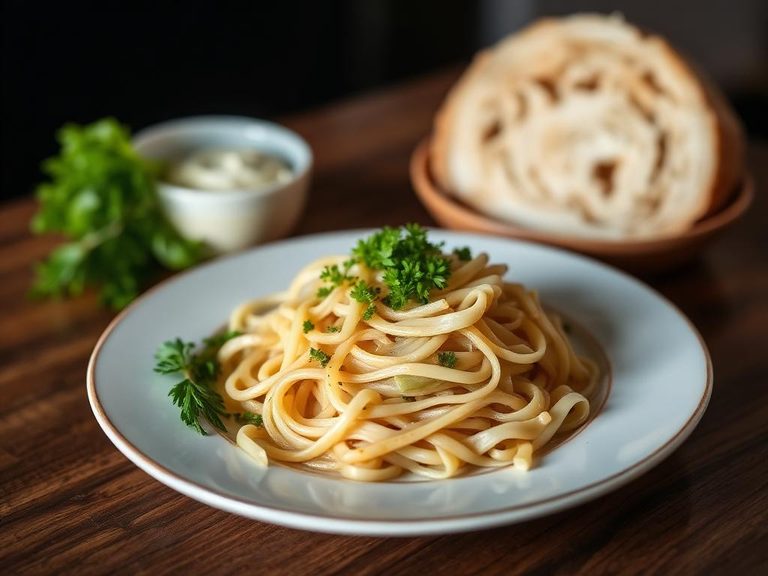
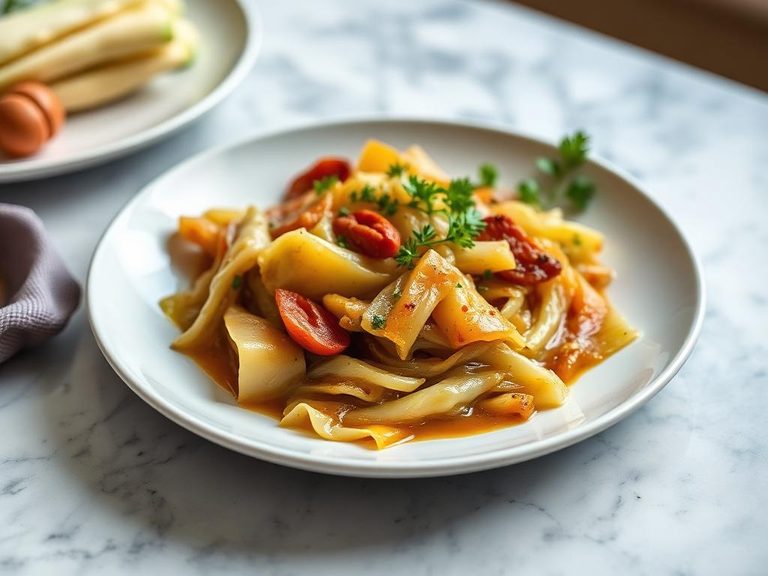
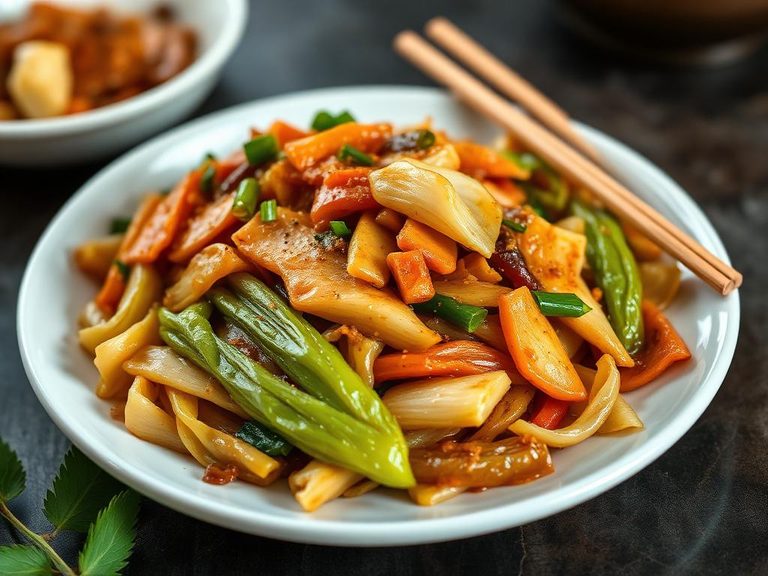
🌍 Where it's eaten
💡 Did you know?
The word 'cabbage' comes from the French 'caboche,' meaning 'head,' a reference to its dense, round shape.
Full nutrition (USDA data · scales with serving)
| Water | 88.5 g |
| Energy | 58.0 kcal |
| Protein | 0.97 g |
| Total lipid (fat) | 3.3 g |
| Carbohydrate, by difference | 6.4 g |
| Fiber, total dietary | 2.5 g |
| Total Sugars | 3.2 g |
| Calcium, Ca | 43.0 mg |
| Iron, Fe | 0.08 mg |
| Magnesium, Mg | 14.0 mg |
| Phosphorus, P | 27.0 mg |
| Potassium, K | 209 mg |
| Sodium, Na | 133 mg |
| Zinc, Zn | 0.21 mg |
| Copper, Cu | 0.00 mg |
| Selenium, Se | 0.30 ug |
| Vitamin C, total ascorbic acid | 34.5 mg |
| Thiamin | 0.06 mg |
| Riboflavin | 0.04 mg |
| Niacin | 0.22 mg |
| Vitamin B-6 | 0.13 mg |
| Folate, total | 37.0 ug |
| Folic acid | 0.00 ug |
| Folate, food | 37.0 ug |
| Folate, DFE | 37.0 ug |
| Choline, total | 10.8 mg |
| Vitamin B-12 | 0.00 ug |
| Vitamin B-12, added | 0.00 ug |
| Vitamin A, RAE | 5.0 ug |
| Retinol | 0.00 ug |
| Carotene, beta | 40.0 ug |
| Carotene, alpha | 32.0 ug |
| Cryptoxanthin, beta | 0.00 ug |
| Lycopene | 0.00 ug |
| Lutein + zeaxanthin | 29.0 ug |
| Vitamin E (alpha-tocopherol) | 0.73 mg |
| Vitamin E, added | 0.00 mg |
| Vitamin D (D2 + D3) | 0.00 ug |
| Vitamin K (phylloquinone) | 62.9 ug |
| Alcohol, ethyl | 0.00 g |
| Caffeine | 0.00 mg |
| Theobromine | 0.00 mg |
Fat & fatty acid profile (per 100g)
| Fatty acids, total saturated | 0.44 g |
| SFA 4:0 | 0.00 g |
| SFA 6:0 | 0.00 g |
| SFA 8:0 | 0.00 g |
| SFA 10:0 | 0.00 g |
| SFA 12:0 | 0.00 g |
| SFA 14:0 | 0.00 g |
| SFA 16:0 | 0.33 g |
| SFA 18:0 | 0.09 g |
| Fatty acids, total monounsaturated | 1.3 g |
| MUFA 16:1 | 0.01 g |
| MUFA 18:1 | 1.3 g |
| MUFA 20:1 | 0.02 g |
| MUFA 22:1 | 0.00 g |
| Fatty acids, total polyunsaturated | 1.2 g |
| PUFA 18:2 | 1.0 g |
| PUFA 18:3 | 0.13 g |
| PUFA 18:4 | 0.00 g |
| PUFA 20:4 | 0.00 g |
| PUFA 20:5 n-3 (EPA) | 0.00 g |
| PUFA 22:5 n-3 (DPA) | 0.00 g |
| PUFA 22:6 n-3 (DHA) | 0.00 g |
| Cholesterol | 0.00 mg |
Amino acid profile (per 100g)
Estimated from Cabbage, red, cooked, boiled, drained, with salt — USDA does not publish this profile for Cabbage.
| Tryptophan | 0.01 g |
| Threonine | 0.04 g |
| Isoleucine | 0.04 g |
| Leucine | 0.05 g |
| Lysine | 0.05 g |
| Methionine | 0.01 g |
| Cystine | 0.01 g |
| Phenylalanine | 0.04 g |
| Tyrosine | 0.02 g |
| Valine | 0.05 g |
| Arginine | 0.09 g |
| Histidine | 0.03 g |
| Alanine | 0.05 g |
| Aspartic acid | 0.14 g |
| Glutamic acid | 0.35 g |
| Glycine | 0.04 g |
| Proline | 0.06 g |
| Serine | 0.06 g |
FAQ
How is sautéed cabbage different from boiled or steamed cabbage?
Sautéing in oil caramelizes the natural sugars, creating a richer, sweeter flavor and a firmer, more toothsome texture compared to the softer, more water-logged result of boiling or steaming.
What's the best oil to use for cooking cabbage?
Neutral oils with a high smoke point, like avocado or canola oil, are great for high-heat sautéing. For added flavor, you can use butter or olive oil, but be mindful of the heat to prevent burning.
Can I eat sautéed cabbage if I'm watching my carbs?
Yes, it's a relatively low-carb vegetable option. The 6.43g of carbs per 100g includes beneficial fiber, making it a good choice for many low-carb dietary patterns.
Nutrient density (calculated · NRF9.3)
Nutrient Rich Foods index: beneficial nutrients (protein, fiber, vitamins, minerals) minus saturated fat, added sugar & sodium, per 100 kcal.
NRF9.3 index — Fulgoni, Keast & Drewnowski, 2009. Computed from USDA nutrients.
Weight-loss friendliness (composite index)
Energy density 0.58 kcal/g · 7% calories from protein · 2.5 g fiber · 3.2 g sugar per 100 g.
Composite of energy density (Rolls et al., 1999), protein & fiber satiety, minus sugar. A calculated heuristic — ranks satiety-per-calorie, not a clinical measure.
Dietary load (calculated from USDA values)
Potential renal acid load. Positive = acid-forming, negative = alkaline-forming.
Sodium-to-potassium ratio: 0.64 (lower is better — aim for ≤ 1)
Sodium:potassium per WHO potassium guidance. Computed from USDA nutrients.