Sautéed Cabbage Side Dish
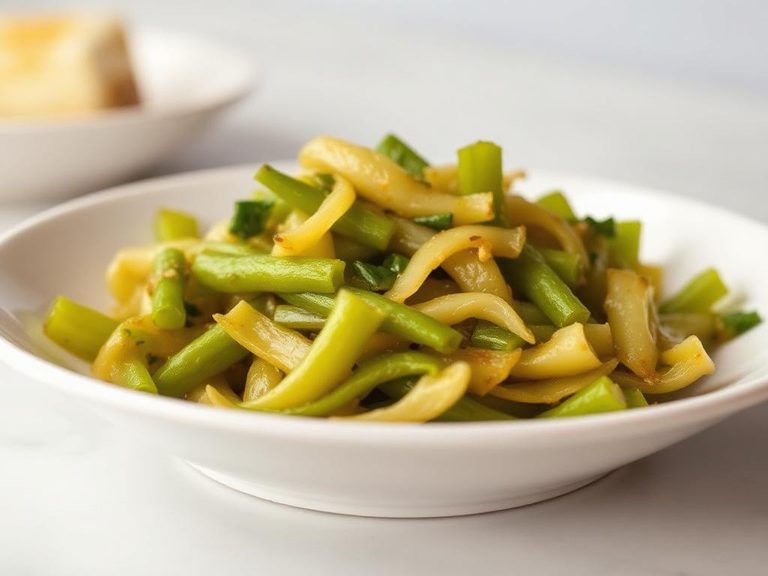
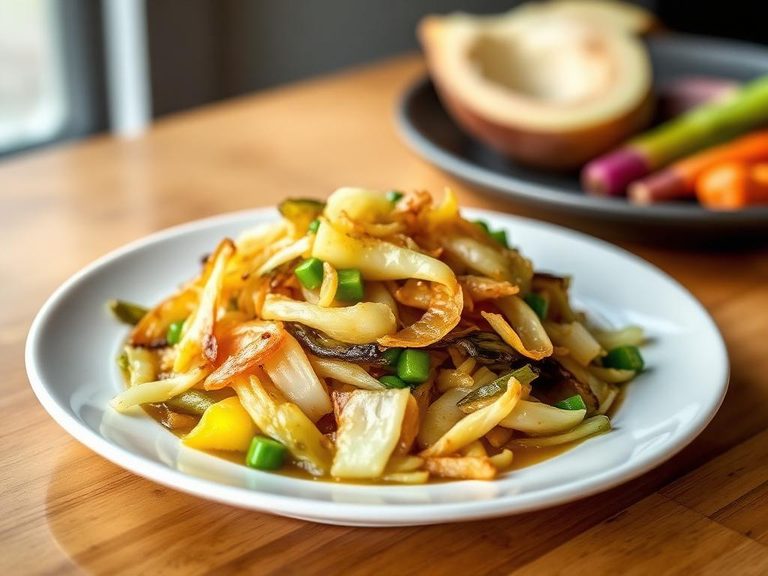
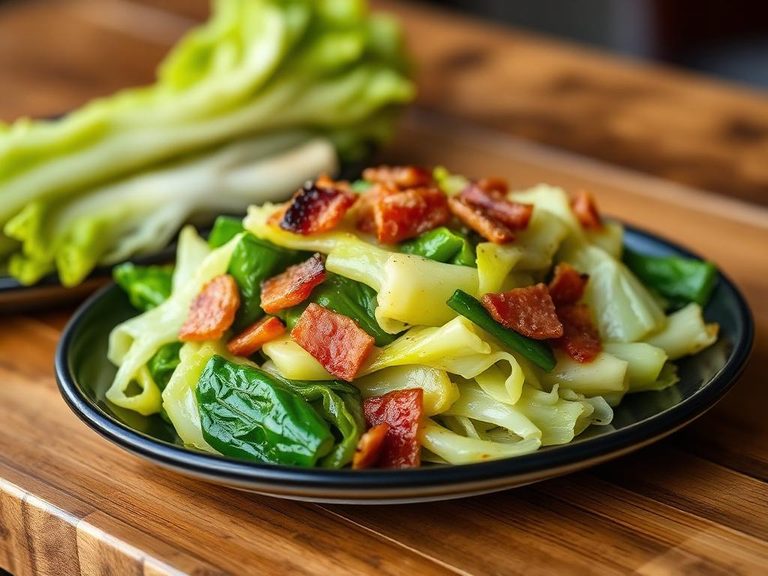
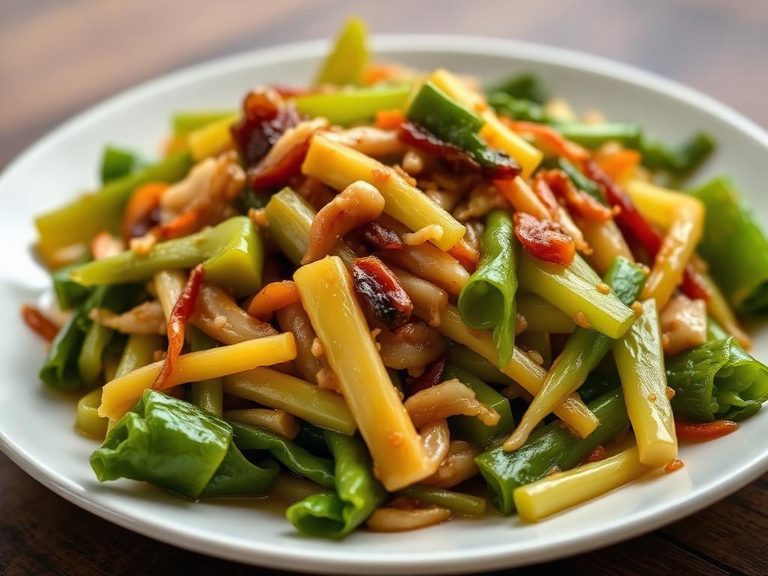
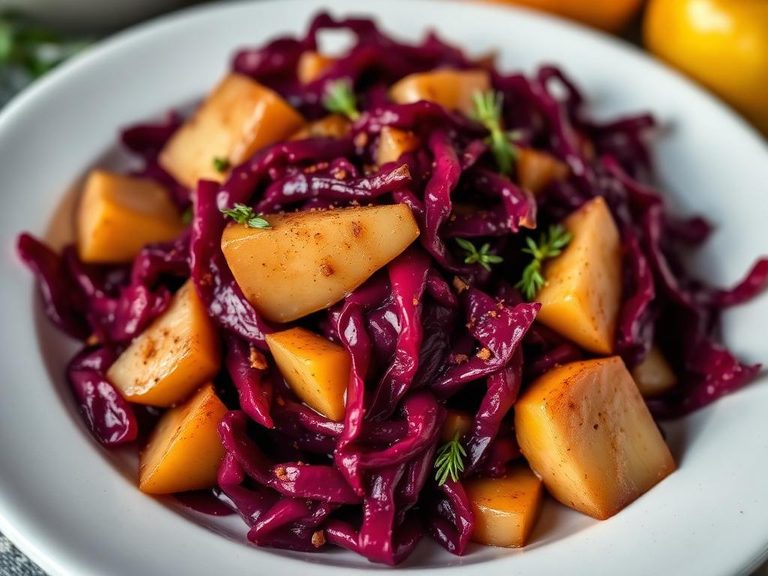
Sautéed cabbage is a simple, savory side dish made by cooking shredded or chopped cabbage in a pan with fat, such as butter or oil, until tender and often caramelized. Common ingredients include cabbage, onions, garlic, salt, and pepper, with variations often adding bacon, vinegar, or caraway seeds. It is a staple comfort food found in many cuisines, particularly in Eastern European, German, and American Southern cooking.
🍽️ Nutrition at a glance
This dish is generally low in calories, carbohydrates, and fat, while providing a good source of dietary fiber and vitamin C. A typical serving contains roughly 50-100 calories, depending on the amount of oil or butter used.
Nutrition breakdown
| Calories | 45 kcal |
| Protein | 1.5 g |
| Carbs | 8 g |
| Fat | 1 g |
| Fiber | 3 g |
| Sugar | 4 g |
| Sodium | 200 mg |
| Vitamin C | 30 mg |
| Vitamin K | 60 mcg |
| Potassium | 250 mg |
| Folate | 40 mcg |
| Vitamin B6 | 0.1 mg |
| Calcium | 40 mg |
| Manganese | 0.2 mg |
| Iron | 0.8 mg |
Per 1 cup (150 g) · estimated, varies by recipe
💡 What's interesting
Culturally, sautéed cabbage is a cornerstone of dishes like Polish bigos (hunter's stew) and German sauerkraut, showcasing its role as a preserved winter vegetable. Nutritionally, it is a cruciferous vegetable linked to various health benefits, including being rich in antioxidants and anti-inflammatory compounds.