

Kapusta
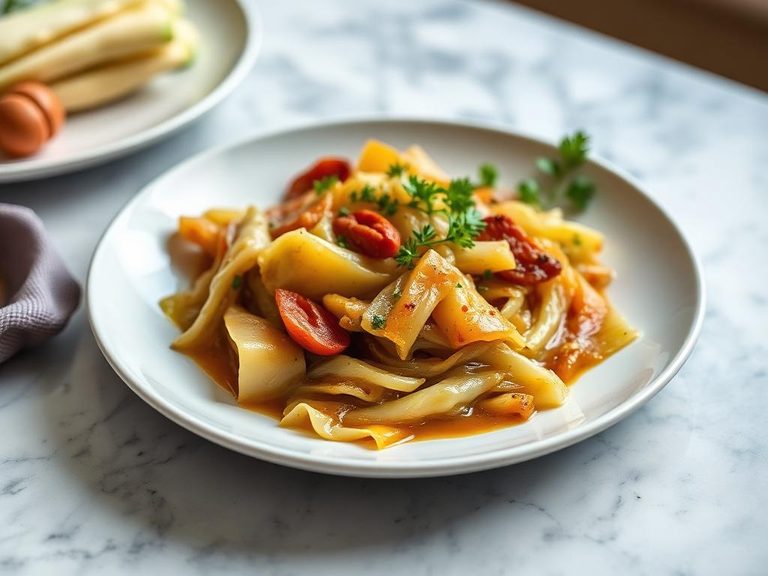
Kapusta is a traditional Polish dish made from braised cabbage, often cooked with onions, bacon, and sometimes mushrooms or sauerkraut. It is a staple in Polish cuisine, known for its rich, savory flavor and comforting texture. The dish is typically served as a side or a main course, especially during holidays and family gatherings.
🍽️ Nutrition at a glance
Kapusta is generally low in calories, with a serving providing around 150-200 calories, and it is a good source of fiber, vitamin C, and vitamin K. It is moderate in fat, especially if cooked with bacon or oil, but remains a nutrient-dense option due to the cabbage's vitamins and minerals.
Nutrition breakdown
| Calories | 130 kcal |
| Protein | 3 g |
| Carbs | 12 g |
| Fat | 8 g |
| Fiber | 4.5 g |
| Sugar | 6 g |
| Sodium | 580 mg |
| Vitamin C | 45 mg |
| Vitamin K | 95 mcg |
| Vitamin A | 450 IU |
| Folate | 60 mcg |
| Potassium | 320 mg |
| Manganese | 0.4 mg |
| Iron | 1.2 mg |
| Calcium | 55 mg |
Per 1 cup (240 g) · estimated, varies by recipe
💡 What's interesting
Kapusta is culturally significant in Poland, often associated with festive meals like Christmas Eve, and its use of fermented cabbage (sauerkraut) reflects a long tradition of preserving vegetables. Nutritionally, it is unique for combining the health benefits of cabbage, which is high in antioxidants, with the umami depth from bacon or mushrooms, making it both flavorful and wholesome.
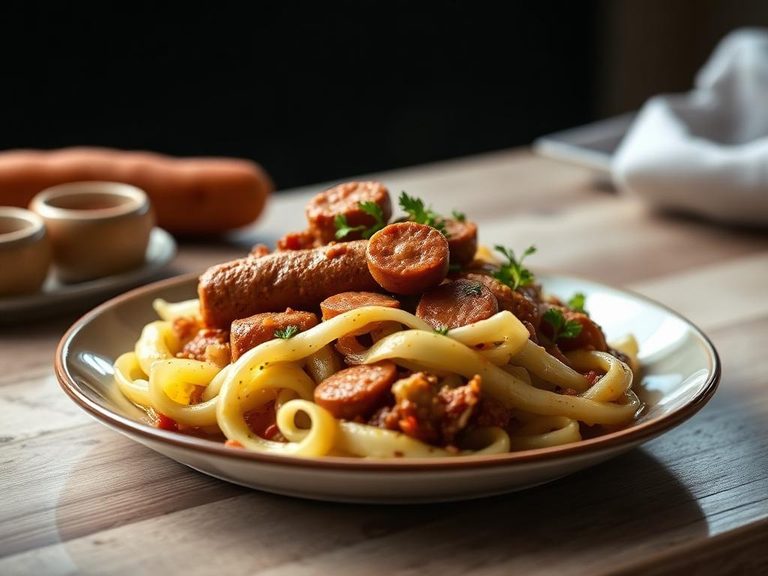
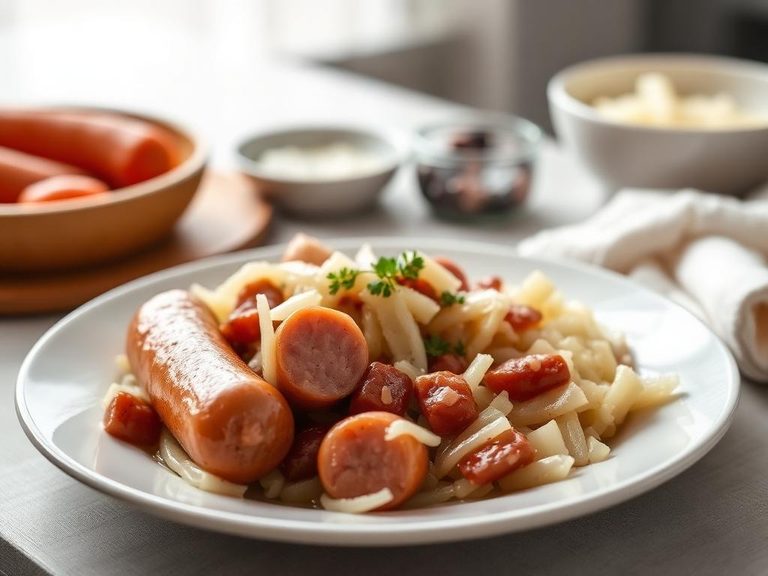
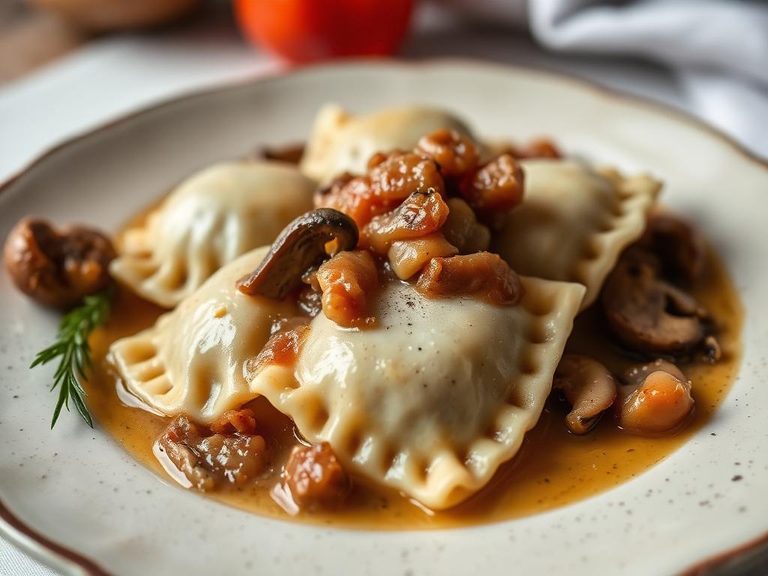
🍽️ Related dishes
AI estimate may be inaccurate · Terms