

Bread, chappatti or roti
Common food
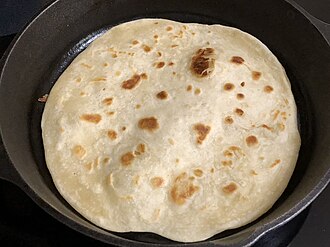
Photo: Wikipedia
Chappatti, also known as roti, is a simple, unleavened flatbread made from whole wheat flour, water, and a pinch of salt, cooked on a hot griddle. It has a soft, slightly chewy texture with a subtle, nutty flavor and often features characteristic charred spots from high-heat cooking. Nutritionally, it's a solid source of complex carbohydrates and dietary fiber, providing sustained energy.
Calorie split: 11% protein · 62% carbs · 28% fat
↓ Full nutrition💚 Why it's loved
People love it for its comforting, wholesome taste and its incredible versatility—it serves as both a staple carbohydrate and an edible utensil for scooping up curries, dals, and vegetables. It's deeply embedded in South Asian culture, representing home cooking, family meals, and tradition.
⚠️ Watch-outs & how to enjoy it better
While nutritious, its high carbohydrate content can cause blood sugar spikes if eaten alone in large portions. Those with gluten sensitivity or celiac disease must avoid it. To counteract blood sugar impact, pair it with protein-rich dishes like lentils (dal) or yogurt, or fiber-rich vegetables, and practice portion control.
Key benefits
- Good source of dietary fiber (9.7g per 100g) for digestive health.
- Provides complex carbohydrates for sustained energy release.
- Contains plant-based protein (7.85g per 100g).
- Low in sugar (2.93g per 100g) compared to many breads.
- Typically made with minimal ingredients, often just whole wheat, water, and salt.
🍽️ Popular dishes
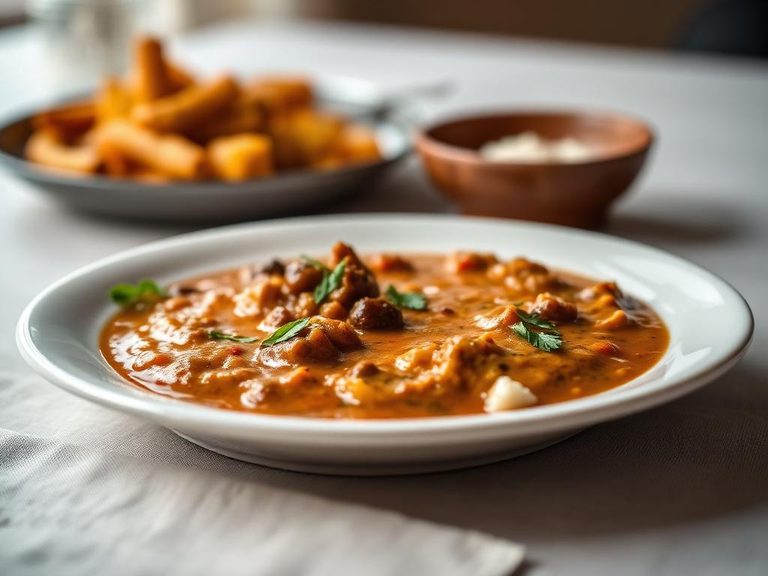
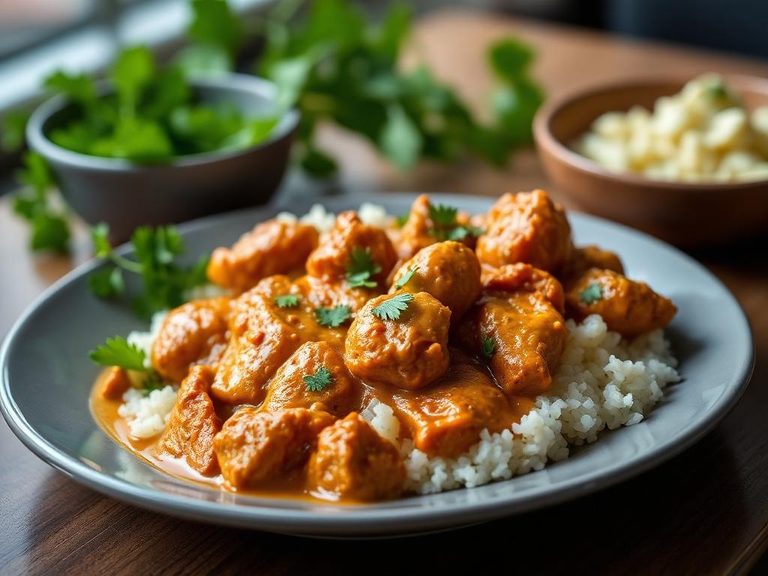
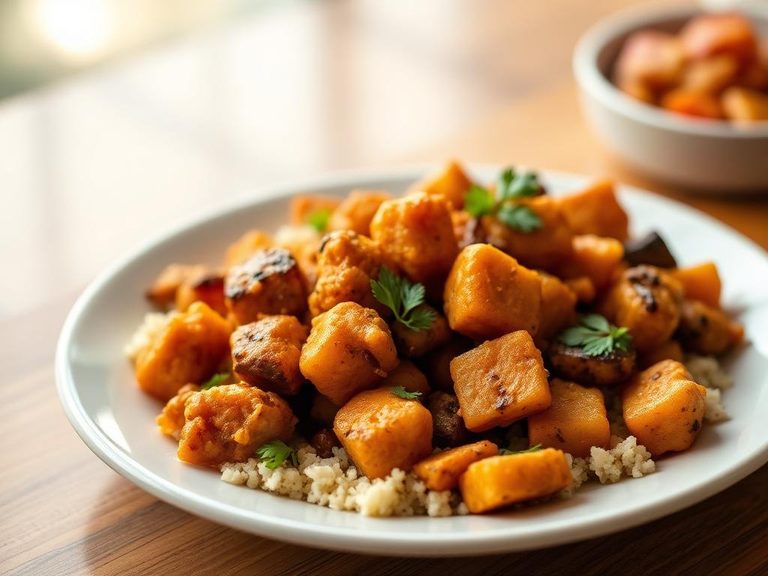
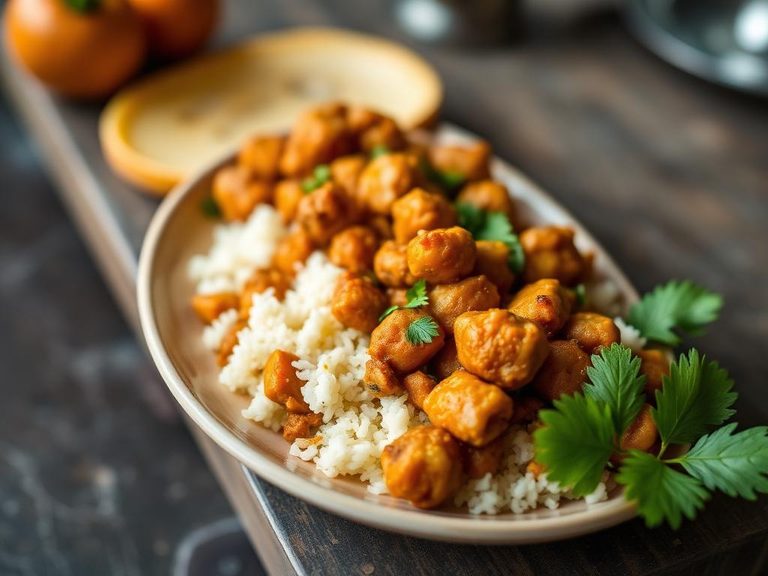
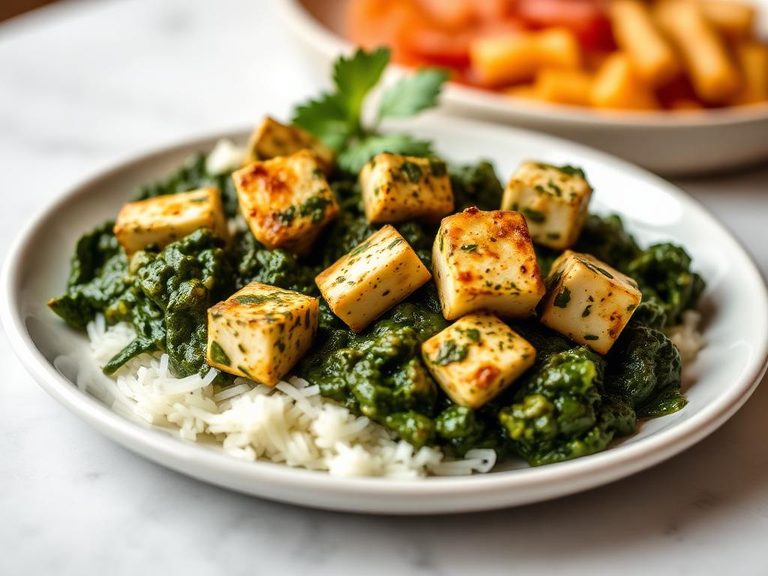
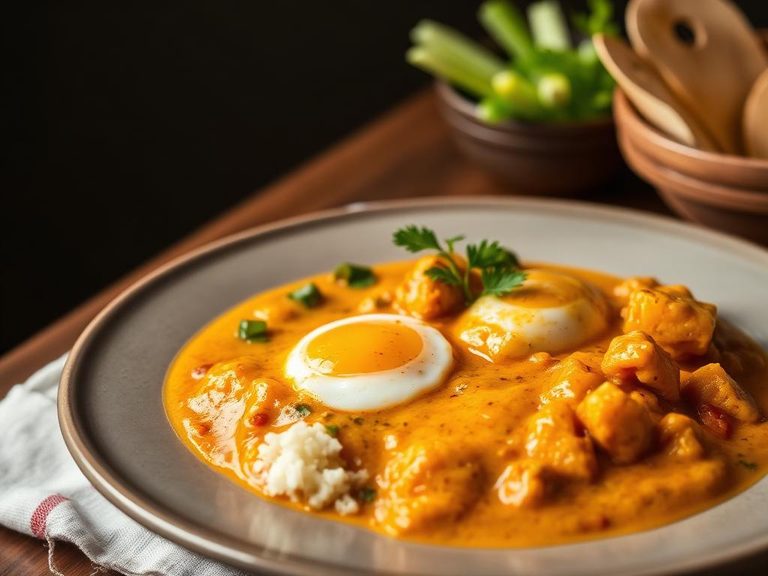
🌍 Where it's eaten
💡 Did you know?
The puffing of a roti on the griddle is a sign of perfect kneading and rolling; it happens when steam from the water in the dough gets trapped between the layers, causing it to inflate like a balloon.
Full nutrition (USDA data · scales with serving)
| Water | 35.4 g |
| Energy | 299 kcal |
| Protein | 7.8 g |
| Total lipid (fat) | 9.2 g |
| Carbohydrate, by difference | 46.1 g |
| Fiber, total dietary | 9.7 g |
| Total Sugars | 2.9 g |
| Calcium, Ca | 36.0 mg |
| Iron, Fe | 2.2 mg |
| Magnesium, Mg | 56.0 mg |
| Phosphorus, P | 158 mg |
| Potassium, K | 196 mg |
| Sodium, Na | 298 mg |
| Zinc, Zn | 1.5 mg |
| Copper, Cu | 0.23 mg |
| Selenium, Se | 26.6 ug |
| Vitamin C, total ascorbic acid | 0.00 mg |
| Thiamin | 0.36 mg |
| Riboflavin | 0.18 mg |
| Niacin | 4.6 mg |
| Vitamin B-6 | 0.28 mg |
| Folate, total | 38.0 ug |
| Folic acid | 0.00 ug |
| Folate, food | 38.0 ug |
| Folate, DFE | 38.0 ug |
| Choline, total | 7.8 mg |
| Vitamin B-12 | 0.00 ug |
| Vitamin B-12, added | 0.00 ug |
| Vitamin A, RAE | 0.00 ug |
| Retinol | 0.00 ug |
| Carotene, beta | 0.00 ug |
| Carotene, alpha | 0.00 ug |
| Cryptoxanthin, beta | 0.00 ug |
| Lycopene | 0.00 ug |
| Lutein + zeaxanthin | 10.0 ug |
| Vitamin E (alpha-tocopherol) | 0.55 mg |
| Vitamin E, added | 0.00 mg |
| Vitamin D (D2 + D3) | 0.00 ug |
| Vitamin K (phylloquinone) | 3.3 ug |
| Alcohol, ethyl | 0.00 g |
| Caffeine | 0.00 mg |
| Theobromine | 0.00 mg |
Fat & fatty acid profile (per 100g)
| Fatty acids, total saturated | 3.3 g |
| SFA 4:0 | 0.00 g |
| SFA 6:0 | 0.00 g |
| SFA 8:0 | 0.00 g |
| SFA 10:0 | 0.01 g |
| SFA 12:0 | 0.01 g |
| SFA 14:0 | 0.07 g |
| SFA 16:0 | 2.8 g |
| SFA 18:0 | 0.38 g |
| Fatty acids, total monounsaturated | 2.1 g |
| MUFA 16:1 | 0.01 g |
| MUFA 18:1 | 2.1 g |
| MUFA 20:1 | 0.01 g |
| MUFA 22:1 | 0.00 g |
| Fatty acids, total polyunsaturated | 0.76 g |
| PUFA 18:2 | 0.73 g |
| PUFA 18:3 | 0.03 g |
| PUFA 18:4 | 0.00 g |
| PUFA 20:4 | 0.00 g |
| PUFA 20:5 n-3 (EPA) | 0.00 g |
| PUFA 22:5 n-3 (DPA) | 0.00 g |
| PUFA 22:6 n-3 (DHA) | 0.00 g |
| Cholesterol | 0.00 mg |
Amino acid profile (per 100g)
Estimated from Bread, salvadoran sweet cheese (quesadilla salvadorena) — USDA does not publish this profile for Bread.
| Tryptophan | 0.07 g |
| Threonine | 0.21 g |
| Isoleucine | 0.30 g |
| Leucine | 0.65 g |
| Lysine | 0.50 g |
| Methionine | 0.28 g |
| Cystine | 0.06 g |
| Phenylalanine | 0.37 g |
| Tyrosine | 0.23 g |
| Valine | 0.43 g |
| Arginine | 0.25 g |
| Histidine | 0.15 g |
| Alanine | 0.36 g |
| Aspartic acid | 0.59 g |
| Glutamic acid | 1.3 g |
| Glycine | 0.20 g |
| Proline | 0.83 g |
| Serine | 0.45 g |
| Hydroxyproline | 0.00 g |
FAQ
What's the difference between chapati, roti, and phulka?
They are very similar unleavened whole wheat flatbreads. 'Roti' is a general term. 'Chapati' often implies a slightly thicker, softer bread. 'Phulka' is a specific type of roti that is puffed up directly over a flame after initial griddle cooking.
Can I make it without a traditional tava (griddle)?
Yes. A heavy-bottomed skillet, cast-iron pan, or even a clean, dry frying pan can work. The key is high, even heat to cook it quickly and create the characteristic spots.
Why is my roti hard or chewy?
Common reasons are over-kneading the dough, rolling it too thick, or cooking it on low heat. The dough should be soft, rolled thin, and cooked on a preheated, hot surface for a short time.
Nutrient density (calculated · NRF9.3)
Nutrient Rich Foods index: beneficial nutrients (protein, fiber, vitamins, minerals) minus saturated fat, added sugar & sodium, per 100 kcal.
NRF9.3 index — Fulgoni, Keast & Drewnowski, 2009. Computed from USDA nutrients.
Weight-loss friendliness (composite index)
Energy density 2.99 kcal/g · 11% calories from protein · 9.7 g fiber · 2.9 g sugar per 100 g.
Composite of energy density (Rolls et al., 1999), protein & fiber satiety, minus sugar. A calculated heuristic — ranks satiety-per-calorie, not a clinical measure.
Dietary load (calculated from USDA values)
Potential renal acid load. Positive = acid-forming, negative = alkaline-forming.
Sodium-to-potassium ratio: 1.52 (lower is better — aim for ≤ 1)
Sodium:potassium per WHO potassium guidance. Computed from USDA nutrients.