

Bison
Common food

Photo: Wikipedia
Bison is a lean, deeply red meat from the American bison, offering a flavor profile that's richer and slightly sweeter than beef with a tender, fine-grained texture. It is exceptionally high in protein while being naturally low in fat and carbohydrates, making it a powerhouse for muscle maintenance. This meat delivers a robust, earthy taste that stands up well to bold seasonings and slow cooking methods.
Calorie split: 57% protein · 0% carbs · 43% fat
↓ Full nutrition💚 Why it's loved
People love bison for its clean, slightly sweet flavor that's less gamey than venison but more complex than beef, making it a gourmet staple in North American cuisine. Its versatility shines in everything from hearty burgers to elegant steaks, appealing to both health-conscious eaters and culinary enthusiasts who appreciate its rich, satisfying taste.
⚠️ Watch-outs & how to enjoy it better
Bison can be tougher and drier than beef if overcooked due to its low fat content, which may disappoint those expecting a juicy, marbled texture. To counteract this, cook it to medium-rare or medium and let it rest before slicing; also, pair it with a flavorful sauce or side like roasted vegetables to add moisture and balance the lean profile.
Key benefits
- High-quality protein source with over 25g per 100g serving
- Naturally low in fat compared to conventional beef
- Rich in iron, zinc, and B vitamins like B12
- Contains more omega-3 fatty acids than grain-fed beef
- Often raised without added hormones or antibiotics
🍽️ Popular dishes
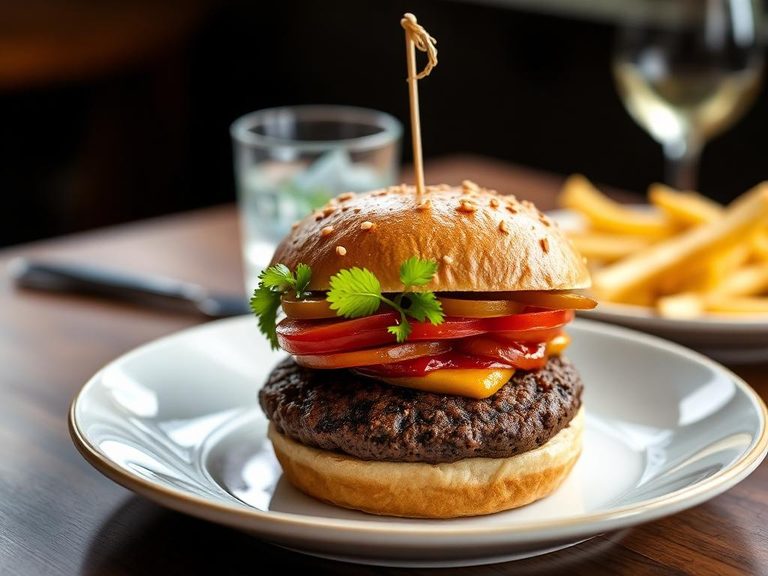
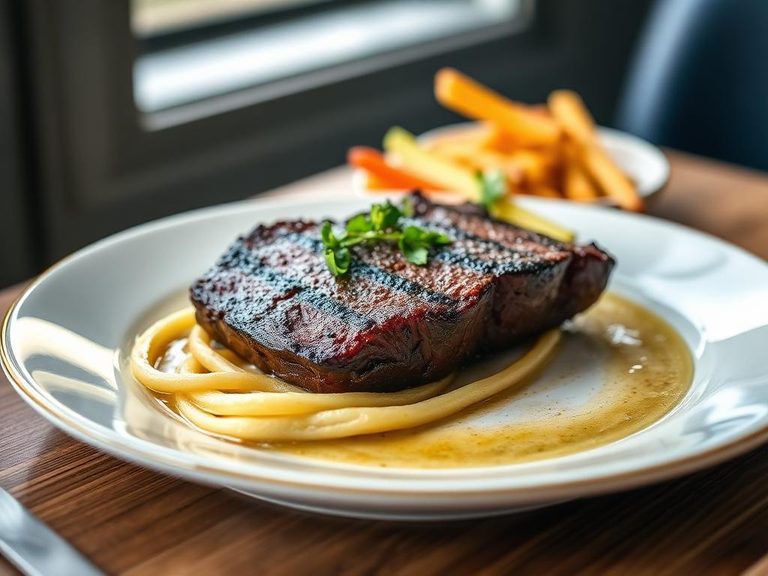
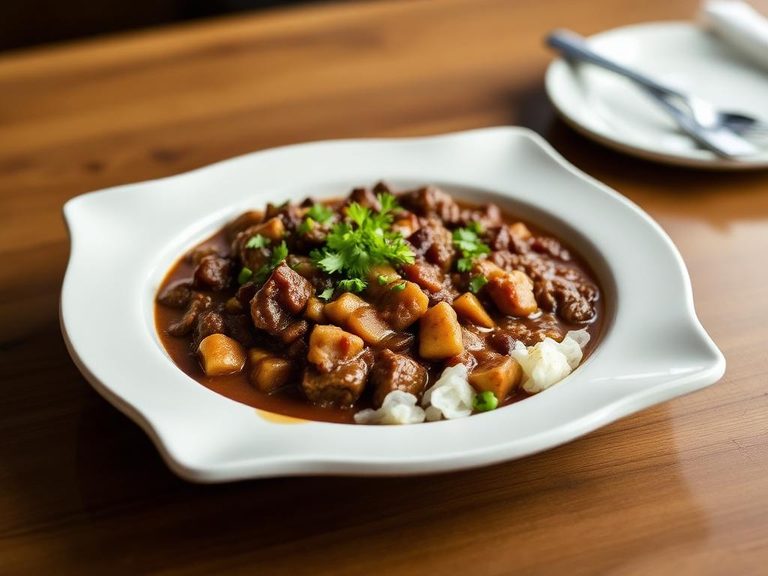
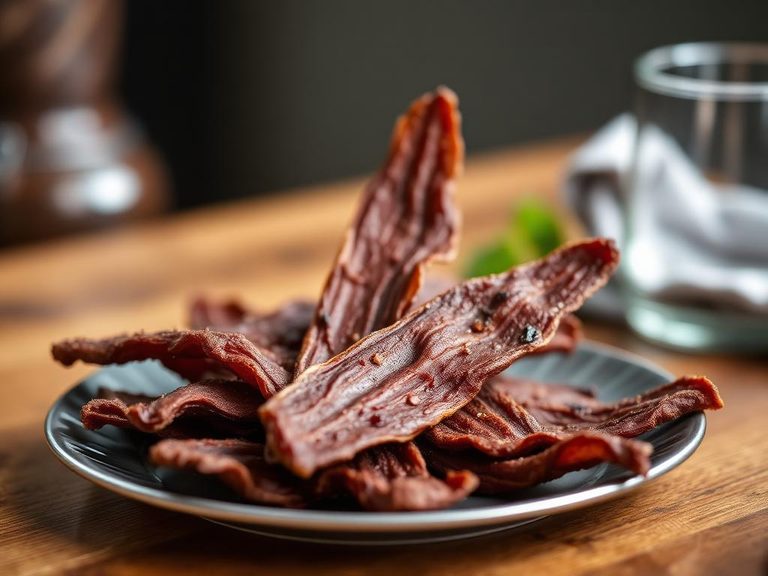
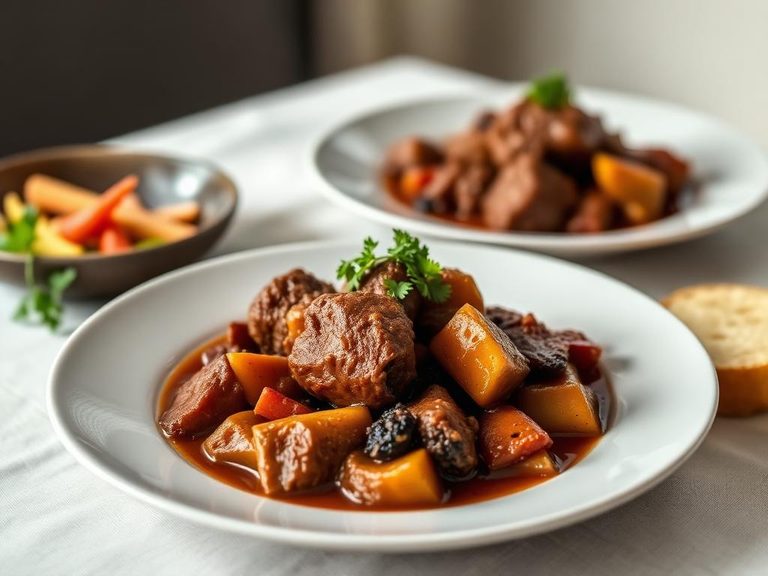
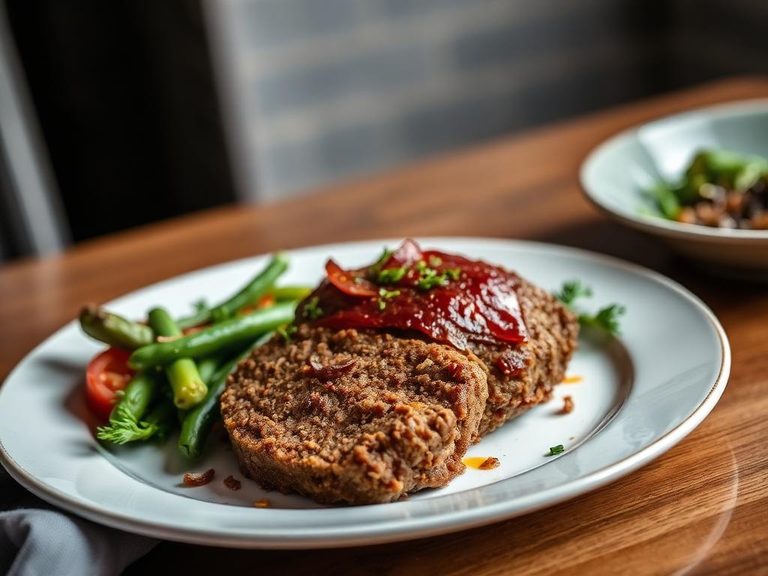
🌍 Where it's eaten
💡 Did you know?
Bison meat was once a staple food for Native American tribes on the Great Plains, and today, a single bison can produce around 200 pounds of usable meat, making it a sustainable and culturally significant protein source.
Full nutrition (USDA data · scales with serving)
| Water | 64.6 g |
| Energy | 178 kcal |
| Protein | 25.3 g |
| Total lipid (fat) | 8.6 g |
| Carbohydrate, by difference | 0.00 g |
| Fiber, total dietary | 0.00 g |
| Total Sugars | 0.00 g |
| Calcium, Ca | 14.0 mg |
| Iron, Fe | 3.2 mg |
| Magnesium, Mg | 23.0 mg |
| Phosphorus, P | 211 mg |
| Potassium, K | 350 mg |
| Sodium, Na | 383 mg |
| Zinc, Zn | 5.3 mg |
| Copper, Cu | 0.15 mg |
| Selenium, Se | 30.9 ug |
| Vitamin C, total ascorbic acid | 0.00 mg |
| Thiamin | 0.14 mg |
| Riboflavin | 0.26 mg |
| Niacin | 5.9 mg |
| Vitamin B-6 | 0.40 mg |
| Folate, total | 16.0 ug |
| Folic acid | 0.00 ug |
| Folate, food | 16.0 ug |
| Folate, DFE | 16.0 ug |
| Choline, total | 96.4 mg |
| Vitamin B-12 | 2.4 ug |
| Vitamin B-12, added | 0.00 ug |
| Vitamin A, RAE | 0.00 ug |
| Retinol | 0.00 ug |
| Carotene, beta | 0.00 ug |
| Carotene, alpha | 0.00 ug |
| Cryptoxanthin, beta | 0.00 ug |
| Lycopene | 0.00 ug |
| Lutein + zeaxanthin | 0.00 ug |
| Vitamin E (alpha-tocopherol) | 0.20 mg |
| Vitamin E, added | 0.00 mg |
| Vitamin D (D2 + D3) | 0.00 ug |
| Vitamin K (phylloquinone) | 1.3 ug |
| Alcohol, ethyl | 0.00 g |
| Caffeine | 0.00 mg |
| Theobromine | 0.00 mg |
Fat & fatty acid profile (per 100g)
| Fatty acids, total saturated | 3.5 g |
| SFA 4:0 | 0.00 g |
| SFA 6:0 | 0.00 g |
| SFA 8:0 | 0.00 g |
| SFA 10:0 | 0.00 g |
| SFA 12:0 | 0.00 g |
| SFA 14:0 | 0.15 g |
| SFA 16:0 | 1.5 g |
| SFA 18:0 | 1.8 g |
| Fatty acids, total monounsaturated | 3.3 g |
| MUFA 16:1 | 0.17 g |
| MUFA 18:1 | 3.1 g |
| MUFA 20:1 | 0.03 g |
| MUFA 22:1 | 0.00 g |
| Fatty acids, total polyunsaturated | 0.40 g |
| PUFA 18:2 | 0.31 g |
| PUFA 18:3 | 0.04 g |
| PUFA 18:4 | 0.00 g |
| PUFA 20:4 | 0.04 g |
| PUFA 20:5 n-3 (EPA) | 0.00 g |
| PUFA 22:5 n-3 (DPA) | 0.00 g |
| PUFA 22:6 n-3 (DHA) | 0.00 g |
| Cholesterol | 70.0 mg |
Amino acid profile (per 100g)
Estimated from Game meat, bison, top sirloin, separable lean only, trimmed to 0" fat, raw — USDA does not publish this profile for Bison.
| Tryptophan | 0.00 g |
| Threonine | 0.88 g |
| Isoleucine | 0.90 g |
| Leucine | 1.7 g |
| Lysine | 1.7 g |
| Methionine | 0.51 g |
| Cystine | 0.00 g |
| Phenylalanine | 0.80 g |
| Tyrosine | 0.69 g |
| Valine | 0.97 g |
| Arginine | 1.3 g |
| Histidine | 0.57 g |
| Alanine | 1.2 g |
| Aspartic acid | 1.9 g |
| Glutamic acid | 3.1 g |
| Glycine | 1.0 g |
| Proline | 0.85 g |
| Serine | 0.81 g |
FAQ
Is bison meat healthier than beef?
Yes, bison is generally leaner with less fat and more omega-3s, but it's still red meat, so it should be eaten in moderation as part of a balanced diet.
How should I cook bison to avoid it becoming dry?
Cook bison to medium-rare or medium (145°F/63°C internal temperature) and let it rest for 5-10 minutes before serving to retain moisture.
Where can I buy bison meat?
Bison meat is available at specialty butcher shops, farmers' markets, and online retailers; it's also increasingly found in mainstream grocery stores in the meat section.
Nutrient density (calculated · NRF9.3)
Nutrient Rich Foods index: beneficial nutrients (protein, fiber, vitamins, minerals) minus saturated fat, added sugar & sodium, per 100 kcal.
NRF9.3 index — Fulgoni, Keast & Drewnowski, 2009. Computed from USDA nutrients.
Weight-loss friendliness (composite index)
Energy density 1.78 kcal/g · 57% calories from protein · 0.0 g fiber · 0.0 g sugar per 100 g.
Composite of energy density (Rolls et al., 1999), protein & fiber satiety, minus sugar. A calculated heuristic — ranks satiety-per-calorie, not a clinical measure.
Dietary load (calculated from USDA values)
Potential renal acid load. Positive = acid-forming, negative = alkaline-forming.
Sodium-to-potassium ratio: 1.09 (lower is better — aim for ≤ 1)
Sodium:potassium per WHO potassium guidance. Computed from USDA nutrients.