

Bison, ground, raw
Whole food · Lamb, Veal, and Game Products
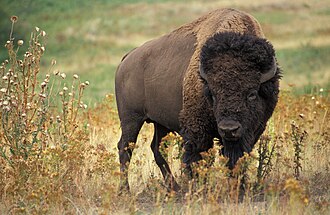
Photo: Wikipedia
Ground bison is a lean, deeply red meat with a fine, dense texture and a subtly sweet, mineral-rich flavor that's often described as a cleaner, less gamey version of beef. Nutritionally, it's a powerhouse of high-quality protein with a favorable fat profile, offering a robust, satisfying bite in every mouthful.
Calorie split: 50% protein · 0% carbs · 50% fat
↓ Full nutrition💚 Why it's loved
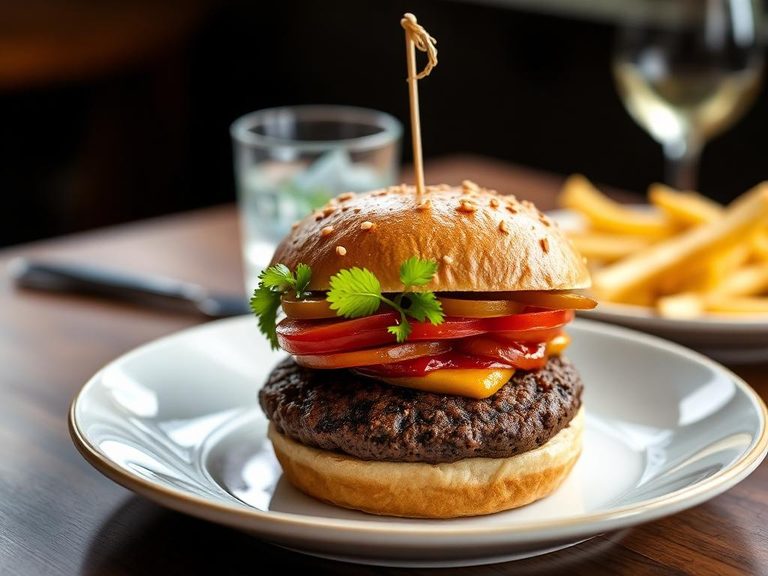
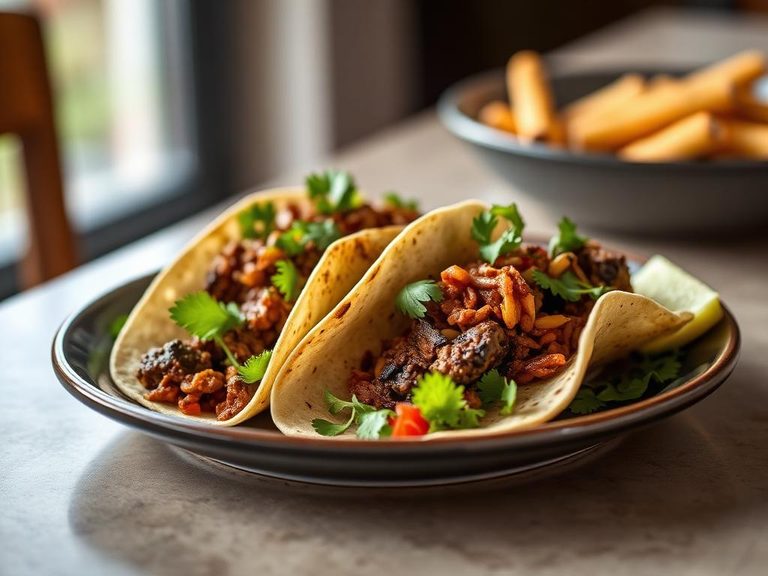
People love ground bison for its rich, beef-like flavor that's slightly sweeter and more nuanced, making it a premium upgrade for burgers, tacos, and meat sauces. Its versatility allows it to seamlessly replace ground beef in almost any recipe while offering a leaner, more nutrient-dense profile.
⚠️ Watch-outs & how to enjoy it better
Due to its very low fat content, ground bison can dry out quickly if overcooked, leading to a tough, crumbly texture. To counteract this, cook it to medium or medium-rank (160°F/71°C is safe) and incorporate moisture through sauces, broths, or finely diced vegetables in dishes like chili or meatloaf.
Key benefits
- Excellent source of complete protein for muscle maintenance.
- Lower in total fat and calories than conventional ground beef.
- Rich in iron, zinc, and B vitamins like B12 and niacin.
- Contains conjugated linoleic acid (CLA), a beneficial fatty acid.
- Grass-fed options can have a better omega-3 to omega-6 ratio.
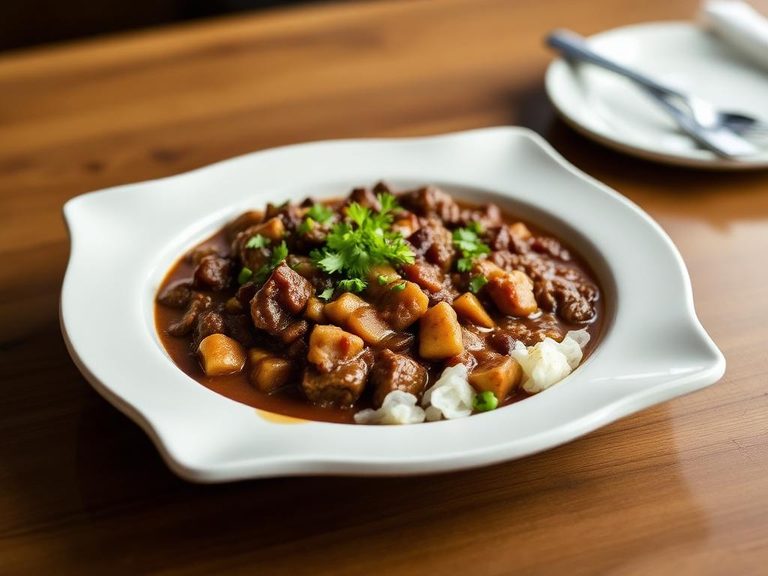
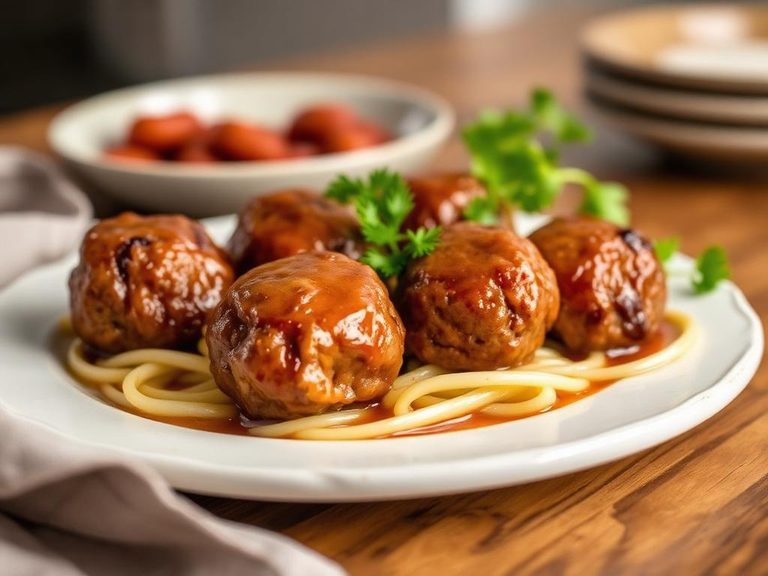
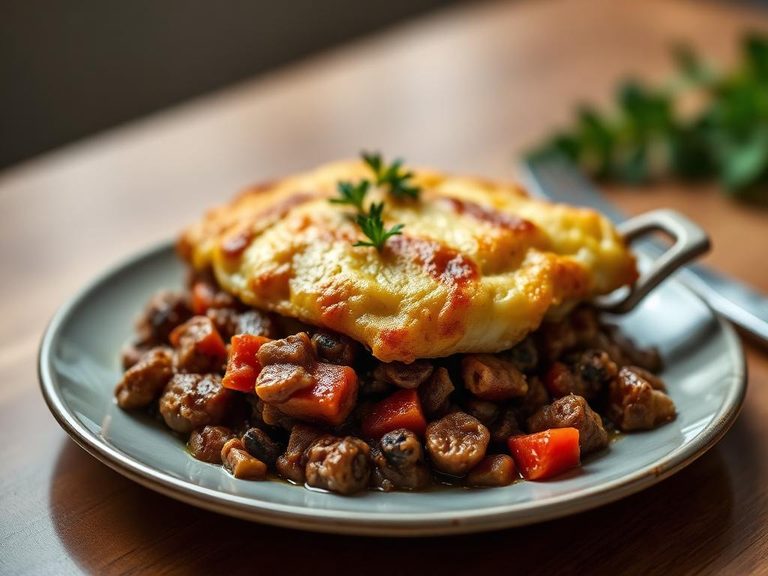
🍽️ Popular dishes
🌍 Where it's eaten
💡 Did you know?
A single bison can produce over 200 pounds of meat, but the animal is so revered in some Native American cultures that every part was used, from the meat for food to the bones for tools and the hide for shelter.
Full nutrition (USDA data · scales with serving)
| Water | 70.4 g |
| Energy (Atwater General Factors) | 159 kcal |
| Energy (Atwater Specific Factors) | 164 kcal |
| Nitrogen | 3.2 g |
| Protein | 19.9 g |
| Total lipid (fat) | 8.9 g |
| Ash | 0.95 g |
| Carbohydrate, by difference | -0.15 g |
| Calcium, Ca | 6.8 mg |
| Iron, Fe | 2.2 mg |
| Magnesium, Mg | 18.5 mg |
| Phosphorus, P | 166 mg |
| Potassium, K | 301 mg |
| Sodium, Na | 55.7 mg |
| Zinc, Zn | 3.8 mg |
| Copper, Cu | 0.08 mg |
| Manganese, Mn | 0.00 mg |
Fat & fatty acid profile (per 100g)
| Cholesterol | 64.5 mg |
Amino acid profile (per 100g)
Estimated from Game meat, bison, top sirloin, separable lean only, trimmed to 0" fat, raw — USDA does not publish this profile for Bison.
| Tryptophan | 0.00 g |
| Threonine | 0.88 g |
| Isoleucine | 0.90 g |
| Leucine | 1.7 g |
| Lysine | 1.7 g |
| Methionine | 0.51 g |
| Cystine | 0.00 g |
| Phenylalanine | 0.80 g |
| Tyrosine | 0.69 g |
| Valine | 0.97 g |
| Arginine | 1.3 g |
| Histidine | 0.57 g |
| Alanine | 1.2 g |
| Aspartic acid | 1.9 g |
| Glutamic acid | 3.1 g |
| Glycine | 1.0 g |
| Proline | 0.85 g |
| Serine | 0.81 g |
FAQ
How does ground bison taste different from ground beef?
Ground bison has a richer, slightly sweeter and more mineral-forward flavor than beef, with a cleaner finish. It's less 'gamey' than other wild meats like venison.
Is ground bison healthier than ground beef?
Generally, yes. Lean ground bison is lower in calories, total fat, and saturated fat while providing comparable or higher amounts of protein, iron, and zinc. The exact comparison depends on the fat percentage of the beef.
How should I cook ground bison to keep it from drying out?
Because it's lean, avoid high heat for long periods. Cook burgers to medium, and for dishes like chili or meat sauce, add extra liquid (broth, tomatoes) and don't simmer uncovered for too long. Mixing in a small amount of fat, like olive oil or diced onion, during cooking also helps.
Nutrient density (calculated · NRF9.3)
Nutrient Rich Foods index: beneficial nutrients (protein, fiber, vitamins, minerals) minus saturated fat, added sugar & sodium, per 100 kcal.
NRF9.3 index — Fulgoni, Keast & Drewnowski, 2009. Computed from USDA nutrients.
Weight-loss friendliness (composite index)
Energy density 1.59 kcal/g · 50% calories from protein · 0.0 g fiber · 0.0 g sugar per 100 g.
Composite of energy density (Rolls et al., 1999), protein & fiber satiety, minus sugar. A calculated heuristic — ranks satiety-per-calorie, not a clinical measure.
Dietary load (calculated from USDA values)
Potential renal acid load. Positive = acid-forming, negative = alkaline-forming.
Sodium-to-potassium ratio: 0.18 (lower is better — aim for ≤ 1)
Sodium:potassium per WHO potassium guidance. Computed from USDA nutrients.