

Beverages, Orange juice, light, No pulp
Whole food · Beverages

Photo: Wikipedia
This is a light, refreshing orange juice made from concentrate, with most or all of the pulp filtered out. It delivers a clean, bright citrus flavor with a smooth, thin texture and a notably low calorie count. Its primary nutritional highlight is providing a significant dose of Vitamin C with minimal energy, making it a light source of hydration and nutrients.
Calorie split: 4% protein · 96% carbs · 0% fat
↓ Full nutrition💚 Why it's loved
People love it for its pure, sweet-tart orange flavor that feels both comforting and revitalizing, especially as a breakfast staple or a cool pick-me-up. Its smooth, pulp-free consistency makes it a universally easy and pleasant drink to enjoy.
⚠️ Watch-outs & how to enjoy it better
The lack of fiber means its natural sugars can cause a quicker blood-sugar spike compared to whole oranges or pulpy juice. To mitigate this, consider pairing it with a source of protein or healthy fat, like eggs or nuts, to slow absorption. Those monitoring blood sugar should practice portion control.
Key benefits
- Excellent source of immune-supporting Vitamin C
- Very low in calories (21 kcal per 100g)
- Provides quick natural sugars for energy
- Hydrating with a high water content
- Contains potassium, an essential electrolyte
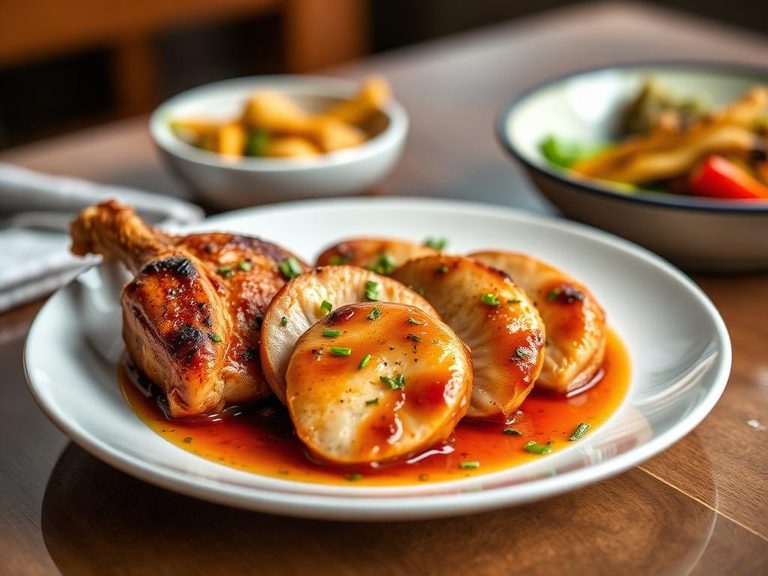
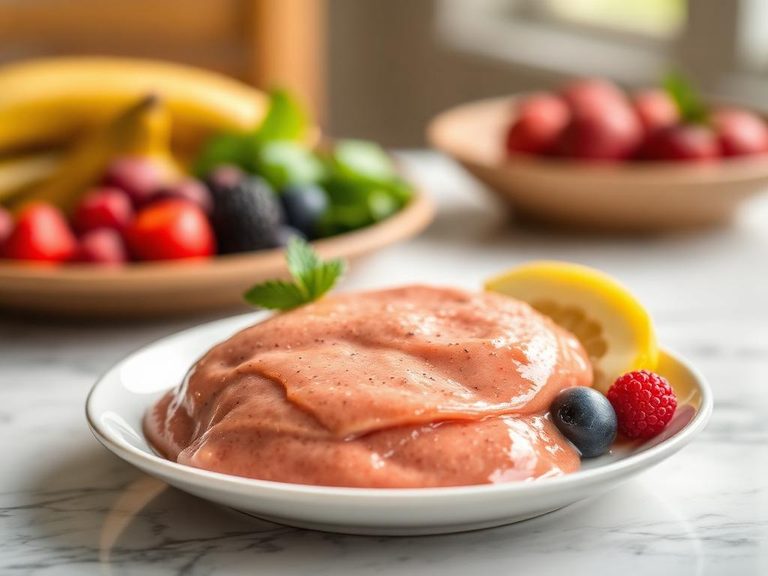
🍽️ Popular dishes
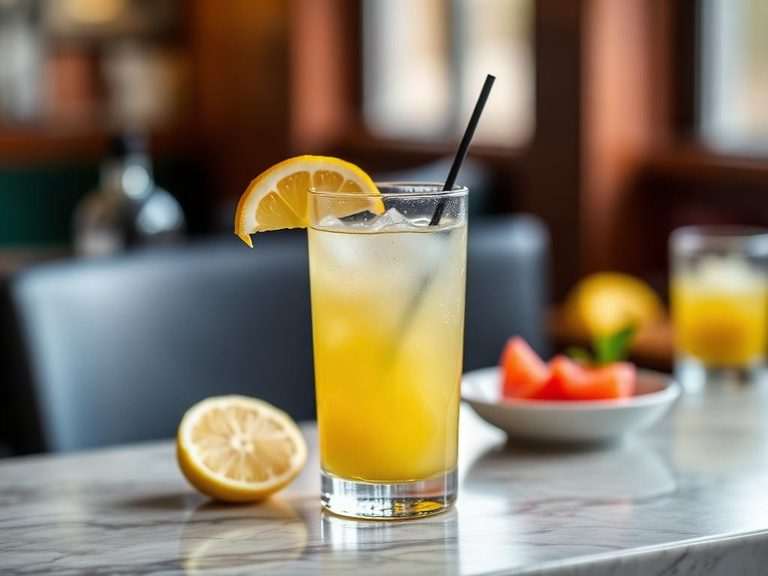
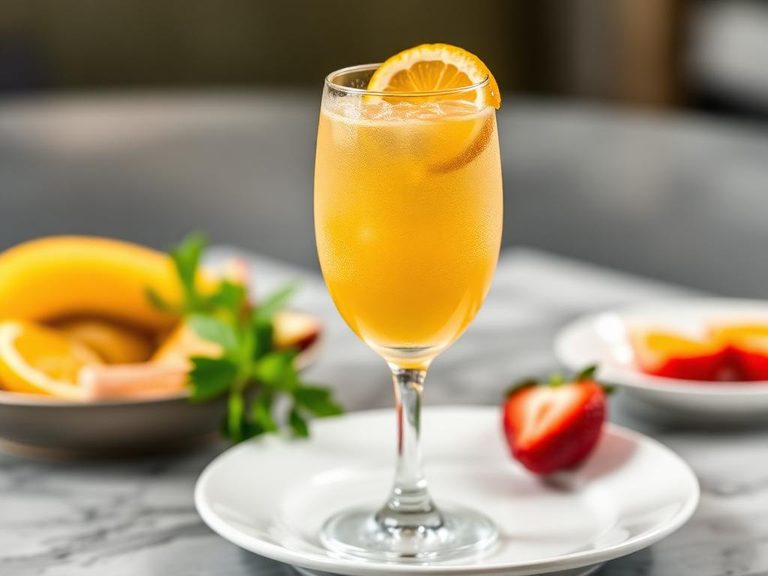
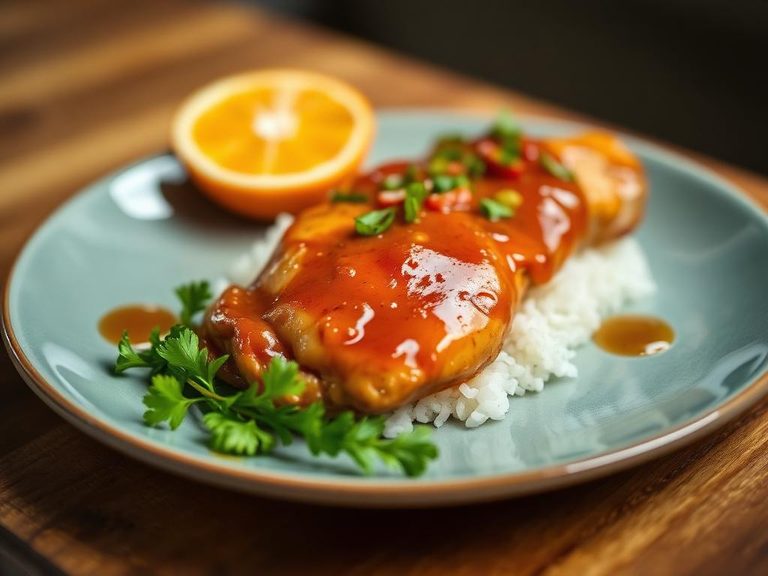
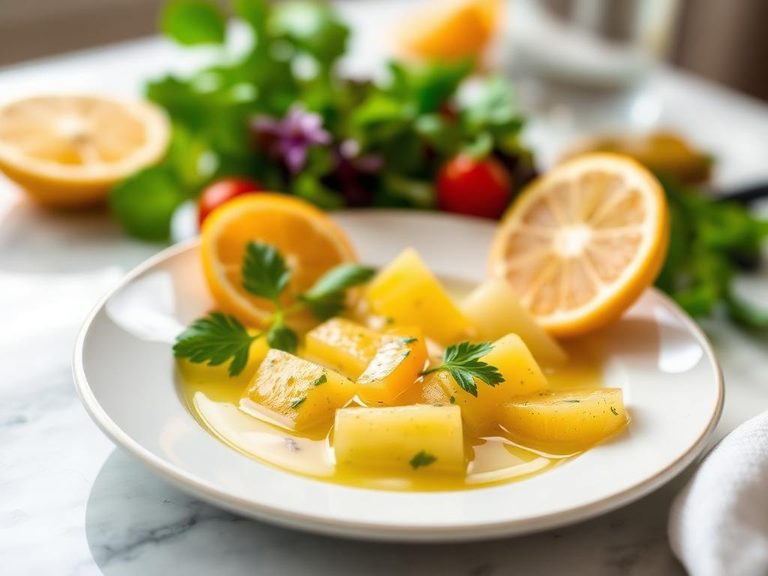
🌍 Where it's eaten
💡 Did you know?
The process of making 'light' orange juice often involves vacuum distillation to remove water and aroma compounds, which are later re-added to preserve flavor after concentration.
Full nutrition (USDA data · scales with serving)
| Water | 94.2 g |
| Energy | 21.0 kcal |
| Energy | 87.0 kj |
| Protein | 0.21 g |
| Total lipid (fat) | 0.00 g |
| Ash | 0.19 g |
| Carbohydrate, by difference | 5.4 g |
| Fiber, total dietary | 0.00 g |
| Total Sugars | 4.2 g |
| Calcium, Ca | 0.00 mg |
| Iron, Fe | 0.00 mg |
| Magnesium, Mg | 10.0 mg |
| Phosphorus, P | 4.0 mg |
| Potassium, K | 188 mg |
| Sodium, Na | 4.0 mg |
| Zinc, Zn | 0.02 mg |
| Copper, Cu | 0.02 mg |
| Selenium, Se | 0.00 ug |
| Vitamin C, total ascorbic acid | 30.0 mg |
| Thiamin | 0.06 mg |
| Riboflavin | 0.03 mg |
| Niacin | 0.33 mg |
| Vitamin B-6 | 0.05 mg |
| Folate, total | 10.0 ug |
| Folic acid | 0.00 ug |
| Folate, food | 10.0 ug |
| Folate, DFE | 10.0 ug |
| Choline, total | 0.00 mg |
| Vitamin B-12 | 0.00 ug |
| Vitamin B-12, added | 0.00 ug |
| Vitamin A, RAE | 10.0 ug |
| Retinol | 0.00 ug |
| Carotene, beta | 79.0 ug |
| Carotene, alpha | 2.0 ug |
| Cryptoxanthin, beta | 60.0 ug |
| Vitamin A, IU | 208 iu |
| Lycopene | 0.00 ug |
| Lutein + zeaxanthin | 47.0 ug |
| Vitamin E (alpha-tocopherol) | 1.3 mg |
| Vitamin E, added | 1.3 mg |
| Vitamin D (D2 + D3), International Units | 0.00 iu |
| Vitamin D (D2 + D3) | 0.00 ug |
| Vitamin K (phylloquinone) | 0.00 ug |
| Alcohol, ethyl | 0.00 g |
| Caffeine | 0.00 mg |
| Theobromine | 0.00 mg |
Fat & fatty acid profile (per 100g)
| Fatty acids, total saturated | 0.00 g |
| SFA 4:0 | 0.00 g |
| SFA 6:0 | 0.00 g |
| SFA 8:0 | 0.00 g |
| SFA 10:0 | 0.00 g |
| SFA 12:0 | 0.00 g |
| SFA 14:0 | 0.00 g |
| SFA 16:0 | 0.00 g |
| SFA 18:0 | 0.00 g |
| Fatty acids, total monounsaturated | 0.00 g |
| MUFA 16:1 | 0.00 g |
| MUFA 18:1 | 0.00 g |
| MUFA 20:1 | 0.00 g |
| MUFA 22:1 | 0.00 g |
| Fatty acids, total polyunsaturated | 0.00 g |
| PUFA 18:2 | 0.00 g |
| PUFA 18:3 | 0.00 g |
| PUFA 18:4 | 0.00 g |
| PUFA 20:4 | 0.00 g |
| PUFA 20:5 n-3 (EPA) | 0.00 g |
| PUFA 22:5 n-3 (DPA) | 0.00 g |
| PUFA 22:6 n-3 (DHA) | 0.00 g |
| Fatty acids, total trans | 0.00 g |
| Cholesterol | 0.00 mg |
Amino acid profile (per 100g)
Estimated from Beverages, carbonated, tonic water — USDA does not publish this profile for Beverages.
| Tryptophan | 0.00 g |
| Threonine | 0.00 g |
| Isoleucine | 0.00 g |
| Leucine | 0.00 g |
| Lysine | 0.00 g |
| Methionine | 0.00 g |
| Cystine | 0.00 g |
| Phenylalanine | 0.00 g |
| Tyrosine | 0.00 g |
| Valine | 0.00 g |
| Arginine | 0.00 g |
| Histidine | 0.00 g |
| Alanine | 0.00 g |
| Aspartic acid | 0.00 g |
| Glutamic acid | 0.00 g |
| Glycine | 0.00 g |
| Proline | 0.00 g |
| Serine | 0.00 g |
FAQ
Is 'light' orange juice just watered-down?
Not exactly. 'Light' typically refers to a lower calorie and sugar content, often achieved by diluting the juice with water after the concentration process, rather than just adding water to finished juice.
Does it have the same Vitamin C as regular orange juice?
Yes, manufacturers usually add back Vitamin C (ascorbic acid) to ensure the final product is a good source, so the nutritional content per serving is comparable.
Why is there no pulp?
The juice is filtered after extraction to remove the fibrous pulp, resulting in a smoother texture and clearer appearance preferred by some consumers.
Nutrient density (calculated · NRF9.3)
Nutrient Rich Foods index: beneficial nutrients (protein, fiber, vitamins, minerals) minus saturated fat, added sugar & sodium, per 100 kcal.
NRF9.3 index — Fulgoni, Keast & Drewnowski, 2009. Computed from USDA nutrients.
Weight-loss friendliness (composite index)
Energy density 0.21 kcal/g · 4% calories from protein · 0.0 g fiber · 4.2 g sugar per 100 g.
Composite of energy density (Rolls et al., 1999), protein & fiber satiety, minus sugar. A calculated heuristic — ranks satiety-per-calorie, not a clinical measure.
Dietary load (calculated from USDA values)
Potential renal acid load. Positive = acid-forming, negative = alkaline-forming.
Sodium-to-potassium ratio: 0.02 (lower is better — aim for ≤ 1)
Sodium:potassium per WHO potassium guidance. Computed from USDA nutrients.