

Beverages, Cocoa mix, low calorie, powder, with added calcium, phosphorus, aspartame, without added sodium or vitamin A
Whole food · Beverages

Photo: Wikipedia
This is a light, dissolvable powder designed to create a rich, comforting cocoa beverage with a smooth, non-gritty texture when mixed with water or milk. Its standout nutritional feature is a high protein content (25.1g per 100g) and significant calcium and phosphorus fortification, making it a functional, low-calorie treat. The taste is a classic, sweet cocoa flavor, achieved with aspartame, and it mixes easily into a warm, frothy drink.
Calorie split: 28% protein · 65% carbs · 8% fat
↓ Full nutrition💚 Why it's loved
People love it for delivering a satisfying, nostalgic hot cocoa experience with minimal calories and a significant protein boost. It's a versatile staple for a quick breakfast drink, a post-workout recovery shake when mixed with milk, or a guilt-free evening treat.
⚠️ Watch-outs & how to enjoy it better
The primary sweetener is aspartame, which some individuals may prefer to avoid or may be sensitive to. The high sugar content (55.58g per 100g powder) can still contribute to blood sugar spikes if consumed in large quantities. To mitigate this, mix a single serving with unsweetened almond milk or water, and pair it with a source of healthy fat or additional protein (like a handful of nuts) to slow sugar absorption.
Key benefits
- High in protein (25.1g per 100g powder)
- Fortified with calcium and phosphorus for bone health
- Low in calories (359 kcal per 100g powder)
- Contains dietary fiber (1.1g per 100g)
- Provides a quick, warm beverage option
🍽️ Popular dishes

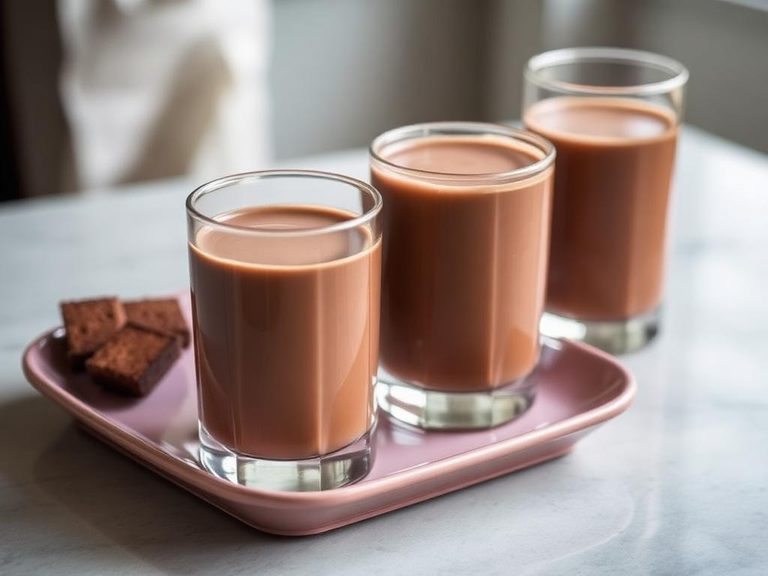

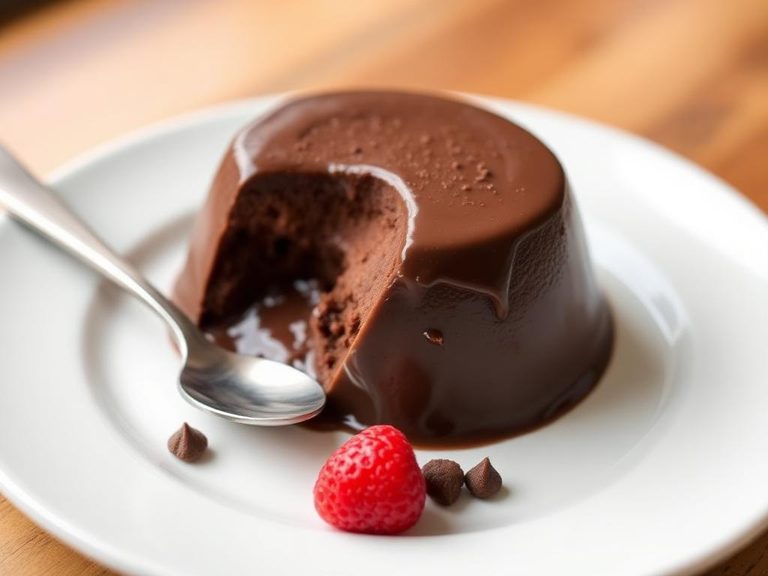
🌍 Where it's eaten
💡 Did you know?
The specific nutrient profile—low sodium, added calcium and phosphorus—suggests this mix is often formulated for clinical or senior nutrition, providing essential minerals in an easy-to-consume, comforting format.
Full nutrition (USDA data · scales with serving)
| Water | 3.4 g |
| Energy | 359 kcal |
| Energy | 1504 kj |
| Protein | 25.1 g |
| Total lipid (fat) | 3.0 g |
| Ash | 10.5 g |
| Carbohydrate, by difference | 58.0 g |
| Fiber, total dietary | 1.1 g |
| Total Sugars | 55.6 g |
| Calcium, Ca | 1440 mg |
| Iron, Fe | 5.0 mg |
| Magnesium, Mg | 208 mg |
| Phosphorus, P | 1630 mg |
| Potassium, K | 2702 mg |
| Sodium, Na | 653 mg |
| Zinc, Zn | 3.4 mg |
| Copper, Cu | 0.73 mg |
| Manganese, Mn | 0.67 mg |
| Selenium, Se | 24.0 ug |
| Vitamin C, total ascorbic acid | 0.00 mg |
| Thiamin | 0.27 mg |
| Riboflavin | 1.4 mg |
| Niacin | 1.1 mg |
| Pantothenic acid | 3.8 mg |
| Vitamin B-6 | 0.32 mg |
| Folate, total | 27.0 ug |
| Folic acid | 0.00 ug |
| Folate, food | 27.0 ug |
| Folate, DFE | 27.0 ug |
| Choline, total | 176 mg |
| Vitamin B-12 | 2.8 ug |
| Vitamin B-12, added | 0.00 ug |
| Vitamin A, RAE | 479 ug |
| Retinol | 479 ug |
| Carotene, beta | 1.0 ug |
| Carotene, alpha | 0.00 ug |
| Cryptoxanthin, beta | 0.00 ug |
| Vitamin A, IU | 1600 iu |
| Lycopene | 0.00 ug |
| Lutein + zeaxanthin | 0.00 ug |
| Vitamin E (alpha-tocopherol) | 0.21 mg |
| Vitamin E, added | 0.00 mg |
| Vitamin D (D2 + D3), International Units | 0.00 iu |
| Vitamin D (D2 + D3) | 0.00 ug |
| Vitamin K (phylloquinone) | 4.2 ug |
| Alcohol, ethyl | 0.00 g |
| Caffeine | 34.0 mg |
| Theobromine | 608 mg |
Fat & fatty acid profile (per 100g)
| Fatty acids, total saturated | 1.8 g |
| SFA 4:0 | 0.07 g |
| SFA 6:0 | 0.01 g |
| SFA 8:0 | 0.01 g |
| SFA 10:0 | 0.03 g |
| SFA 12:0 | 0.02 g |
| SFA 14:0 | 0.16 g |
| SFA 16:0 | 1.0 g |
| SFA 18:0 | 0.38 g |
| Fatty acids, total monounsaturated | 0.98 g |
| MUFA 16:1 | 0.05 g |
| MUFA 18:1 | 0.91 g |
| MUFA 20:1 | 0.00 g |
| MUFA 22:1 | 0.00 g |
| Fatty acids, total polyunsaturated | 0.09 g |
| PUFA 18:2 | 0.08 g |
| PUFA 18:3 | 0.01 g |
| PUFA 18:4 | 0.00 g |
| PUFA 20:4 | 0.00 g |
| PUFA 20:5 n-3 (EPA) | 0.00 g |
| PUFA 22:5 n-3 (DPA) | 0.00 g |
| PUFA 22:6 n-3 (DHA) | 0.00 g |
| Fatty acids, total trans | 0.00 g |
| Cholesterol | 11.0 mg |
Amino acid profile (per 100g)
Estimated from Beverages, carbonated, tonic water — USDA does not publish this profile for Beverages.
| Tryptophan | 0.00 g |
| Threonine | 0.00 g |
| Isoleucine | 0.00 g |
| Leucine | 0.00 g |
| Lysine | 0.00 g |
| Methionine | 0.00 g |
| Cystine | 0.00 g |
| Phenylalanine | 0.00 g |
| Tyrosine | 0.00 g |
| Valine | 0.00 g |
| Arginine | 0.00 g |
| Histidine | 0.00 g |
| Alanine | 0.00 g |
| Aspartic acid | 0.00 g |
| Glutamic acid | 0.00 g |
| Glycine | 0.00 g |
| Proline | 0.00 g |
| Serine | 0.00 g |
FAQ
Is this the same as regular hot chocolate mix?
Not exactly. This is a specialized, low-calorie, high-protein powder fortified with calcium and phosphorus. Regular mixes are typically higher in sugar and fat, and lack the significant protein and mineral fortification.
Can I use this in baking?
Yes, it can be used to add a chocolate flavor and protein boost to recipes like muffins, pancakes, or energy balls. Be mindful that it will add sweetness and may alter the liquid ratio in your recipe.
Why does it have aspartame instead of sugar?
Aspartame is a high-intensity, zero-calorie sweetener used to keep the overall calorie and sugar content low while maintaining a sweet taste, which is a key goal for this type of nutritional product.
Nutrient density (calculated · NRF9.3)
Nutrient Rich Foods index: beneficial nutrients (protein, fiber, vitamins, minerals) minus saturated fat, added sugar & sodium, per 100 kcal.
NRF9.3 index — Fulgoni, Keast & Drewnowski, 2009. Computed from USDA nutrients.
Weight-loss friendliness (composite index)
Energy density 3.59 kcal/g · 28% calories from protein · 1.1 g fiber · 55.6 g sugar per 100 g.
Composite of energy density (Rolls et al., 1999), protein & fiber satiety, minus sugar. A calculated heuristic — ranks satiety-per-calorie, not a clinical measure.
Dietary load (calculated from USDA values)
Potential renal acid load. Positive = acid-forming, negative = alkaline-forming.
Sodium-to-potassium ratio: 0.24 (lower is better — aim for ≤ 1)
Sodium:potassium per WHO potassium guidance. Computed from USDA nutrients.