

Beef, NFS
Common food
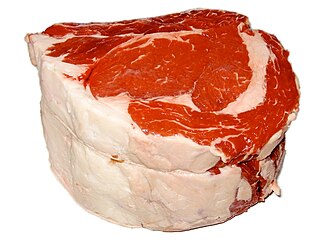
Photo: Wikipedia
Beef, NFS (Not Further Specified) is a versatile, nutrient-dense protein source characterized by its rich, savory umami flavor and a texture that ranges from tender to hearty depending on the cut and preparation. It is a powerhouse of high-quality protein and essential fats, providing a substantial 231 kcal and over 27g of protein per 100g, making it a cornerstone for muscle maintenance and satiety. Its deep, meaty essence forms the backbone of countless global cuisines, from simple grilled steaks to complex braised stews.
Calorie split: 48% protein · 0% carbs · 52% fat
↓ Full nutrition💚 Why it's loved
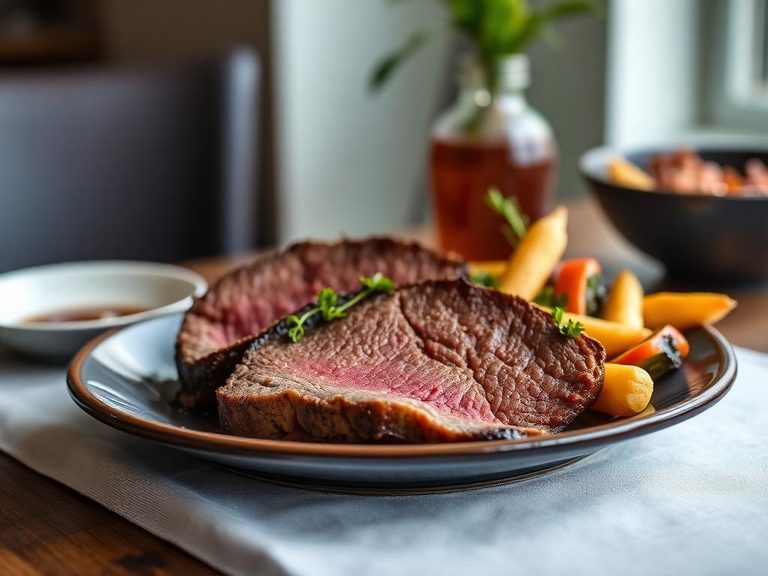
People love beef for its deep, savory umami flavor and satisfying texture that anchors a meal. Its incredible versatility allows it to be the star in everything from a simple, quick-seared steak to a slow-cooked, comforting pot roast, making it a cultural staple across the globe.
⚠️ Watch-outs & how to enjoy it better
Beef, particularly fatty cuts, can be high in saturated fat, which some individuals may need to limit for heart health. To counteract this, choose leaner cuts (like sirloin or eye of round), trim visible fat, and balance your meal with fiber-rich vegetables and whole grains. Additionally, those with specific health conditions should be mindful of portion sizes.
Key benefits
- Excellent source of complete, high-quality protein for muscle repair and growth.
- Rich in essential nutrients like iron (heme iron, highly bioavailable), zinc, and B vitamins (B12, B6, niacin).
- Provides a significant source of energy through healthy fats and protein.
- Highly satiating, which can aid in appetite control and weight management.
- Versatile base for a wide variety of cooking methods and flavor profiles.
🍽️ Popular dishes

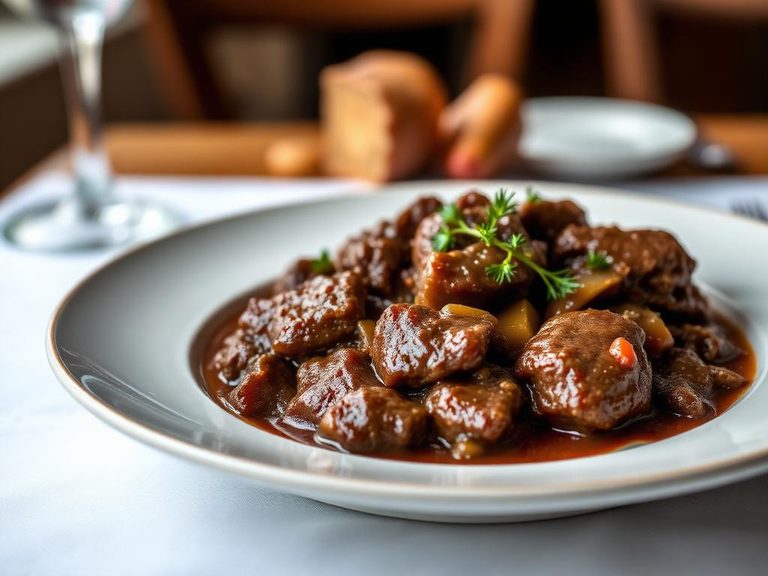
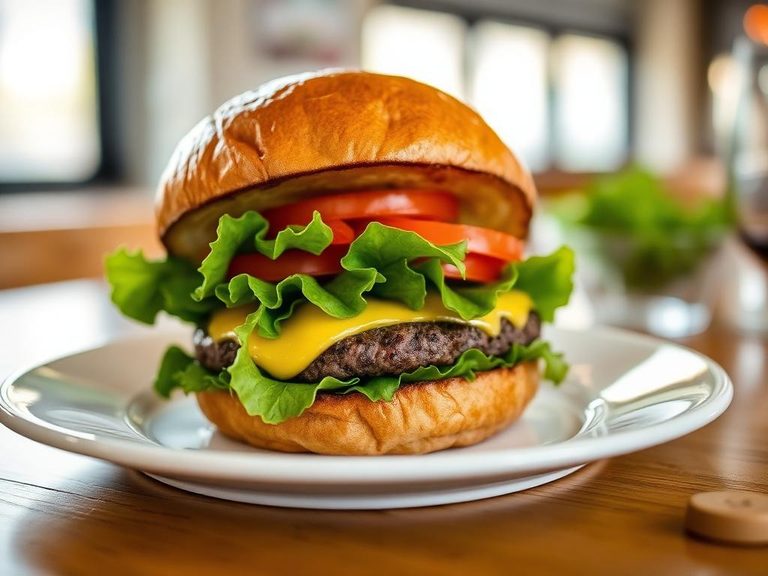
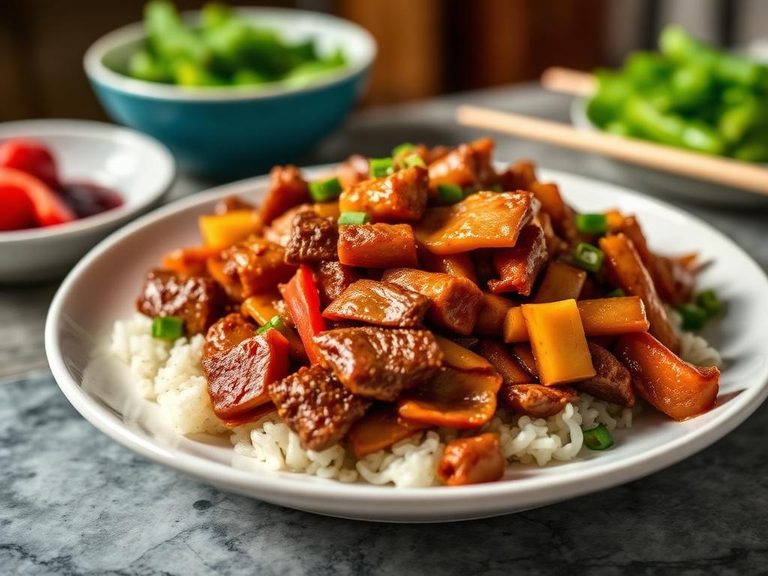
🌍 Where it's eaten
💡 Did you know?
The specific term 'Beef, NFS' in food databases is a catch-all for beef preparations not further specified, meaning it could represent anything from a plain cooked roast to a seasoned patty, highlighting the incredible diversity of this single ingredient.
Full nutrition (USDA data · scales with serving)
| Water | 58.5 g |
| Energy | 231 kcal |
| Protein | 27.1 g |
| Total lipid (fat) | 13.0 g |
| Carbohydrate, by difference | 0.00 g |
| Fiber, total dietary | 0.00 g |
| Total Sugars | 0.00 g |
| Calcium, Ca | 18.0 mg |
| Iron, Fe | 2.7 mg |
| Magnesium, Mg | 20.0 mg |
| Phosphorus, P | 217 mg |
| Potassium, K | 319 mg |
| Sodium, Na | 372 mg |
| Zinc, Zn | 5.8 mg |
| Copper, Cu | 0.07 mg |
| Selenium, Se | 27.7 ug |
| Vitamin C, total ascorbic acid | 0.00 mg |
| Thiamin | 0.07 mg |
| Riboflavin | 0.24 mg |
| Niacin | 6.2 mg |
| Vitamin B-6 | 0.57 mg |
| Folate, total | 7.0 ug |
| Folic acid | 0.00 ug |
| Folate, food | 7.0 ug |
| Folate, DFE | 7.0 ug |
| Choline, total | 79.3 mg |
| Vitamin B-12 | 2.3 ug |
| Vitamin B-12, added | 0.00 ug |
| Vitamin A, RAE | 4.0 ug |
| Retinol | 4.0 ug |
| Carotene, beta | 0.00 ug |
| Carotene, alpha | 0.00 ug |
| Cryptoxanthin, beta | 0.00 ug |
| Lycopene | 0.00 ug |
| Lutein + zeaxanthin | 0.00 ug |
| Vitamin E (alpha-tocopherol) | 0.21 mg |
| Vitamin E, added | 0.00 mg |
| Vitamin D (D2 + D3) | 0.10 ug |
| Vitamin K (phylloquinone) | 1.6 ug |
| Alcohol, ethyl | 0.00 g |
| Caffeine | 0.00 mg |
| Theobromine | 0.00 mg |
Fat & fatty acid profile (per 100g)
| Fatty acids, total saturated | 5.2 g |
| SFA 4:0 | 0.00 g |
| SFA 6:0 | 0.00 g |
| SFA 8:0 | 0.00 g |
| SFA 10:0 | 0.01 g |
| SFA 12:0 | 0.01 g |
| SFA 14:0 | 0.36 g |
| SFA 16:0 | 2.9 g |
| SFA 18:0 | 1.7 g |
| Fatty acids, total monounsaturated | 5.9 g |
| MUFA 16:1 | 0.44 g |
| MUFA 18:1 | 5.2 g |
| MUFA 20:1 | 0.03 g |
| MUFA 22:1 | 0.00 g |
| Fatty acids, total polyunsaturated | 0.56 g |
| PUFA 18:2 | 0.45 g |
| PUFA 18:3 | 0.04 g |
| PUFA 18:4 | 0.00 g |
| PUFA 20:4 | 0.05 g |
| PUFA 20:5 n-3 (EPA) | 0.00 g |
| PUFA 22:5 n-3 (DPA) | 0.01 g |
| PUFA 22:6 n-3 (DHA) | 0.00 g |
| Cholesterol | 85.0 mg |
Amino acid profile (per 100g)
Estimated from Beef, variety meats and by-products, mechanically separated beef, raw — USDA does not publish this profile for Beef.
| Tryptophan | 0.17 g |
| Threonine | 0.47 g |
| Isoleucine | 0.58 g |
| Leucine | 1.2 g |
| Lysine | 1.2 g |
| Methionine | 0.43 g |
| Cystine | 0.23 g |
| Phenylalanine | 0.64 g |
| Tyrosine | 0.38 g |
| Valine | 0.92 g |
| Arginine | 1.2 g |
| Histidine | 0.44 g |
| Alanine | 1.0 g |
| Aspartic acid | 1.3 g |
| Glutamic acid | 2.1 g |
| Glycine | 1.2 g |
| Proline | 0.92 g |
| Serine | 0.57 g |
FAQ
What does 'NFS' stand for in 'Beef, NFS'?
NFS stands for 'Not Further Specified.' It's a classification used in food databases to represent a generic or unspecified preparation of beef, without details on cut, cooking method, or added ingredients.
Is beef a good source of iron?
Yes, beef is an excellent source of heme iron, the type of iron most easily absorbed by the body. This makes it particularly beneficial for preventing iron-deficiency anemia.
How can I make a beef dish healthier?
You can make beef dishes healthier by choosing lean cuts, trimming excess fat, and using cooking methods like grilling, broiling, or braising instead of frying. Pairing it with plenty of vegetables and whole grains also creates a more balanced meal.
Nutrient density (calculated · NRF9.3)
Nutrient Rich Foods index: beneficial nutrients (protein, fiber, vitamins, minerals) minus saturated fat, added sugar & sodium, per 100 kcal.
NRF9.3 index — Fulgoni, Keast & Drewnowski, 2009. Computed from USDA nutrients.
Weight-loss friendliness (composite index)
Energy density 2.31 kcal/g · 47% calories from protein · 0.0 g fiber · 0.0 g sugar per 100 g.
Composite of energy density (Rolls et al., 1999), protein & fiber satiety, minus sugar. A calculated heuristic — ranks satiety-per-calorie, not a clinical measure.
Dietary load (calculated from USDA values)
Potential renal acid load. Positive = acid-forming, negative = alkaline-forming.
Sodium-to-potassium ratio: 1.17 (lower is better — aim for ≤ 1)
Sodium:potassium per WHO potassium guidance. Computed from USDA nutrients.