

Bear
Common food

Photo: Wikipedia
Bear meat is a lean, dark red game meat with a dense, beef-like texture and a rich, slightly sweet, and sometimes fatty flavor profile. It is exceptionally high in protein and completely free of carbohydrates, making it a potent source of animal-based nutrition. Due to its wild origin, it must be cooked thoroughly to an internal temperature of at least 160°F (71°C) to ensure safety.
Calorie split: 52% protein · 0% carbs · 48% fat
↓ Full nutrition💚 Why it's loved
People love bear meat for its deep, complex flavor that's often compared to a richer, more robust version of beef or venison. It's prized in traditional hunting cultures and by food adventurers for its unique taste and the satisfaction of a sustainable, wild-sourced protein.
⚠️ Watch-outs & how to enjoy it better
The meat can be tough and gamey if not prepared correctly, and its high fat content (especially in some cuts) can be overwhelming. **Crucially, bear meat must be cooked thoroughly** to kill potential parasites like Trichinella; undercooking is a serious health risk. To counteract toughness, slow-cooking methods like braising or stewing are recommended, and marinating can help tenderize and mellow the gamey flavor.
Key benefits
- Extremely high in protein (32g per 100g)
- Zero carbohydrates, sugars, or fiber
- Rich in essential minerals like iron and zinc
- Contains healthy fats, including omega-3s
🍽️ Popular dishes
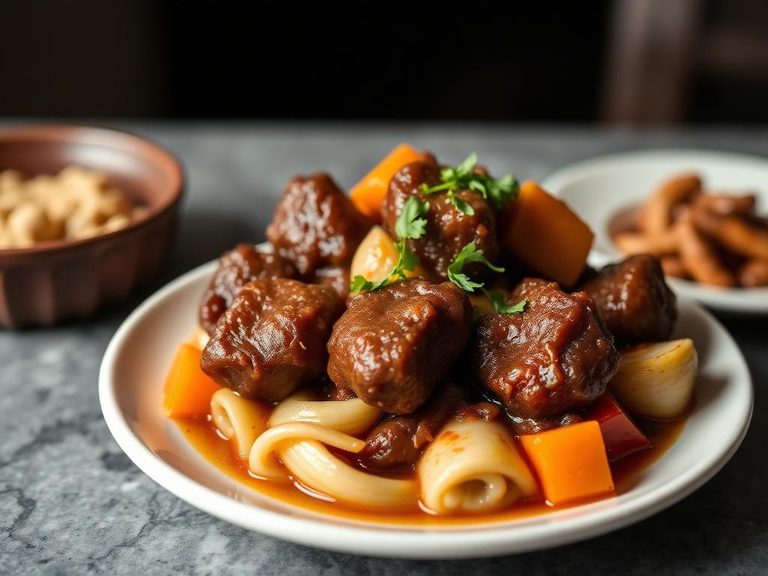
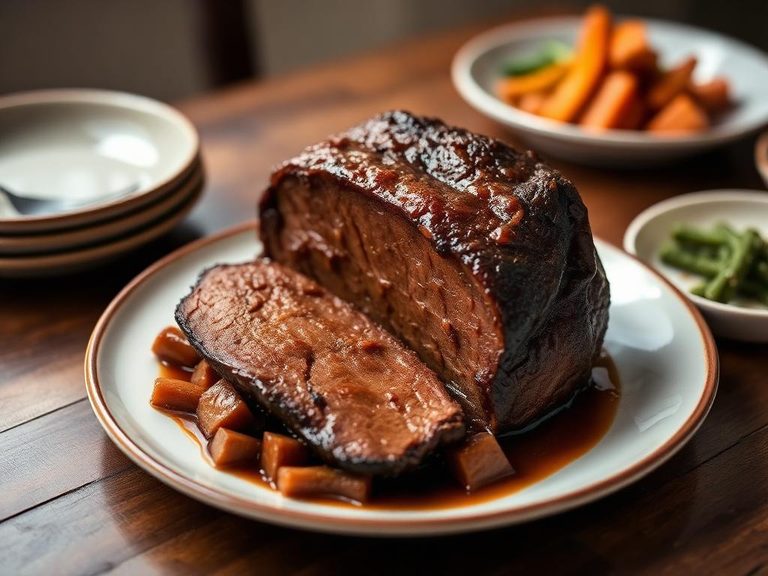
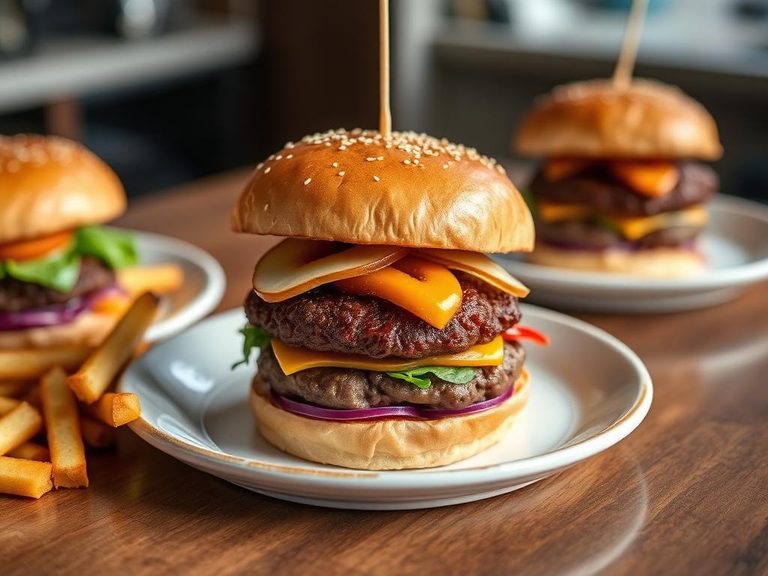
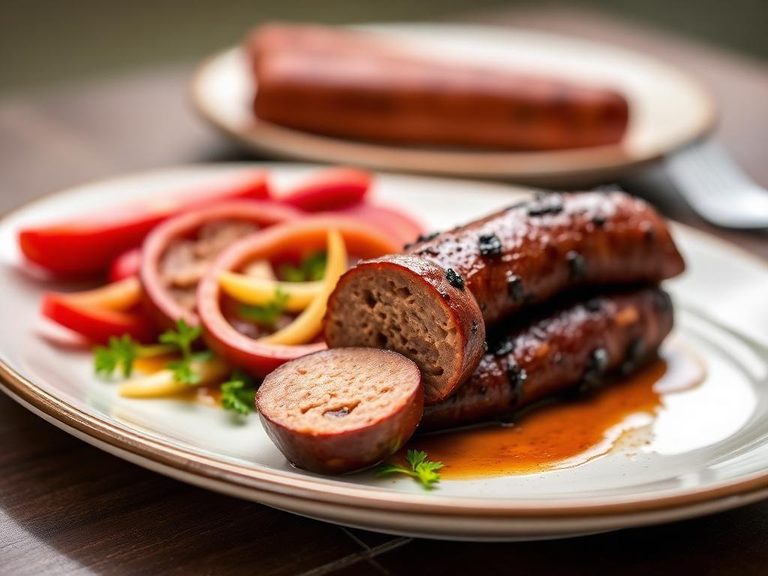
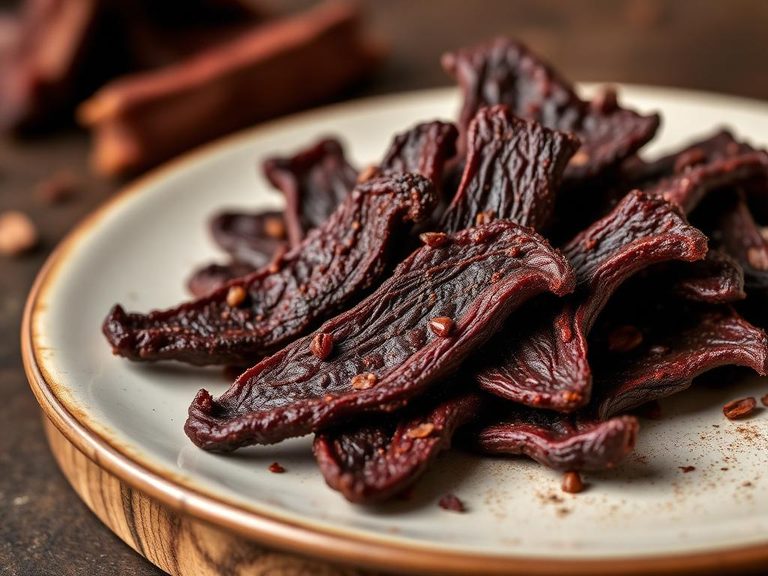
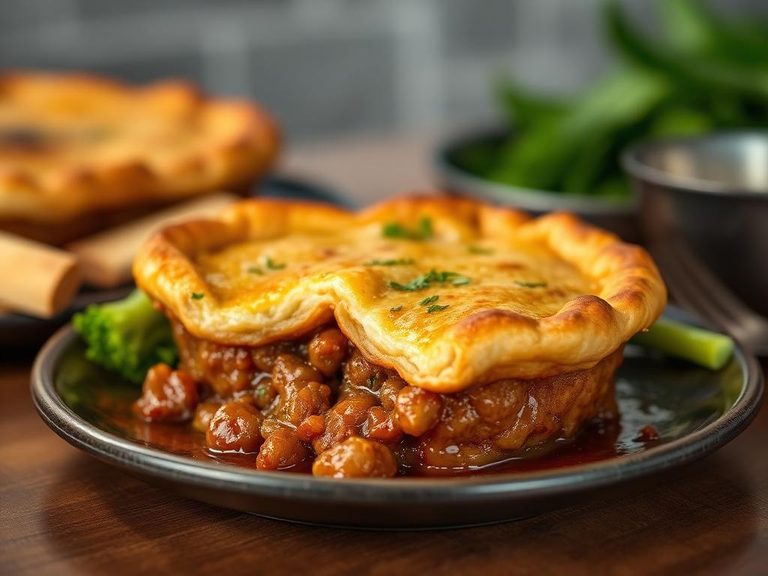
🌍 Where it's eaten
💡 Did you know?
In some regions, bear fat was historically rendered and used as a cooking oil or even a substitute for butter, prized for its high caloric density and long shelf life.
Full nutrition (USDA data · scales with serving)
| Water | 53.1 g |
| Energy | 257 kcal |
| Protein | 32.2 g |
| Total lipid (fat) | 13.3 g |
| Carbohydrate, by difference | 0.00 g |
| Fiber, total dietary | 0.00 g |
| Total Sugars | 0.00 g |
| Calcium, Ca | 5.0 mg |
| Iron, Fe | 10.6 mg |
| Magnesium, Mg | 23.0 mg |
| Phosphorus, P | 169 mg |
| Potassium, K | 261 mg |
| Sodium, Na | 378 mg |
| Zinc, Zn | 10.2 mg |
| Copper, Cu | 0.15 mg |
| Selenium, Se | 11.1 ug |
| Vitamin C, total ascorbic acid | 0.00 mg |
| Thiamin | 0.10 mg |
| Riboflavin | 0.81 mg |
| Niacin | 3.3 mg |
| Vitamin B-6 | 0.29 mg |
| Folate, total | 6.0 ug |
| Folic acid | 0.00 ug |
| Folate, food | 6.0 ug |
| Folate, DFE | 6.0 ug |
| Choline, total | 121 mg |
| Vitamin B-12 | 2.5 ug |
| Vitamin B-12, added | 0.00 ug |
| Vitamin A, RAE | 0.00 ug |
| Retinol | 0.00 ug |
| Carotene, beta | 0.00 ug |
| Carotene, alpha | 0.00 ug |
| Cryptoxanthin, beta | 0.00 ug |
| Lycopene | 0.00 ug |
| Lutein + zeaxanthin | 0.00 ug |
| Vitamin E (alpha-tocopherol) | 0.49 mg |
| Vitamin E, added | 0.00 mg |
| Vitamin D (D2 + D3) | 0.00 ug |
| Vitamin K (phylloquinone) | 1.8 ug |
| Alcohol, ethyl | 0.00 g |
| Caffeine | 0.00 mg |
| Theobromine | 0.00 mg |
Fat & fatty acid profile (per 100g)
| Fatty acids, total saturated | 3.5 g |
| SFA 4:0 | 0.00 g |
| SFA 6:0 | 0.00 g |
| SFA 8:0 | 0.00 g |
| SFA 10:0 | 0.00 g |
| SFA 12:0 | 0.00 g |
| SFA 14:0 | 0.19 g |
| SFA 16:0 | 2.1 g |
| SFA 18:0 | 0.76 g |
| Fatty acids, total monounsaturated | 5.6 g |
| MUFA 16:1 | 0.72 g |
| MUFA 18:1 | 4.1 g |
| MUFA 20:1 | 0.06 g |
| MUFA 22:1 | 0.00 g |
| Fatty acids, total polyunsaturated | 2.4 g |
| PUFA 18:2 | 1.6 g |
| PUFA 18:3 | 0.05 g |
| PUFA 18:4 | 0.00 g |
| PUFA 20:4 | 0.32 g |
| PUFA 20:5 n-3 (EPA) | 0.00 g |
| PUFA 22:5 n-3 (DPA) | 0.03 g |
| PUFA 22:6 n-3 (DHA) | 0.04 g |
| Cholesterol | 97.0 mg |
Amino acid profile (per 100g)
Estimated from Seal, bearded (Oogruk), meat, partially dried (Alaska Native) — USDA does not publish this profile for Bear.
| Tryptophan | 0.60 g |
| Threonine | 2.4 g |
| Isoleucine | 2.4 g |
| Leucine | 4.8 g |
| Lysine | 5.1 g |
| Methionine | 1.3 g |
| Cystine | 0.34 g |
| Phenylalanine | 2.5 g |
| Tyrosine | 1.6 g |
| Valine | 2.4 g |
| Arginine | 3.5 g |
| Histidine | 2.2 g |
| Alanine | 3.6 g |
| Aspartic acid | 5.2 g |
| Glutamic acid | 8.3 g |
| Glycine | 3.3 g |
| Proline | 2.9 g |
| Serine | 2.3 g |
FAQ
Is bear meat safe to eat?
Yes, but it must be cooked thoroughly to an internal temperature of at least 160°F (71°C) to kill parasites like Trichinella. Always source from reputable, regulated hunters or suppliers.
What does bear meat taste like?
It has a rich, dark flavor similar to beef or venison, but often with a slightly sweeter, fattier, and more gamey taste. The texture is dense and lean.
How do I cook bear meat to make it tender?
Slow-cooking methods like braising, stewing, or slow-roasting are best to break down the dense muscle fibers. Marinating in acidic or enzymatic mixtures (like with pineapple or vinegar) can also help tenderize it.
Nutrient density (calculated · NRF9.3)
Nutrient Rich Foods index: beneficial nutrients (protein, fiber, vitamins, minerals) minus saturated fat, added sugar & sodium, per 100 kcal.
NRF9.3 index — Fulgoni, Keast & Drewnowski, 2009. Computed from USDA nutrients.
Weight-loss friendliness (composite index)
Energy density 2.57 kcal/g · 50% calories from protein · 0.0 g fiber · 0.0 g sugar per 100 g.
Composite of energy density (Rolls et al., 1999), protein & fiber satiety, minus sugar. A calculated heuristic — ranks satiety-per-calorie, not a clinical measure.
Dietary load (calculated from USDA values)
Potential renal acid load. Positive = acid-forming, negative = alkaline-forming.
Sodium-to-potassium ratio: 1.45 (lower is better — aim for ≤ 1)
Sodium:potassium per WHO potassium guidance. Computed from USDA nutrients.