

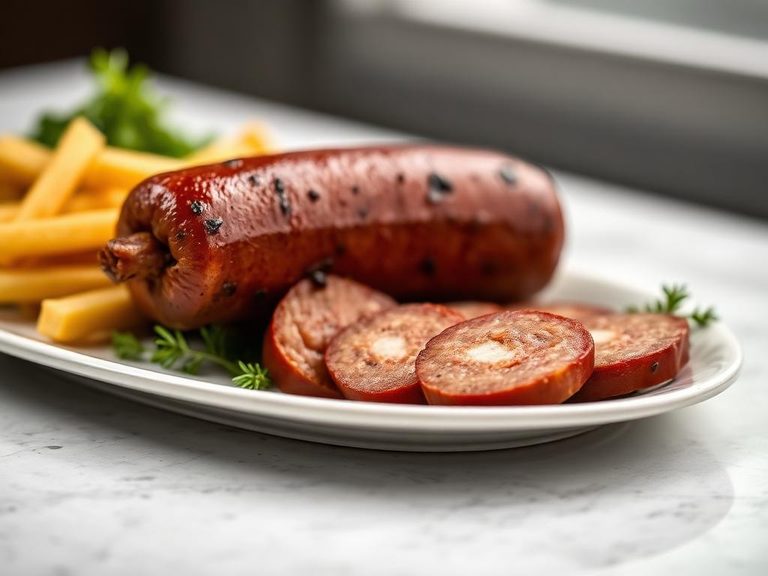
Braised Bear Roast
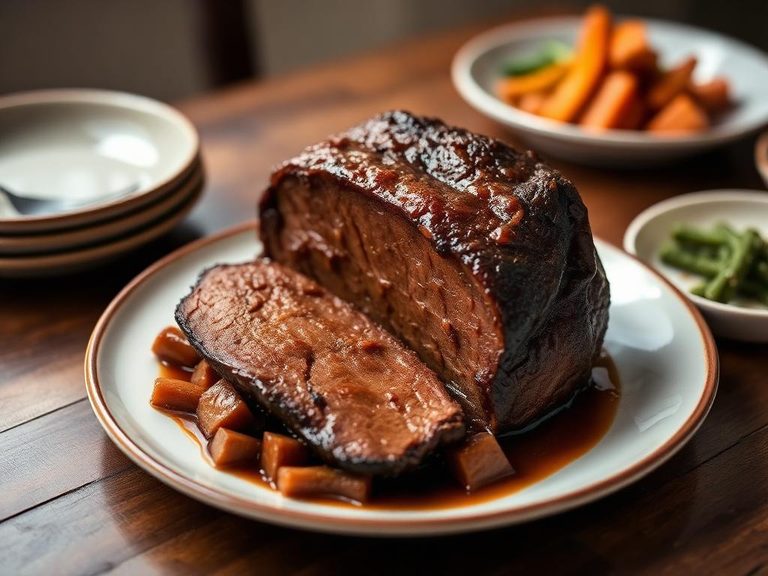
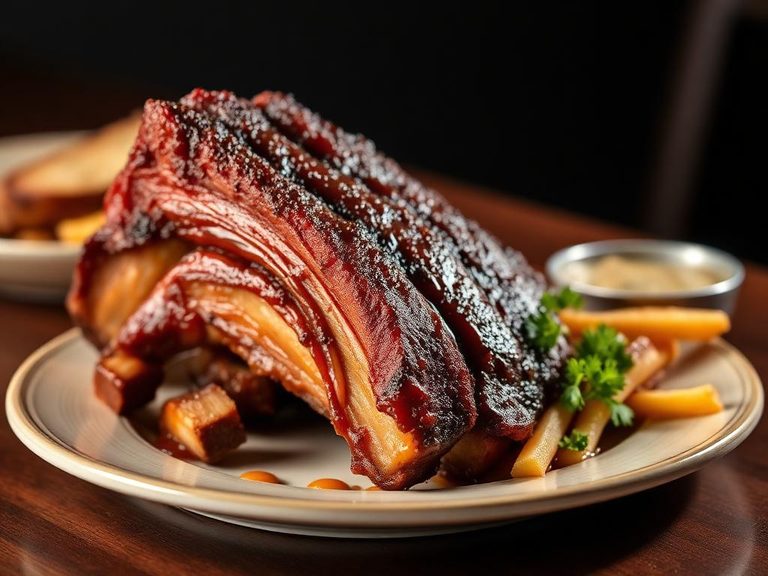
Braised Bear Roast is a traditional dish in some northern Chinese and Siberian cuisines, where bear meat is slow-cooked with aromatics like ginger, soy sauce, and star anise until tender. The meat is typically dark, rich, and gamey, requiring long braising to break down its tough fibers. It is often prepared for special occasions or as a seasonal delicacy in regions where bear hunting is part of local heritage.
🍽️ Nutrition at a glance
Bear meat is very high in protein and relatively low in fat compared to many other game meats, making it a nutrient-dense option. It provides significant amounts of iron, zinc, and B vitamins, especially B12, which supports energy and nerve health. A typical serving contains roughly 200-250 calories, depending on the cut and preparation.
Nutrition breakdown
| Calories | 230 kcal |
| Protein | 32 g |
| Carbs | 2 g |
| Fat | 10 g |
| Fiber | 0 g |
| Sugar | 0 g |
| Sodium | 480 mg |
| Iron | 4.5 mg |
| Zinc | 6.2 mg |
| Vitamin B12 | 8.1 µg |
| Niacin (B3) | 9.3 mg |
| Phosphorus | 280 mg |
| Selenium | 24 µg |
| Potassium | 310 mg |
| Vitamin B6 | 0.6 mg |
Per 1 serving (150 g) · estimated, varies by recipe
💡 What's interesting
Culturally, this dish reflects traditional foraging and hunting practices in cold climates, where bear meat was valued for its sustenance and warmth. Nutritionally, bear meat is unique for its high iron content, which can exceed that of beef, and its lean profile when properly trimmed.
🍽️ Related dishes
AI estimate may be inaccurate · Terms