

Roasted Bear Loin
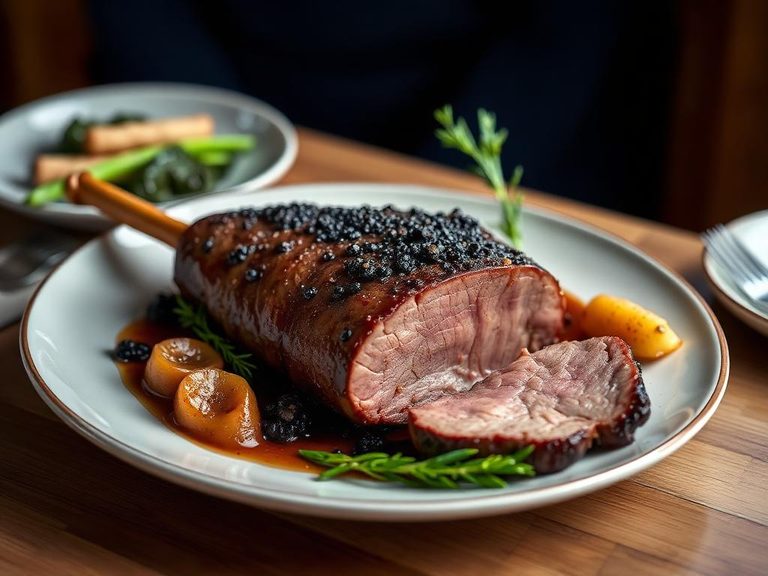
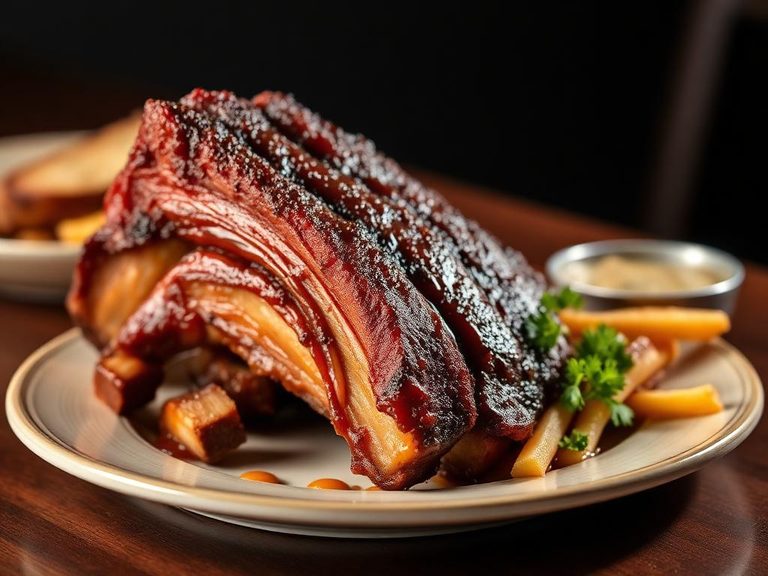
Roasted Bear Loin is a dish featuring the lean, tender loin cut of bear meat, typically seasoned with herbs like rosemary, thyme, and juniper, and slow-roasted to develop a rich, gamey flavor. It is a traditional dish in regions with bear hunting cultures, such as parts of North America, Scandinavia, and Russia, often prepared for special occasions or subsistence meals.
🍽️ Nutrition at a glance
This dish is extremely high in protein and low in carbohydrates, providing a dense source of energy and essential amino acids. A typical serving offers significant amounts of iron, zinc, and B vitamins, with a calorie count ranging from 200-300 kcal per 100 grams due to its lean meat composition.
Nutrition breakdown
| Calories | 250 kcal |
| Protein | 30 g |
| Carbs | 0 g |
| Fat | 14 g |
| Fiber | 0 g |
| Sugar | 0 g |
| Sodium | 70 mg |
| Iron | 3.5 mg |
| Zinc | 5.2 mg |
| Niacin (B3) | 8.0 mg |
| Vitamin B6 | 0.6 mg |
| Phosphorus | 250 mg |
| Selenium | 22 mcg |
| Potassium | 350 mg |
| Magnesium | 28 mg |
Per 100 grams (cooked, roasted loin) · estimated, varies by recipe
💡 What's interesting
Bear meat is culturally significant in indigenous and rural communities as a symbol of survival and seasonal hunting traditions, while nutritionally it stands out for its exceptionally high protein-to-fat ratio compared to other red meats. Its preparation often involves careful cooking to ensure safety, as bear meat can harbor parasites if not properly handled.
🍽️ Related dishes
AI estimate may be inaccurate · Terms