Smoked Bear Ribs
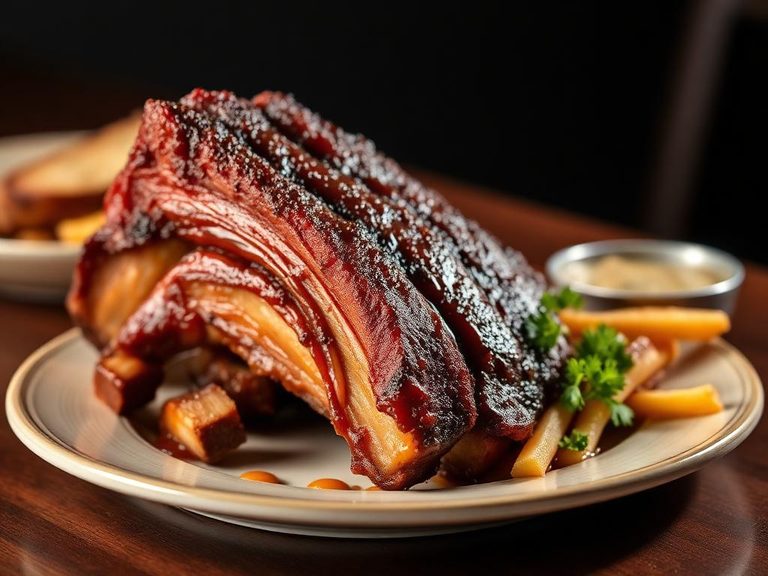
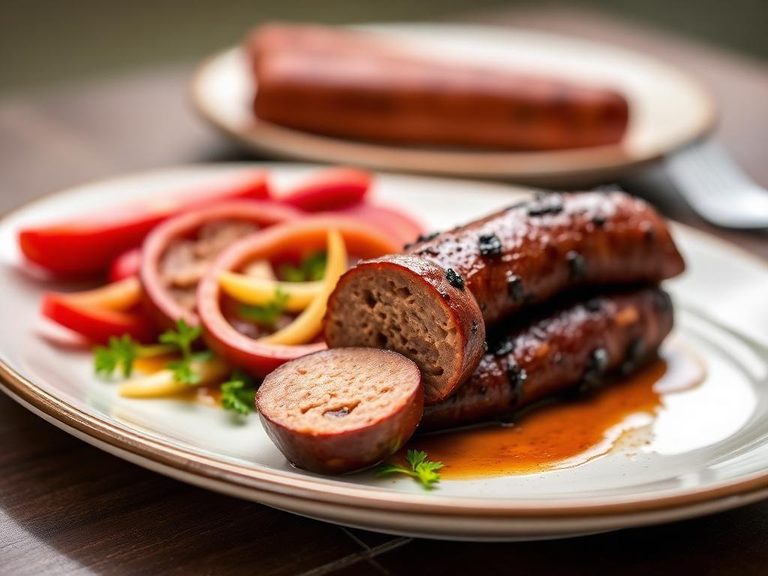
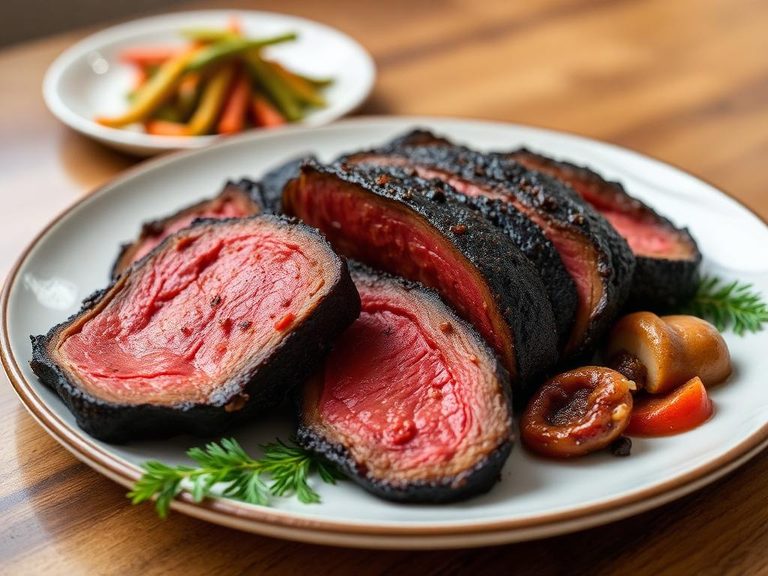
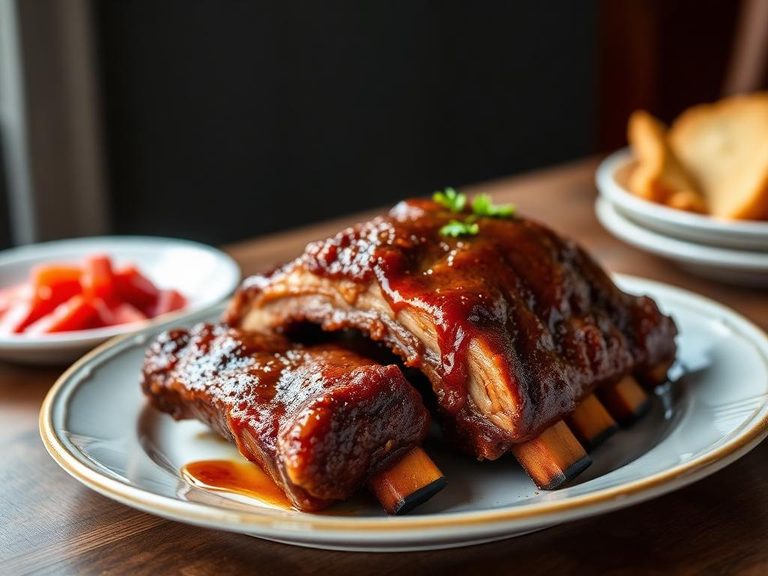
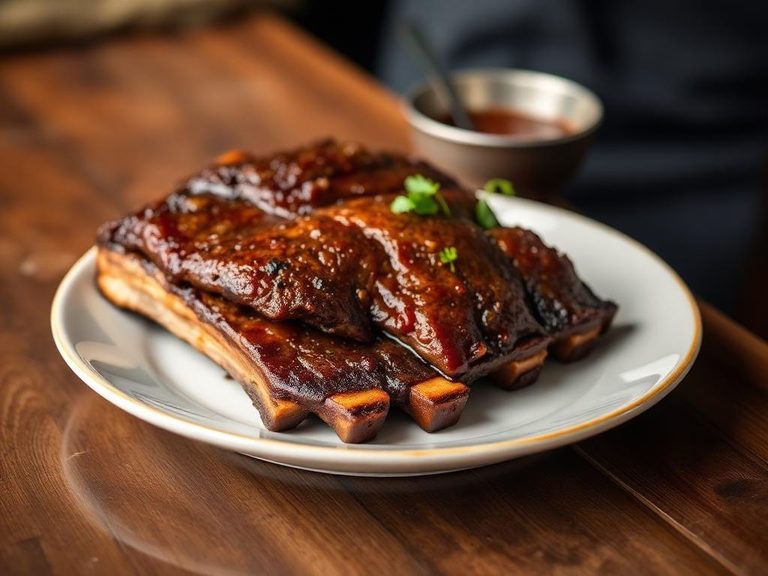
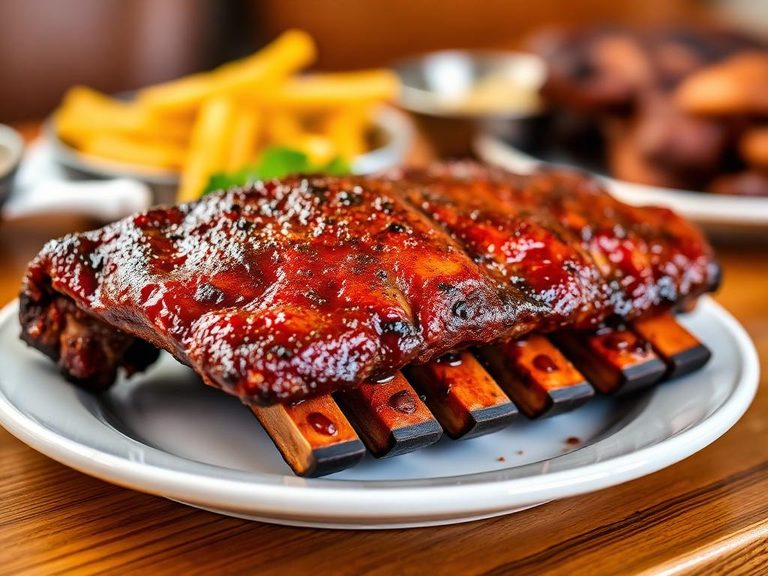
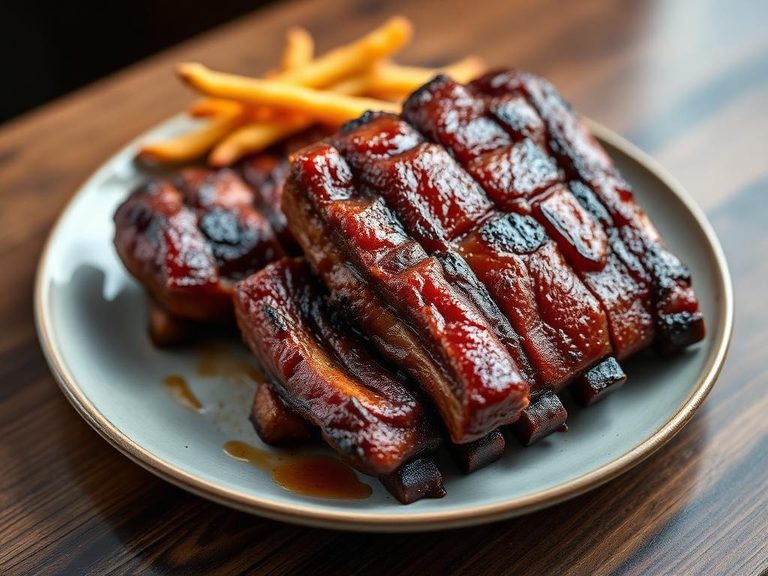
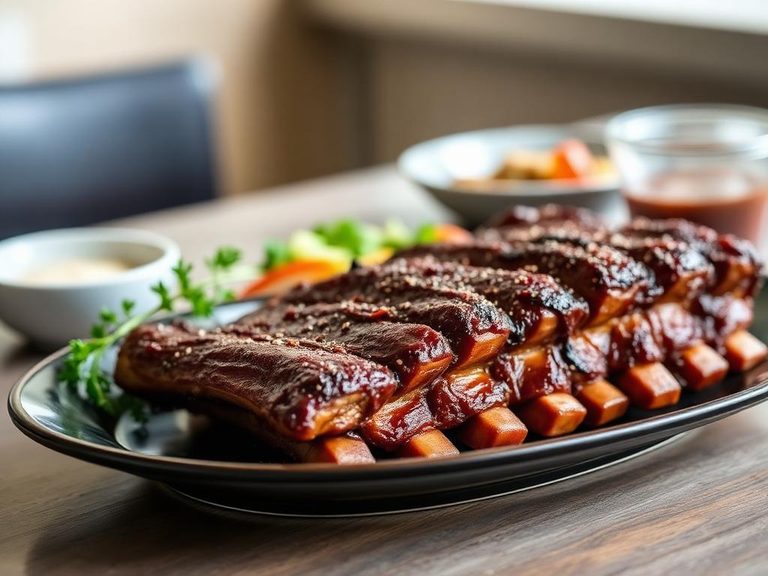
Smoked Bear Ribs are a specialty dish featuring rib cuts from bear meat, slow-smoked to tenderize the dense, gamey flesh. The meat is typically seasoned with a dry rub of herbs and spices, then cooked low and slow over wood smoke, often hickory or alder, to develop a deep, rich flavor. This dish is primarily found in North American regions with bear hunting traditions, such as the Pacific Northwest, Canada, and parts of the United States.
🍽️ Nutrition at a glance
This dish is exceptionally high in protein and fat, with virtually no carbohydrates, making it a dense source of energy. It provides significant amounts of iron, zinc, and B vitamins, particularly B12, but is also very high in calories, likely ranging from 400 to 600 kcal per serving depending on the cut and preparation.
Nutrition breakdown
| Calories | 480 kcal |
| Protein | 35 g |
| Carbs | 0 g |
| Fat | 38 g |
| Fiber | 0 g |
| Sugar | 0 g |
| Sodium | 650 mg |
| Iron | 4.5 mg |
| Zinc | 7.2 mg |
| Vitamin B12 | 8.0 mcg |
| Niacin (B3) | 10.0 mg |
| Selenium | 22.0 mcg |
| Phosphorus | 280 mg |
| Potassium | 320 mg |
| Vitamin B6 | 0.6 mg |
Per 1 serving (150 g, about 3-4 oz of cooked meat) · estimated, varies by recipe
💡 What's interesting
Culturally, bear meat is a traditional food for many Indigenous and rural communities, often obtained through regulated hunting. Nutritionally, bear fat is unusually high in monounsaturated fats, similar to olive oil, which is rare among wild game animals.