

Beans, pinto, mature seeds, canned, solids and liquids
Whole food · Legumes and Legume Products
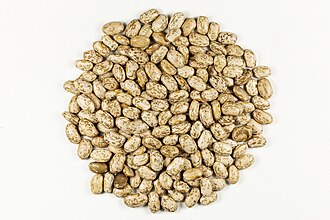
Photo: Wikipedia
Canned pinto beans are a pantry staple, offering a creamy, earthy flavor and a soft, slightly mealy texture that holds up well in soups and stews. Nutritionally, they are a low-fat, high-fiber source of plant-based protein, making them a hearty and satisfying addition to many meals. Their convenience and consistent texture make them a reliable base for countless dishes.
Calorie split: 22% protein · 72% carbs · 6% fat
↓ Full nutrition💚 Why it's loved
People love pinto beans for their mild, nutty flavor and creamy texture that absorbs spices and sauces beautifully. They are a cultural cornerstone in Mexican and Southwestern U.S. cuisine, forming the heart of beloved dishes like refried beans and chili.
⚠️ Watch-outs & how to enjoy it better
Canned beans can be high in sodium, which may be a concern for those monitoring salt intake; look for 'low-sodium' or 'no salt added' versions and rinse well. Their high fiber content can cause digestive discomfort (gas, bloating) in some people, especially if not accustomed to it; start with small portions and gradually increase intake.
Key benefits
- Excellent source of dietary fiber (4.6g per 100g)
- Good plant-based protein source (4.6g per 100g)
- Low in fat (0.56g per 100g)
- Rich in complex carbohydrates for sustained energy
- Convenient and shelf-stable pantry staple
🍽️ Popular dishes
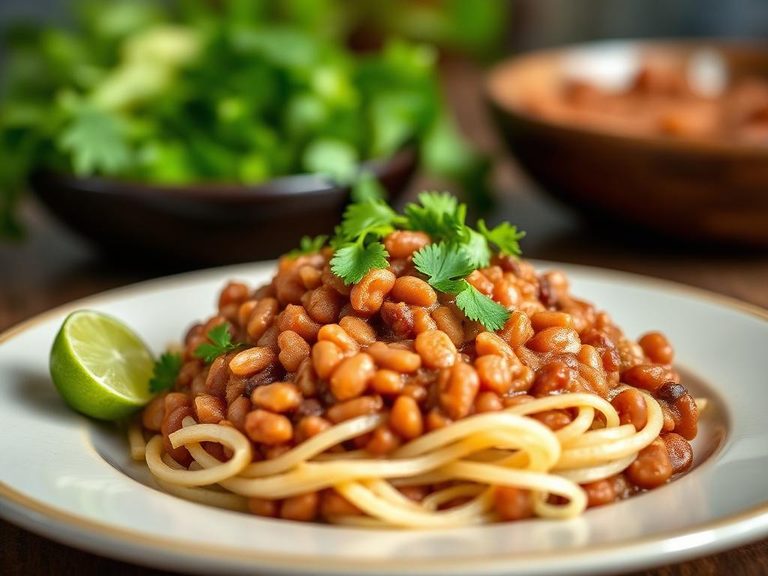
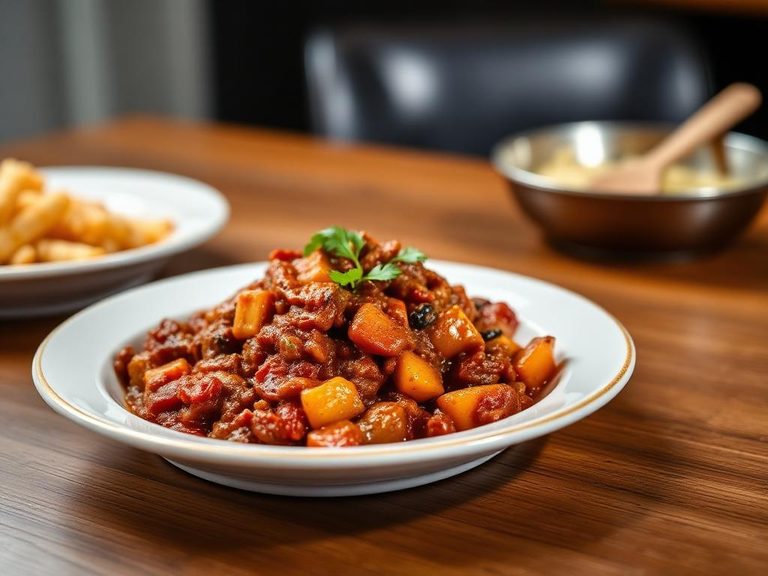
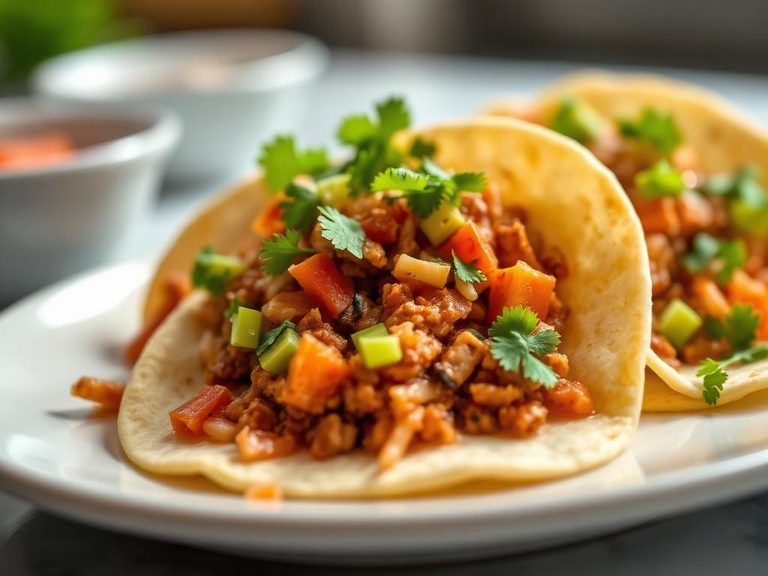
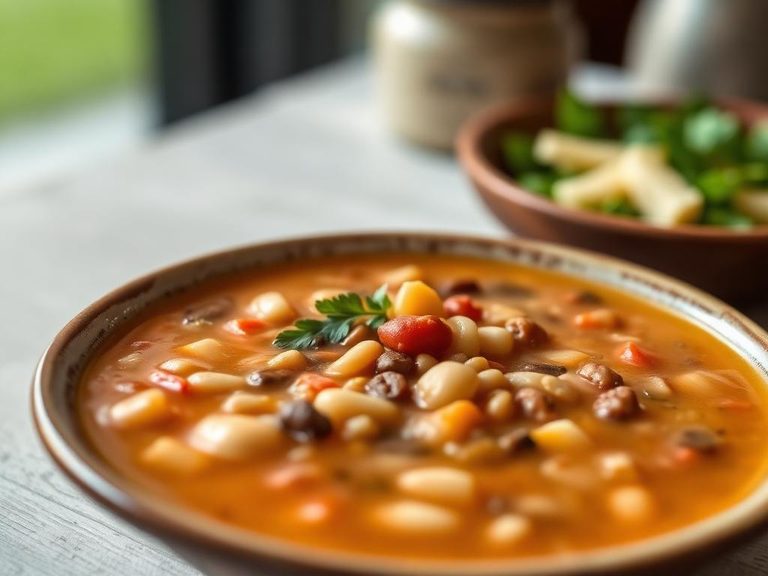
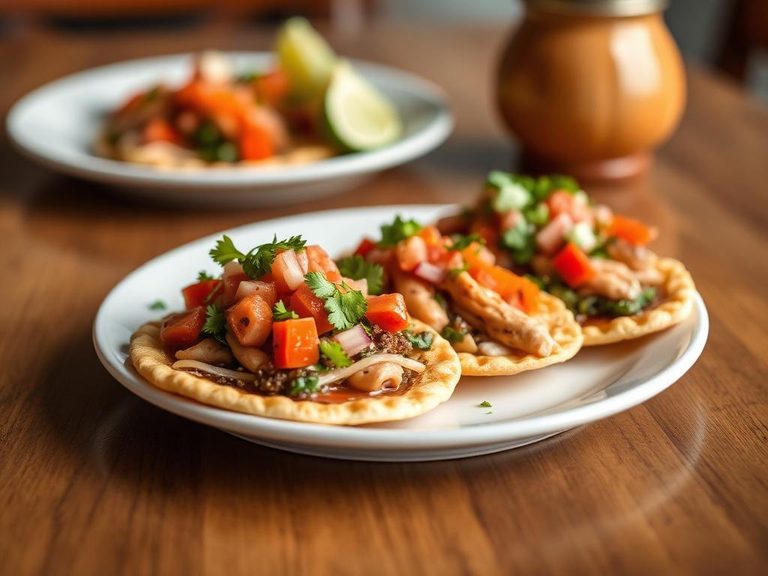
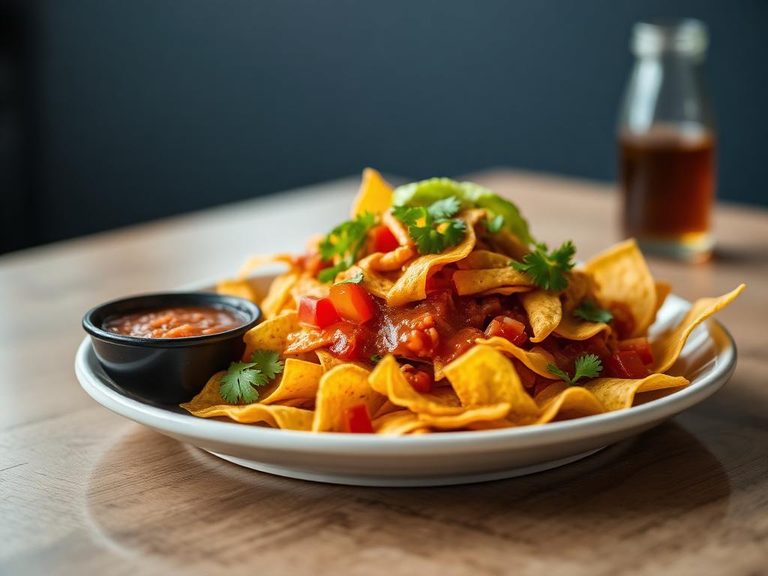
🌍 Where it's eaten
💡 Did you know?
The name 'pinto' comes from the Spanish word for 'painted,' referring to the bean's distinctive speckled or mottled appearance before cooking.
Full nutrition (USDA data · scales with serving)
| Water | 78.2 g |
| Energy | 82.0 kcal |
| Energy | 345 kj |
| Protein | 4.6 g |
| Total lipid (fat) | 0.56 g |
| Ash | 1.5 g |
| Carbohydrate, by difference | 15.2 g |
| Fiber, total dietary | 4.6 g |
| Total Sugars | 1.0 g |
| Calcium, Ca | 47.0 mg |
| Iron, Fe | 1.5 mg |
| Magnesium, Mg | 33.0 mg |
| Phosphorus, P | 92.0 mg |
| Potassium, K | 276 mg |
| Sodium, Na | 268 mg |
| Zinc, Zn | 0.56 mg |
| Copper, Cu | 0.16 mg |
| Manganese, Mn | 0.32 mg |
| Vitamin C, total ascorbic acid | 0.70 mg |
| Thiamin | 0.05 mg |
| Riboflavin | 0.02 mg |
| Niacin | 0.27 mg |
| Pantothenic acid | 0.14 mg |
| Vitamin B-6 | 0.07 mg |
| Folate, total | 24.0 ug |
| Folic acid | 0.00 ug |
| Folate, food | 24.0 ug |
| Folate, DFE | 24.0 ug |
| Choline, total | 20.8 mg |
| Vitamin B-12 | 0.00 ug |
| Vitamin B-12, added | 0.00 ug |
| Vitamin A, RAE | 0.00 ug |
| Retinol | 0.00 ug |
| Carotene, beta | 0.00 ug |
| Carotene, alpha | 0.00 ug |
| Cryptoxanthin, beta | 0.00 ug |
| Vitamin A, IU | 0.00 iu |
| Vitamin E (alpha-tocopherol) | 0.55 mg |
| Vitamin E, added | 0.00 mg |
| Vitamin D (D2 + D3), International Units | 0.00 iu |
| Vitamin D (D2 + D3) | 0.00 ug |
| Vitamin K (phylloquinone) | 2.1 ug |
| Alcohol, ethyl | 0.00 g |
| Caffeine | 0.00 mg |
| Theobromine | 0.00 mg |
Fat & fatty acid profile (per 100g)
| Fatty acids, total saturated | 0.12 g |
| SFA 4:0 | 0.00 g |
| SFA 6:0 | 0.00 g |
| SFA 8:0 | 0.00 g |
| SFA 10:0 | 0.00 g |
| SFA 12:0 | 0.00 g |
| SFA 14:0 | 0.00 g |
| SFA 16:0 | 0.12 g |
| SFA 18:0 | 0.00 g |
| Fatty acids, total monounsaturated | 0.11 g |
| MUFA 16:1 | 0.00 g |
| MUFA 18:1 | 0.11 g |
| MUFA 20:1 | 0.00 g |
| MUFA 22:1 | 0.00 g |
| Fatty acids, total polyunsaturated | 0.20 g |
| PUFA 18:2 | 0.09 g |
| PUFA 18:3 | 0.12 g |
| PUFA 18:4 | 0.00 g |
| PUFA 20:4 | 0.00 g |
| PUFA 20:5 n-3 (EPA) | 0.00 g |
| PUFA 22:5 n-3 (DPA) | 0.00 g |
| PUFA 22:6 n-3 (DHA) | 0.00 g |
| Fatty acids, total trans | 0.00 g |
| Cholesterol | 0.00 mg |
Amino acid profile (per 100g)
| Tryptophan | 0.05 g |
| Threonine | 0.18 g |
| Isoleucine | 0.19 g |
| Leucine | 0.34 g |
| Lysine | 0.29 g |
| Methionine | 0.06 g |
| Cystine | 0.04 g |
| Phenylalanine | 0.24 g |
| Tyrosine | 0.09 g |
| Valine | 0.22 g |
| Arginine | 0.24 g |
| Histidine | 0.12 g |
| Alanine | 0.19 g |
| Aspartic acid | 0.49 g |
| Glutamic acid | 0.66 g |
| Glycine | 0.17 g |
| Proline | 0.23 g |
| Serine | 0.25 g |
FAQ
Are canned pinto beans as nutritious as dried beans?
Yes, canned pinto beans retain most of the nutrients found in dried beans, including protein, fiber, and vitamins. The canning process may slightly reduce some heat-sensitive nutrients, but they remain a highly nutritious food.
How can I reduce the sodium in canned pinto beans?
The most effective method is to rinse the beans thoroughly under running water in a colander. This can remove up to 40% of the added sodium. Choosing 'low-sodium' or 'no salt added' varieties is another good option.
Why do canned pinto beans sometimes have a metallic taste?
A metallic taste can occur if the can's lining is damaged or if the beans are stored for too long. To avoid this, check the can for dents or swelling before purchasing, and store opened beans in a non-reactive container like glass or plastic.
Nutrient density (calculated · NRF9.3)
Nutrient Rich Foods index: beneficial nutrients (protein, fiber, vitamins, minerals) minus saturated fat, added sugar & sodium, per 100 kcal.
NRF9.3 index — Fulgoni, Keast & Drewnowski, 2009. Computed from USDA nutrients.
Weight-loss friendliness (composite index)
Energy density 0.82 kcal/g · 22% calories from protein · 4.6 g fiber · 1.0 g sugar per 100 g.
Composite of energy density (Rolls et al., 1999), protein & fiber satiety, minus sugar. A calculated heuristic — ranks satiety-per-calorie, not a clinical measure.
Dietary load (calculated from USDA values)
Potential renal acid load. Positive = acid-forming, negative = alkaline-forming.
Sodium-to-potassium ratio: 0.97 (lower is better — aim for ≤ 1)
Sodium:potassium per WHO potassium guidance. Computed from USDA nutrients.