

Baking chocolate, mexican, squares
Whole food · Sweets
Baking chocolate, Mexican style, is a dense, unsweetened or lightly sweetened block of pure cacao solids and fat, prized for its intense, deep chocolate flavor with earthy, slightly bitter notes and a smooth, velvety melt. Nutritionally, it's a concentrated source of carbohydrates (primarily from starches and sugars) and fats, with minimal protein and a modest amount of fiber.
Calorie split: 3% protein · 67% carbs · 30% fat
↓ Full nutrition💚 Why it's loved
People love it for its authentic, unadulterated chocolate intensity that forms the backbone of traditional Mexican and Spanish hot drinks and desserts. Its versatility allows bakers and chefs to control sweetness precisely, creating deep, complex flavors in everything from mole sauces to rich brownies.
⚠️ Watch-outs & how to enjoy it better
Its high carbohydrate and sugar content (even in 'unsweetened' forms, it contains natural sugars) can cause rapid blood-sugar spikes if consumed in large quantities. Those with caffeine sensitivity should be cautious, as it contains significant theobromine and caffeine. To counteract this, pair small portions with protein (like nuts) or fat (like avocado) to slow sugar absorption, and always practice strict portion control.
Key benefits
- Provides a quick, dense source of energy from carbohydrates and fats.
- Contains some dietary fiber, which can aid in digestion.
- Offers minerals like magnesium and iron naturally found in cacao.
- Can be used in controlled amounts to add rich flavor without added sugars.
- The fat content includes stearic acid, which is less likely to raise cholesterol.
🍽️ Popular dishes

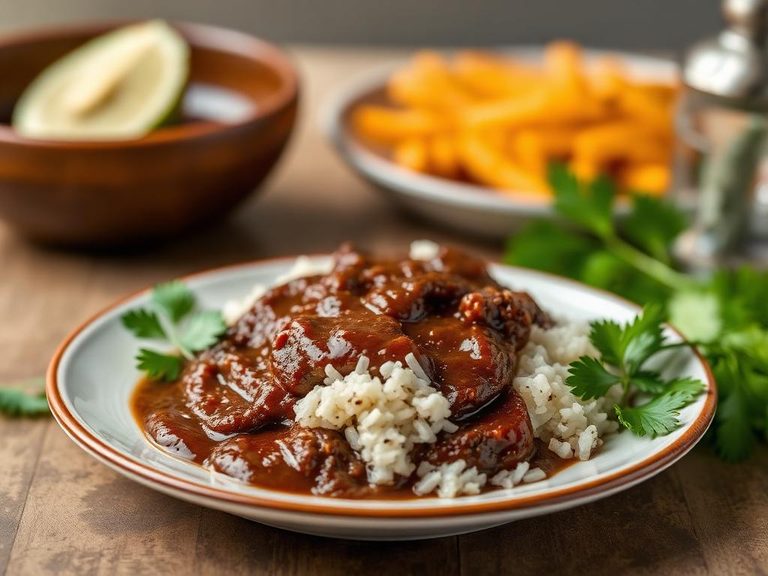
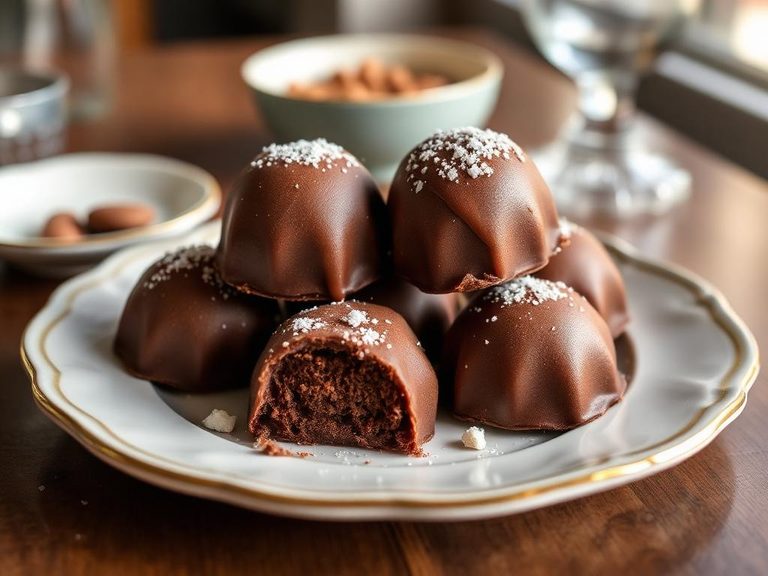

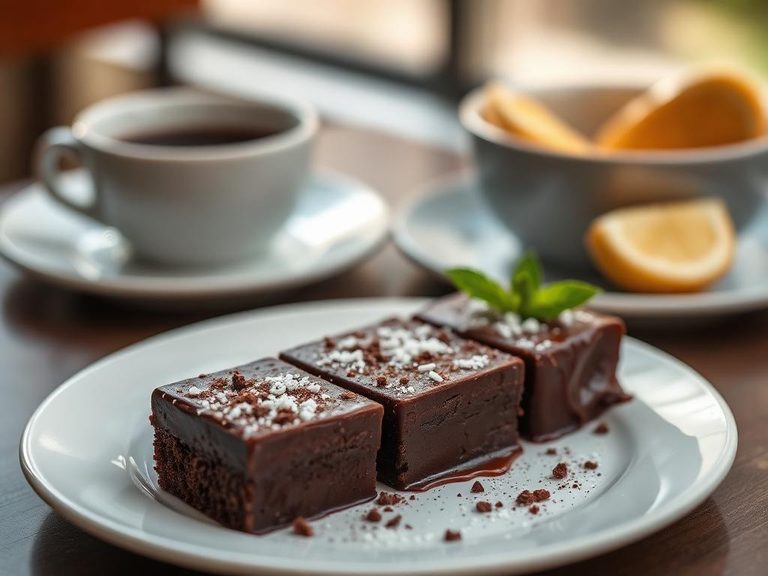

🌍 Where it's eaten
💡 Did you know?
The specific 'Mexican' style often refers to chocolate ground with sugar, cinnamon, and sometimes almonds into a coarse paste or tablets, a technique inherited from Aztec and Mayan preparations.
Full nutrition (USDA data · scales with serving)
| Water | 1.6 g |
| Energy | 426 kcal |
| Energy | 1782 kj |
| Protein | 3.6 g |
| Total lipid (fat) | 15.6 g |
| Ash | 1.3 g |
| Carbohydrate, by difference | 77.4 g |
| Fiber, total dietary | 4.0 g |
| Total Sugars | 69.4 g |
| Calcium, Ca | 34.0 mg |
| Iron, Fe | 2.2 mg |
| Magnesium, Mg | 95.0 mg |
| Phosphorus, P | 142 mg |
| Potassium, K | 397 mg |
| Sodium, Na | 3.0 mg |
| Zinc, Zn | 1.3 mg |
| Copper, Cu | 0.67 mg |
| Manganese, Mn | 0.45 mg |
| Selenium, Se | 1.8 ug |
| Vitamin C, total ascorbic acid | 0.10 mg |
| Thiamin | 0.06 mg |
| Riboflavin | 0.10 mg |
| Niacin | 1.8 mg |
| Pantothenic acid | 0.18 mg |
| Vitamin B-6 | 0.03 mg |
| Folate, total | 5.0 ug |
| Folic acid | 0.00 ug |
| Folate, food | 5.0 ug |
| Folate, DFE | 5.0 ug |
| Choline, total | 45.6 mg |
| Vitamin B-12 | 0.00 ug |
| Vitamin B-12, added | 0.00 ug |
| Vitamin A, RAE | 0.00 ug |
| Retinol | 0.00 ug |
| Carotene, beta | 0.00 ug |
| Carotene, alpha | 0.00 ug |
| Cryptoxanthin, beta | 0.00 ug |
| Vitamin A, IU | 0.00 iu |
| Lycopene | 0.00 ug |
| Lutein + zeaxanthin | 7.0 ug |
| Vitamin E (alpha-tocopherol) | 0.36 mg |
| Vitamin E, added | 0.00 mg |
| Vitamin D (D2 + D3), International Units | 0.00 iu |
| Vitamin D (D2 + D3) | 0.00 ug |
| Vitamin K (phylloquinone) | 2.2 ug |
| Alcohol, ethyl | 0.00 g |
| Caffeine | 14.0 mg |
| Theobromine | 231 mg |
Fat & fatty acid profile (per 100g)
| Fatty acids, total saturated | 8.6 g |
| SFA 4:0 | 0.00 g |
| SFA 6:0 | 0.00 g |
| SFA 8:0 | 0.00 g |
| SFA 10:0 | 0.00 g |
| SFA 12:0 | 0.00 g |
| SFA 14:0 | 0.01 g |
| SFA 16:0 | 3.6 g |
| SFA 18:0 | 4.7 g |
| Fatty acids, total monounsaturated | 5.0 g |
| MUFA 16:1 | 0.04 g |
| MUFA 18:1 | 5.0 g |
| MUFA 20:1 | 0.00 g |
| MUFA 22:1 | 0.00 g |
| Fatty acids, total polyunsaturated | 1.2 g |
| PUFA 18:2 | 0.94 g |
| PUFA 18:3 | 0.07 g |
| PUFA 18:4 | 0.00 g |
| PUFA 20:4 | 0.15 g |
| PUFA 20:5 n-3 (EPA) | 0.00 g |
| PUFA 22:5 n-3 (DPA) | 0.00 g |
| PUFA 22:6 n-3 (DHA) | 0.00 g |
| Cholesterol | 0.00 mg |
Amino acid profile (per 100g)
Estimated from Baking chocolate, unsweetened, liquid — USDA does not publish this profile for Baking chocolate.
| Tryptophan | 0.18 g |
| Threonine | 0.48 g |
| Isoleucine | 0.47 g |
| Leucine | 0.74 g |
| Lysine | 0.61 g |
| Methionine | 0.13 g |
| Cystine | 0.15 g |
| Phenylalanine | 0.58 g |
| Tyrosine | 0.46 g |
| Valine | 0.73 g |
| Arginine | 0.69 g |
| Histidine | 0.21 g |
| Alanine | 0.56 g |
| Aspartic acid | 1.2 g |
| Glutamic acid | 1.8 g |
| Glycine | 0.55 g |
| Proline | 0.52 g |
| Serine | 0.53 g |
FAQ
How is Mexican baking chocolate different from regular unsweetened baking chocolate?
Mexican-style baking chocolate is typically pre-mixed with sugar and spices like cinnamon, and sometimes nuts, forming a coarse paste or tablet. Regular unsweetened baking chocolate is 100% cacao solids and fat with no added ingredients.
Can I use it as a 1:1 substitute for unsweetened baking chocolate in recipes?
Not directly, because it contains added sugar and spices. You would need to adjust the recipe's sugar and spice quantities accordingly to avoid making the final product overly sweet or flavored.
Is the high sugar content from added sugar or natural cacao?
It's a combination. While cacao beans contain natural sugars, the significant sugar content in Mexican baking chocolate comes primarily from added cane sugar, which is a key part of its traditional formulation for drinks and desserts.
Nutrient density (calculated · NRF9.3)
Nutrient Rich Foods index: beneficial nutrients (protein, fiber, vitamins, minerals) minus saturated fat, added sugar & sodium, per 100 kcal.
NRF9.3 index — Fulgoni, Keast & Drewnowski, 2009. Computed from USDA nutrients.
Weight-loss friendliness (composite index)
Energy density 4.26 kcal/g · 3% calories from protein · 4.0 g fiber · 69.4 g sugar per 100 g.
Composite of energy density (Rolls et al., 1999), protein & fiber satiety, minus sugar. A calculated heuristic — ranks satiety-per-calorie, not a clinical measure.
Dietary load (calculated from USDA values)
Potential renal acid load. Positive = acid-forming, negative = alkaline-forming.
Sodium-to-potassium ratio: 0.01 (lower is better — aim for ≤ 1)
Sodium:potassium per WHO potassium guidance. Computed from USDA nutrients.