

Apples, canned, sweetened, sliced, drained, heated
Whole food · Fruits and Fruit Juices

Photo: Wikipedia
These are apple slices, typically from firm varieties like Granny Smith or Golden Delicious, that have been peeled, cored, and gently simmered in a light sugar syrup before being drained and heated for serving. They offer a soft, tender, almost melt-in-the-mouth texture with a pronounced, candy-like sweetness and a mild, cooked apple flavor. Nutritionally, they are a concentrated source of quick-energy carbohydrates, primarily from added and natural sugars.
Calorie split: 1% protein · 94% carbs · 5% fat
↓ Full nutrition💚 Why it's loved
People love them for their comforting, nostalgic sweetness and soft texture, which makes them a beloved topping for warm desserts like cobblers and crisps. Their convenience and consistent flavor also make them a reliable pantry staple for quick snacks, breakfast toppings, or baking additions.
⚠️ Watch-outs & how to enjoy it better
The primary downside is the high sugar content (nearly 15g per 100g), which can cause rapid blood-sugar spikes, making them less ideal for diabetics or those monitoring sugar intake. To counteract this, pair a small portion with a source of protein or fat, like Greek yogurt or a handful of nuts, to slow sugar absorption. They also lack the crisp texture and some of the fresh nutritional benefits of raw apples.
Key benefits
- Provides a quick source of energy from carbohydrates
- Contains small amounts of dietary fiber, primarily from the apple flesh
- Offers convenience as a ready-to-eat, shelf-stable fruit product
- Can be a palatable way for some individuals to consume fruit
- Low in fat and contains no cholesterol
🍽️ Popular dishes

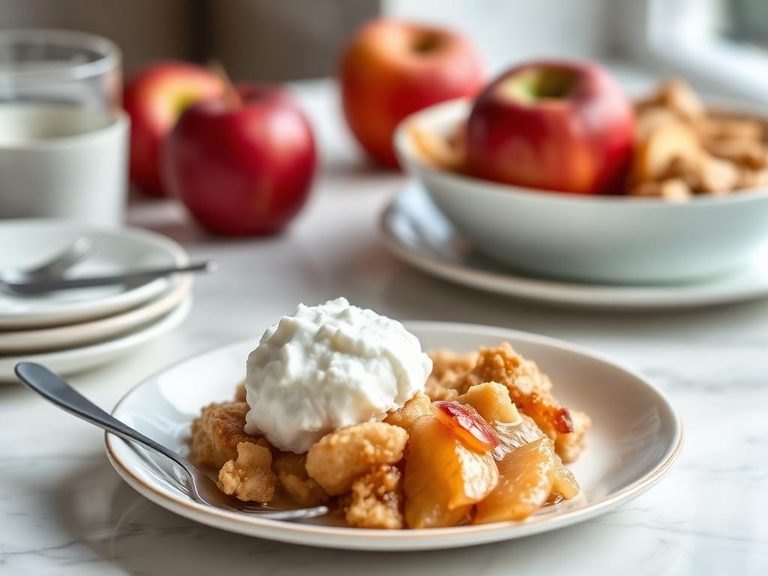
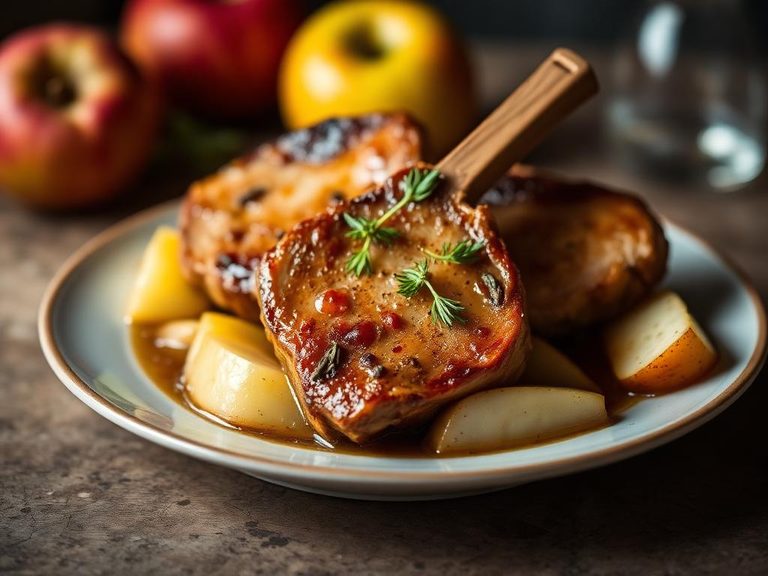
🌍 Where it's eaten
💡 Did you know?
The process of canning fruit in syrup was a major innovation in food preservation during the 19th century, and canned apples became a staple for naval provisions and pioneer food chests due to their long shelf life.
Full nutrition (USDA data · scales with serving)
| Water | 82.3 g |
| Energy | 67.0 kcal |
| Energy | 280 kj |
| Protein | 0.18 g |
| Total lipid (fat) | 0.43 g |
| Ash | 0.27 g |
| Carbohydrate, by difference | 16.8 g |
| Fiber, total dietary | 2.0 g |
| Total Sugars | 14.8 g |
| Calcium, Ca | 4.0 mg |
| Iron, Fe | 0.24 mg |
| Magnesium, Mg | 3.0 mg |
| Phosphorus, P | 6.0 mg |
| Potassium, K | 70.0 mg |
| Sodium, Na | 3.0 mg |
| Zinc, Zn | 0.05 mg |
| Copper, Cu | 0.05 mg |
| Manganese, Mn | 0.17 mg |
| Selenium, Se | 0.30 ug |
| Vitamin C, total ascorbic acid | 0.20 mg |
| Thiamin | 0.01 mg |
| Riboflavin | 0.01 mg |
| Niacin | 0.08 mg |
| Pantothenic acid | 0.03 mg |
| Vitamin B-6 | 0.04 mg |
| Folate, total | 0.00 ug |
| Folic acid | 0.00 ug |
| Folate, food | 0.00 ug |
| Folate, DFE | 0.00 ug |
| Choline, total | 3.2 mg |
| Vitamin B-12 | 0.00 ug |
| Vitamin B-12, added | 0.00 ug |
| Vitamin A, RAE | 3.0 ug |
| Retinol | 0.00 ug |
| Carotene, beta | 24.0 ug |
| Carotene, alpha | 0.00 ug |
| Cryptoxanthin, beta | 18.0 ug |
| Vitamin A, IU | 56.0 iu |
| Lycopene | 0.00 ug |
| Lutein + zeaxanthin | 18.0 ug |
| Vitamin E (alpha-tocopherol) | 0.21 mg |
| Vitamin E, added | 0.00 mg |
| Vitamin D (D2 + D3), International Units | 0.00 iu |
| Vitamin D (D2 + D3) | 0.00 ug |
| Vitamin K (phylloquinone) | 0.60 ug |
| Alcohol, ethyl | 0.00 g |
| Caffeine | 0.00 mg |
| Theobromine | 0.00 mg |
Fat & fatty acid profile (per 100g)
| Fatty acids, total saturated | 0.07 g |
| SFA 4:0 | 0.00 g |
| SFA 6:0 | 0.00 g |
| SFA 8:0 | 0.00 g |
| SFA 10:0 | 0.00 g |
| SFA 12:0 | 0.00 g |
| SFA 14:0 | 0.00 g |
| SFA 16:0 | 0.06 g |
| SFA 18:0 | 0.01 g |
| Fatty acids, total monounsaturated | 0.02 g |
| MUFA 16:1 | 0.00 g |
| MUFA 18:1 | 0.02 g |
| MUFA 20:1 | 0.00 g |
| MUFA 22:1 | 0.00 g |
| Fatty acids, total polyunsaturated | 0.13 g |
| PUFA 18:2 | 0.10 g |
| PUFA 18:3 | 0.02 g |
| PUFA 18:4 | 0.00 g |
| PUFA 20:4 | 0.00 g |
| PUFA 20:5 n-3 (EPA) | 0.00 g |
| PUFA 22:5 n-3 (DPA) | 0.00 g |
| PUFA 22:6 n-3 (DHA) | 0.00 g |
| Fatty acids, total trans | 0.00 g |
| Cholesterol | 0.00 mg |
Amino acid profile (per 100g)
| Tryptophan | 0.00 g |
| Threonine | 0.01 g |
| Isoleucine | 0.01 g |
| Leucine | 0.01 g |
| Lysine | 0.01 g |
| Methionine | 0.00 g |
| Cystine | 0.00 g |
| Phenylalanine | 0.01 g |
| Tyrosine | 0.00 g |
| Valine | 0.01 g |
| Arginine | 0.01 g |
| Histidine | 0.00 g |
| Alanine | 0.01 g |
| Aspartic acid | 0.03 g |
| Glutamic acid | 0.02 g |
| Glycine | 0.01 g |
| Proline | 0.01 g |
| Serine | 0.01 g |
FAQ
Are canned sweetened apples the same as apple pie filling?
Not exactly. While similar, pie filling often contains added thickeners like cornstarch and extra spices like cinnamon and nutmeg to create a cohesive, saucy texture for baking. Canned sweetened apples are typically just apples and syrup.
Can I use these in place of fresh apples for baking?
Yes, but with adjustments. Since they are pre-cooked, soft, and wet, they will release less moisture during baking. You may need to reduce other liquids in the recipe and bake for a shorter time, as the filling won't need to break down as much.
How can I reduce the sugar content before eating?
You can thoroughly rinse the drained slices under cool running water in a colander to wash away some of the surface syrup. This can reduce the perceived sweetness without altering the texture significantly.
Nutrient density (calculated · NRF9.3)
Nutrient Rich Foods index: beneficial nutrients (protein, fiber, vitamins, minerals) minus saturated fat, added sugar & sodium, per 100 kcal.
NRF9.3 index — Fulgoni, Keast & Drewnowski, 2009. Computed from USDA nutrients.
Weight-loss friendliness (composite index)
Energy density 0.67 kcal/g · 1% calories from protein · 2.0 g fiber · 14.8 g sugar per 100 g.
Composite of energy density (Rolls et al., 1999), protein & fiber satiety, minus sugar. A calculated heuristic — ranks satiety-per-calorie, not a clinical measure.
Dietary load (calculated from USDA values)
Potential renal acid load. Positive = acid-forming, negative = alkaline-forming.
Sodium-to-potassium ratio: 0.04 (lower is better — aim for ≤ 1)
Sodium:potassium per WHO potassium guidance. Computed from USDA nutrients.