

Alcoholic beverage, wine, table, all
Whole food · Beverages
Table wine is a light, alcoholic beverage derived from fermented grapes, offering a clean, crisp taste with subtle notes of fruit, earth, or oak depending on the variety. Its nutrition profile is minimal, providing about 83 kcal per 100ml with negligible protein, fat, or fiber, and a small amount of residual sugar.
Calorie split: 3% protein · 97% carbs · 0% fat
↓ Full nutrition💚 Why it's loved
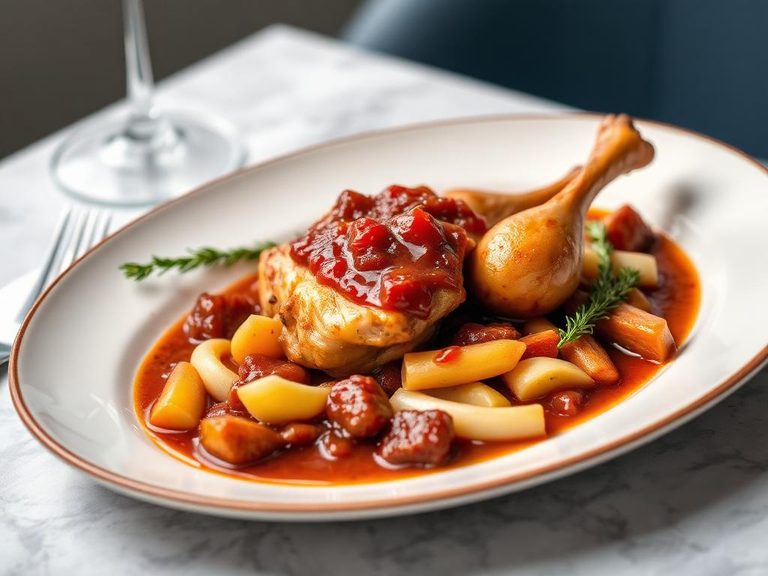
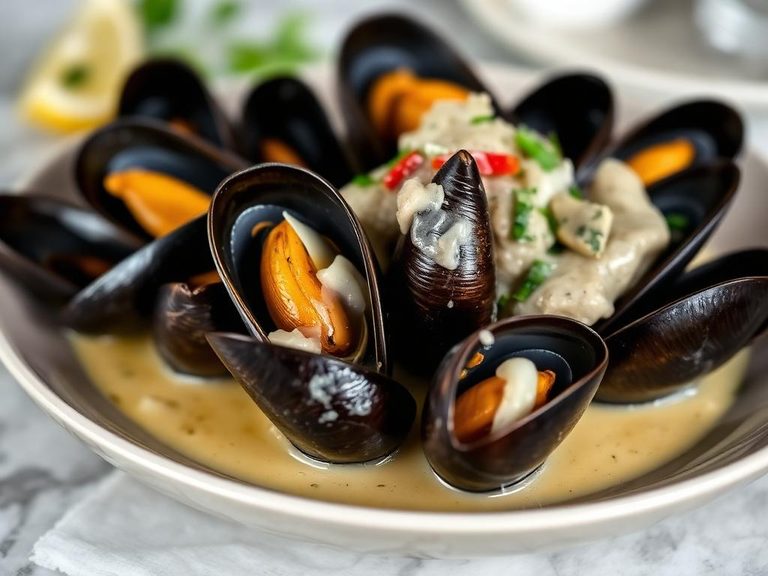
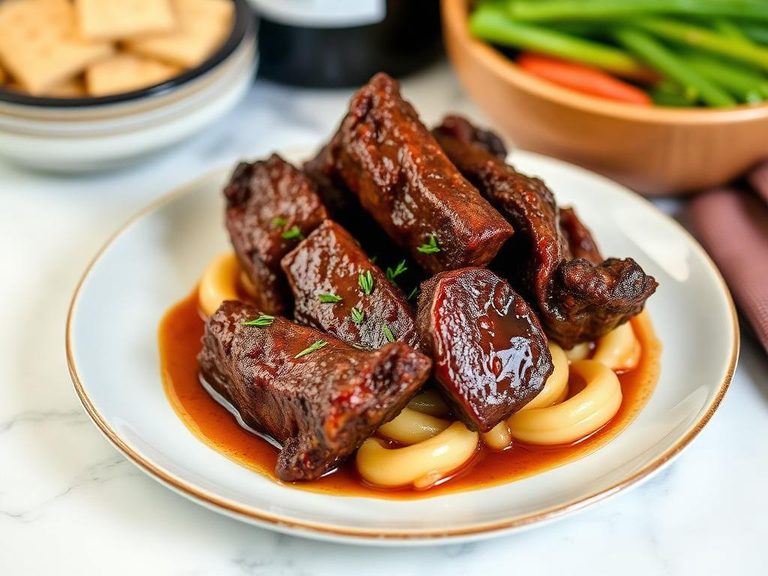
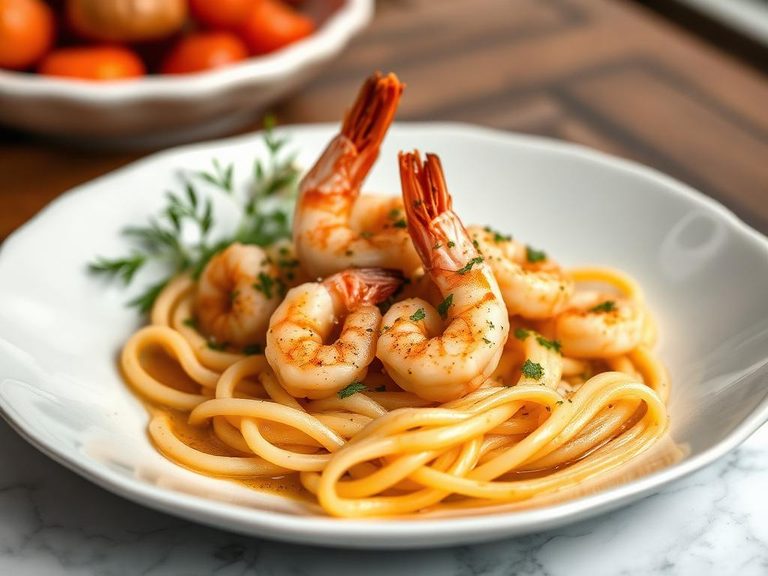
People love table wine for its complex flavors and the way it complements a meal, from a crisp Sauvignon Blanc with seafood to a bold Cabernet with steak. It's deeply woven into cultural traditions, from Italian family dinners to French bistros, symbolizing celebration and conviviality.
⚠️ Watch-outs & how to enjoy it better
The primary concern is its alcohol content, which can impair judgment and is high in empty calories; those monitoring blood sugar should note the 0.79g sugar per 100ml can add up. To counteract, practice strict portion control (a standard 5oz/150ml glass), avoid drinking on an empty stomach, and alternate with water.
Key benefits
- Contains antioxidants like resveratrol from grape skins
- May support heart health in moderation
- Can be part of a social, relaxing ritual
- Low in calories compared to many cocktails or sugary drinks
- Pairs well with food to enhance dining experience
🍽️ Popular dishes
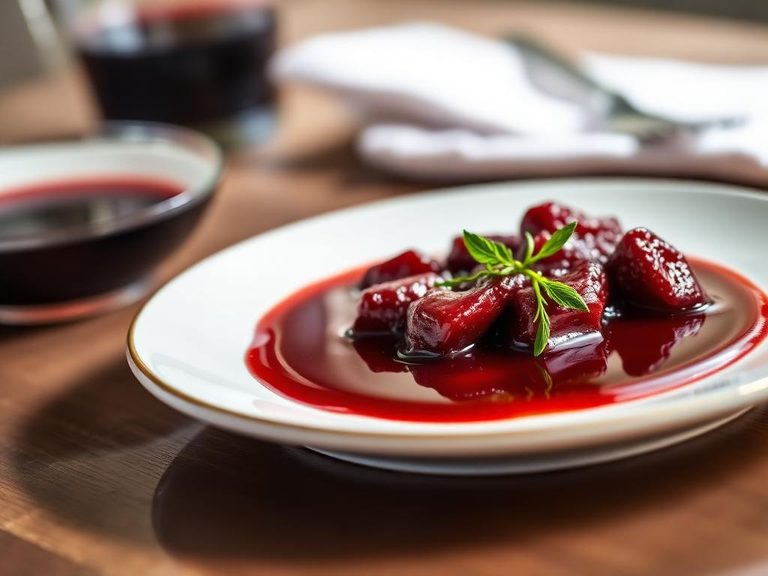
🌍 Where it's eaten
💡 Did you know?
A single 750ml bottle of wine contains roughly 600-800 grapes, depending on the grape variety and vintage.
Full nutrition (USDA data · scales with serving)
| Water | 86.6 g |
| Energy | 83.0 kcal |
| Energy | 347 kj |
| Protein | 0.07 g |
| Total lipid (fat) | 0.00 g |
| Ash | 0.24 g |
| Carbohydrate, by difference | 2.7 g |
| Fiber, total dietary | 0.00 g |
| Total Sugars | 0.79 g |
| Calcium, Ca | 8.0 mg |
| Iron, Fe | 0.37 mg |
| Magnesium, Mg | 11.0 mg |
| Phosphorus, P | 20.0 mg |
| Potassium, K | 99.0 mg |
| Sodium, Na | 5.0 mg |
| Zinc, Zn | 0.13 mg |
| Copper, Cu | 0.01 mg |
| Manganese, Mn | 0.12 mg |
| Selenium, Se | 0.20 ug |
| Fluoride, F | 153 ug |
| Vitamin C, total ascorbic acid | 0.00 mg |
| Thiamin | 0.01 mg |
| Riboflavin | 0.02 mg |
| Niacin | 0.17 mg |
| Pantothenic acid | 0.04 mg |
| Vitamin B-6 | 0.05 mg |
| Folate, total | 1.0 ug |
| Folic acid | 0.00 ug |
| Folate, food | 1.0 ug |
| Folate, DFE | 1.0 ug |
| Choline, total | 5.0 mg |
| Vitamin B-12 | 0.00 ug |
| Vitamin B-12, added | 0.00 ug |
| Vitamin A, RAE | 0.00 ug |
| Retinol | 0.00 ug |
| Carotene, beta | 0.00 ug |
| Carotene, alpha | 0.00 ug |
| Cryptoxanthin, beta | 0.00 ug |
| Vitamin A, IU | 0.00 iu |
| Lycopene | 0.00 ug |
| Lutein + zeaxanthin | 0.00 ug |
| Vitamin E (alpha-tocopherol) | 0.00 mg |
| Vitamin E, added | 0.00 mg |
| Vitamin D (D2 + D3), International Units | 0.00 iu |
| Vitamin D (D2 + D3) | 0.00 ug |
| Vitamin K (phylloquinone) | 0.00 ug |
| Alcohol, ethyl | 10.4 g |
| Caffeine | 0.00 mg |
| Theobromine | 0.00 mg |
Fat & fatty acid profile (per 100g)
| Fatty acids, total saturated | 0.00 g |
| SFA 4:0 | 0.00 g |
| SFA 6:0 | 0.00 g |
| SFA 8:0 | 0.00 g |
| SFA 10:0 | 0.00 g |
| SFA 12:0 | 0.00 g |
| SFA 14:0 | 0.00 g |
| SFA 16:0 | 0.00 g |
| SFA 18:0 | 0.00 g |
| Fatty acids, total monounsaturated | 0.00 g |
| MUFA 16:1 | 0.00 g |
| MUFA 18:1 | 0.00 g |
| MUFA 20:1 | 0.00 g |
| MUFA 22:1 | 0.00 g |
| Fatty acids, total polyunsaturated | 0.00 g |
| PUFA 18:2 | 0.00 g |
| PUFA 18:3 | 0.00 g |
| PUFA 18:4 | 0.00 g |
| PUFA 20:4 | 0.00 g |
| PUFA 20:5 n-3 (EPA) | 0.00 g |
| PUFA 22:5 n-3 (DPA) | 0.00 g |
| PUFA 22:6 n-3 (DHA) | 0.00 g |
| Fatty acids, total trans | 0.00 g |
| Cholesterol | 0.00 mg |
Amino acid profile (per 100g)
Estimated from Alcoholic beverage, distilled, vodka, 80 proof — USDA does not publish this profile for Alcoholic beverage.
| Tryptophan | 0.00 g |
| Threonine | 0.00 g |
| Isoleucine | 0.00 g |
| Leucine | 0.00 g |
| Lysine | 0.00 g |
| Methionine | 0.00 g |
| Cystine | 0.00 g |
| Phenylalanine | 0.00 g |
| Tyrosine | 0.00 g |
| Valine | 0.00 g |
| Arginine | 0.00 g |
| Histidine | 0.00 g |
| Alanine | 0.00 g |
| Aspartic acid | 0.00 g |
| Glutamic acid | 0.00 g |
| Glycine | 0.00 g |
| Proline | 0.00 g |
| Serine | 0.00 g |
FAQ
What's the difference between table wine and dessert wine?
Table wine is typically dry (low sugar) and meant to accompany a meal, while dessert wine is sweet and served after dinner. Table wine usually has 8-14% alcohol, whereas dessert wines can be higher.
Does the color of wine affect its nutrition?
Red, white, and rosé table wines have very similar calorie and sugar profiles per 100ml. The main difference is in antioxidant content, with reds generally having more due to skin contact during fermentation.
Is wine gluten-free?
Yes, pure wine made from grapes is naturally gluten-free. However, some flavored wines or those processed with gluten-containing additives may pose a risk for those with severe celiac disease.
Nutrient density (calculated · NRF9.3)
Nutrient Rich Foods index: beneficial nutrients (protein, fiber, vitamins, minerals) minus saturated fat, added sugar & sodium, per 100 kcal.
NRF9.3 index — Fulgoni, Keast & Drewnowski, 2009. Computed from USDA nutrients.
Weight-loss friendliness (composite index)
Energy density 0.83 kcal/g · 0% calories from protein · 0.0 g fiber · 0.8 g sugar per 100 g.
Composite of energy density (Rolls et al., 1999), protein & fiber satiety, minus sugar. A calculated heuristic — ranks satiety-per-calorie, not a clinical measure.
Dietary load (calculated from USDA values)
Potential renal acid load. Positive = acid-forming, negative = alkaline-forming.
Sodium-to-potassium ratio: 0.05 (lower is better — aim for ≤ 1)
Sodium:potassium per WHO potassium guidance. Computed from USDA nutrients.