

Alcoholic beverage, rice (sake)
Whole food · Beverages

Photo: Wikipedia
Sake is a traditional Japanese alcoholic beverage brewed from polished rice, water, yeast, and koji mold, resulting in a clear, fragrant liquid with a smooth, slightly sweet or dry finish depending on the style. Its texture is light and clean, often described as having a subtle umami depth and a delicate, floral aroma. Nutritionally, it provides 134 kcal per 100g with minimal protein and carbs, and no fat, fiber, or sugar.
Calorie split: 9% protein · 91% carbs · 0% fat
↓ Full nutrition💚 Why it's loved
People love sake for its nuanced flavors—ranging from fruity and floral to earthy and savory—and its cultural significance in Japanese ceremonies and meals. Its versatility allows it to be enjoyed chilled, warmed, or at room temperature, adapting to personal preference and seasonal traditions.
⚠️ Watch-outs & how to enjoy it better
Sake's alcohol content (typically 15-20%) can lead to intoxication if consumed quickly, and its carbs may cause blood-sugar spikes in sensitive individuals. To mitigate, pair it with protein-rich foods like edamame or grilled fish, practice portion control (e.g., 1-2 small cups), and opt for drier styles (like junmai) which have lower residual sugar.
Key benefits
- Contains amino acids and peptides from rice fermentation
- Naturally gluten-free when made purely from rice
- Lower in congeners than many spirits, potentially reducing hangover severity
- Pairs well with diverse cuisines, enhancing dining experiences
- Traditional production methods often involve minimal additives
🍽️ Popular dishes
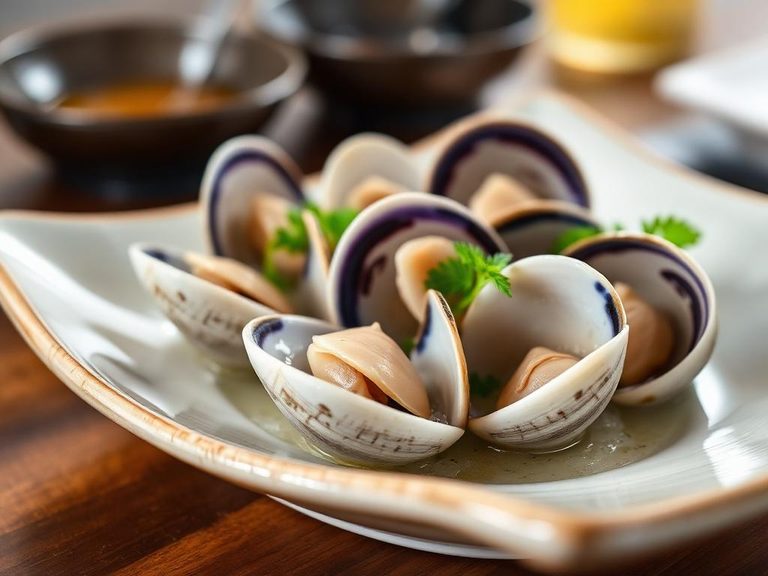
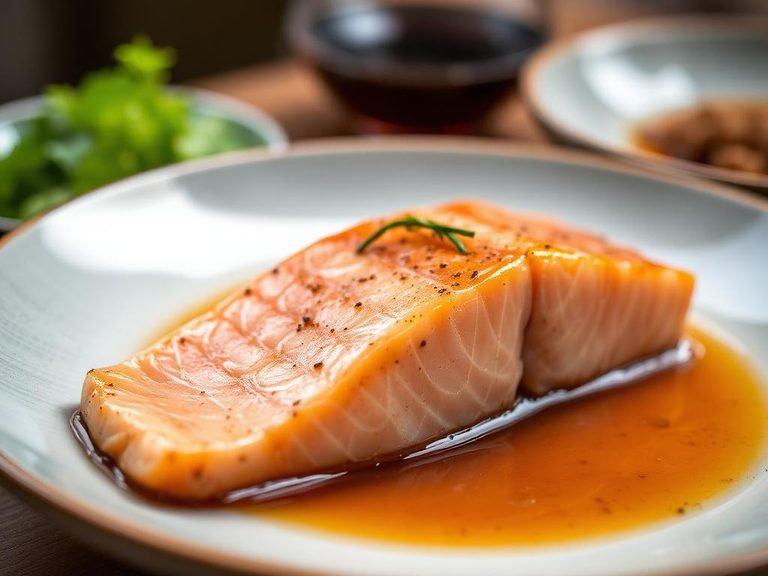
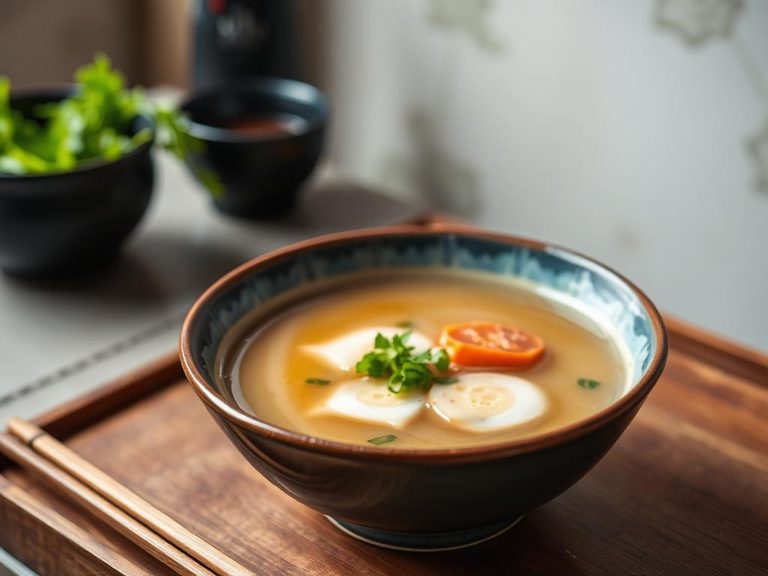
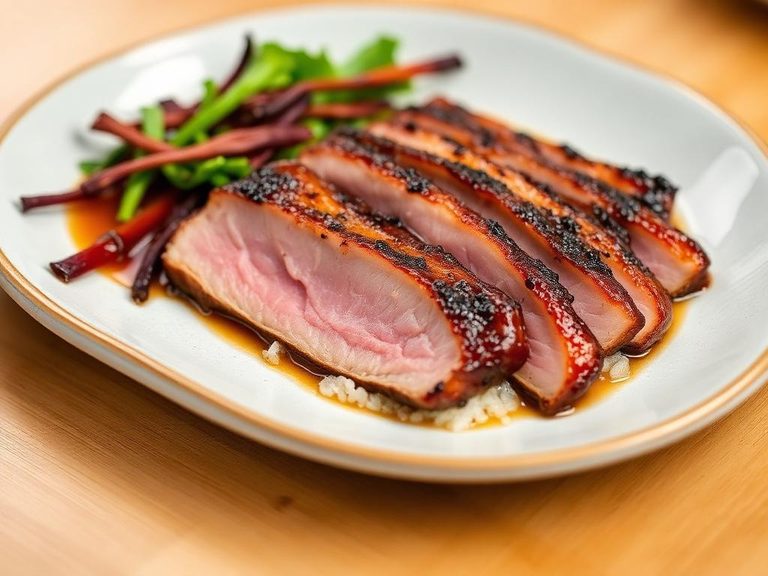
🌍 Where it's eaten
💡 Did you know?
Sake is often called 'nihonshu' (日本酒) in Japan, meaning 'Japanese alcohol,' and its brewing process uses a unique mold called Aspergillus oryzae (koji) to convert rice starch into fermentable sugars—a technique also foundational in soy sauce and miso production.
Full nutrition (USDA data · scales with serving)
| Water | 78.4 g |
| Energy | 134 kcal |
| Energy | 561 kj |
| Protein | 0.50 g |
| Total lipid (fat) | 0.00 g |
| Ash | 0.00 g |
| Carbohydrate, by difference | 5.0 g |
| Fiber, total dietary | 0.00 g |
| Total Sugars | 0.00 g |
| Calcium, Ca | 5.0 mg |
| Iron, Fe | 0.10 mg |
| Magnesium, Mg | 6.0 mg |
| Phosphorus, P | 6.0 mg |
| Potassium, K | 25.0 mg |
| Sodium, Na | 2.0 mg |
| Zinc, Zn | 0.02 mg |
| Copper, Cu | 0.01 mg |
| Selenium, Se | 1.4 ug |
| Vitamin C, total ascorbic acid | 0.00 mg |
| Thiamin | 0.00 mg |
| Riboflavin | 0.00 mg |
| Niacin | 0.00 mg |
| Vitamin B-6 | 0.00 mg |
| Folate, total | 0.00 ug |
| Folic acid | 0.00 ug |
| Folate, food | 0.00 ug |
| Folate, DFE | 0.00 ug |
| Choline, total | 0.00 mg |
| Vitamin B-12 | 0.00 ug |
| Vitamin B-12, added | 0.00 ug |
| Vitamin A, RAE | 0.00 ug |
| Retinol | 0.00 ug |
| Carotene, beta | 0.00 ug |
| Carotene, alpha | 0.00 ug |
| Cryptoxanthin, beta | 0.00 ug |
| Vitamin A, IU | 0.00 iu |
| Lycopene | 0.00 ug |
| Lutein + zeaxanthin | 0.00 ug |
| Vitamin E (alpha-tocopherol) | 0.00 mg |
| Vitamin E, added | 0.00 mg |
| Vitamin D (D2 + D3), International Units | 0.00 iu |
| Vitamin D (D2 + D3) | 0.00 ug |
| Vitamin K (phylloquinone) | 0.00 ug |
| Alcohol, ethyl | 16.1 g |
| Caffeine | 0.00 mg |
| Theobromine | 0.00 mg |
Fat & fatty acid profile (per 100g)
| Fatty acids, total saturated | 0.00 g |
| SFA 4:0 | 0.00 g |
| SFA 6:0 | 0.00 g |
| SFA 8:0 | 0.00 g |
| SFA 10:0 | 0.00 g |
| SFA 12:0 | 0.00 g |
| SFA 14:0 | 0.00 g |
| SFA 16:0 | 0.00 g |
| SFA 18:0 | 0.00 g |
| Fatty acids, total monounsaturated | 0.00 g |
| MUFA 16:1 | 0.00 g |
| MUFA 18:1 | 0.00 g |
| MUFA 20:1 | 0.00 g |
| MUFA 22:1 | 0.00 g |
| Fatty acids, total polyunsaturated | 0.00 g |
| PUFA 18:2 | 0.00 g |
| PUFA 18:3 | 0.00 g |
| PUFA 18:4 | 0.00 g |
| PUFA 20:4 | 0.00 g |
| PUFA 20:5 n-3 (EPA) | 0.00 g |
| PUFA 22:5 n-3 (DPA) | 0.00 g |
| PUFA 22:6 n-3 (DHA) | 0.00 g |
| Fatty acids, total trans | 0.00 g |
| Cholesterol | 0.00 mg |
Amino acid profile (per 100g)
Estimated from Alcoholic beverage, distilled, vodka, 80 proof — USDA does not publish this profile for Alcoholic beverage.
| Tryptophan | 0.00 g |
| Threonine | 0.00 g |
| Isoleucine | 0.00 g |
| Leucine | 0.00 g |
| Lysine | 0.00 g |
| Methionine | 0.00 g |
| Cystine | 0.00 g |
| Phenylalanine | 0.00 g |
| Tyrosine | 0.00 g |
| Valine | 0.00 g |
| Arginine | 0.00 g |
| Histidine | 0.00 g |
| Alanine | 0.00 g |
| Aspartic acid | 0.00 g |
| Glutamic acid | 0.00 g |
| Glycine | 0.00 g |
| Proline | 0.00 g |
| Serine | 0.00 g |
FAQ
How does sake differ from wine or beer?
Sake is brewed like beer (using mold to convert starch to sugar) but filtered and served like wine, with no carbonation. It typically has higher alcohol content than wine and lacks the bitterness of beer.
Can sake be heated, and does it change the flavor?
Yes, sake can be warmed (called 'kan'), which enhances its savory notes and smoothness, especially for junmai styles. However, delicate aromas may be lost, so premium sakes are often served chilled.
Is sake gluten-free?
Pure sake made only from rice, water, koji, and yeast is gluten-free. However, some commercial brands may add additives or use shared equipment, so check labels for gluten-free certification if sensitive.
Nutrient density (calculated · NRF9.3)
Nutrient Rich Foods index: beneficial nutrients (protein, fiber, vitamins, minerals) minus saturated fat, added sugar & sodium, per 100 kcal.
NRF9.3 index — Fulgoni, Keast & Drewnowski, 2009. Computed from USDA nutrients.
Weight-loss friendliness (composite index)
Energy density 1.34 kcal/g · 1% calories from protein · 0.0 g fiber · 0.0 g sugar per 100 g.
Composite of energy density (Rolls et al., 1999), protein & fiber satiety, minus sugar. A calculated heuristic — ranks satiety-per-calorie, not a clinical measure.
Dietary load (calculated from USDA values)
Potential renal acid load. Positive = acid-forming, negative = alkaline-forming.
Sodium-to-potassium ratio: 0.08 (lower is better — aim for ≤ 1)
Sodium:potassium per WHO potassium guidance. Computed from USDA nutrients.