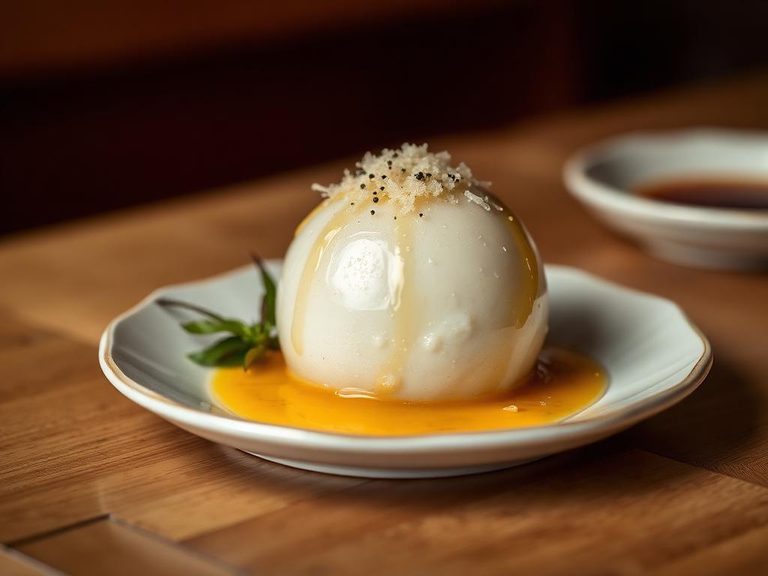
Sake-lees soup
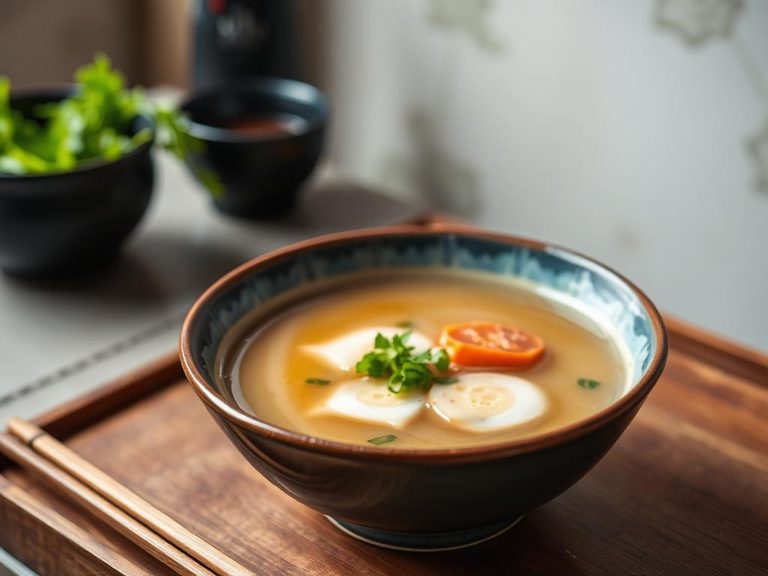
Sake-lees soup, or sake kasu soup, is a traditional Japanese soup made from sake kasu, the fermented rice lees left over from sake production. It typically features a savory broth with vegetables like carrots, mushrooms, and greens, often enriched with tofu or fish cakes, and is commonly enjoyed as a comforting, warming dish in Japanese home cooking.
🍽️ Nutrition at a glance
This soup is generally low in fat and moderate in protein, with a light carbohydrate content from the rice lees and vegetables. It provides B vitamins, amino acids, and minerals, with a rough calorie estimate of around 80-120 per serving, making it a nutritious yet light option.
Nutrition breakdown
| Calories | 85 kcal |
| Protein | 8.5 g |
| Carbs | 8 g |
| Fat | 2.5 g |
| Fiber | 1 g |
| Sugar | 3 g |
| Sodium | 980 mg |
| Potassium | 320 mg |
| Phosphorus | 150 mg |
| Magnesium | 25 mg |
| Iron | 1.2 mg |
| Zinc | 1.0 mg |
| Niacin (B3) | 2.5 mg |
| Vitamin B6 | 0.2 mg |
| Folate | 40 µg |
Per 1 cup (240 g) · estimated, varies by recipe
💡 What's interesting
Culturally, sake kasu soup is valued in Japan for its purported health benefits, including aiding digestion and boosting immunity, reflecting a traditional belief in food as medicine. Nutritionally, the fermented sake kasu adds probiotics and unique umami flavor, making it a distinctive example of how fermentation enhances both taste and health in Japanese cuisine.