Leavening agents, yeast, baker's, active dry
Whole food · Baked Products

Photo: Wikipedia
Active dry yeast is a dormant, granular form of Saccharomyces cerevisiae, the fungus responsible for leavening bread. It has a faint, yeasty aroma and a slightly bitter, earthy taste when dissolved, but its primary role is functional—producing carbon dioxide to create airy, risen dough. Nutritionally, it's a surprisingly potent source of complete protein and B-vitamins, especially thiamine and niacin.
💚 Why it's loved
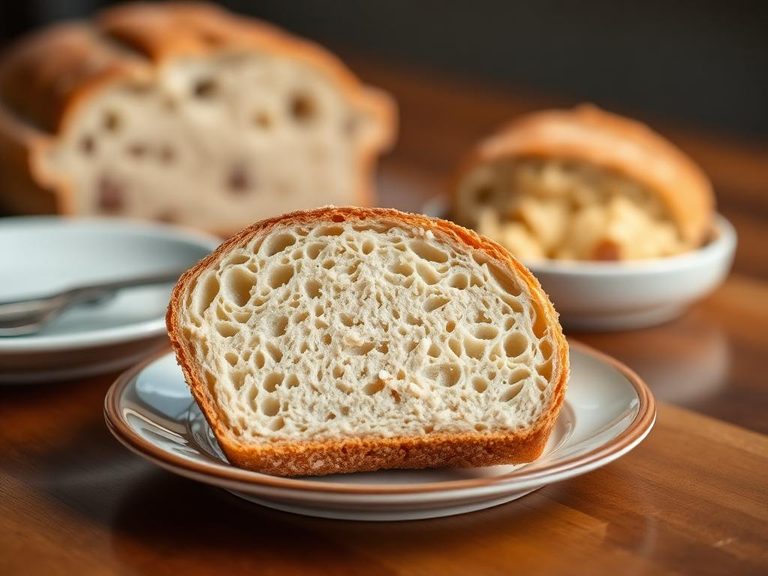
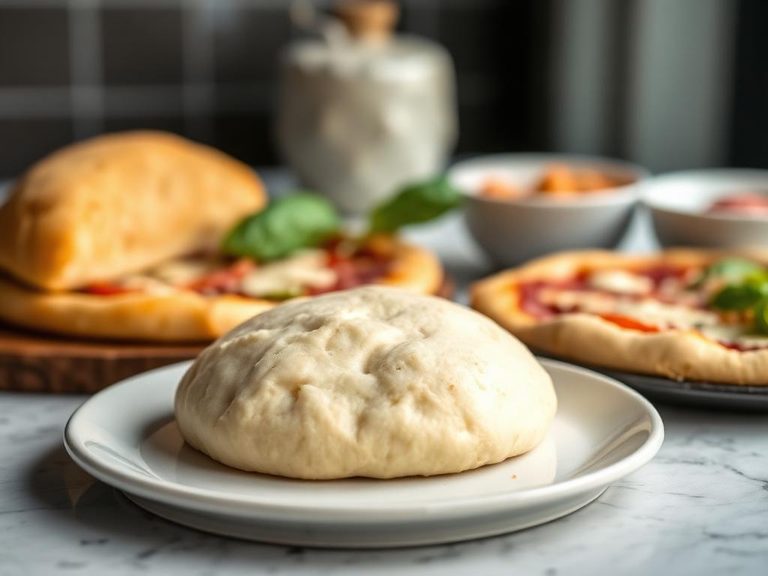
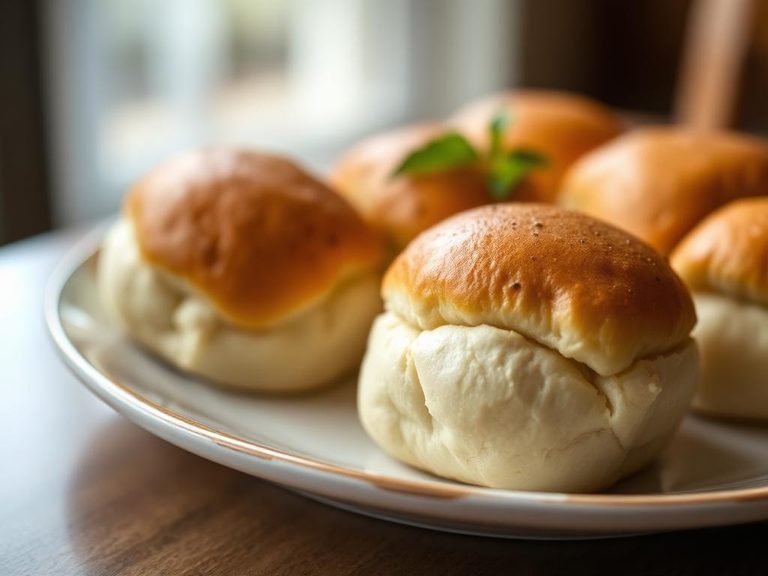
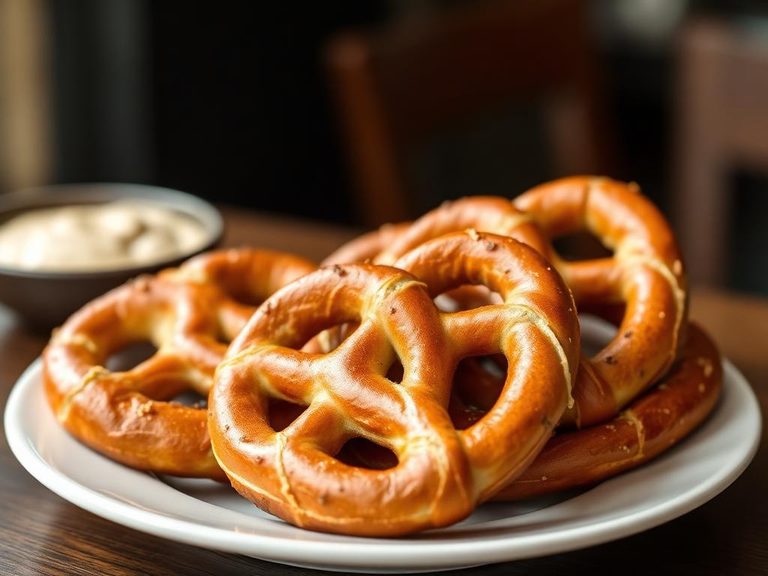
People love it for its transformative power—the magic of turning a dense, sticky dough into a light, airy loaf with a complex, tangy flavor profile. It's the cornerstone of global baking culture, from a simple weeknight pizza to artisanal sourdough.
⚠️ Watch-outs & how to enjoy it better
It's a common allergen for those with yeast sensitivities or candida overgrowth concerns. The fermentation process can produce FODMAPs, which may trigger digestive discomfort in some individuals. To mitigate, ensure thorough proofing and baking, and consider pairing yeast-leavened breads with protein or healthy fats to slow digestion.
Key benefits
- High-quality complete protein source
- Rich in B-vitamins, particularly thiamine (B1) and niacin (B3)
- Excellent source of dietary fiber (beta-glucans)
- Contains essential minerals like selenium and chromium
- Enables the fermentation of dough, improving digestibility and nutrient availability
🍽️ Popular dishes
🌍 Where it's eaten
💡 Did you know?
The 'active dry' form was developed during WWII for military use, as its dehydrated state allowed it to be stored and transported without refrigeration, making fresh bread possible in field kitchens.
Full nutrition (scales with serving)
| Water | 5.1 g |
| Energy | 325 kcal |
| Energy | 1361 kj |
| Protein | 40.4 g |
| Total lipid (fat) | 7.6 g |
| Ash | 5.7 g |
| Carbohydrate, by difference | 41.2 g |
| Fiber, total dietary | 26.9 g |
| Total Sugars | 0.00 g |
| Calcium, Ca | 30.0 mg |
| Iron, Fe | 2.2 mg |
| Magnesium, Mg | 54.0 mg |
| Phosphorus, P | 637 mg |
| Potassium, K | 955 mg |
| Sodium, Na | 51.0 mg |
| Zinc, Zn | 7.9 mg |
| Copper, Cu | 0.44 mg |
| Manganese, Mn | 0.31 mg |
| Selenium, Se | 7.9 ug |
| Vitamin C, total ascorbic acid | 0.30 mg |
| Thiamin | 11.0 mg |
| Riboflavin | 4.0 mg |
| Niacin | 40.2 mg |
| Pantothenic acid | 13.5 mg |
| Vitamin B-6 | 1.5 mg |
| Folate, total | 2340 ug |
| Folic acid | 0.00 ug |
| Folate, food | 2340 ug |
| Folate, DFE | 2340 ug |
| Choline, total | 32.0 mg |
| Betaine | 3.4 mg |
| Vitamin B-12 | 0.07 ug |
| Vitamin B-12, added | 0.00 ug |
| Vitamin A, RAE | 0.00 ug |
| Retinol | 0.00 ug |
| Carotene, beta | 0.00 ug |
| Carotene, alpha | 0.00 ug |
| Cryptoxanthin, beta | 0.00 ug |
| Vitamin A, IU | 0.00 iu |
| Lycopene | 0.00 ug |
| Lutein + zeaxanthin | 0.00 ug |
| Vitamin E (alpha-tocopherol) | 0.00 mg |
| Vitamin E, added | 0.00 mg |
| Vitamin D (D2 + D3), International Units | 0.00 iu |
| Vitamin D (D2 + D3) | 0.00 ug |
| Vitamin K (phylloquinone) | 0.40 ug |
| Vitamin K (Dihydrophylloquinone) | 0.00 ug |
| Vitamin K (Menaquinone-4) | 0.00 ug |
| Alcohol, ethyl | 0.00 g |
| Caffeine | 0.00 mg |
| Theobromine | 0.00 mg |
Fat & fatty acid profile (per 100g)
| Fatty acids, total saturated | 1.0 g |
| SFA 4:0 | 0.00 g |
| SFA 6:0 | 0.00 g |
| SFA 8:0 | 0.00 g |
| SFA 10:0 | 0.00 g |
| SFA 12:0 | 0.05 g |
| SFA 14:0 | 0.00 g |
| SFA 16:0 | 0.71 g |
| SFA 18:0 | 0.25 g |
| Fatty acids, total monounsaturated | 4.3 g |
| MUFA 16:1 | 2.3 g |
| MUFA 18:1 | 2.0 g |
| MUFA 20:1 | 0.00 g |
| MUFA 22:1 | 0.00 g |
| Fatty acids, total polyunsaturated | 0.02 g |
| PUFA 18:2 | 0.02 g |
| PUFA 18:3 | 0.00 g |
| PUFA 18:4 | 0.00 g |
| PUFA 20:4 | 0.00 g |
| PUFA 20:5 n-3 (EPA) | 0.00 g |
| PUFA 22:5 n-3 (DPA) | 0.00 g |
| PUFA 22:6 n-3 (DHA) | 0.00 g |
| Cholesterol | 0.00 mg |
Amino acid profile (per 100g)
| Tryptophan | 0.54 g |
| Threonine | 2.0 g |
| Isoleucine | 1.9 g |
| Leucine | 2.9 g |
| Lysine | 3.3 g |
| Methionine | 0.59 g |
| Cystine | 0.50 g |
| Phenylalanine | 1.8 g |
| Tyrosine | 1.1 g |
| Valine | 2.3 g |
| Arginine | 2.0 g |
| Histidine | 0.91 g |
| Alanine | 2.3 g |
| Aspartic acid | 4.2 g |
| Glutamic acid | 6.5 g |
| Glycine | 1.9 g |
| Proline | 1.6 g |
| Serine | 2.0 g |
FAQ
What's the difference between active dry and instant yeast?
Active dry yeast has larger granules and must be 'proofed' (dissolved) in warm liquid to activate. Instant (or rapid-rise) yeast has smaller granules and can be mixed directly into dry ingredients. Nutritionally, they are virtually identical.
Is yeast-leavened bread a good source of protein?
Yes, surprisingly so. While the yeast itself is protein-rich, it's used in small quantities. The fermentation process, however, helps break down proteins in the flour, making the nutrients in the whole bread more bioavailable.
Can I eat yeast if I'm on a low-sugar diet?
Active dry yeast itself contains 0g sugar. The fermentation process consumes sugars in the flour, actually lowering the final glycemic impact of the bread compared to unleavened products.