Cheese, gouda
Whole food · Dairy and Egg Products

Photo: Wikipedia
Gouda is a semi-hard to hard cheese originating from the Netherlands, characterized by its rich, buttery flavor and a smooth, slightly waxy texture that becomes firmer and more caramel-like as it ages. With 27.44g of fat per 100g, it's a dense source of energy and a significant provider of protein (24.94g per 100g), making it a nutritionally substantial choice.
💚 Why it's loved
People adore Gouda for its versatile, crowd-pleasing flavor that ranges from mild and creamy in young wheels to deeply nutty and butterscotch-like in aged varieties. Its excellent melting properties and beautiful presentation make it a staple for everything from a simple cheese board to a gourmet grilled sandwich.
⚠️ Watch-outs & how to enjoy it better
Gouda is high in sodium and saturated fat, so individuals monitoring blood pressure or cholesterol should practice portion control. Its low carb content is generally blood-sugar friendly, but those with lactose intolerance may need to choose well-aged Gouda, which is naturally very low in lactose, or consider a lactase enzyme supplement.
Key benefits
- Excellent source of high-quality protein for muscle maintenance.
- Rich in calcium and phosphorus for bone health.
- Contains vitamin B12, important for nerve function and red blood cell formation.
- Provides conjugated linoleic acid (CLA), a fatty acid studied for potential health benefits.
🍽️ Popular dishes
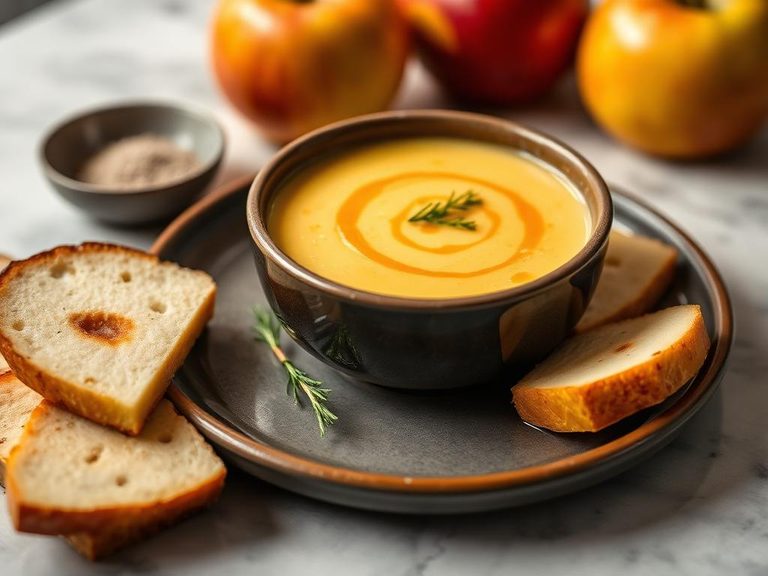




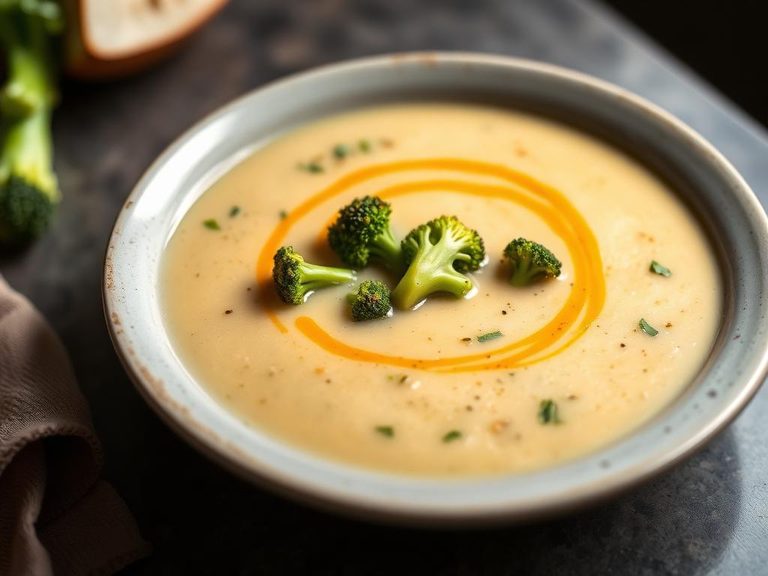
🌍 Where it's eaten
💡 Did you know?
The iconic red wax coating on Gouda cheese was originally used to protect the cheese during shipping and is not an indicator of age; the age is determined by the color of the label.
Full nutrition (scales with serving)
| Water | 41.5 g |
| Energy | 356 kcal |
| Energy | 1491 kj |
| Protein | 24.9 g |
| Total lipid (fat) | 27.4 g |
| Ash | 3.9 g |
| Carbohydrate, by difference | 2.2 g |
| Fiber, total dietary | 0.00 g |
| Total Sugars | 2.2 g |
| Calcium, Ca | 700 mg |
| Iron, Fe | 0.24 mg |
| Magnesium, Mg | 29.0 mg |
| Phosphorus, P | 546 mg |
| Potassium, K | 121 mg |
| Sodium, Na | 819 mg |
| Zinc, Zn | 3.9 mg |
| Copper, Cu | 0.04 mg |
| Manganese, Mn | 0.01 mg |
| Selenium, Se | 14.5 ug |
| Vitamin C, total ascorbic acid | 0.00 mg |
| Thiamin | 0.03 mg |
| Riboflavin | 0.33 mg |
| Niacin | 0.06 mg |
| Pantothenic acid | 0.34 mg |
| Vitamin B-6 | 0.08 mg |
| Folate, total | 21.0 ug |
| Folic acid | 0.00 ug |
| Folate, food | 21.0 ug |
| Folate, DFE | 21.0 ug |
| Choline, total | 15.4 mg |
| Vitamin B-12 | 1.5 ug |
| Vitamin B-12, added | 0.00 ug |
| Vitamin A, RAE | 165 ug |
| Retinol | 164 ug |
| Carotene, beta | 10.0 ug |
| Carotene, alpha | 0.00 ug |
| Cryptoxanthin, beta | 0.00 ug |
| Vitamin A, IU | 563 iu |
| Lycopene | 0.00 ug |
| Lutein + zeaxanthin | 0.00 ug |
| Vitamin E (alpha-tocopherol) | 0.24 mg |
| Vitamin E, added | 0.00 mg |
| Vitamin D (D2 + D3), International Units | 20.0 iu |
| Vitamin D (D2 + D3) | 0.50 ug |
| Vitamin D3 (cholecalciferol) | 0.50 ug |
| Vitamin K (phylloquinone) | 2.3 ug |
| Alcohol, ethyl | 0.00 g |
| Caffeine | 0.00 mg |
| Theobromine | 0.00 mg |
Fat & fatty acid profile (per 100g)
| Fatty acids, total saturated | 17.6 g |
| SFA 4:0 | 1.00 g |
| SFA 6:0 | 0.64 g |
| SFA 8:0 | 0.43 g |
| SFA 10:0 | 0.92 g |
| SFA 12:0 | 1.2 g |
| SFA 14:0 | 3.0 g |
| SFA 16:0 | 6.9 g |
| SFA 18:0 | 2.9 g |
| Fatty acids, total monounsaturated | 7.7 g |
| MUFA 16:1 | 0.89 g |
| MUFA 18:1 | 6.4 g |
| MUFA 20:1 | 0.00 g |
| MUFA 22:1 | 0.00 g |
| Fatty acids, total polyunsaturated | 0.66 g |
| PUFA 18:2 | 0.26 g |
| PUFA 18:3 | 0.39 g |
| PUFA 18:4 | 0.00 g |
| PUFA 20:4 | 0.00 g |
| PUFA 20:5 n-3 (EPA) | 0.00 g |
| PUFA 22:5 n-3 (DPA) | 0.00 g |
| PUFA 22:6 n-3 (DHA) | 0.00 g |
| Cholesterol | 114 mg |
Amino acid profile (per 100g)
| Tryptophan | 0.35 g |
| Threonine | 0.93 g |
| Isoleucine | 1.3 g |
| Leucine | 2.6 g |
| Lysine | 2.7 g |
| Methionine | 0.72 g |
| Cystine | 0.25 g |
| Phenylalanine | 1.4 g |
| Tyrosine | 1.5 g |
| Valine | 1.8 g |
| Arginine | 0.96 g |
| Histidine | 1.0 g |
| Alanine | 0.76 g |
| Aspartic acid | 1.7 g |
| Glutamic acid | 6.1 g |
| Glycine | 0.48 g |
| Proline | 3.2 g |
| Serine | 1.5 g |
FAQ
What's the difference between young and aged Gouda?
Young Gouda (3-6 months) is mild, creamy, and semi-soft, perfect for sandwiches. Aged Gouda (1-2+ years) develops a harder, crystalline texture with a sharp, nutty, butterscotch-like flavor, ideal for snacking or grating over dishes.
Is Gouda a good melting cheese?
Yes, young and semi-aged Gouda melts smoothly and is excellent for sauces, soups, and grilled cheese. Very old, dry Gouda has a lower moisture content and may not melt as uniformly, but it adds incredible flavor when grated.
How should I store Gouda cheese?
Wrap it in its original wax coating or parchment paper, then place it in a loosely sealed plastic bag or container in the refrigerator's cheese drawer. This allows it to breathe without drying out.