

Yogurt, frozen, flavors other than chocolate, lowfat
Whole food · Dairy and Egg Products

Photo: Wikipedia
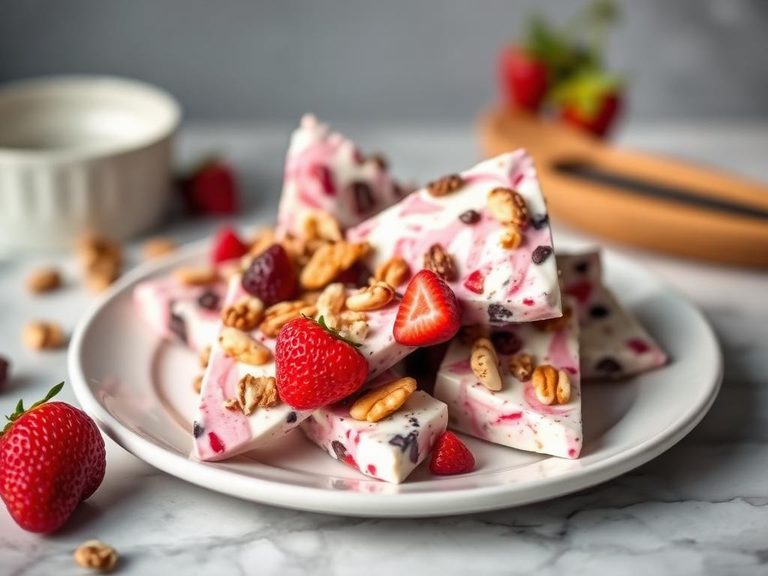
This is a frozen, low-fat yogurt with flavors like vanilla, strawberry, or peach, offering a tangy, creamy, and refreshing treat. Its texture is smooth and slightly icy, with a noticeable sweetness from added sugars. Nutritionally, it provides a solid protein boost for a dessert, with 8 grams per 100 grams, but its 21 grams of sugar are a key consideration.
Calorie split: 23% protein · 61% carbs · 16% fat
↓ Full nutrition💚 Why it's loved
People love it for its satisfying balance of tangy yogurt flavor and sweet, fruity notes, offering a lighter alternative to ice cream. Its versatility makes it a popular base for smoothies, parfaits, and simple desserts.
⚠️ Watch-outs & how to enjoy it better
The high added sugar content can cause rapid blood-sugar spikes, making it less ideal for those monitoring glucose levels. To counteract this, pair a small portion with a source of healthy fat or extra protein (like nuts or seeds) to slow sugar absorption, and practice strict portion control.
Key benefits
- Good source of protein for a frozen dessert
- Lower in fat than traditional ice cream
- Provides calcium and some probiotics (if live cultures are added)
- Refreshing, portion-controlled treat option
- Widely available in many flavors
🍽️ Popular dishes
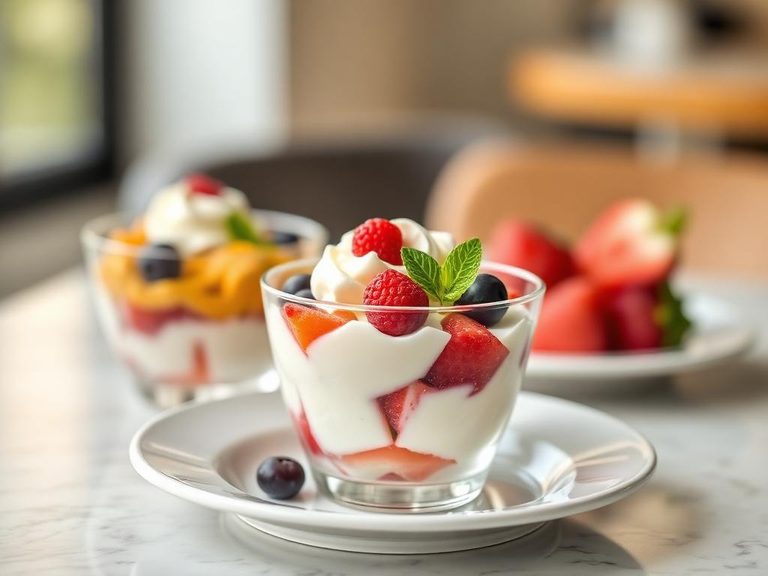
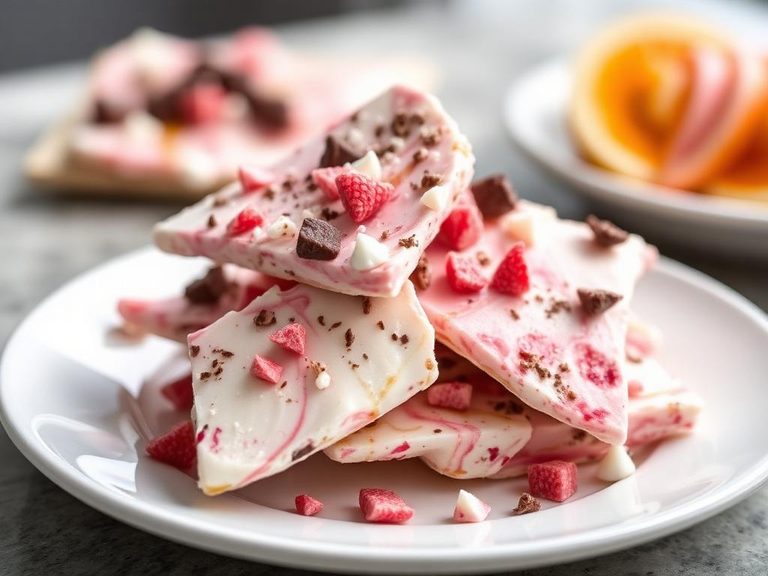
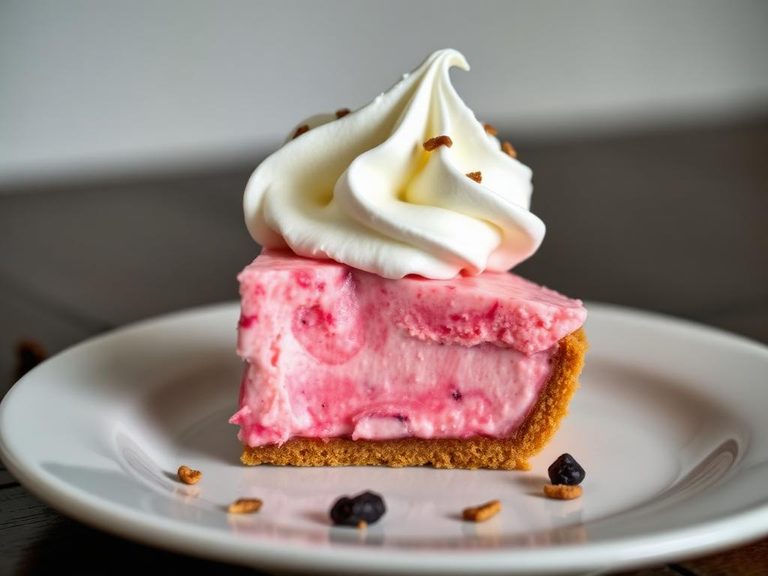
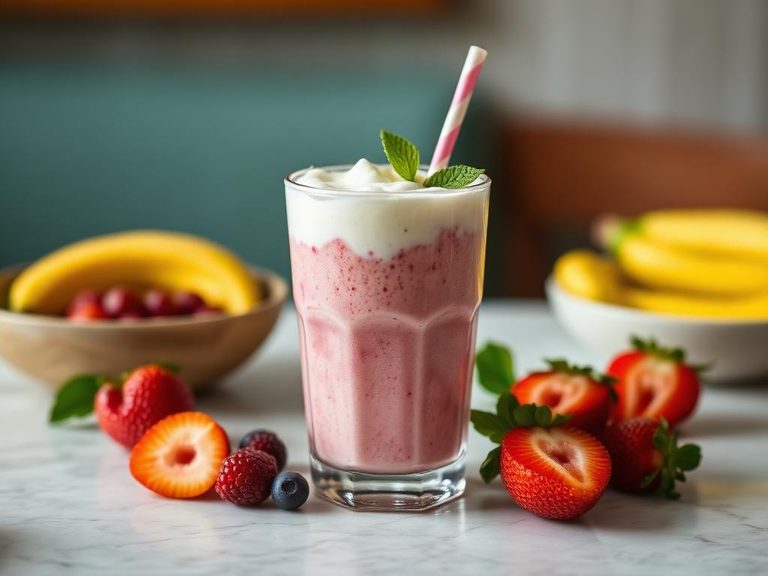
🌍 Where it's eaten
💡 Did you know?
Frozen yogurt gained massive popularity in the US in the 1980s as a 'healthier' ice cream alternative, with chains like TCBY (The Country's Best Yogurt) leading the boom.
Full nutrition (USDA data · scales with serving)
| Water | 68.1 g |
| Energy | 139 kcal |
| Energy | 579 kj |
| Protein | 8.0 g |
| Total lipid (fat) | 2.5 g |
| Ash | 0.42 g |
| Carbohydrate, by difference | 21.0 g |
| Fiber, total dietary | 0.00 g |
| Total Sugars | 21.0 g |
| Calcium, Ca | 200 mg |
| Iron, Fe | 0.00 mg |
| Magnesium, Mg | 7.0 mg |
| Phosphorus, P | 62.0 mg |
| Potassium, K | 108 mg |
| Sodium, Na | 45.0 mg |
| Zinc, Zn | 0.19 mg |
| Copper, Cu | 0.01 mg |
| Selenium, Se | 1.3 ug |
| Vitamin C, total ascorbic acid | 0.00 mg |
| Thiamin | 0.03 mg |
| Riboflavin | 0.13 mg |
| Niacin | 0.05 mg |
| Vitamin B-6 | 0.03 mg |
| Folate, total | 3.0 ug |
| Folic acid | 0.00 ug |
| Folate, food | 3.0 ug |
| Folate, DFE | 3.0 ug |
| Choline, total | 16.0 mg |
| Vitamin B-12 | 0.05 ug |
| Vitamin B-12, added | 0.00 ug |
| Vitamin A, RAE | 34.0 ug |
| Retinol | 34.0 ug |
| Carotene, beta | 6.0 ug |
| Carotene, alpha | 0.00 ug |
| Cryptoxanthin, beta | 0.00 ug |
| Vitamin A, IU | 122 iu |
| Lycopene | 0.00 ug |
| Lutein + zeaxanthin | 0.00 ug |
| Vitamin E (alpha-tocopherol) | 0.06 mg |
| Vitamin E, added | 0.00 mg |
| Vitamin D (D2 + D3), International Units | 2.0 iu |
| Vitamin D (D2 + D3) | 0.00 ug |
| Vitamin K (phylloquinone) | 0.20 ug |
| Alcohol, ethyl | 0.00 g |
| Caffeine | 0.00 mg |
| Theobromine | 0.00 mg |
Fat & fatty acid profile (per 100g)
| Fatty acids, total saturated | 1.5 g |
| SFA 4:0 | 0.08 g |
| SFA 6:0 | 0.05 g |
| SFA 8:0 | 0.03 g |
| SFA 10:0 | 0.07 g |
| SFA 12:0 | 0.09 g |
| SFA 14:0 | 0.26 g |
| SFA 16:0 | 0.69 g |
| SFA 18:0 | 0.25 g |
| Fatty acids, total monounsaturated | 0.69 g |
| MUFA 16:1 | 0.05 g |
| MUFA 18:1 | 0.57 g |
| MUFA 20:1 | 0.00 g |
| MUFA 22:1 | 0.00 g |
| Fatty acids, total polyunsaturated | 0.07 g |
| PUFA 18:2 | 0.05 g |
| PUFA 18:3 | 0.02 g |
| PUFA 18:4 | 0.00 g |
| PUFA 20:4 | 0.00 g |
| PUFA 20:5 n-3 (EPA) | 0.00 g |
| PUFA 22:5 n-3 (DPA) | 0.00 g |
| PUFA 22:6 n-3 (DHA) | 0.00 g |
| Fatty acids, total trans | 0.00 g |
| Cholesterol | 45.0 mg |
Amino acid profile (per 100g)
Estimated from Yogurt, fruit variety, nonfat — USDA does not publish this profile for Yogurt.
| Tryptophan | 0.03 g |
| Threonine | 0.20 g |
| Isoleucine | 0.27 g |
| Leucine | 0.50 g |
| Lysine | 0.44 g |
| Methionine | 0.14 g |
| Cystine | 0.04 g |
| Phenylalanine | 0.27 g |
| Tyrosine | 0.25 g |
| Valine | 0.41 g |
| Arginine | 0.15 g |
| Histidine | 0.12 g |
| Alanine | 0.21 g |
| Aspartic acid | 0.39 g |
| Glutamic acid | 0.97 g |
| Glycine | 0.12 g |
| Proline | 0.58 g |
| Serine | 0.30 g |
FAQ
Is frozen yogurt healthier than ice cream?
It typically has less fat, but often contains comparable or even more added sugar. Its 'health' depends on the brand, ingredients, and portion size.
Does frozen yogurt have probiotics?
It can, but only if it's made with live and active cultures and hasn't been heat-treated after fermentation. Check the label for 'live and active cultures.'
Why is my frozen yogurt so icy?
Low-fat versions can develop ice crystals due to less fat content. To improve texture, store it in the coldest part of your freezer and let it sit at room temperature for a few minutes before serving.
Nutrient density (calculated · NRF9.3)
Nutrient Rich Foods index: beneficial nutrients (protein, fiber, vitamins, minerals) minus saturated fat, added sugar & sodium, per 100 kcal.
NRF9.3 index — Fulgoni, Keast & Drewnowski, 2009. Computed from USDA nutrients.
Weight-loss friendliness (composite index)
Energy density 1.39 kcal/g · 23% calories from protein · 0.0 g fiber · 21.0 g sugar per 100 g.
Composite of energy density (Rolls et al., 1999), protein & fiber satiety, minus sugar. A calculated heuristic — ranks satiety-per-calorie, not a clinical measure.
Dietary load (calculated from USDA values)
Potential renal acid load. Positive = acid-forming, negative = alkaline-forming.
Sodium-to-potassium ratio: 0.42 (lower is better — aim for ≤ 1)
Sodium:potassium per WHO potassium guidance. Computed from USDA nutrients.