

Wheat bran
Common food

Photo: Wikipedia
Wheat bran is the hard, outer layer of the wheat kernel, milled into a coarse, golden-brown meal with a nutty, slightly bitter taste and a gritty, chewy texture. It is a fiber powerhouse, boasting an impressive 42.8g of dietary fiber per 100g, which is over 150% of the daily value. This makes it a champion for digestive health and satiety.
Calorie split: 17% protein · 72% carbs · 11% fat
↓ Full nutrition💚 Why it's loved
People love wheat bran for its robust, nutty flavor that adds depth to baked goods and its unparalleled ability to boost the fiber content of everyday foods like oatmeal and yogurt. It's a staple in health-conscious kitchens for its versatility and functional benefits.
⚠️ Watch-outs & how to enjoy it better
Its high fiber content can cause digestive discomfort (gas, bloating) if introduced too quickly or consumed in large amounts without adequate water. It also contains phytic acid, which can bind to minerals like iron and zinc, potentially reducing their absorption. To counteract this, start with small portions (1-2 tbsp), drink plenty of water, and consider soaking or fermenting it (e.g., in overnight oats or sourdough) to improve mineral bioavailability.
Key benefits
- Exceptionally high in insoluble fiber, promoting regular bowel movements.
- Rich in B vitamins like thiamine and niacin, essential for energy metabolism.
- Contains minerals such as magnesium, iron, and zinc.
- May help support healthy cholesterol levels as part of a balanced diet.
- Adds significant volume and texture to foods without adding sugar.
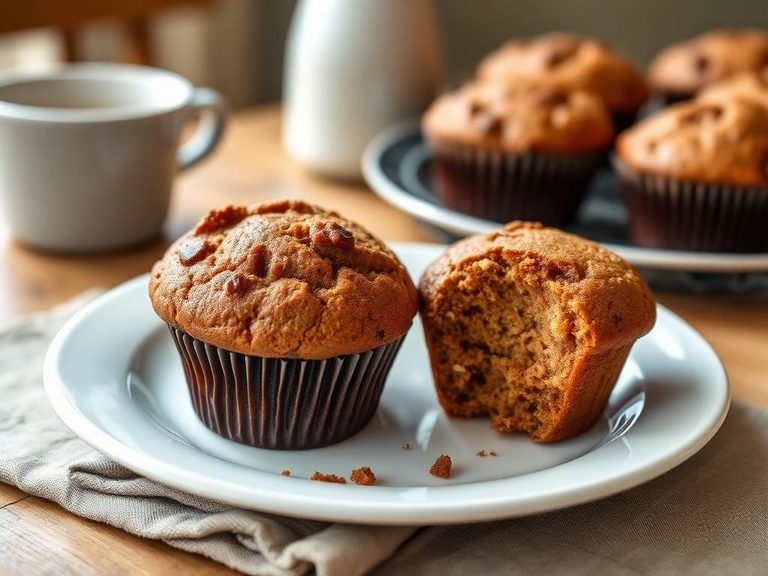
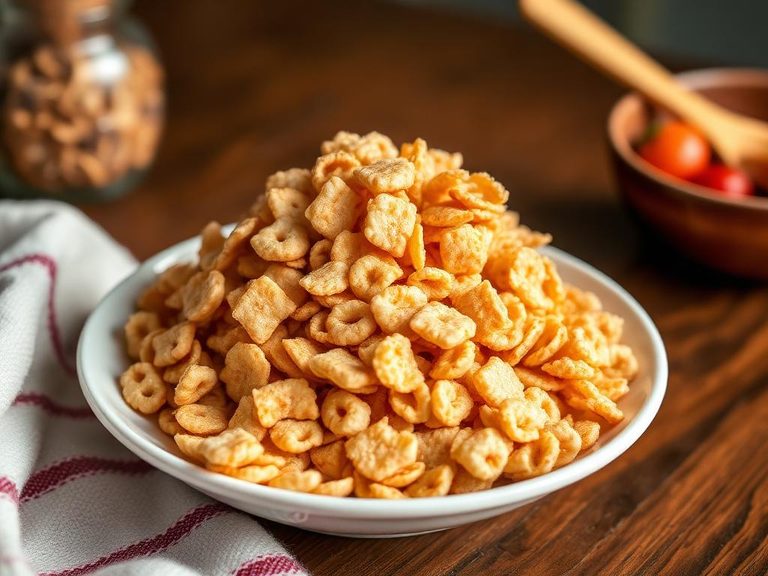
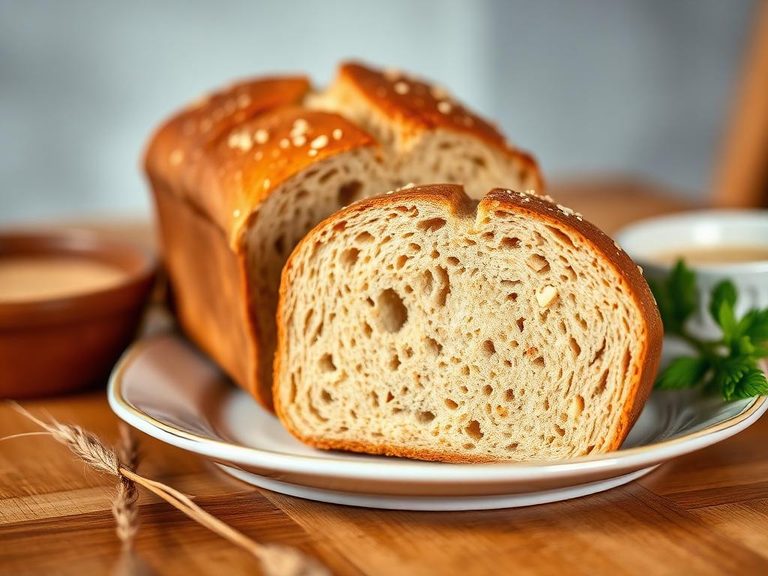
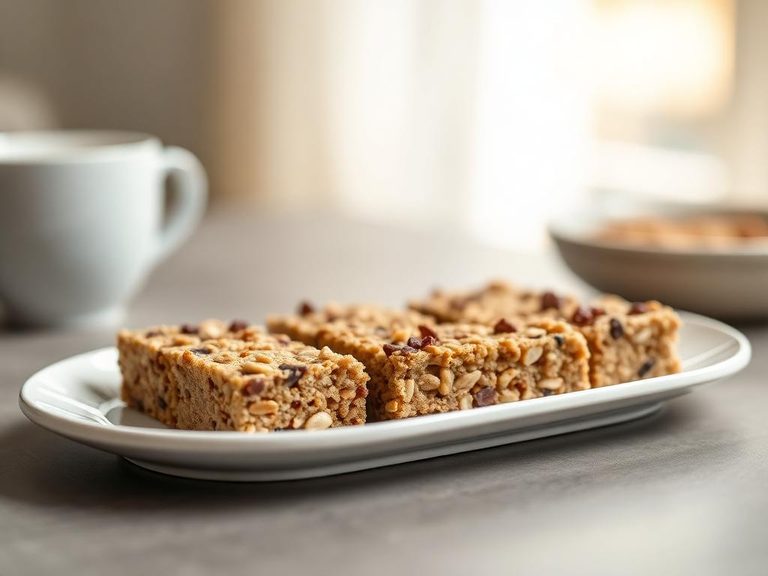
🍽️ Popular dishes


🌍 Where it's eaten
💡 Did you know?
Wheat bran was once considered a mere byproduct of flour milling, but its nutritional value was championed in the 1970s by Dr. Denis Burkitt, whose research on fiber revolutionized dietary guidelines.
Full nutrition (USDA data · scales with serving)
| Water | 9.9 g |
| Energy | 216 kcal |
| Protein | 15.6 g |
| Total lipid (fat) | 4.3 g |
| Carbohydrate, by difference | 64.5 g |
| Fiber, total dietary | 42.8 g |
| Total Sugars | 0.41 g |
| Calcium, Ca | 73.0 mg |
| Iron, Fe | 10.6 mg |
| Magnesium, Mg | 611 mg |
| Phosphorus, P | 1013 mg |
| Potassium, K | 1182 mg |
| Sodium, Na | 2.0 mg |
| Zinc, Zn | 7.3 mg |
| Copper, Cu | 1.00 mg |
| Selenium, Se | 77.6 ug |
| Vitamin C, total ascorbic acid | 0.00 mg |
| Thiamin | 0.52 mg |
| Riboflavin | 0.58 mg |
| Niacin | 13.6 mg |
| Vitamin B-6 | 1.3 mg |
| Folate, total | 79.0 ug |
| Folic acid | 0.00 ug |
| Folate, food | 79.0 ug |
| Folate, DFE | 79.0 ug |
| Choline, total | 74.4 mg |
| Vitamin B-12 | 0.00 ug |
| Vitamin B-12, added | 0.00 ug |
| Vitamin A, RAE | 0.00 ug |
| Retinol | 0.00 ug |
| Carotene, beta | 6.0 ug |
| Carotene, alpha | 0.00 ug |
| Cryptoxanthin, beta | 0.00 ug |
| Lycopene | 0.00 ug |
| Lutein + zeaxanthin | 240 ug |
| Vitamin E (alpha-tocopherol) | 1.5 mg |
| Vitamin E, added | 0.00 mg |
| Vitamin D (D2 + D3) | 0.00 ug |
| Vitamin K (phylloquinone) | 1.9 ug |
| Alcohol, ethyl | 0.00 g |
| Caffeine | 0.00 mg |
| Theobromine | 0.00 mg |
Fat & fatty acid profile (per 100g)
| Fatty acids, total saturated | 0.63 g |
| SFA 4:0 | 0.00 g |
| SFA 6:0 | 0.00 g |
| SFA 8:0 | 0.00 g |
| SFA 10:0 | 0.00 g |
| SFA 12:0 | 0.00 g |
| SFA 14:0 | 0.01 g |
| SFA 16:0 | 0.56 g |
| SFA 18:0 | 0.04 g |
| Fatty acids, total monounsaturated | 0.64 g |
| MUFA 16:1 | 0.02 g |
| MUFA 18:1 | 0.62 g |
| MUFA 20:1 | 0.00 g |
| MUFA 22:1 | 0.00 g |
| Fatty acids, total polyunsaturated | 2.2 g |
| PUFA 18:2 | 2.0 g |
| PUFA 18:3 | 0.17 g |
| PUFA 18:4 | 0.00 g |
| PUFA 20:4 | 0.01 g |
| PUFA 20:5 n-3 (EPA) | 0.00 g |
| PUFA 22:5 n-3 (DPA) | 0.00 g |
| PUFA 22:6 n-3 (DHA) | 0.00 g |
| Cholesterol | 0.00 mg |
Amino acid profile (per 100g)
Estimated from Wheat bran, crude — USDA does not publish this profile for Wheat bran.
| Tryptophan | 0.28 g |
| Threonine | 0.50 g |
| Isoleucine | 0.49 g |
| Leucine | 0.93 g |
| Lysine | 0.60 g |
| Methionine | 0.23 g |
| Cystine | 0.37 g |
| Phenylalanine | 0.59 g |
| Tyrosine | 0.44 g |
| Valine | 0.73 g |
| Arginine | 1.1 g |
| Histidine | 0.43 g |
| Alanine | 0.77 g |
| Aspartic acid | 1.1 g |
| Glutamic acid | 2.9 g |
| Glycine | 0.90 g |
| Proline | 0.88 g |
| Serine | 0.68 g |
FAQ
Is wheat bran the same as wheat germ?
No. Wheat bran is the outer protective layer of the kernel, while wheat germ is the embryo—the nutrient-rich part that sprouts into a new plant. They have different textures, flavors, and nutritional profiles.
Can I eat wheat bran raw?
Yes, it's often eaten raw, sprinkled on cereal, yogurt, or mixed into smoothies. However, cooking it into baked goods or porridge can improve its texture and digestibility for some people.
Is wheat bran gluten-free?
No. Wheat bran is derived from wheat and contains gluten. It is not suitable for individuals with celiac disease or gluten sensitivity.
Nutrient density (calculated · NRF9.3)
Nutrient Rich Foods index: beneficial nutrients (protein, fiber, vitamins, minerals) minus saturated fat, added sugar & sodium, per 100 kcal.
NRF9.3 index — Fulgoni, Keast & Drewnowski, 2009. Computed from USDA nutrients.
Weight-loss friendliness (composite index)
Energy density 2.16 kcal/g · 29% calories from protein · 42.8 g fiber · 0.4 g sugar per 100 g.
Composite of energy density (Rolls et al., 1999), protein & fiber satiety, minus sugar. A calculated heuristic — ranks satiety-per-calorie, not a clinical measure.
Dietary load (calculated from USDA values)
Potential renal acid load. Positive = acid-forming, negative = alkaline-forming.
Sodium-to-potassium ratio: 0.00 (lower is better — aim for ≤ 1)
Sodium:potassium per WHO potassium guidance. Computed from USDA nutrients.